You've seen the pictures. The giant yellow pumpkin by Yayoi Kusama perched on a pier, the sleek concrete buildings half-buried in a hillside. Naoshima isn't just an island; it's a feeling. A place where contemporary art doesn't just sit in a gallery—it breathes with the sea air and lives among the quiet fishing villages. But planning a trip here can feel oddly daunting. Which ferry port? How many days? Can you actually stay inside a museum? After multiple visits spanning a decade, I've made the mistakes so you don't have to. This guide cuts through the hype and gives you the straight story on experiencing Naoshima, from must-see masterpieces to the hidden bench where you can watch the sunset alone.
In this guide, you'll discover:
What are the must-see art spots on Naoshima?
Let's get this out of the way: you cannot see everything in one day. The island's magic is in its pace. Rushing defeats the purpose. Focus on these core areas, clustered on the southern coast.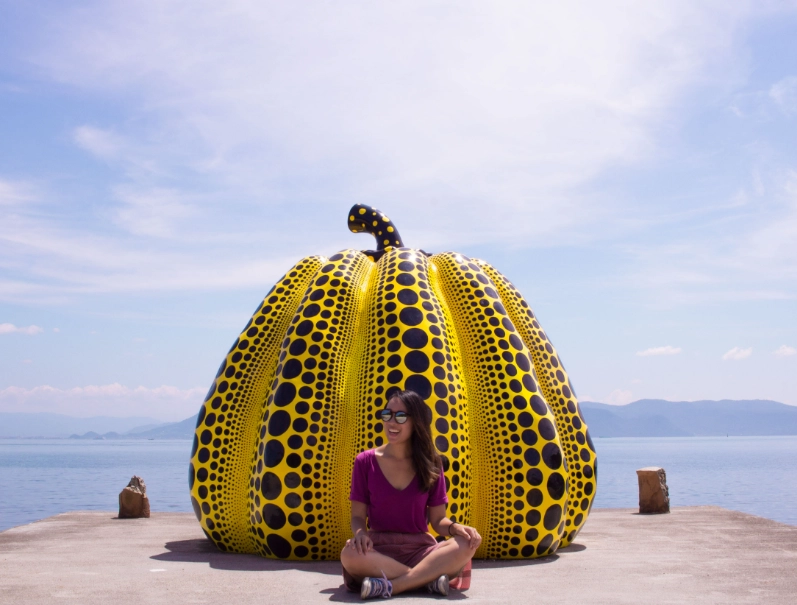
The Benesse Art Site: The Heart of It All
This isn't a single museum. It's a sprawling zone managed by the Benesse Corporation, encompassing several major sites. Your ticket often grants access to multiple venues.
Chichu Art Museum is the crown jewel. Built into a hilltop by architect Tadao Ando, it's lit almost entirely by natural light. It houses a small, permanent collection featuring Monet's Water Lilies (in a stunning, white room), works by Walter De Maria, and James Turrell. The building itself is the main exhibit. Address: 3449-1 Naoshima, Kagawa District. Hours: Typically 10:00–18:00 (last entry 17:00). Closed Mondays (or Tuesday if Monday is a holiday). Admission: ¥2,100. Key Tip: Book online in advance, especially during high season. No photos inside, which I initially found frustrating, but it forces a deeper connection with the art. The cafe, with its view of the Ando-designed garden, is a hidden treasure.
Benesse House Museum is a hybrid hotel-museum. Even if you're not staying, visit. Art is displayed along cliffside paths and inside. Look for Bruce Nauman's neon signs and Shinro Ohtake's whimsical scrap-metal sculptures. Address: Gotanji, Naoshima. Hours: 8:00–21:00 for museum areas. Admission: ¥1,030, or often included in a combination ticket.
Lee Ufan Museum, another Ando collaboration, is a meditative space dedicated to the Korean artist. It's all about the dialogue between art, architecture, and nature. Serene and powerful. Admission: ¥1,030.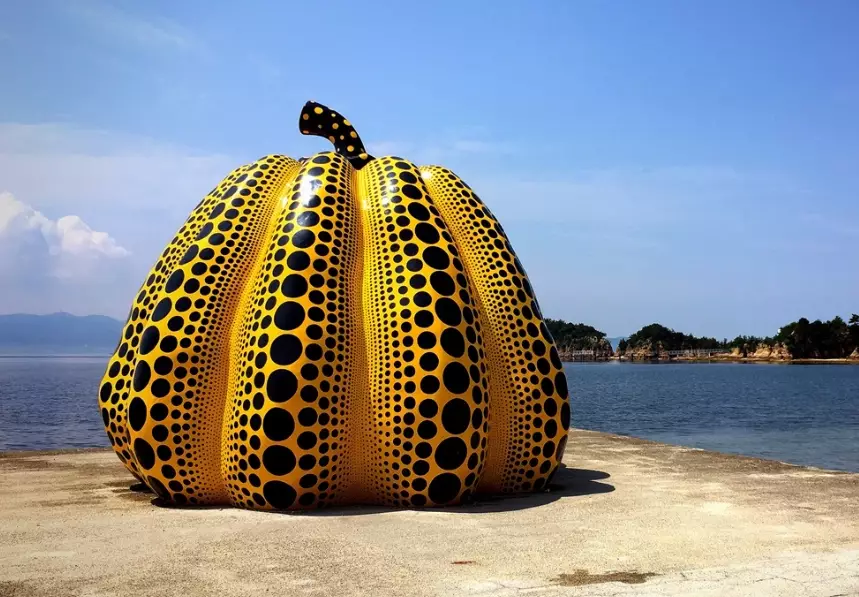
Honmura Area: Art House Project
This is where Naoshima gets truly special. In the old Honmura village, abandoned houses, a temple, and a workshop have been transformed into art installations by various artists. You buy a single ticket (¥1,050) that gets you a map and access to all seven sites scattered through the town's narrow lanes. My favorite is James Turrell's "Minamidera," a pitch-black room where you wait for your eyes to adjust—an experience in pure perception. Wandering between these sites, you get a real sense of local life. It's art integrated, not imposed.
The Iconic Pumpkins & Beach
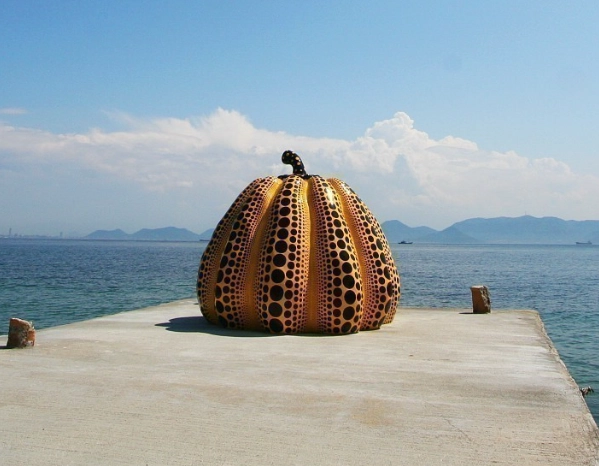
Kusama's Yellow Pumpkin is on the pier near the Benesse House. The Red Pumpkin is at Miyanoura Port. They're free to visit and, yes, you will queue for a photo. Go early in the morning or just before sunset for fewer crowds. Nearby is the "I ❤ 湯" (I Love Yu) sento (public bath) by Shinro Ohtake—a functional art bathhouse you can actually use (¥650).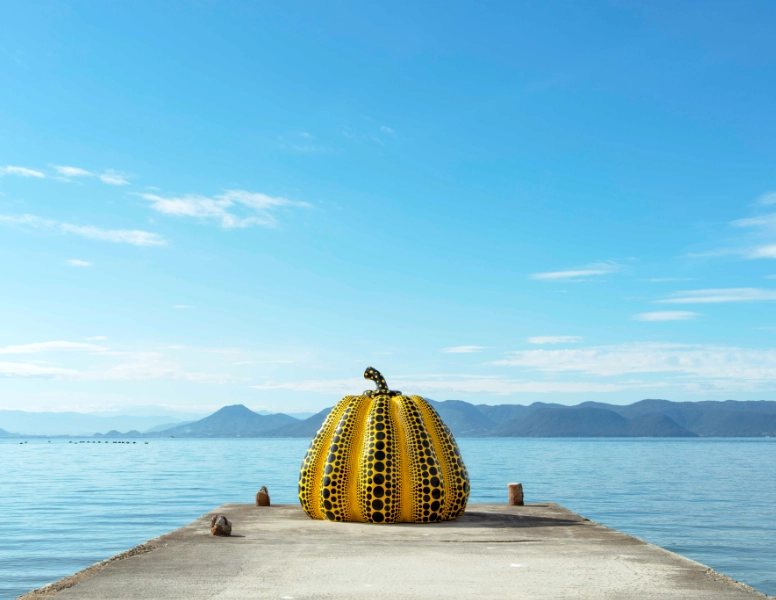
How to plan your Naoshima itinerary (without the stress)
The biggest mistake is underestimating travel time between sites. The island is small, but hilly. Public buses are infrequent. Here are two realistic plans.
Pro Transport Tip: Rent an electric bicycle. This is the absolute best way to get around. You can tackle the hills effortlessly and stop wherever you want. Rentals are available at Miyanoura Port for about ¥1,500-¥2,000 per day. Book them early if you're visiting during the Setouchi Triennale art festival.
The Efficient One-Day Trip
This is tight but possible if you're based in Okayama or Takamatsu.
- Morning (9:00): Ferry from Uno Port (Okayama) to Miyanoura Port (20 min). Grab your pre-booked e-bike.
- 10:00 - 13:00: Head straight to the Benesse Area. Visit Chichu Art Museum (with pre-booked ticket).
- 13:00 - 14:00: Lunch at the Chichu Cafe or the Benesse House cafe.
- 14:00 - 16:00: Explore the Benesse House Museum grounds and see the Yellow Pumpkin.
- 16:00 - 17:30: Cycle to Honmura. Use your combined ticket to see 3-4 key Art House Project sites (prioritize Minamidera, Kadoya).
- 17:30: Cycle back to Miyanoura, see the Red Pumpkin, return bike.
- Evening: Catch a ferry back. You'll be exhausted, but you'll have seen the highlights.
The Ideal Two-Day Immersion
This is the sweet spot.
Day 1: Focus on the Benesse Area. Land at Miyanoura, take the Benesse shuttle bus (free for museum ticket holders) directly to Chichu. Spend a full, leisurely afternoon at Chichu, Benesse House, and Lee Ufan. Watch the sunset by the Yellow Pumpkin. Stay overnight on the island.
Day 2: Dedicate the morning to the Art House Project in Honmura. Take your time. Have lunch at a local soba shop in Honmura. In the afternoon, visit the Ando Museum (a small museum about the architect in Honmura) or take a dip at the "I Love Yu" bathhouse. Explore the less-visited Go'o Shrine or the Naoshima Bath (another art bath).
Where to stay on Naoshima: From luxury art hotels to cozy guesthouses
Staying overnight changes everything. The day-trippers leave, and the island's quiet magic returns.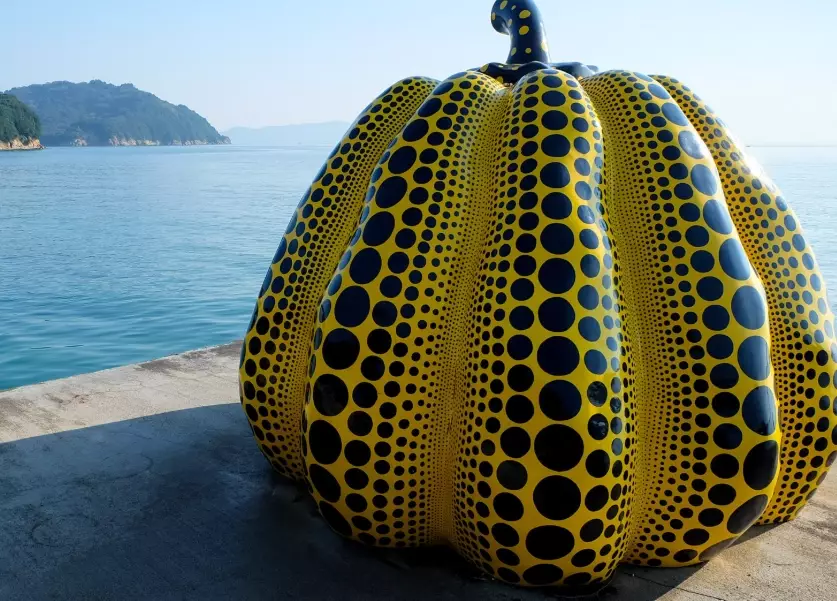
| Accommodation | Location & Address | Key Features & My Take | Approx. Price (per night) |
|---|---|---|---|
| Benesse House | Benesse Area, Gotanji | The ultimate art stay. Four buildings: Museum, Oval, Park, Beach. Oval is iconic (monorail access!) but books out a year ahead. You get after-hours museum access. It's expensive, but for a major splurge, it's unforgettable. | ¥50,000 - ¥150,000+ |
| Tsutsuji-so Lodge | Near Miyanoura Port | A simple, clean, and affordable lodge run by the Benesse group. No frills, but perfect if you just need a comfortable base. Book through the Benesse Art Site website. | ¥8,000 - ¥12,000 |
| Guesthouse & Cafe Oomiyake | Miyanoura area | A lovely, family-run guesthouse. The owner is incredibly helpful. The attached cafe serves great coffee and simple meals. This feels like staying with friends. | ¥7,000 - ¥10,000 |
| Shima-no-ie (Island House) | Honmura area | A renovated traditional house offering a true local experience. You're right in the heart of the Art House Project village. Self-catering available. | ¥15,000 - ¥25,000 (whole house) |
Naoshima's practical travel tips most blogs miss
Getting There: The main gateways are Uno Port (in Okayama Prefecture, connected by JR train) and Takamatsu Port (in Shikoku). Ferries from Uno are frequent (20-30 min). From Takamatsu, it's a longer ferry (50 min) but a scenic ride. Check the official Setouchi Tourism Authority website for the latest schedules.
Money & Food: Carry cash. Many smaller cafes, bike rentals, and art house project ticket booths do not accept credit cards. Restaurant options are limited, especially in the evening outside Miyanoura. Consider booking dinner at your accommodation or grabbing supplies from the supermarket at Miyanoura Port.
When to Go: Spring (April-May) and Autumn (October-November) are ideal. Summer (July-Sept) is brutally hot and humid. Winter is quiet and mild, but some outdoor installations or cafes may have reduced hours.
The Triennale Factor: Every three years, the Setouchi Triennale art festival transforms Naoshima and neighboring islands. It's spectacular but crowded. Accommodation books out a year in advance, and prices soar. For a first visit, a non-festival year is actually more relaxed.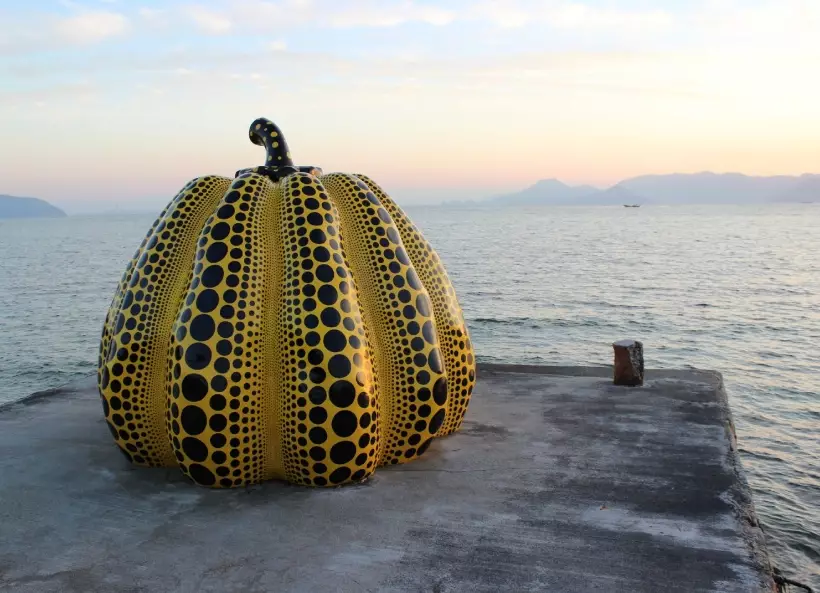

Share Your Thoughts