Standing by the Motoyasu River, the Hiroshima Peace Memorial—everyone calls it the Genbaku Dome—doesn't look like much from a distance. A skeletal ruin of brick and twisted metal. But that's the point. It's not a rebuilt castle or a polished temple. It's a raw, preserved wound in the city's heart, and visiting it is one of the most powerful experiences you can have in Japan. Most articles tell you it's a UNESCO site and that you should go. I'm here to tell you how to go, what to really pay attention to, and how to walk away feeling like you understood something, not just saw something.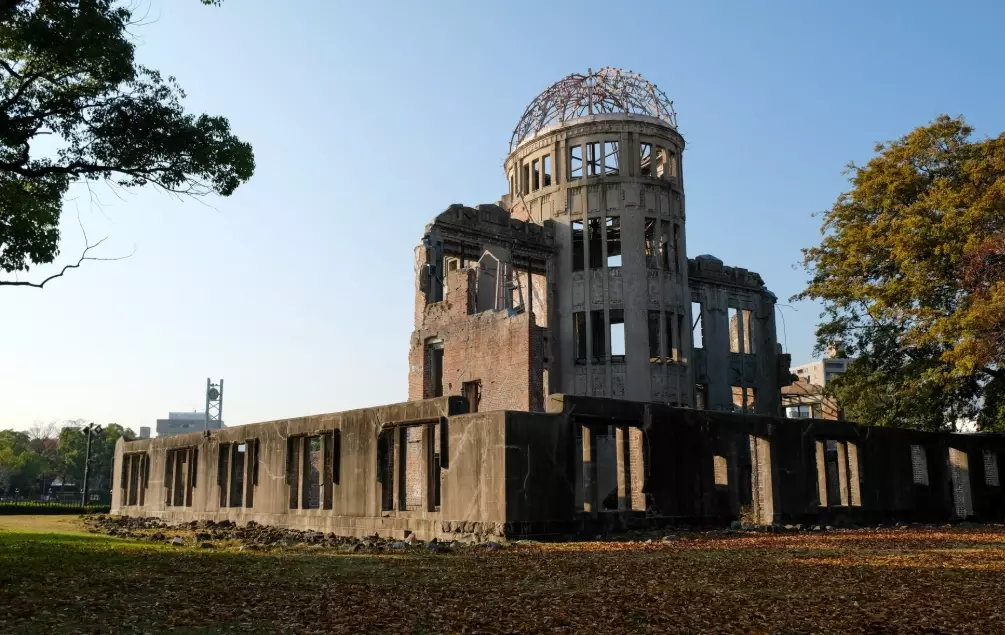
What's in This Guide?
Understanding the Site: More Than a Ruin
First, let's clear up the names. Hiroshima Peace Memorial is the official UNESCO World Heritage name for the structure. Genbaku Dome (原爆ドーム) literally means "Atomic Bomb Dome." Locals use this. A-Bomb Dome is the common English translation. It's all the same place.
Here’s what most people miss: the building wasn't some anonymous warehouse. It was the Hiroshima Prefectural Industrial Promotion Hall, designed by a Czech architect. It was a place of commerce and civic pride. When the bomb detonated almost directly above it at 8:15 am on August 6, 1945, the blast came from almost directly overhead. This vertical force is why the central dome's framework survived while everything around it was flattened. It’s a freak of physics that created this specific relic.
The real debate after the war wasn't about preserving it. Many survivors, seeing it daily, wanted it torn down—it was a painful reminder. Others fought to keep it as a stark plea for peace. That tension is still part of its story. You're not looking at a monument built to be a monument. You're looking at the epicenter of the first wartime use of a nuclear weapon, left exactly as it was found.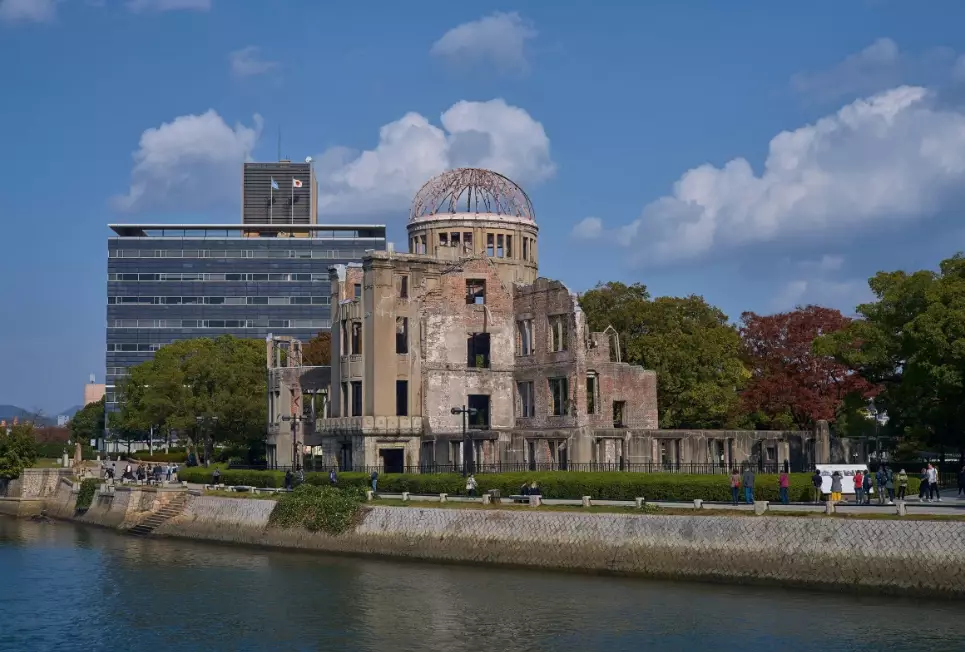
The Core Paradox
The Genbaku Dome is powerful precisely because it is not beautiful. It's ugly, broken, and unsettling. Its power lies in its refusal to be anything other than what it is: evidence. This is where tourism meets testimony. Don't try to make the visit "enjoyable." Let it be challenging.
Planning Your Visit: Tickets, Times & Getting There
Let's get practical. You can't wing this visit. A little planning makes the experience smoother and more respectful.
Essential Visitor Information
| What | Details | Notes |
|---|---|---|
| Address | 1-10 Otemachi, Naka Ward, Hiroshima, 730-0051 | It's at the north end of the Peace Memorial Park. |
| Viewing the Dome | Always accessible (exterior only), Free | Best views are from the south side of the Motoyasu River. |
| Peace Memorial Museum | 8:30 AM - 6:00 PM (Mar-Jul, Sep-Nov) / 8:30 AM - 7:00 PM (Aug) / 8:30 AM - 5:00 PM (Dec-Feb) | Last entry 30 mins before closing. Closed Dec 30-31. |
| Museum Admission | 200 yen (adults) | Unbelievably cheap. Purchase at the entrance. |
| Website | Hiroshima Peace Memorial Museum | Check for holiday closures and special notices. |
How to Get There
From Hiroshima Station, you have two easy options:
By Tram (Streetcar): This is the classic, atmospheric way. Take the Hiroden tram Line 2 or 6 bound for Miyajima-guchi. Get off at the Genbaku Dome-mae stop. The ride takes about 15 minutes and costs 200 yen. You'll step off and the Dome is right there.
On Foot: It's a 25-30 minute flat walk from the station's south exit. Walk straight down the main arcade (Hondori) until you hit the park. I often recommend walking one way. It shows you the vibrant, rebuilt city of Hiroshima before you confront its past.
If you're coming from the Hiroshima Port (for Miyajima), trams are again your friend, or it's a short taxi ride.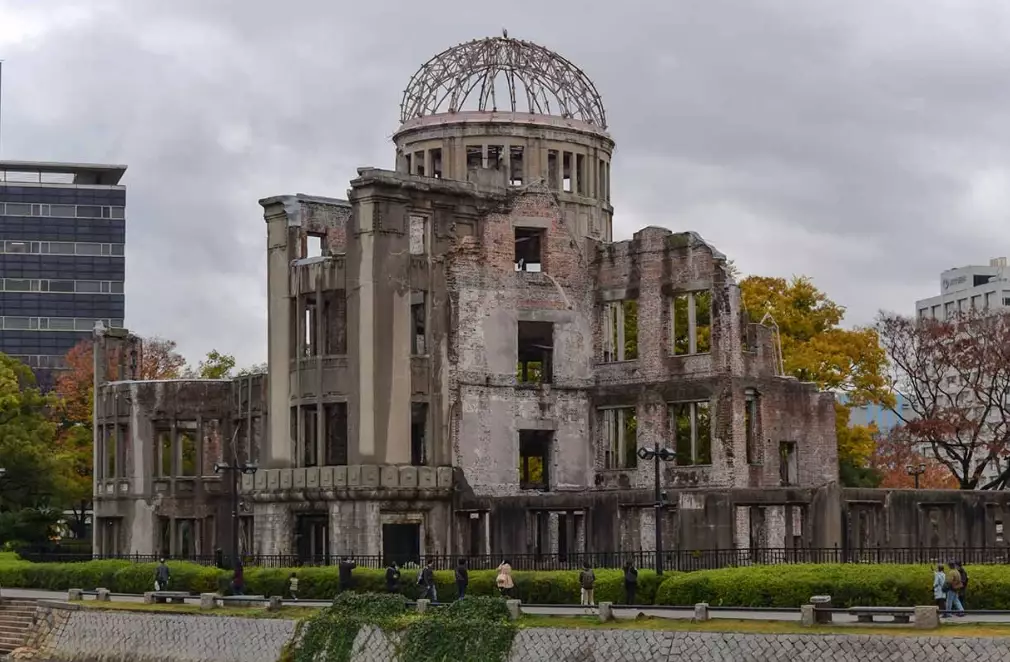
Navigating the Peace Memorial Park
The Genbaku Dome isn't isolated. It's the anchor of a vast, green space called the Peace Memorial Park. Think of the park as an open-air museum with different chapters.
The Layout: The park is laid out on a north-south axis. The Dome is at the north end. The museum is at the south end. Connecting them is a central path that passes the key monuments.
Don't just beeline from one to the other. Stop at these spots:
The Cenotaph for the A-Bomb Victims: That curved concrete structure near the museum's pond. Its arch frames a view of the Dome. Inside the stone chest is a registry with the names of all known victims. The inscription reads, "Let all the souls here rest in peace, for we shall not repeat the evil." Note the controversial wording—it doesn't specify who committed the evil, a deliberate choice to universalize the message.
The Children's Peace Monument: Inspired by Sadako Sasaki, a girl who developed leukemia and tried to fold 1,000 paper cranes. It's draped in thousands of colorful paper cranes sent by schoolchildren worldwide. It can feel crowded, but watch the kids from Japanese schools place their own strings of cranes. That's the living tradition.
The Atomic Bomb Memorial Mound: A grassy hill containing the ashes of tens of thousands of unidentified victims. It's often quieter, a place for deeper reflection.
My advice? Enter the park from the south (near the museum), walk slowly north towards the Dome. Let it loom larger in your view. The design makes you approach it.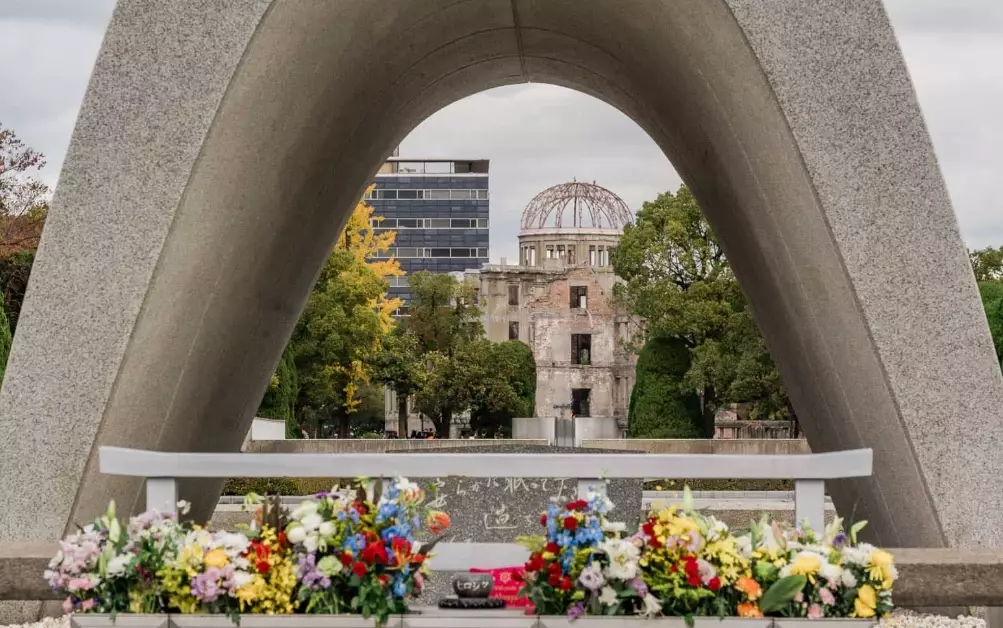
Inside the Peace Memorial Museum: A Necessary Challenge
You must go to the museum. The Dome shows the scale of destruction; the museum shows its human cost. It's not easy.
The East Wing focuses on the history of Hiroshima before the bomb, the development of nuclear weapons, and the events of August 6th. The West Wing is the hardest. It displays personal effects: a melted lunchbox, a charred school uniform, twisted metal, and haunting photographs. The narratives are blunt and personal.
Here's a tip almost no one gives: Don't try to read every single panel. You'll burn out. Pick a few artifacts or stories and really focus on them. The watch stopped at 8:15. The stone steps with a shadow burned into them by the flash. Let those specific items tell the larger story. The museum is overwhelming by design.
Also, notice who else is there. The museum is filled with Japanese students on school trips, often junior high age. Watching them grapple with this history is a profound part of the experience. It's a national classroom.
Common Mistakes and How to Avoid Them
After multiple visits and watching countless tourists, I see patterns.
Mistake 1: The Photo Sprint. People run to the Dome, take 15 photos from every angle, and leave. They treat it like a haunted house selfie spot. Fix: Put your camera down for five minutes. Just look. Look at the river. Look at the new buildings behind it. Notice the pigeons nesting in the ruined girders—life persists. Then take your photo.
Mistake 2: Treating Miyajima and the Peace Park as a Combo Deal. Travel agencies love to sell this. "See the torii gate and the A-Bomb Dome in one day!" This is a terrible idea. Miyajima is spiritually uplifting, serene, and beautiful. The Peace Park is emotionally draining, sobering, and tragic. Doing them back-to-back creates emotional whiplash and cheapens both. Fix: Give Hiroshima its own day. Stay the night. Process it.
Mistake 3: Skipping the context. The Dome is incomprehensible without the museum, and the museum is harder without knowing the park's layout. They are one integrated experience. Fix: Follow the flow: Park (South) → Museum → Walk through monuments → Dome (North).
One more personal note: The light matters. Go early in the morning or later in the afternoon. The midday sun can make the scene feel harsh and flat. In the softer light, the textures of the ruin stand out, and the reflection of the Dome in the river is clearer.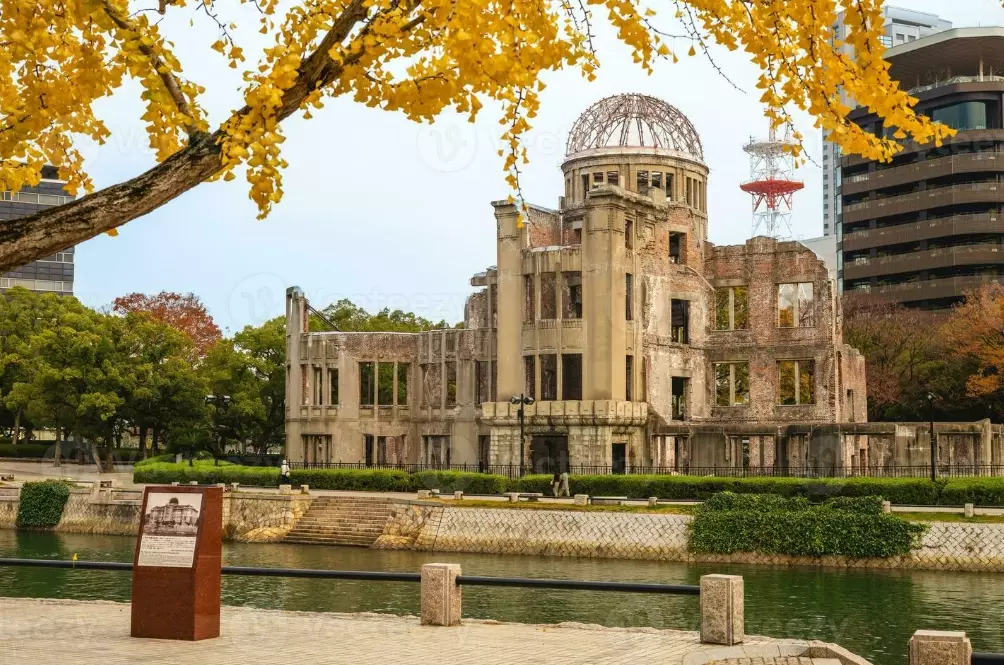
Your Questions Answered
This is a common and valid concern. Taking photos of the exterior structure from the designated viewing areas is generally considered acceptable and is a way many visitors process the experience. The key is intent and respect. Avoid smiling, victory poses, or using the site as a mere backdrop for a fashion shot. Focus on the structure itself. Photography is strictly prohibited inside the Hiroshima Peace Memorial Museum to protect the dignity of the artifacts and victims' families.
Most visitors underestimate this. Seeing just the Genbaku Dome from across the river takes 10 minutes, but that misses the point. To engage with the site meaningfully, budget a minimum of 2.5 to 3 hours. Dedicate at least 90 minutes to the Peace Memorial Museum alone—it's dense and emotional. The rest of the time can be spent at the Cenotaph, Children's Peace Monument, and simply walking the grounds to reflect. Rushing through turns a profound historical lesson into a simple photo stop.
Coming with a checklist mentality. The mistake is treating it like just another tourist attraction to 'tick off.' Visitors who rush from the Dome to the Museum to the Bell without pausing often leave feeling overwhelmed or detached. The site demands quiet contemplation. Sit on a bench. Read the inscriptions. Observe the school groups paying respects. The power isn't just in the ruined building; it's in the silent space around it, the rebuilt city framing it, and the intentional act of remembrance it forces upon you.
Logistically, yes, thanks to the Shinkansen. A bullet train from Kyoto takes about 1 hour 40 minutes. From Osaka, it's around 1 hour 30 minutes. However, I strongly advise against a rushed day trip if possible. The journey is costly (around 11,000 yen one way from Osaka), and the emotional weight of the site can be exhausting. Combining it with Miyajima in a frantic single day often leads to fatigue and a superficial experience. If you must day-trip, start very early and prioritize the Peace Park and Museum above all else. Staying one night in Hiroshima allows for a much more paced and respectful visit.
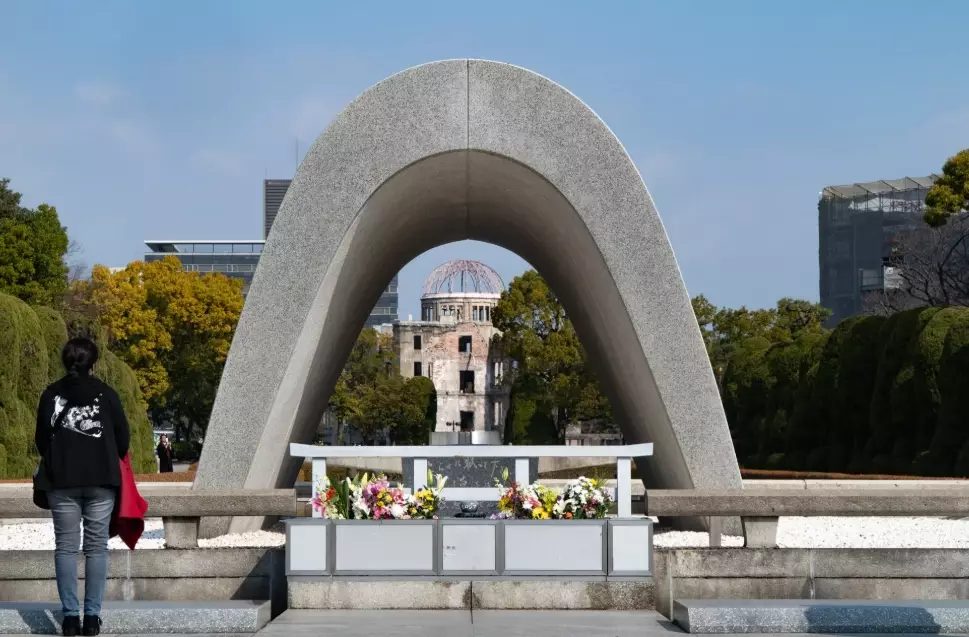 The last thing you see before you leave the park might be the Flame of Peace, burning in front of the Cenotaph. It will burn, they say, until all nuclear weapons are eliminated from the earth. You walk away then, back into the busy streets of a modern, lively city. That contrast—the permanent scar and the vibrant recovery—is the final, unspoken lesson of the Hiroshima Peace Memorial. It's not just about what was lost. It's about what persists, and what we choose to remember.

Share Your Thoughts