You're planning a trip to Japan and want to see more than just temples and sushi. You want to look up. You want to see the Milky Way arching across a pitch-black sky, something impossible in the neon glow of Tokyo or Osaka. Good call. Japan, with its mountainous terrain and remote islands, hides some of the most pristine night skies in East Asia. But finding the best place to stargaze in Japan isn't just about picking a spot on a map. It's about understanding light pollution, altitude, weather patterns, and access. I've spent over a decade chasing clear skies here, from the northern tip of Hokkaido to the southern islands of Okinawa. Let's cut through the generic lists and talk about where you should actually go, why, and how to make it happen.
Your Stargazing Journey Starts Here
- Top 5 Stargazing Spots in Japan: A Detailed Breakdown
- How to Plan Your Perfect Stargazing Trip in Japan
- Common Mistakes First-Timers Make (And How to Avoid Them)
- Your Stargazing in Japan Questions, Answered
Top 5 Stargazing Spots in Japan: A Detailed Breakdown
Forget just names. You need details you can use to plan. Here are five locations where the stars truly come out to play, ranked by the quality of darkness and overall experience.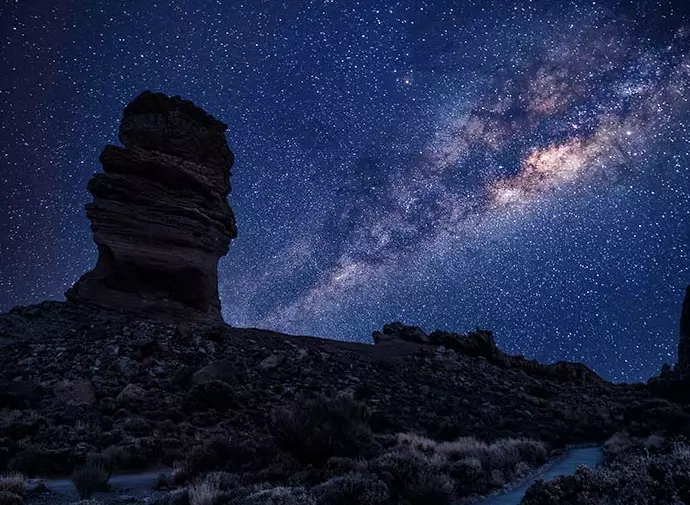
1. Iriomote-Ishigaki National Park (Yonaguni Island), Okinawa
This is the heavyweight champion for darkness in Japan. Yonaguni Island, Japan's westernmost inhabited point, is so remote that light pollution is almost non-existent. The International Dark-Sky Association hasn't certified it yet, but it should. On a clear, moonless night, the Milky Way is so bright it casts faint shadows.
Access & Logistics: Fly from Ishigaki (about 30 minutes) or take a ferry (4 hours). There are no major observatories, so it's a bring-your--own-blanket experience. Rent a car to get to the island's rugged east coast, away from the small port town. Accommodation is basic minshuku (guesthouses). The best season is autumn to spring; summer brings clouds and typhoons.
2. Achi Village, Nagano Prefecture
This is Japan's first and only International Dark Sky Park (certified in 2021). The local community actively manages light pollution, making it a model for dark sky preservation. Situated in the Southern Alps at about 1,000 meters elevation, the air is crisp and thin.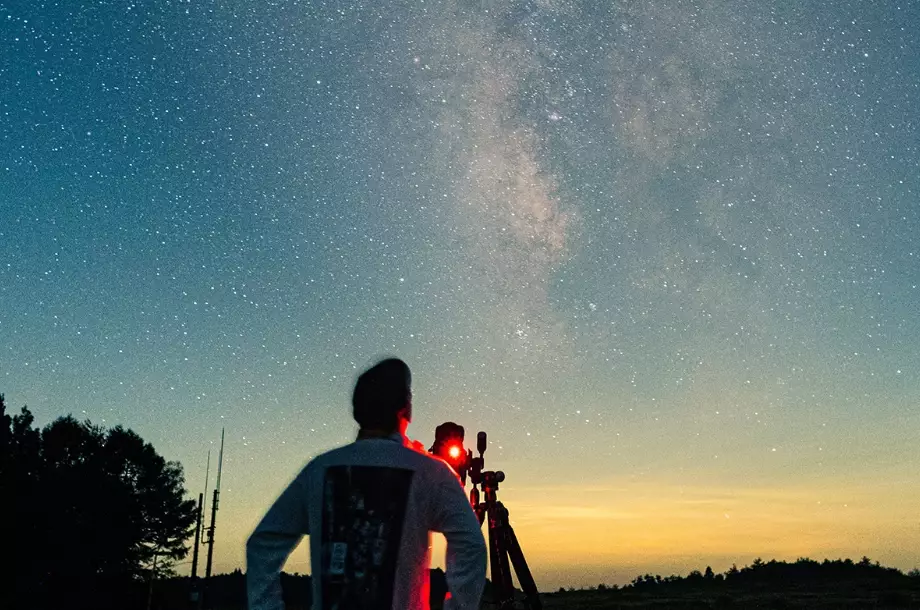
The Local Advantage: They get it. The village promotes astrotourism. You can join guided night tours that take you to optimal viewing fields. There's even a "Starlight Hostel" (Achi no Hoshi no Yado). The commitment to darkness means even the streetlights are designed to minimize upward glare.
Getting There: It's a commitment. From Tokyo, take the Shinkansen to Iida Station (about 2.5 hours), then a bus to Achi (another 1.5 hours). Having a rental car from Iida is highly recommended for flexibility. Winter offers incredible clarity but is very cold; late spring to early autumn is more comfortable.
3. Bisei Town, Okayama Prefecture
Home to the Bisei Astronomical Observatory, this town has had strict lighting ordinances since the 1980s. The observatory itself is a fantastic public facility with powerful telescopes, but the real magic is outside on their observation decks or in the surrounding countryside.
I remember a visit in November. The Pleiades cluster looked like a handful of diamonds thrown onto black velvet. The observatory staff are passionate and often give impromptu tours if it's not too busy.
Visitor Info: The Bisei Astronomical Observatory is open to the public on weekends and holidays (check their schedule). Admission is around 500 yen. There's no direct train; take a bus from Ibara Station on the JR Hakubi Line. Staying overnight in the area is key, as the last bus leaves early.
4. Fuji Five Lakes (Yamanakako or Saiko), Yamanashi
For a view that combines iconic landscape with stars, this is it. The key is to get away from the tourist hubs of Kawaguchiko. Lake Yamanakako's northern shore or Lake Saiko's western edge offer darker skies with Mount Fuji as a breathtaking silhouette.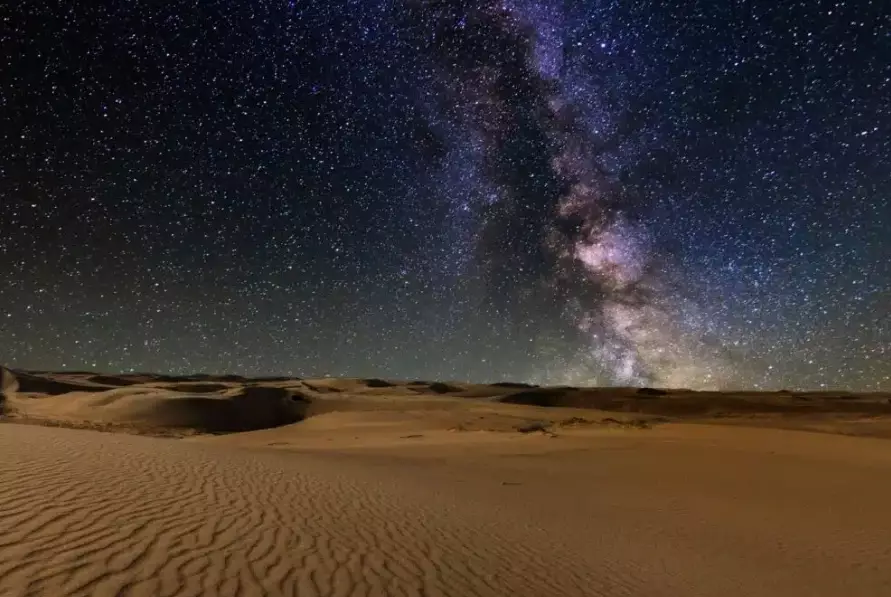
A Critical Tip: Most people go to the popular spots near Kawaguchiko Station and are disappointed by the glow from hotels and vending machines. You need to drive or cycle 5-10 km away from that center. The Fujisan World Heritage Center area can be decent, but venturing further is better.
Best Time: Winter provides the clearest skies and Fuji is snow-capped. However, it's brutally cold. Autumn is a good balance. Avoid summer weekends due to crowds and hazy skies.
5. Rikubetsu Town, Hokkaido
Known as the "town with the most stars" in Japan, Rikubetsu boasts some of the coldest, driest, and therefore clearest air in the country. It's home to the Rikubetsu Astronomical Observatory. In winter, you're combining stargazing with the possibility of seeing the Aurora Borealis, albeit faintly, on rare occasions of strong solar activity.
The Catch: It's remote and extremely cold from December to February (-20°C / -4°F is common). The observatory has a large 1.04-meter telescope and offers overnight stays for serious enthusiasts (reservations required).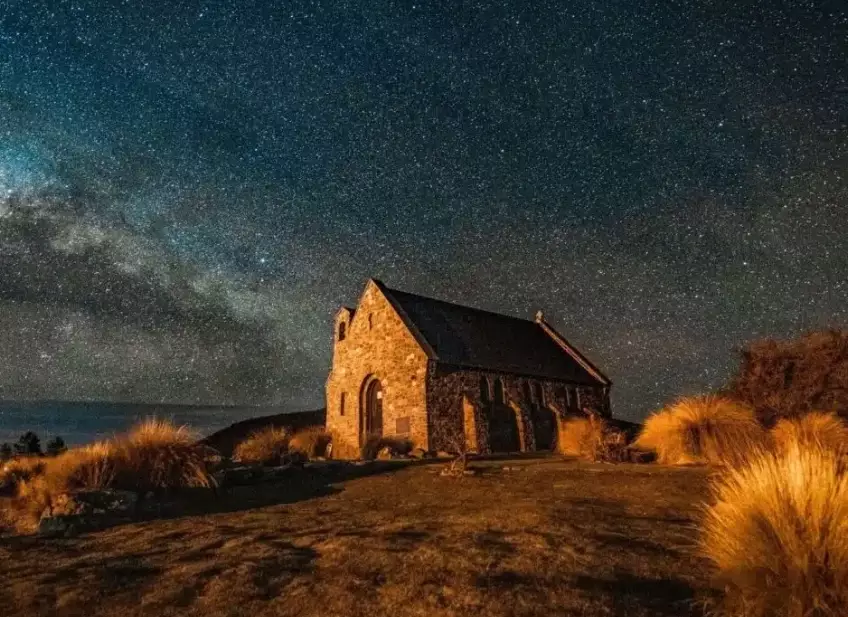
Access: Train from Kushiro or Obihiro, then a taxi or local bus. A rental car from Kushiro Airport is the most practical option. Summer offers milder weather but shorter nights.
| Location | Key Feature | Best Season | Access Tip | Level of Effort |
|---|---|---|---|---|
| Yonaguni Island, Okinawa | Darkest skies, southern stars | Oct - Apr | Flight from Ishigaki, rental car essential | High (Remote) |
| Achi Village, Nagano | IDA Dark Sky Park, community-led | May - Oct (Winter for hardcore) | Train to Iida, then bus/car | Medium-High |
| Bisei Town, Okayama | Active observatory, long-standing ordinances | Year-round (clear winter nights) | Bus from Ibara Station, stay overnight | Medium |
| Fuji Five Lakes, Yamanashi | Iconic Mt. Fuji backdrop | Oct - Feb | Drive away from Kawaguchiko center | Low-Medium |
| Rikubetsu, Hokkaido | Extremely clear cold air, aurora chance | Dec - Feb (for aurora), Aug-Sep (milder) | Train then taxi, rental car best | High (Cold/Remote) |
How to Plan Your Perfect Stargazing Trip in Japan
Picking the spot is only 30% of the battle. The other 70% is execution. Here’s what most blogs don't tell you.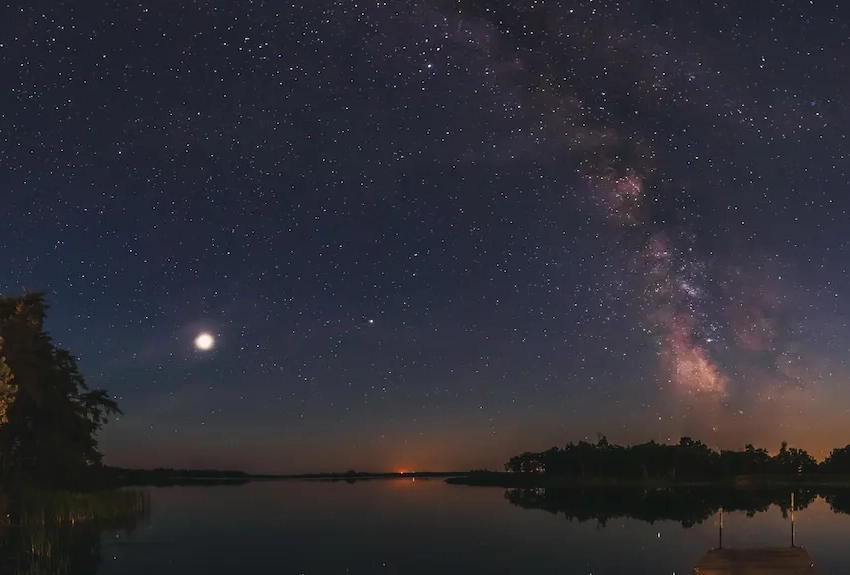
Timing is Everything: Moon Phase and Weather
Your number one priority is a moonless night. A full moon will wash out all but the brightest stars and planets. Use a moon phase calendar and aim for the week around the new moon. Secondly, Japanese weather is fickle, especially in mountainous areas. A perfectly clear day can turn into a cloudy night. Check detailed forecasts from the Japan Meteorological Agency. Look for terms like 「晴れ」 (hare, clear) or 「快晴」 (kaisei, fine). 「曇り」 (kumori) means cloudy.
Have a backup plan. If you're in Fuji for three nights and one is clear, that's a win. Don't expect to nail it on a single night.
The Gear You Actually Need (And Don't)
You don't need a $2000 telescope. In fact, bringing one as a novice on a trip is a hassle. Start with your naked eyes and a good pair of binoculars (7x50 or 10x50). They'll reveal Jupiter's moons, Saturn's rings (as a tiny oval), and countless star clusters.
A sturdy, lightweight red-light headlamp is non-negotiable. White light ruins night vision for you and everyone around you. Download a stargazing app like Stellarium or Star Walk on your phone, but set it to night mode.
Dress like it's 10 degrees Celsius colder than the forecast. You'll be stationary for hours. Thermal layers, a windproof outer shell, thick socks, and hand warmers are your friends. A reclining camp chair or a thick ground mat is a luxury that feels like a necessity.
Navigating Light Pollution Maps Like a Pro
Everyone links to the Light Pollution Map. The key is interpreting it. The dark gray, blue, and green areas are your targets. Even a green zone is vastly better than the orange and red of cities.
But here's the pro tip: Zoom in. A dark blue area might have a small village or a brightly lit convenience store (combini) right where you planned to go. Use the map's point query tool to check the specific coordinates of a parking lot or viewpoint. Look for wide, open spaces like agricultural fields, lake shores away from towns, or high mountain passes.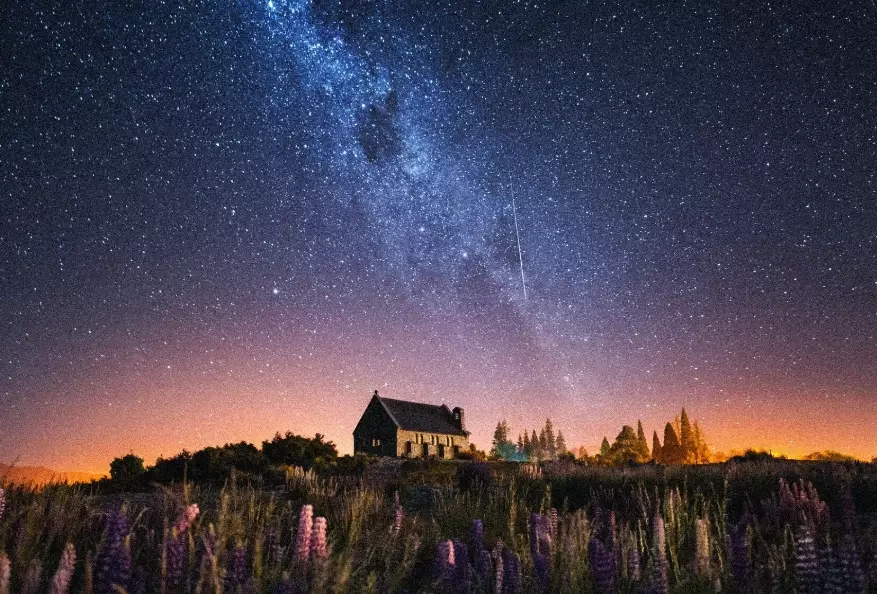
Common Mistakes First-Timers Make (And How to Avoid Them)
I've seen these errors countless times. Learn from them.
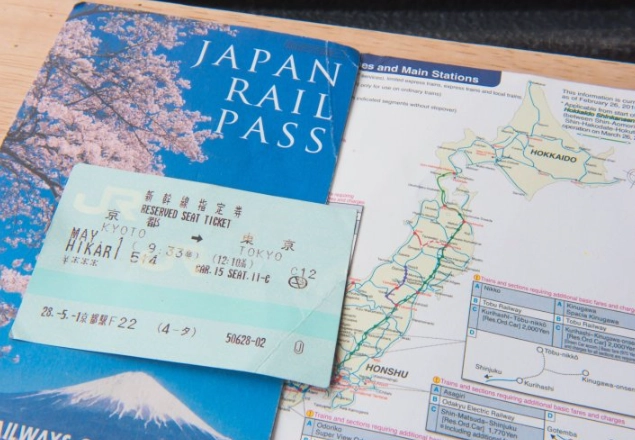
Underestimating Transportation: The best dark sky sites are not served by midnight buses or trains. Assuming you can take public transport back after stargazing is the fastest way to get stranded. You must have a plan to stay nearby (hotel, campsite, rental car to sleep in). Taxis are scarce and expensive in rural Japan.
Ignoring Local Etiquette: You're often stargazing on private farmland, near quiet villages, or in national parks. Don't trespass. Don't make excessive noise. Take all your trash. The glow from a single car door light can be seen for miles. The goodwill of locals is what keeps these places accessible.
Chasing Equipment Over Conditions: A beginner with a cheap telescope on a crystal-clear night in Achi will see infinitely more than an expert with a premium scope under the bright moon in a city suburb. Prioritize location, timing, and weather over gear.
Forgetting the Human Element: Stargazing is slow. It's quiet. It's about letting your eyes adjust and noticing more detail over 30 minutes. It's not a checklist activity. Bring hot tea, be patient, and just look up.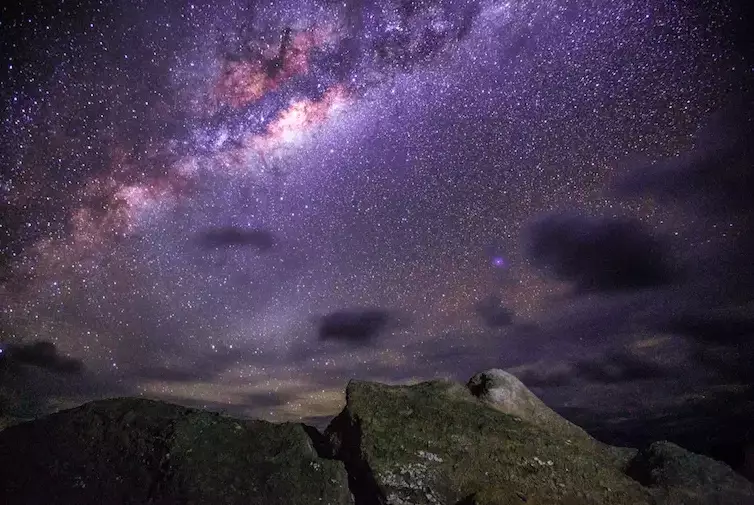
Share Your Thoughts