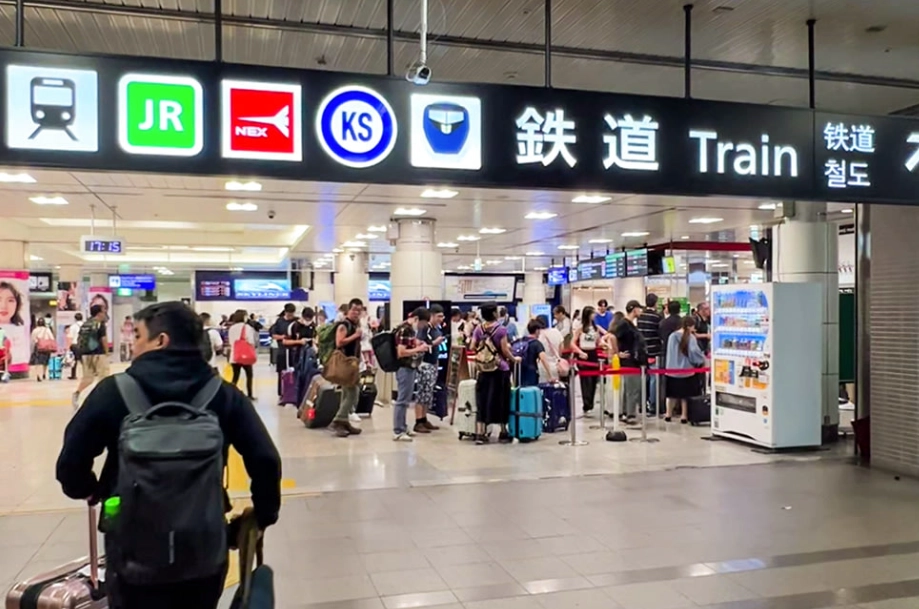
You're at a bustling Japanese train station, maybe Tokyo or Shin-Osaka. The shinkansen is about to depart. Everyone seems to be grabbing these beautifully packaged boxes from kiosks and shops. That's your first encounter with ekiben. It's not just lunch; it's a ticket to regional flavors and a centuries-old tradition that turns rail travel into a culinary adventure. Forget the soggy sandwich. In Japan, the train station itself is a destination for foodies.
Your Ekiben Journey Starts Here
- What Exactly is Ekiben? A Bite of History
- Why Ekiben is a Non-Negotiable Part of Japanese Travel
- How to Choose the Perfect Ekiben: A Step-by-Step Guide
- Where to Find the Best Ekiben: Stations & Regional Gems
- How to Eat Ekiben Like a Pro (And Avoid Common Faux Pas)
- Your Burning Ekiben Questions, Answered
What Exactly is Ekiben? A Bite of History
The word ekiben combines "eki" (station) and "bento" (boxed meal). Its origin story is charmingly simple. The first official ekiben is said to have been sold in 1885 at Utsunomiya Station—two rice balls and pickled radish, wrapped in bamboo leaves. It catered to the new class of rail travelers. Fast forward to today, and it's a gourmet industry with thousands of varieties.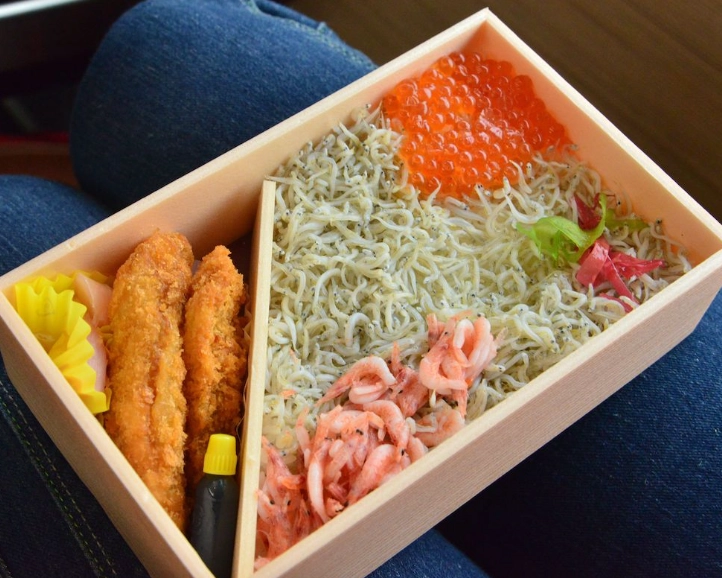
What defines a true ekiben? It's a complete, single-serving meal designed to be eaten at your train seat, usually cold or at room temperature. The magic lies in its hyper-local focus. An ekiben from Hokkaido will boast fresh crab and salmon roe. One from Miyagi features grilled beef tongue. From Kyushu, you'll get tender pork. It's a edible map of Japan.
I once made the mistake of thinking all ekiben were created equal. I grabbed the first colorful box I saw at Tokyo Station and ended up with something far too sweet for my savory palate. Lesson learned: there's an art to the selection.
Why Ekiben is a Non-Negotiable Part of Japanese Travel
You could just buy a convenience store bento. But you'd miss the point entirely.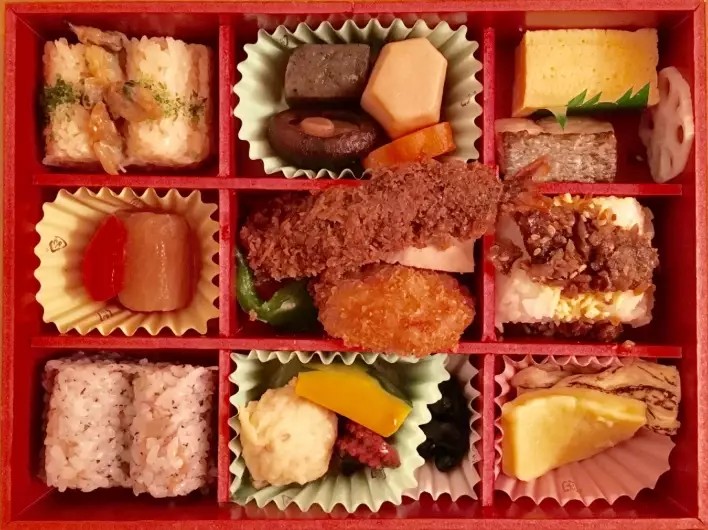
Convenience meets culture. Ekiben solves the traveler's prime dilemma: hunger vs. time. No need to hunt for a restaurant during a short transfer. You buy it on the platform and eat as the scenery flashes by. But more than that, it's a cultural ritual. Unwrapping the box, discovering the intricate layout—it's a moment of anticipation shared by millions of Japanese commuters and tourists alike.
Seasonality plays a huge role. Many ekiben are limited-edition, featuring ingredients at their peak. A spring ekiben might include bamboo shoots and cherry blossom-themed elements. In autumn, look for matsutake mushrooms. This connection to the seasons, a core tenet of Japanese cuisine, is packaged for your journey.
It's also surprisingly affordable. For typically between 1,000 to 2,500 yen ($7-$17), you get a restaurant-quality meal that reflects the soul of the region you're passing through. It's the most efficient sightseeing you can do without leaving your seat.
How to Choose the Perfect Ekiben: A Step-by-Step Guide
Facing a wall of hundreds of boxes can be paralyzing. Here's how to navigate it like a local.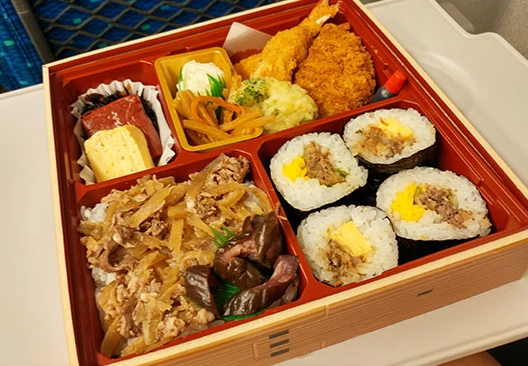
First, think about your route. Are you heading north to Hokkaido? Look for seafood. Going to the Kansai region (Osaka, Kyoto)? Perhaps a beef-based bento. The stations you stop at will sell ekiben from that prefecture and neighboring ones. It's your chance to taste a place before you even arrive.
Second, inspect the box. Most have a clear plastic window or a very accurate photo. Check the contents. Are there too many fried items that might get soggy? Is it mostly rice with a few toppings? The best ekiben have a balance: a main protein, seasoned rice, several side dishes (vegetables, pickles), and often a small dessert.
Third, consider the container. Some are disposable wood or plastic. Others, especially for premium ekiben, come in ceramic pots or lacquered boxes you can keep. These make great souvenirs, but they add weight and cost.
My personal rule: When in doubt, look for a queue. If locals are lining up for a particular ekiben shop, it's a sure bet. Also, don't shy away from the "best seller" signs—they're usually best sellers for a reason.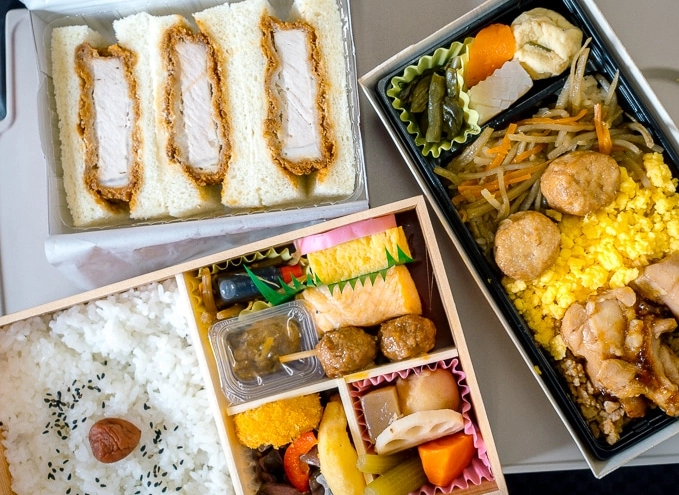
Where to Find the Best Ekiben: Stations & Regional Gems
While you can find decent ekiben at almost any major station, some are legendary. Here are specific spots you should target.
Major Hub Stations (The Ekiben Supermarkets)
Tokyo Station: The GranSta department, located in the basement of the station (the Yaesu South Exit side), is ekiben heaven. It's easy to get lost here. Look for the "Ekibenya Matsuri" shop—it's a curated collection of top sellers from across Japan. You can find almost anything, but it's crowded. Go early. Another insider tip is the shops on the shinkansen platform itself; they often have exclusive Tokyo Station-only editions.
Shin-Osaka Station: Similar to Tokyo, with a huge selection focused on Kansai and western Japan specialties. The "Osaka Ekiben" shop is a safe and excellent choice.
Ueno Station: Known for having a wide selection at slightly more accessible prices. A great spot if Tokyo Station feels overwhelming.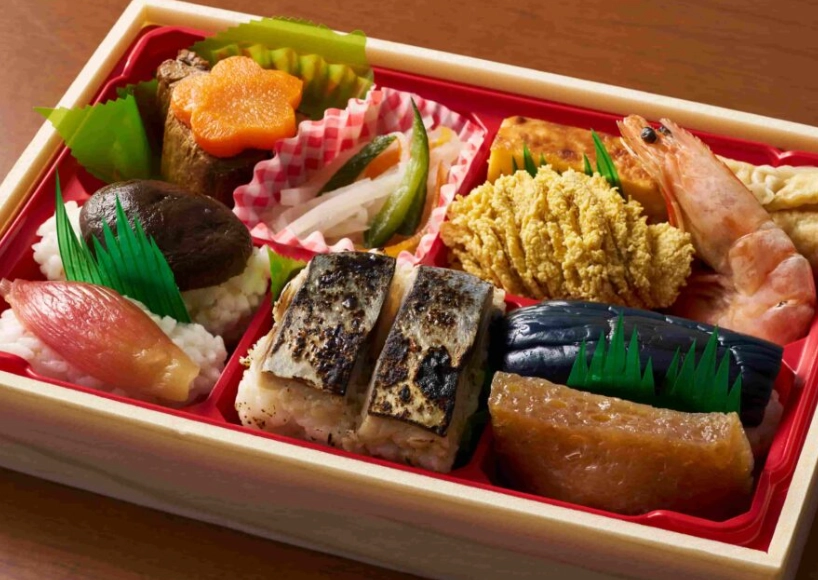
Iconic Regional Ekiben You Must Try
| Ekiben Name | Region/Station to Buy | Key Ingredients | Approx. Price | Why It's Special |
|---|---|---|---|---|
| Gyūtan Bento | Sendai Station (Miyagi) | Grilled beef tongue, barley rice, pickles | 1,300 - 1,800 yen | Sendai's famous specialty. The tongue is surprisingly tender and savory. |
| Kani Meshi | Hakodate Station (Hokkaido) | Hokkaido crab meat cooked with rice | 1,500 - 2,500 yen | The ultimate seafood luxury. Often comes in a keepsake wooden box. |
| Kuroge Wagyu Bento | Kobe Station (Hyogo) or online | Premium Japanese Black beef (steak or sukiyaki style) | 2,500 - 5,000+ yen | A splurge. The marbled beef is often cooked to perfection and melts in your mouth. |
| Tori no Kashiwa Mushi | Utsunomiya Station (Tochigi) | Steamed chicken, vegetables, and rice in a bamboo container | 1,000 - 1,400 yen | A nod to history. The steaming process keeps it moist and flavorful. |
| Shumai Bento | Yokohama Station (Kanagawa) | Multiple pork shumai dumplings, fried rice | 900 - 1,200 yen | Hearty and satisfying. Yokohama's Chinatown influence shines through. |
A common mistake tourists make is buying an ekiben for a place they've already left. If you're leaving Hokkaido, buy the Hokkaido specialty before you board the train south. Once you're at Tokyo Station, the Hokkaido selection will be smaller.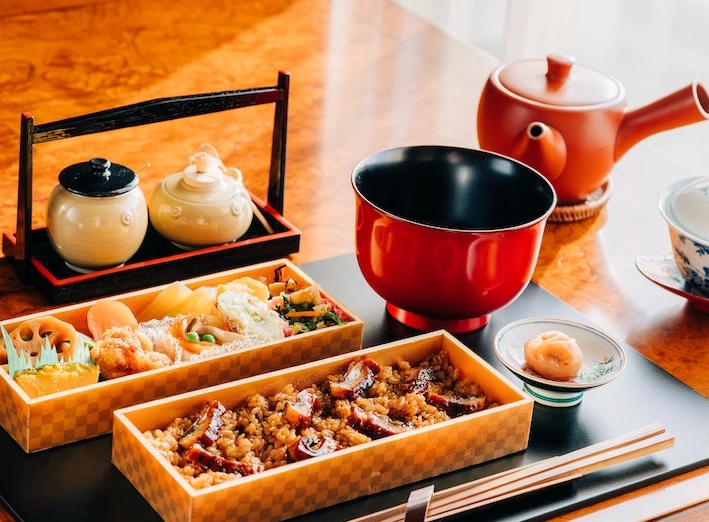
How to Eat Ekiben Like a Pro (And Avoid Common Faux Pas)
You've got your box. Now what?
Timing is everything. The unwritten rule is to start eating once the train has left the station and settled into its cruise speed. It's a shared moment. The sound of plastic wrappers rustling is the soundtrack of a Japanese bullet train journey.
Manage your trash. This is crucial. Everything is packaged to be compact. You'll usually get a small plastic bag for your wrappers and empty containers. Do not leave any trash on your seat or the floor. Take the bag with you when you leave and dispose of it in the station bins. It's a major point of etiquette.
Pair it right. While you can buy tea or coffee on the train (the cart service is charming), many travelers grab a cold beer (like an Asahi Super Dry) or a green tea from the station convenience store to enjoy with their meal. The contrast of a cold beer with a rich ekiben is a classic combination.
Don't be afraid to use your hands for some items. It's perfectly acceptable. And take a picture! The presentation is half the fun. Just be quick—your food is waiting.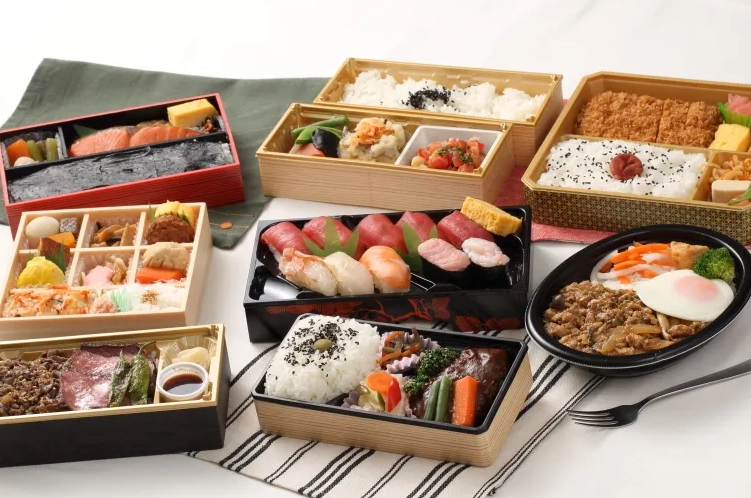
Your Burning Ekiben Questions, Answered
So next time you're in Japan, skip the overpriced train cafe sandwich. Dive into the ekiben culture. Let your taste buds travel first-class. Start at Tokyo Station, get lost in the options, pick something from a region that calls to you, and enjoy one of Japan's most delicious and portable traditions.



Share Your Thoughts