Let's be honest, when you think of Japanese food, sushi and ramen probably jump to mind first. I get it, they're everywhere. But during my last trip to Tokyo, I stumbled into this tiny, standing-only soba shop in a back alley near Shinjuku. The owner, a grumpy old man who barely acknowledged me, served the most astonishingly simple yet perfect bowl of soba I've ever had. That's when it hit me – the real magic of Japanese cuisine isn't just in the famous dishes, but in the incredible depth and variety most lists never talk about.
So I decided to dig deeper. Way deeper. This isn't just another listicle. This is a journey through the 50 most popular Japanese foods, from the global superstars to the local heroes you need to seek out. We'll go beyond "what" and into the "why" and "how" – how they taste, where to find the good stuff, and even a few things that might surprise you (not everything is a home run, in my opinion).
Think of this as your personal food map. Whether you're planning a trip, curious about cooking, or just hungry for knowledge, let's break it down.
Your Quick Guide to Japanese Foods
- Why 50 Foods? Understanding the Japanese Food Universe
- The Pillars of the Diet: Sushi & Sashimi
- The Noodle Kingdom: Ramen, Udon, Soba & More
- The World of Fried & Grilled: Hot & Crispy Delights
- The Izakaya All-Stars: Pub Food Perfection
- Rice Bowls & Everyday Staples: The Backbone
- The Soups, Stews & Hot Pots
- The Sweet Finale: Wagashi & Modern Treats
- Answering Your Burning Questions About Japanese Food
- Wrapping Up This Food Journey
Why 50 Foods? Understanding the Japanese Food Universe
Fifty might seem like a random number. It's not. It's the number that lets us move past the obvious top ten and actually explore the categories that make Japanese eating a daily adventure. We're talking about the soul-warming comfort foods, the intricate formal dishes, the salty bar snacks, and the sweet treats that define a culture obsessed with seasonal quality and precise technique.
The popularity of these dishes isn't just about taste. It's about history, region, occasion, and accessibility. A salaryman's quick lunch, a family celebration, a festival street stall – each has its champions. To make sense of it all, let's group these 50 most popular Japanese foods into logical families. It makes the whole scene less overwhelming.
The Pillars of the Diet: Sushi & Sashimi
We have to start here. It's the gateway drug for most people. But there's so much more to it than a California roll (which, by the way, you won't find in Japan).
Nigiri-zushi: The Quintessential Bite
That piece of vinegared rice topped with a slice of fish or seafood. The magic is in the balance. The rice should be body temperature, lightly seasoned with vinegar, sugar, and salt. The neta (topping) should be pristine. Top choices include maguro (tuna), sake (salmon), hamachi (yellowtail), and ebi (boiled prawn).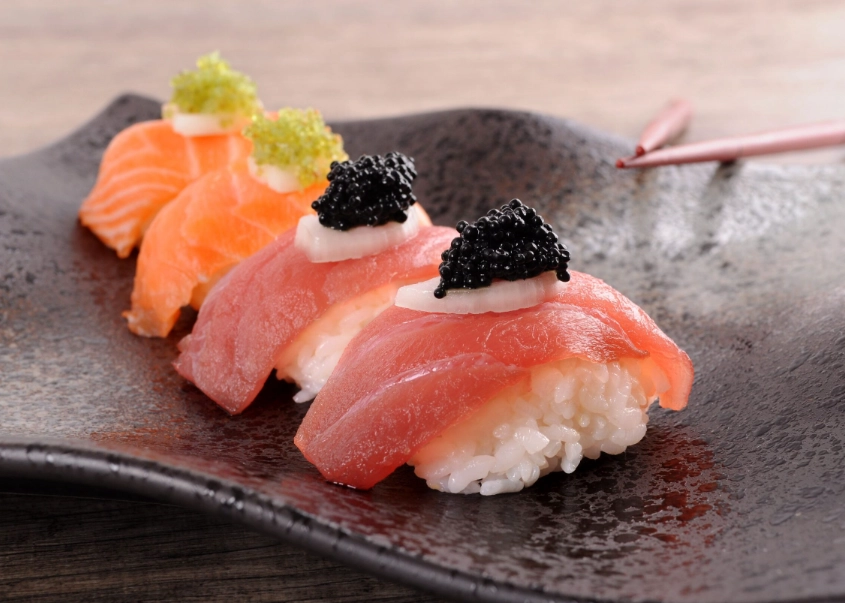
My personal nigiri test is tamagoyaki (the sweet omelette). If a sushi chef nails the tamagoyaki – sweet, layered, delicate – you know you're in a good place. A bad one is just a bland, rubbery block.
Maki-zushi: The Rolls
Nori seaweed rolled around rice and fillings. Futomaki are thick rolls with multiple ingredients, often vegetarian. Hosomaki are thin rolls, usually with just one filling like tekka (tuna) or kappa (cucumber). Then there's temaki, the hand-rolled cone you eat immediately, which is always fun and messy.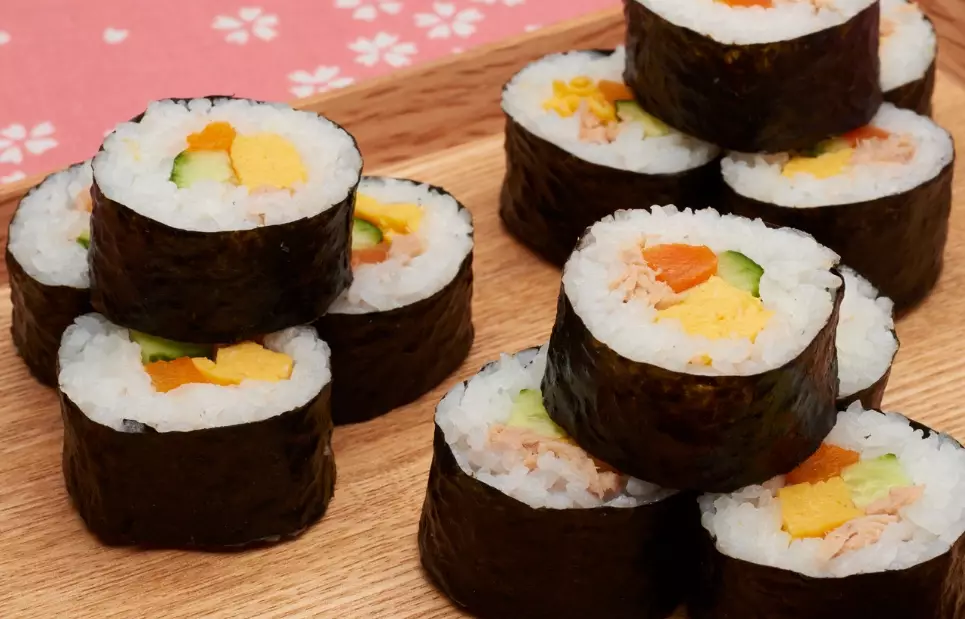
Sashimi: The Pure Expression
Just the sliced raw seafood, served with wasabi and soy sauce. This is where quality is non-negotiable. It's about tasting the ocean. Popular picks are maguro (tuna in its various fatty grades – otoro is the prized belly fat), tai (sea bream), and ika (squid).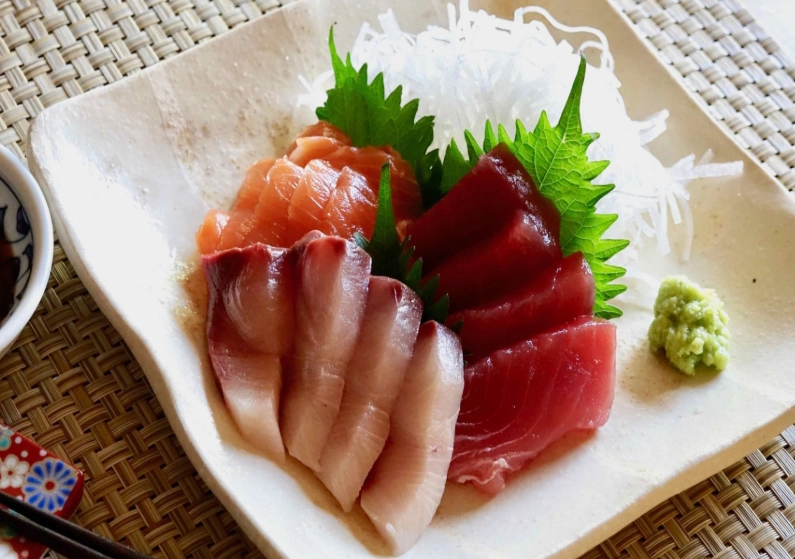
| Dish Name | What It Is (Simply) | Key Thing to Know | Best Place to Try |
|---|---|---|---|
| Nigiri-zushi | Hand-pressed vinegared rice with a topping. | Eat it in one bite. Don't drown it in soy sauce. | A reputable sushi-ya (sushi restaurant), even a good kaiten (conveyor belt) spot. |
| Chirashi-zushi | "Scattered" sushi in a bowl. | Great value, less formal, often home-style. | Lunch sets at mid-range restaurants. |
| Sashimi | Sliced raw seafood, no rice. | Izakayas (pubs) or specialty restaurants. | |
| Unagi no Kabayaki | Grilled freshwater eel with sweet sauce. |
See? Already we've moved past "sushi" into specific experiences. Unagi, for instance, is a category unto itself. That sweet, smoky, tender grilled eel over rice (unadon) is a revelatory meal, though I find it can be too sweet if the sauce is overdone.
The Noodle Kingdom: Ramen, Udon, Soba & More
If sushi is the refined art, noodles are the beating heart. This is where regionality and personal preference explode.
Ramen: The National Obsession
A bowl of ramen is a universe. The broth, the noodles, the tare (seasoning), the toppings. The main broth types are:
- Shoyu: Soy sauce-based. Clear, brown, savory. The classic Tokyo style.
- Miso: Rich, cloudy, slightly sweet and hearty. Famous in Sapporo, Hokkaido.
- Shio: Salt-based. Light, clear, lets the chicken or seafood broth shine.
- Tonkotsu: Pork bone broth, boiled for hours until creamy, white, and intensely flavorful. The king of Fukuoka.
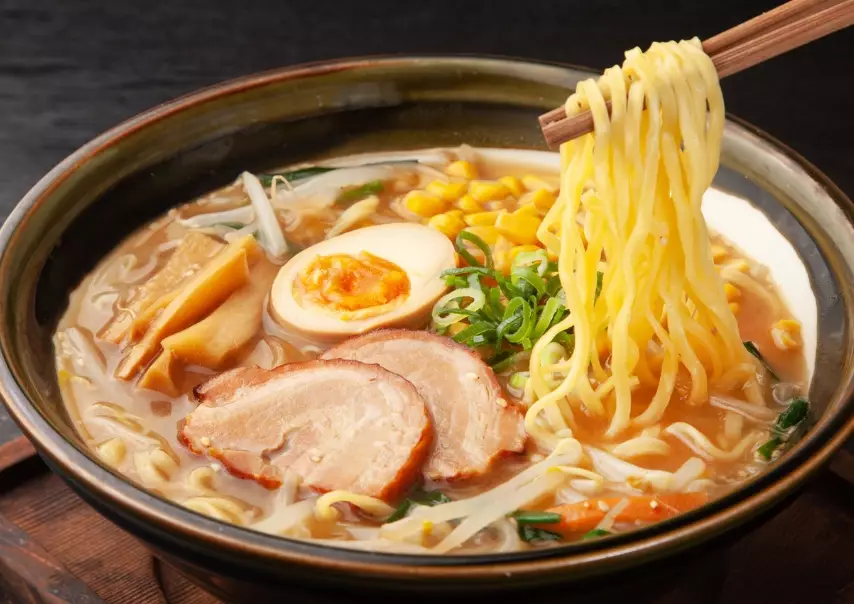
I used to be a tonkotsu die-hard. That thick, porky broth felt like a meal in itself. But lately, I've come to appreciate a delicate shio ramen. It's harder to get right – any imbalance in the broth is glaring – but when it's perfect, it's pure elegance.
Udon: The Thick & Chewy Comfort
Thick wheat noodles with a satisfying chew. They can be served hot in a mild dashi broth (like kake udon), or cold with a dipping sauce (zaru udon). My favorite is kitsune udon, topped with a sweet, simmered piece of aburaage (fried tofu pouch). It's the ultimate simple comfort food.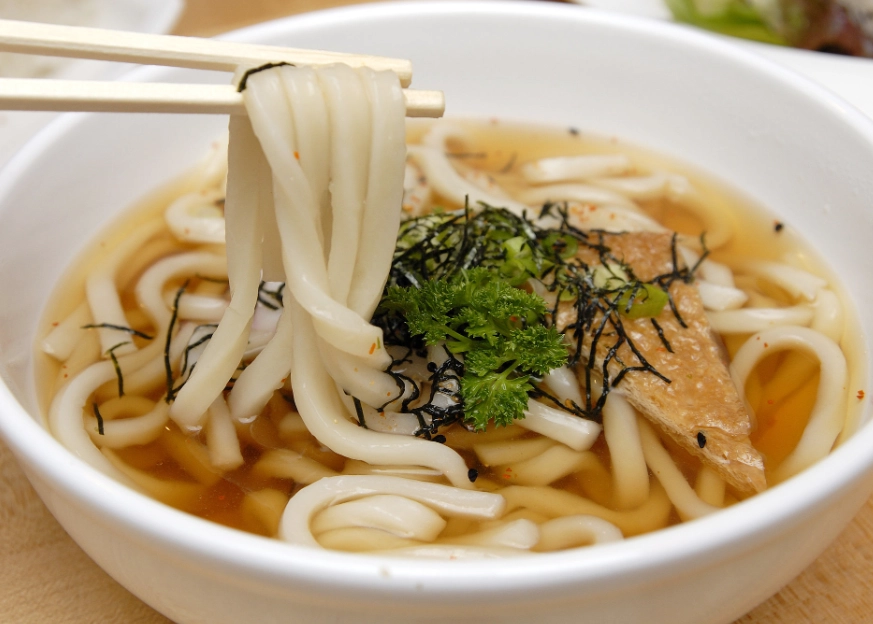
Soba: The Nutty & Refined Choice
Thin buckwheat noodles, often with a greyish-brown color and a distinctive, earthy flavor. They can be hot (in a soy-dashi broth) or cold (mori soba, zaru soba). The water you get after eating cold soba (sobayu) is often mixed with the leftover dipping sauce and drunk – it's a wonderful, warming finish.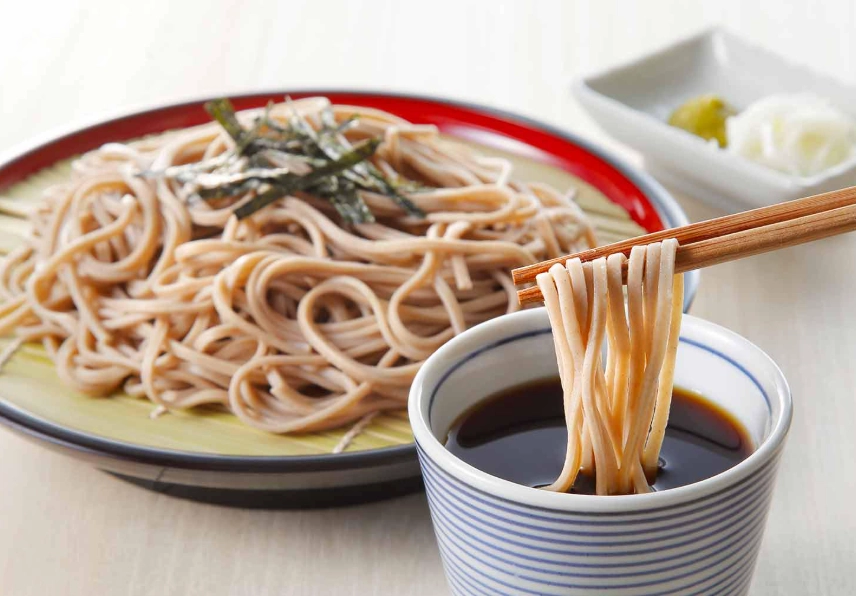
The World of Fried & Grilled: Hot & Crispy Delights
Japanese frying is a high art. It's not greasy; it's ethereally crisp.
Tempura
Seafood and vegetables coated in a light, airy batter (often iced water and low-gluten flour) and deep-fried. The result should be a crisp, lacy shell that doesn't feel heavy. Good tempura is served immediately, often with a light tentsuyu dipping sauce or just salt and daikon radish. Shrimp (ebi) is the classic, but don't ignore shiso leaves, pumpkin, or lotus root.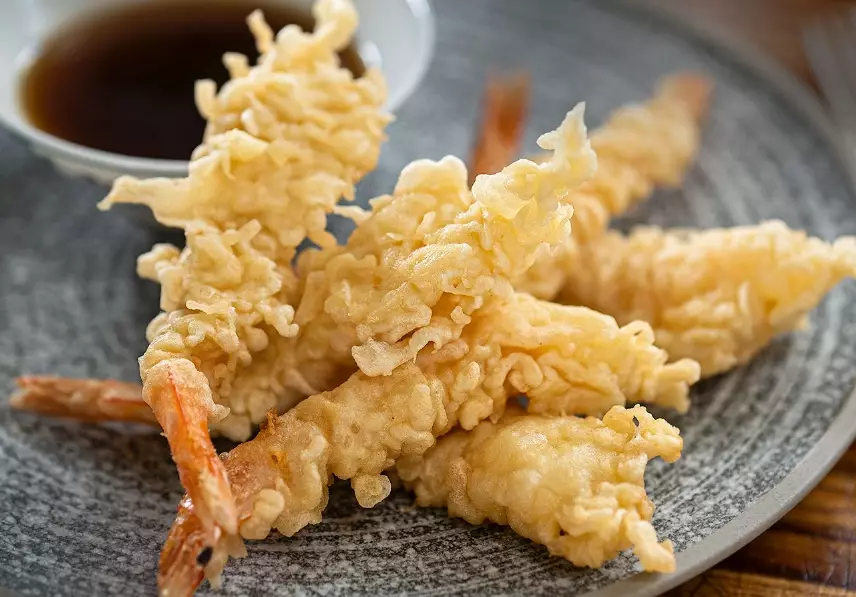
Tonkatsu
A breaded, deep-fried pork cutlet. The exterior is crisp panko breadcrumbs, the interior juicy. Served shredded cabbage, rice, miso soup, and a thick, fruity-savory tonkatsu sauce. It's a heavyweight comfort meal. There's also chicken katsu (torikatsu) and the luxury version, hire katsu (fillet).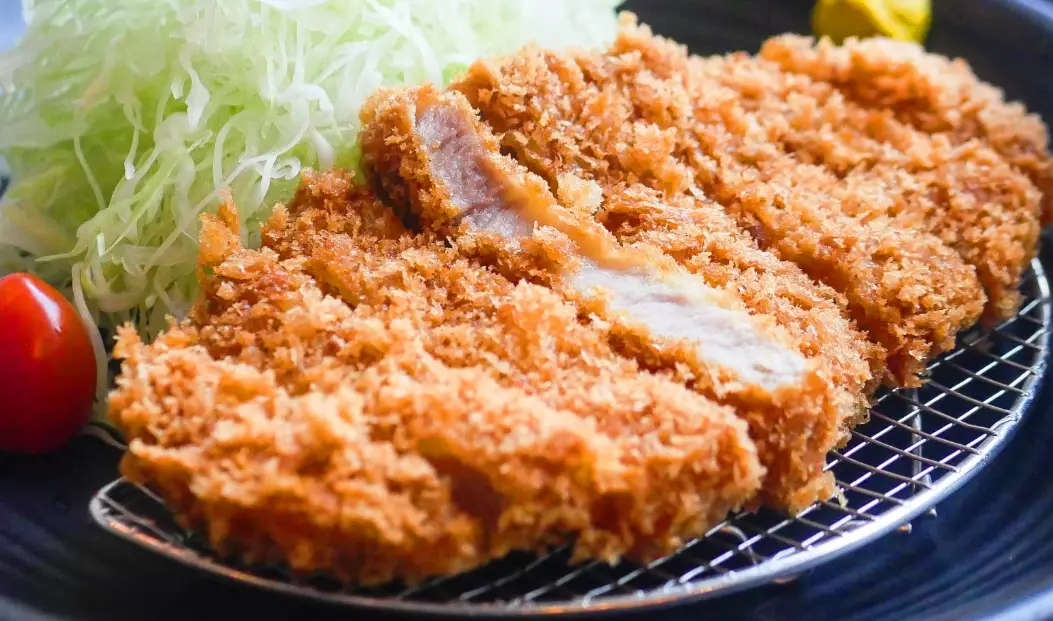
Yakitori
Skewered, grilled chicken. Every part of the bird is used. You have the classics like momo (thigh), negima (chicken and leek), and tsukune (chicken meatballs). Then you have the more adventurous ones like bonjiri (tail) or nankotsu (cartilage). They're typically seasoned with either shio (salt) or a sweet-savory tare sauce. Sitting at a smoky yakitori-ya, drinking a cold beer, is a quintessential Japanese evening.
Honestly, I find some of the organ yakitori a bit too challenging for my taste. The texture can be... particular. But the basics? Unbeatable.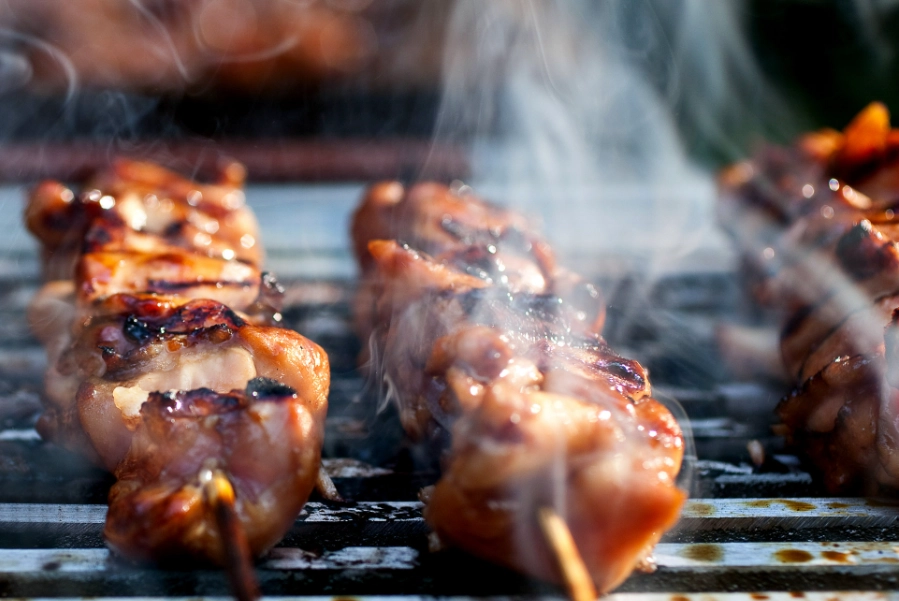
The Izakaya All-Stars: Pub Food Perfection
Izakayas are Japanese pubs. The food is meant to be shared, to be salty, and to go well with drinks. This is where you find some of the most fun and social dishes.
- Edamame: Steamed young soybeans sprinkled with salt. The ultimate starter.
- Karaage: Japanese-style fried chicken. Marinated in soy, ginger, garlic, then lightly battered and fried. Juicy, flavorful, addictive.
- Gyoza: Pan-fried dumplings (though they can be steamed or deep-fried) filled with pork, cabbage, garlic, and ginger. The crispy bottom (the "wing") is the best part.
- Takoyaki: Osaka's famous ball-shaped snacks. A wheat batter filled with diced octopus (tako), tempura scraps, and green onion, cooked in a special pan, slathered with sauce, mayo, and bonito flakes. They're piping hot, creamy inside, and a must-try street food.
- Okonomiyaki: The "as-you-like-it" savory pancake. A batter with cabbage, meat/seafood, topped with sauce, mayo, seaweed, and bonito. In Osaka, it's mixed and grilled. In Hiroshima, it's layered with noodles and an egg. A messy, delicious, interactive meal.
Okonomiyaki is a personal favorite. There's something so satisfying about cooking it yourself on the table grill (at a dedicated restaurant). The Hiroshima style, with its layers of noodles, is a monster of a meal – in a good way.
Rice Bowls & Everyday Staples: The Backbone
This is what people actually eat for lunch or a quick dinner. Simple, satisfying, and deeply comforting.
Donburi (Rice Bowls)
A large bowl of rice with a topping.
- Gyudon: Thinly sliced beef and onion simmered in a sweet-soy sauce over rice. The fast-food champion. Chains like Yoshinoya and Sukiya serve this 24/7.
- Oyakodon: "Parent-and-child" bowl. Chicken and egg cooked in a dashi-soy broth, served over rice. Silky, savory, homey.
- Katsudon: A tonkatsu cutlet simmered with egg and onion, served over rice. Often eaten by students before exams for good luck ("katsu" means "to win").
- Tendon: Tempura served over rice, often with a slightly sweet tentsuyu sauce poured over.
Curry Rice (Kare Raisu)
Japanese curry is a world apart from Indian or Thai curry. It's thicker, sweeter, less spicy, and more like a savory stew. It usually contains meat (pork, beef, chicken) and vegetables like potatoes, carrots, and onions. Served with rice and often accompanied by fukujinzuke (pickled vegetables). It's the ultimate comfort food for kids and adults alike. You can get it from cheap chains like Coco Ichibanya or make it at home from roux blocks.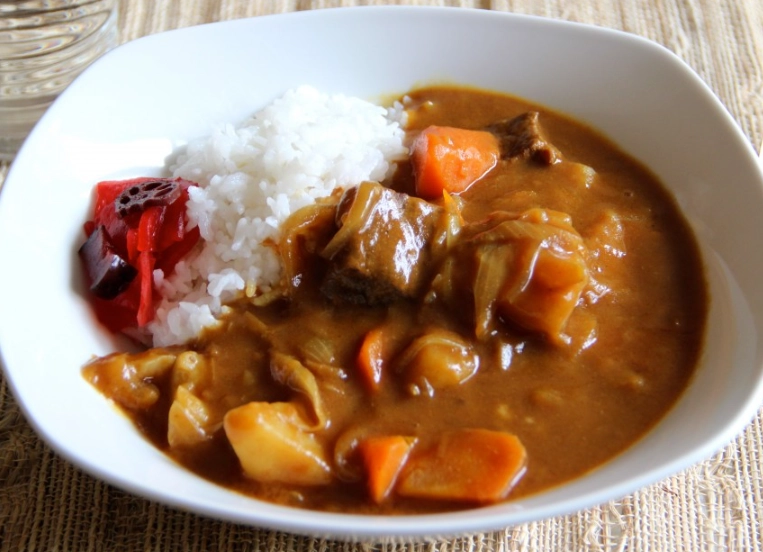
I have a love-hate relationship with the mass-market curry roux blocks. They're convenient and taste fine, but they can be one-note. A from-scratch Japanese curry, while more work, has a depth of flavor the blocks can't match.
The Soups, Stews & Hot Pots
For communal eating and cold weather.
- Miso Soup: The breakfast staple. Dashi broth with dissolved miso paste, containing tofu, wakame seaweed, and green onion. It's the soul of a Japanese meal.
- Nikujaga: A home-style stew of meat (usually beef), potatoes, carrots, and konnyaku noodles simmered in a sweet-soy broth. The definition of "mother's cooking."
- Sukiyaki: A celebratory hot pot. Thinly sliced beef, vegetables, tofu, and shirataki noodles cooked in a shallow iron pot in a sweet soy and sugar broth (warishita). The cooked item is dipped in raw beaten egg before eating – it creates a rich, creamy coating that's incredible.
- Shabu-Shabu: Another hot pot. Paper-thin slices of meat (often high-quality pork or beef) are swished ("shabu shabu") in a pot of boiling kombu dashi to cook, then dipped in ponzu (citrus-soy) or goma (sesame) sauce. Lighter and more refined than sukiyaki.
The Sweet Finale: Wagashi & Modern Treats
Japanese sweets (wagashi) are often less sweet than Western desserts, emphasizing seasonal ingredients and beautiful presentation.
- Mochi: Chewy rice cakes. Can be plain, filled with sweet red bean paste (daifuku), or grilled and wrapped in nori with soy sauce (isobe-mochi).
- Dorayaki: Two small pancake-like patties sandwiching sweet red bean paste. Doraemon's favorite!
- Taiyaki: A fish-shaped cake (usually filled with red bean paste, but also custard or chocolate). A warm, comforting street snack.
- Matcha-based Desserts: From matcha ice cream (rich, bitter, perfect) to matcha parfaits and matcha latte. The vibrant green powder is everywhere.
- Kakigori: Shaved ice dessert, fluffier than snow, topped with syrups (like strawberry, melon) or condensed milk. A summer festival essential.
My advice? Don't expect wagashi to taste like a chocolate cake. Appreciate them for their subtlety, texture, and artistry. A perfect piece of mochi with just the right amount of anko (red bean paste) is a small miracle.
Answering Your Burning Questions About Japanese Food
Wrapping Up This Food Journey
Phew. That was a lot. But that's the point – Japanese food is a vast, deep ocean. This guide to the 50 most popular Japanese foods just scratches the surface of each dish. The real joy is in the exploration: trying that strange-looking pickled vegetable, venturing into the local izakaya, or seeking out the regional specialty of whatever town you're in.
Remember, this list of 50 most popular Japanese food isn't a checklist to conquer. It's a map to a richer, more delicious experience. Start with what calls to you – maybe the crisp bite of tempura or the rich broth of a tonkotsu ramen. Then let your curiosity lead you to the next thing, and the next. Before you know it, you'll have your own personal favorites and stories, far beyond any list.
Now, go eat.

Share Your Thoughts