You're at a bustling Japanese train station, maybe Tokyo or Kyoto, and the smell of fresh rice and grilled fish hits you. Rows of colorful boxes stare back from glass cases. That's Ekiben bento, and if you're like me on my first trip, you're overwhelmed. What is this stuff? Why is it such a big deal? Let's cut through the noise. Ekiben isn't just food; it's a travel companion, a regional showcase, and for many, the highlight of a train journey across Japan. I've spent years hopping trains and tasting these boxes, and I'm here to give you the real scoop—no fluff, just what you need to know.
Jump to What Matters
What Exactly is Ekiben Bento?
Ekiben, short for "ekiben" (station bento), is a pre-packaged meal sold at train stations in Japan. It started in the late 1800s with the rise of railways, offering travelers a convenient way to eat on long trips. Think of it as a cultural artifact—each box tells a story of its region. Unlike convenience store bento, Ekiben often uses local ingredients and traditional recipes. I remember buying one from Sendai Station; it had grilled beef tongue, a local specialty, and it was a game-changer. The quality is usually higher, with prices ranging from ¥800 to ¥2,500 depending on the contents.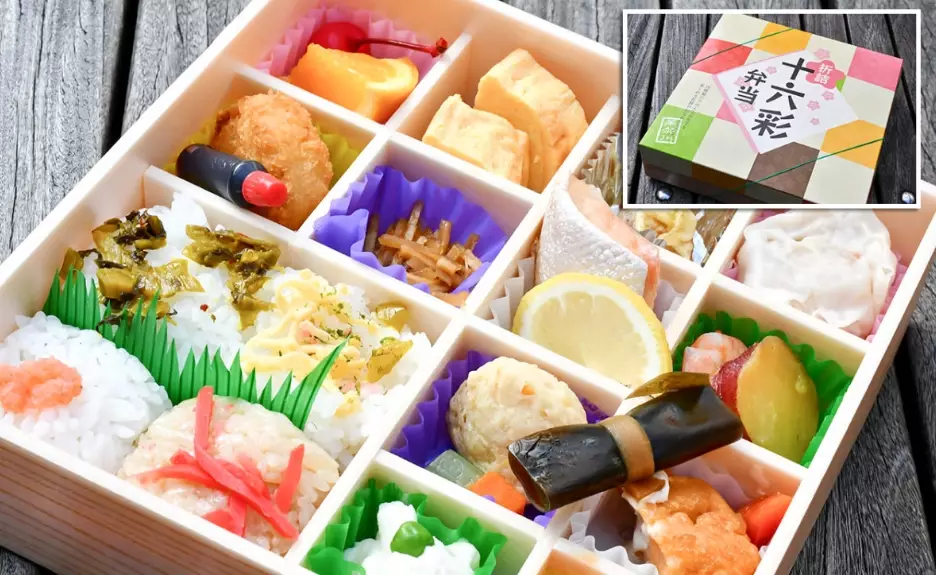
Why does it matter? For travelers, it solves the hunger problem without leaving the station. For foodies, it's a cheap way to taste regional cuisine. But here's a nuance: not all Ekiben are created equal. Some are mass-produced, while others are handcrafted by local artisans. The Japan Railway Group, or JR, often collaborates with regional producers, as noted in their tourism promotions. Look for boxes with "meibutsu" (famous product) labels—they're typically the real deal.
The Art of Ekiben: Regional Varieties and Must-Try Styles
Japan's diverse regions mean Ekiben variety is insane. From Hokkaido's seafood to Kyushu's pork, there's a box for every palate. Let me break down a few standouts.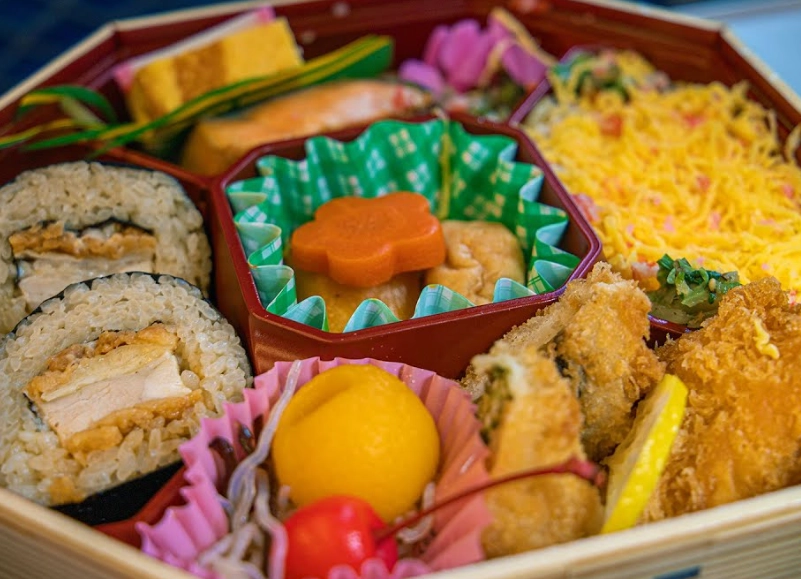
Hokkaido: If you love seafood, this is your heaven. The "Kaisen Bento" from Hakodate Station packs fresh crab, salmon, and sea urchin. It's pricey, around ¥1,800, but worth it. I tried one last winter, and the uni was so creamy it felt indulgent.
Kansai (Osaka/Kyoto): Here, you get more refined options. Kyoto's "Shojin Bento" is vegetarian, based on temple cuisine, with tofu and seasonal veggies. Around ¥1,200. In Osaka, look for "kushikatsu" (fried skewer) bento—hearty and fried to perfection.
Kyushu: Famous for "tonkotsu" (pork broth) ramen, but in bento form, try the "Kurobuta Bento" from Kagoshima. It features black pork cutlets, tender and juicy. Costs about ¥1,500.
A common pitfall? Assuming all Ekiben are healthy. Many are heavy on fried items or salty sauces. If you're watching your diet, go for steamed or grilled varieties. I once grabbed a tempura bento from Nagoya, and by the end, I felt like I'd eaten a whole fryer.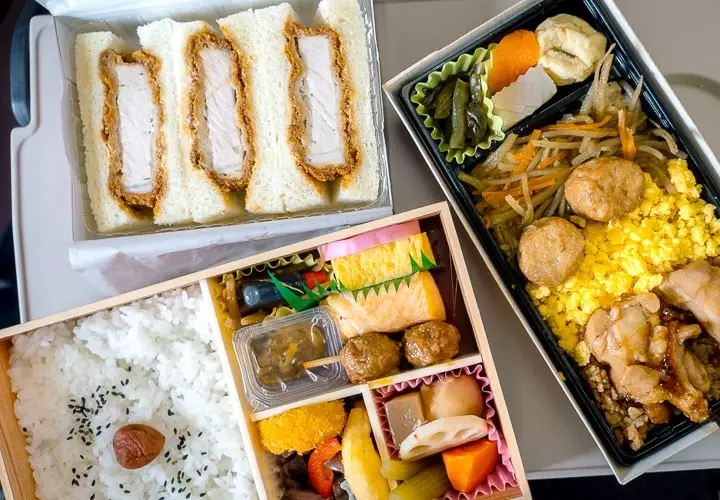
Where to Find the Best Ekiben in Japan: A Curated List
Finding good Ekiben isn't hard, but knowing where to look saves time. Based on my travels, here are five shops that consistently deliver. I've included specifics so you can plan your stop.
| Shop Name | Location (Station) | Specialty Bento | Price Range | Hours |
|---|---|---|---|---|
| Ekibenya Matsuri | Tokyo Station, 1-9-1 Marunouchi, Chiyoda City, Tokyo | Kaisen Bento (mixed seafood) | ¥1,200 - ¥1,800 | 7:00 - 21:00 daily |
| Bento no Kamakura | Kamakura Station, 1-1-1 Komachi, Kamakura City, Kanagawa | Shirasu Bento (whitebait fish) | ¥900 - ¥1,300 | 8:00 - 19:00 (closed Wed) |
| Kyoto Ekiben Issen | Kyoto Station, 901 Higashishiokojicho, Shimogyo Ward, Kyoto | Yudofu Bento (tofu hot pot style) | ¥1,000 - ¥1,500 | 9:00 - 20:00 daily |
| Hakata Ekiben Center | Hakata Station, 1-1 Hakataekichuo, Fukuoka City, Fukuoka | Mentaiko Bento (spicy cod roe) | ¥1,100 - ¥1,600 | 6:30 - 22:00 daily |
| Sapporo Station Bento Corner | Sapporo Station, 6-5-1 Kita 5 Jonishi, Chuo Ward, Sapporo, Hokkaido | Jingisukan Bento (grilled lamb) | ¥1,400 - ¥2,000 | 8:00 - 20:00 daily |
Tokyo Station is a hub, but it can be chaotic. Go to the "Gransta" area underground—it's less crowded. At Kyoto Station, head to the "The Cube" shopping area. Pro tip: many shops offer samples, so don't be shy to ask. I sampled three bento at Hakata before settling on the mentaiko one; it was spicy but addictive.
If you're on a budget, look for "ekiben corners" in department stores like Isetan or Takashimaya. They often have discounted boxes after 6 PM. But freshness might be a concern—I've bought a reduced-price bento that tasted a bit stale.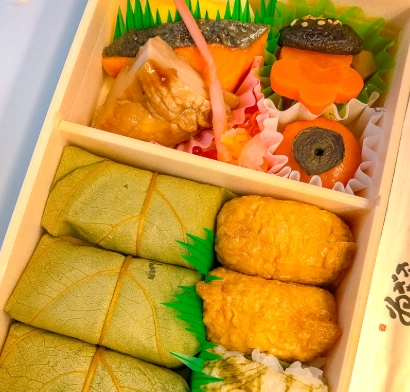
How to Enjoy Ekiben Like a Local: Tips and Etiquette
Eating Ekiben isn't rocket science, but a few tricks enhance the experience. First, timing. Buy it just before your train departs to keep it fresh. On the train, find your seat, unpack the box, and use the provided chopsticks or fork. Most Ekiben come with wet wipes—use them.
Here's something most guides miss: the order of eating. Start with the rice to appreciate the flavors, then move to side dishes. If it's a layered bento, like a "masu" (wooden box) style, mix the contents gently. I once devoured the fish first and ended up with plain rice, which was boring.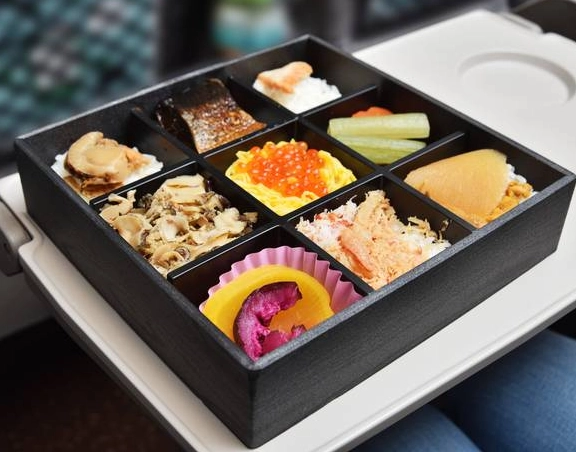
Disposal is key. Trains have trash bins at the ends of cars, but separate burnable and non-burnable items. The packaging can be elaborate—some boxes are collectibles. I keep the wrappers as souvenirs, but that's just me.
What about drinks? Pair Ekiben with green tea or a local beer. Many stations sell "jizake" (local sake) in small bottles. Avoid strong sodas; they can overpower delicate flavors. On a Shinkansen from Tokyo to Osaka, I sipped cold barley tea with my bento, and it balanced the saltiness perfectly.
Common Mistakes to Avoid When Buying Ekiben
Even seasoned travelers slip up. Let's cover the big ones.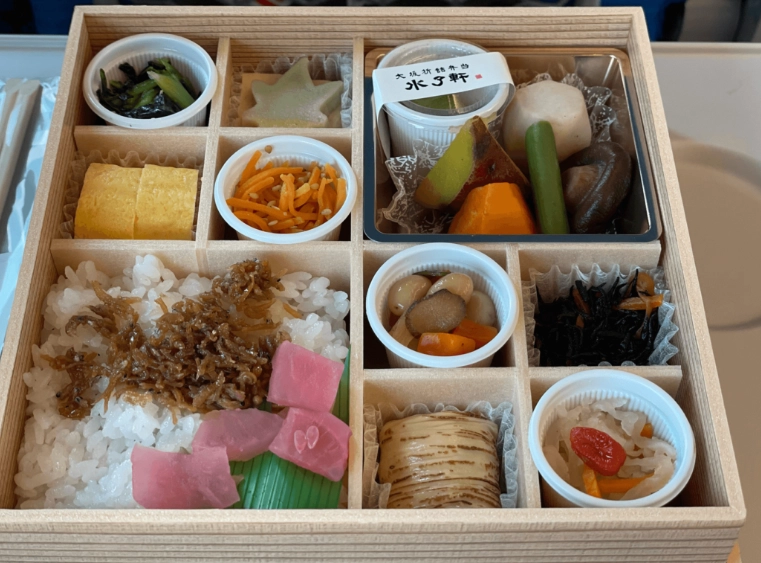
- Ignoring seasonality: Ekiben often feature seasonal ingredients. Buying a summer bento in winter might mean missing out on fresh bamboo shoots. Check for "shun" (in-season) labels.
- Overlooking microwave instructions: Some Ekiben are meant to be eaten cold, others heated. If it says "reheat possible," use station microwaves—they're usually near the shops. I once tried to microwave a plastic-wrapped bento and melted the wrap. Messy.
- Assuming all are portable: Fancy Ekiben might have loose items or soups. Ask for extra securing if you're taking it on a bumpy ride. A friend spilled miso soup all over her seat because she didn't check.
- Not considering travel time: If your trip is short, opt for easy-to-eat bento. Complex ones with multiple compartments can be a hassle on a 30-minute ride.
My personal gripe? Some Ekiben are overhyped. The famous "Beef Bento" from Kobe Station cost me ¥2,500 and was just okay—the beef was tender, but the portion was small. Don't fall for every recommendation; read recent reviews or ask locals.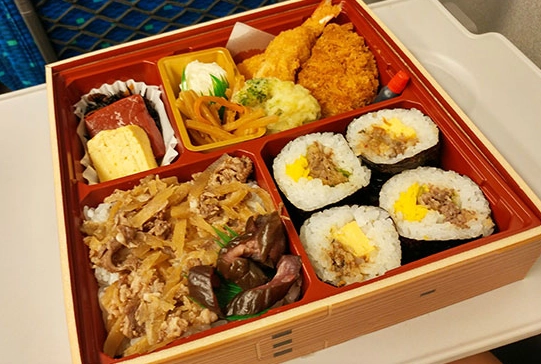
Frequently Asked Questions About Ekiben Bento
Ekiben bento is more than a meal; it's a slice of Japan on the go. Whether you're a first-time visitor or a frequent traveler, diving into this world adds depth to your journey. Start with a simple bento from a local station, and you might just find yourself planning trips around it. I know I do—last month, I took a detour to Yamagata just for their cherry blossom-themed Ekiben. Worth every bite.


Share Your Thoughts