Quick Guide
Let's be real. Planning a trip to Tokyo can feel overwhelming. The city is massive, the train map looks like a bowl of colorful spaghetti, and there's just too much to see. I remember my first time staring at a guidebook, completely paralyzed by choice. Should I go to Shinjuku or Shibuya first? Is a day trip to Kamakura worth it? How do I even begin to fit everything into a short visit?
After more trips than I can count and helping countless friends plan theirs, I've distilled it down to what I genuinely believe is the perfect blueprint. This isn't just a list of places. It's a tested, logical flow that balances iconic sights with local vibes, manages your energy, and yes, includes plenty of incredible food. Think of this as your friendly, slightly opinionated local friend walking you through it.
So, if you've got four days in Tokyo and want to experience the classic postcard moments alongside some authentic local flavor, you're in the right place. This Tokyo itinerary 4 days plan is designed for first-timers, but it's got enough depth that even repeat visitors might find a new gem or two.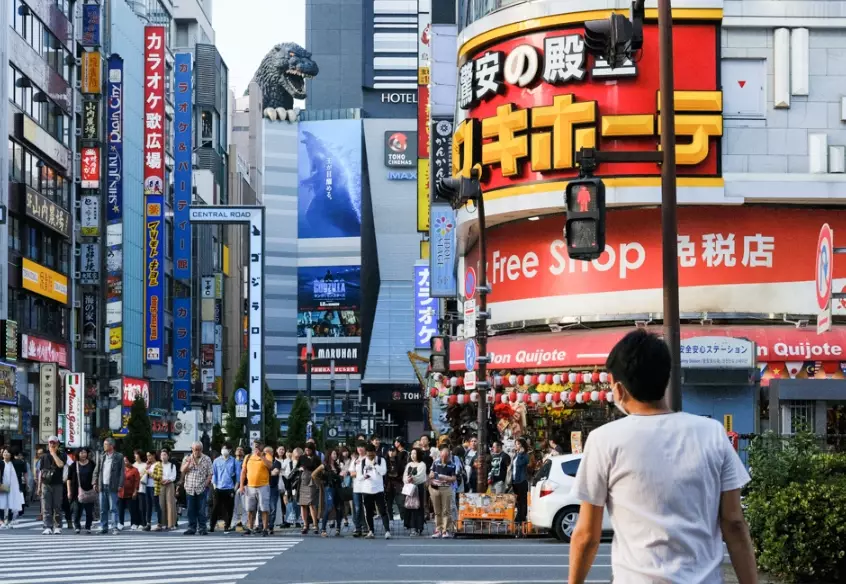
Before You Go: The Non-Negotiable Basics
Okay, before we jump into the day-by-day breakdown, let's get some housekeeping out of the way. Skipping this is like trying to bake a cake without preheating the oven. It just leads to a messy middle.
Transport: Suica or Pasmo Card. Forget buying individual tickets. Get a rechargeable IC card like Suica or Pasmo as soon as you land at Narita or Haneda. You tap it for nearly all trains, subways, and buses, and even at many convenience stores and vending machines. It's seamless. The official Suica page from JR East has all the details. Just load it with about 2000 yen to start.
Cash is Still King (Mostly). While credit cards are more common now, you'll still need cash for smaller restaurants, street food, temple donations, and some shops. 7-Eleven ATMs usually have the best rates and accept foreign cards.
Comfortable Shoes. I can't stress this enough. You will walk. A lot. My record was 25,000 steps in a day following a similar Tokyo 4-day itinerary. Fashionable but brutal shoes will ruin your trip.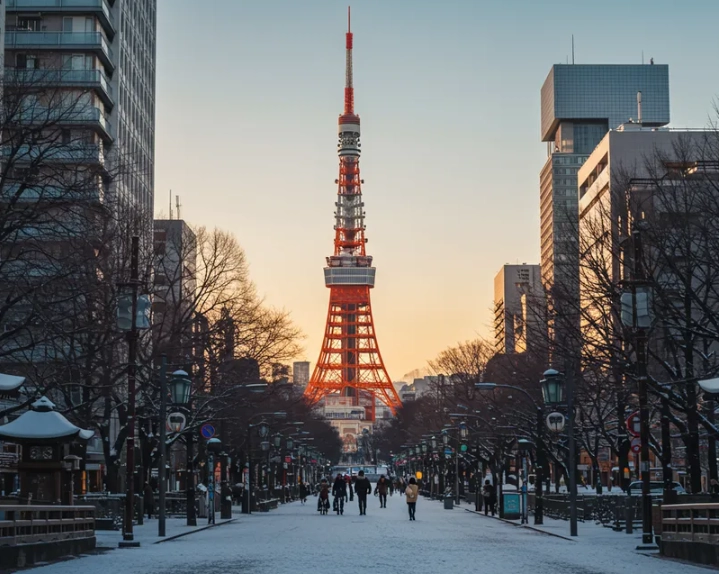
The Core 4-Day Tokyo Itinerary: A Day-by-Day Deep Dive
This plan is built on a simple principle: group nearby areas together to minimize travel time. We're hitting the major districts but in a smart order. Feel free to swap things based on your energy or the weather (looking at you, rainy afternoons).
Day 1: Modern Icons & Electric Nights (Shibuya & Shinjuku)
Welcome to the sensory overload! Your first full day is about diving into the neon-drenched, hyper-energetic Tokyo you've seen in movies. It's a lot, but in the best way possible.
Morning (Shibuya): Head straight to the Shibuya Scramble Crossing. Seeing that sea of people cross from above is one thing, but being in it is another. For the iconic photo, go to the second-floor Starbucks in the Tsutaya building (it's always crowded, fair warning) or the walkway connecting Shibuya Station to the Mark City complex. After the crossing, pay your respects to Hachiko, the loyal dog statue—it's the classic meeting spot.
Then, walk about 10 minutes to Meiji Jingu. This is your first taste of serene, old Japan. The contrast is stunning. You walk through a massive torii gate into a peaceful forest right in the middle of the city. It's a Shinto shrine dedicated to Emperor Meiji. The vibe is quiet and respectful. I like to get a fortune (omikuji) here—they have English versions.
Afternoon (Harajuku): Exit Meiji Jingu from the south end, and you're practically in Takeshita Street. This is the epicenter of kawaii (cute) culture. It's a narrow, packed street full of crepe stands, quirky clothing stores, and Instagrammable snacks. It can feel overwhelmingly touristy and crowded, honestly. My personal take? Walk through it for the experience, but for better food and shopping, explore the side streets of Harajuku, like Cat Street, which is way more chill and has cool boutiques.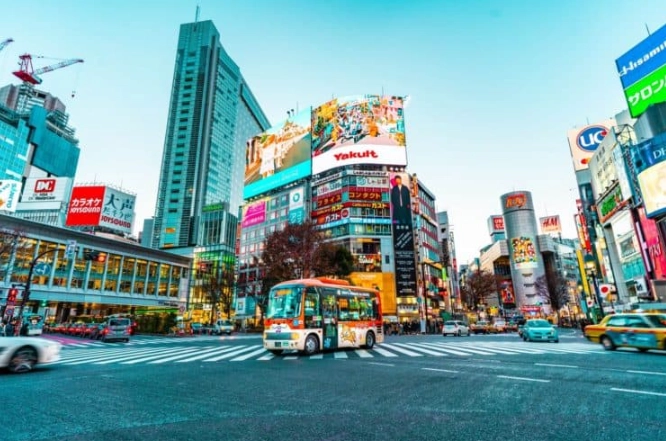
Lunch Idea: Grab a famous Harajuku crepe (sweet) or find a tiny ramen shop tucked away. Or, if you need a break from the crowds, Ichiran Ramen (there's one in Shibuya) is a classic solo-dining experience in a private booth. It's a chain, but it's consistently good.
Evening (Shinjuku): Take the JR Yamanote Line from Harajuku or Shibuya to Shinjuku Station (it's a maze, be prepared). Your destination is the Tokyo Metropolitan Government Building. Why? It has free observation decks on the 45th floor of both towers. The view of the sprawling city, especially at sunset as the lights come on, is unbeatable for the price (which is zero). It's often less crowded than the paid alternatives like Tokyo Skytree.
For dinner, descend into the organized chaos of Omoide Yokocho ("Memory Lane") or the more extensive Golden Gai. These are networks of incredibly narrow alleys packed with tiny bars and eateries, each seating maybe 5-8 people. Omoide Yokocho is great for yakitori (grilled skewers). Golden Gai is more for drinking, but some places serve food. Point and smile is a valid ordering technique here. It feels like stepping back in time.
Day 2: History, Culture & a Splash of Luxury (Asakusa & Tokyo Skytree)
Today we trade skyscrapers for temples and pagodas. We're heading to the east side of the city for a dose of traditional Tokyo.
Morning (Asakusa): Get off at Asakusa Station and walk towards the giant lantern. You've arrived at Senso-ji Temple, Tokyo's oldest and most significant Buddhist temple. The approach down Nakamise-dori is a bustling street market selling souvenirs and snacks like age-manju (fried sweet bean buns)—try one! Go through the Kaminarimon (Thunder Gate), soak in the atmosphere, and explore the temple grounds. You can purify your hands at the fountain (check the etiquette online) and get your fortune.
Just behind Senso-ji, you'll find Denpoin Street and smaller, quieter alleys with traditional shops. It's a nice contrast to the main strip.
Lunch Idea: Asakusa is famous for tempura. Look for a restaurant serving tendon (tempura rice bowl). There are also excellent soba (buckwheat noodle) places around.
Afternoon (Option Time): Here's where you have a choice.
Option A (More Tradition & a View): Walk about 15-20 minutes from Asakusa to the Tokyo Skytree. It's the world's tallest tower. The views are undeniably spectacular, but it's expensive and can have long lines. I think the free government building view is sufficient, but if you want the ultimate height, this is it. The Solamachi mall at its base is also huge and has every character shop you can imagine.
Option B (My Personal Preference - A Peaceful Garden): Take a short taxi or train to Hama-rikyu Gardens. This is a stunning, classic Japanese landscape garden with a seawater pond that changes with the tides, teahouses, and manicured pine trees. The contrast of the traditional garden with the skyscrapers of Shiodome in the background is a fantastic photo op. It's a wonderfully peaceful escape.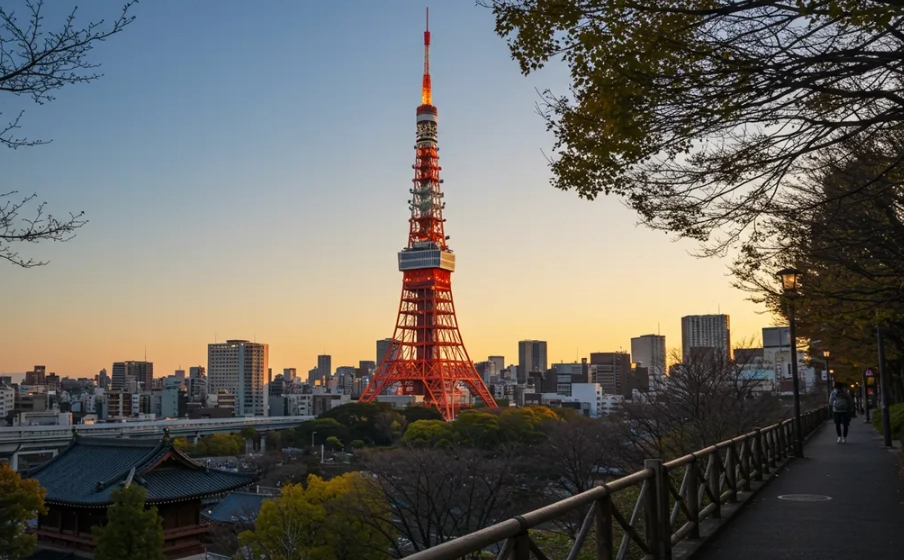
Evening (Ginza): From either Skytree or Hama-rikyu, it's an easy trip to Ginza, Tokyo's upscale shopping district. Even if you're not buying a $10,000 handbag, it's worth a stroll to see the dazzling window displays, the iconic Wako building with its clock tower, and the buzz. For dinner, explore the basement food halls (depachika) of department stores like Mitsukoshi or Ginza Six. They are foodie paradises with countless gourmet takeaway options. Or, splurge on a sushi meal at one of the many high-end (or surprisingly affordable lunch-set) sushi bars in the area.
Day 3: Otaku Dreams & Urban Oases (Akihabara & Ueno)
Ready for something completely different? Today is about subcultures and museums. It's a more niche day, but even if you're not a hardcore anime fan, Akihabara is a fascinating spectacle.
Morning (Akihabara): Get off at Akihabara Station and emerge into "Electric Town." This is the mecca for anime, manga, video games, and electronics. Multi-story arcades like GiGO or SEGA are full of rhythm games and crane machines. Stores like Yodobashi Camera or Bic Camera are electronics megastores where you can find everything from cameras to toilet seats. For anime goods, try Mandarake (for collectibles) or Animate (for new releases).
Don't miss the maid cafes. It's a uniquely Akihabara experience. You'll see girls in maid outfits handing out flyers. It's… quirky. The coffee is average and overpriced, and there's usually a seating charge, but it's a cultural curiosity. Go in with an open mind and understand it's all about a specific kind of "cute" performance.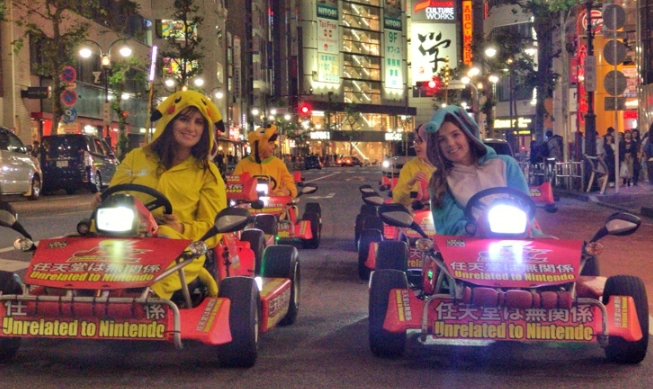
Lunch Idea: Akihabara has tons of themed cafes (Gundam, monster girls, etc.) or simple curry shops. There's also a famous Ramen Street inside the Tokyo Station building (a short train ride away), which is a great alternative.
Afternoon (Ueno): Just one stop north on the JR Yamanote Line from Akihabara is Ueno. This area offers a complete change of pace. Ueno Park is massive and lovely. Inside the park, you have your pick of excellent museums. The Tokyo National Museum is the best in the country for Japanese art and history—if you only visit one museum, make it this one. The National Museum of Nature and Science is also fantastic, especially if you're traveling with kids. Check the Tokyo National Museum's official website for current exhibitions.
Evening (Ameyoko): As you exit the south end of Ueno Park, you'll hit Ameyoko (Ameya Yokocho), a bustling open-air market street under the train tracks. It started as a black market after WWII and now sells everything from fresh fish and spices to sneakers and handbags. It's loud, energetic, and feels very local. Grab some street food for dinner—freshly grilled seafood, takoyaki, or even a cheap and cheerful bowl of noodles at a standing bar.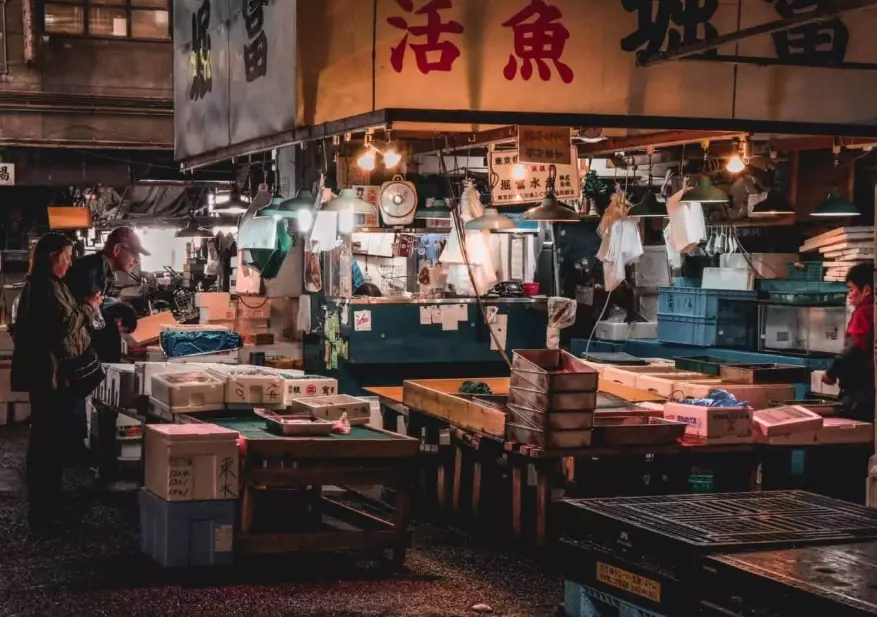
Day 4: Choose Your Own Adventure (Options & Flexibility)
Your last day! Let's tailor it. You might be museum-ed out, or maybe you want to see something specific. Here are the best ways to spend your final 24 hours, depending on your interests.
Option 1: The Day Trip to Kamakura. This is my top recommendation if you want a break from the urban jungle. Kamakura is a coastal town about an hour south by train (take the JR Yokosuka Line from Tokyo Station). It's famous for its giant outdoor Great Buddha (Daibutsu) at Kotoku-in Temple and numerous other beautiful temples nestled in the hills, like Hase-dera with its great ocean views. You can easily spend a day wandering between temples, sampling local sweet potato soft serve, and walking along the beach. It adds a wonderful historical and natural layer to your trip.
Option 2: Dive Deeper into Neighborhoods. Feel like you missed something? Go back and explore an area you loved. Maybe spend a leisurely morning in Shinjuku's Shinjuku Gyoen National Garden, a beautiful blend of French Formal, English Landscape, and traditional Japanese gardens. Or explore the upscale, trendy backstreets of Daikanyama or Nakameguro (especially beautiful if it's cherry blossom season along the meguro river).
Option 3: TeamLab & Futuristic Tokyo. If you crave a cutting-edge digital art experience, book tickets in advance for teamLab Planets TOKYO in Toyosu or the newer teamLab Borderless in Azabudai Hills. These are immersive, interactive art installations where you walk through water, on flowers, and in infinite mirrored rooms. It's unforgettable. Pair it with a visit to the nearby Toyosu Fish Market (the successor to Tsukiji) to see the tuna auction (requires a very early start) or just have sushi for lunch at one of its restaurants.
Option 4: Shopping & Last-Minute Souvenirs. Use your last day to pick up gifts. Don Quijote (Donki) is a chaotic, multi-floor discount store perfect for quirky souvenirs, snacks, cosmetics, and everything in between. There are branches everywhere (Shibuya, Shinjuku, Asakusa). For high-quality traditional goods, try Kappabashi Street near Asakusa for kitchenware (including those plastic food samples!) or the Oriental Bazaar in Harajuku.
No matter which you choose, end your Tokyo itinerary 4 days with a great final meal. Maybe that Michelin-starred ramen place you bookmarked, a proper katsu (fried cutlet) dinner, or just one more incredible bowl of sushi.
Making Your Tokyo Itinerary for 4 Days Work: Practical Tables & Hacks
Alright, let's get tactical. Here are some at-a-glance guides to help you execute this plan.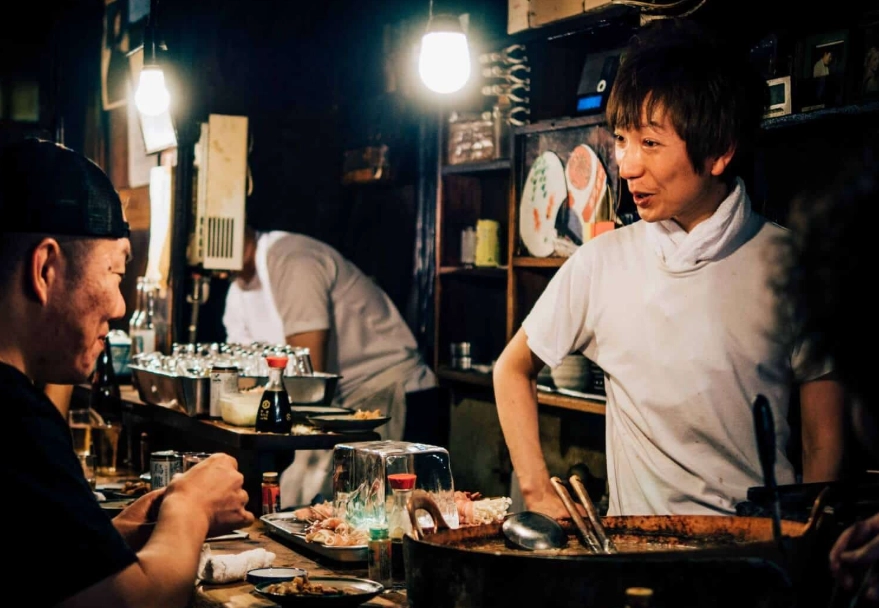
Tokyo 4-Day Itinerary at a Glance (Summary Table)
| Day | Theme / Area | Morning Highlights | Afternoon Highlights | Evening Highlights |
|---|---|---|---|---|
| 1 | Modern Icons | Shibuya Crossing, Meiji Jingu | Harajuku (Takeshita St.) | Shinjuku Met Gov Building, Omoide Yokocho/Golden Gai |
| 2 | History & Tradition | Asakusa (Senso-ji, Nakamise) | Tokyo Skytree or Hama-rikyu Gardens | Ginza (shopping, depachika dining) |
| 3 | Pop Culture & Museums | Akihabara (Electric Town) | Ueno Park & Museums | Ameyoko Market street food |
| 4 | Choose Your Adventure | Kamakura Day Trip / Neighborhood Deep Dive / teamLab / Final Shopping | ||
Budget Breakdown for 4 Days in Tokyo (Per Person, Excluding Flights & Accommodation)
| Category | Budget (Approx.) | What It Covers & Notes |
|---|---|---|
| Transport (IC Card) | ¥4,000 - ¥6,000 | Local trains/subways for 4 days. Day trips (Kamakura) cost extra (~¥2000 round trip). |
| Food | ¥8,000 - ¥15,000 | From convenience store meals & street food (¥800-1500/meal) to nice sit-down restaurants (¥2500-5000/meal). |
| Attractions & Temples | ¥2,000 - ¥6,000 | Many temples free/cheap (¥300-500). Museums ~¥1000 each. Skytree ~¥3100. teamLab ~¥3800. |
| Souvenirs & Misc | ¥5,000+ | Completely up to you! Snacks, trinkets, character goods add up quickly. |
| Daily Rough Total | ¥5,000 - ¥8,000 | A comfortable mid-range daily spend for food, transit, and activities. |
Answers to Your Burning Questions (FAQ)
I get asked these all the time. Let's clear them up.
Is 4 days in Tokyo enough?
It's enough for a fantastic first taste. You can see the major highlights, get a feel for the different districts, and leave wanting more (which is a good thing!). You won't see everything, but you'll have a rich and complete experience. A well-planned Tokyo 4-day itinerary is perfect for a long weekend or as part of a longer Japan trip.
Should I get a JR Pass for this Tokyo itinerary?
For this specific Tokyo-only itinerary, no. The Japan Rail Pass is designed for long-distance Shinkansen travel between cities. Within Tokyo, you'll use your Suica/Pasmo on a mix of JR lines, Tokyo Metro, and other subways. The pass doesn't pay off. However, if you are flying into Tokyo and then immediately taking the Shinkansen to, say, Kyoto or Osaka, that's when you need to calculate if a JR Pass is worth it. The official Japan-Guide.com JR Pass calculator is an excellent, unbiased resource for that.
What's the best area to stay in Tokyo for this 4-day plan?
Anywhere near a JR Yamanote Line station is golden. This loop line connects almost all the areas in this itinerary. Top picks:
- Shibuya/Shinjuku: Central, vibrant, tons of food/nightlife options. Can be noisy and crowded.
- Tokyo Station/Ginza: More upscale, excellent transport hub (for day trips too), slightly less chaotic.
- Ueno/Asakusa: Often better value, more traditional feel. Great for early access to Senso-ji. A bit farther from the western hubs like Shibuya.
My personal favorite is somewhere in between, like Ginza or Nihombashi, for a slightly calmer base that's still well-connected.
Can I do a day trip to Mount Fuji?
You can, but manage your expectations. The classic viewing area is the Fuji Five Lakes (Kawaguchiko) region, about 2 hours by bus or train from Tokyo. The biggest issue? Fuji-san is notoriously shy. If it's a cloudy day, you might see nothing. If seeing Fuji is a top priority, consider dedicating an overnight stay to increase your chances. For a tight 4-day Tokyo itinerary, I usually recommend the more reliable cultural day trip to Kamakura.
What's the biggest mistake first-timers make?
Trying to do too much. Packing every single hour with an activity leads to burnout. Tokyo is best enjoyed when you have some time to wander, get lost down a side street, pop into a random izakaya that looks good, or just sit in a park and people-watch. Build in slack. This 4-day Tokyo itinerary has a rhythm—mornings are for key sights, afternoons offer choices, evenings are for exploration. Follow that rhythm.
Final Thoughts: You're Ready for Tokyo
Look, Tokyo is incredible. It's a city that respects tradition while racing towards the future, and it does both with astonishing style. This Tokyo itinerary for 4 days is your framework. It's the recipe. But the best meals always have a little improvisation. See a tiny bar that calls to you? Go in. Smell something amazing from a side street stall? Get it. Your train gets delayed? It happens. Breathe.
Take this plan, bookmark this page, get your comfy shoes, and go have the time of your life. Your perfect 4 days in Tokyo are waiting.
And when you get back, let me know what your favorite unexpected moment was. For me, it's always the quiet ones—the morning in a temple garden before the crowds arrive, or the smile from a shopkeeper when you try out your one phrase of Japanese. Those are the things you remember long after the neon fades.
Safe travels!
Share Your Thoughts