Let's be honest. The first time I searched for vegan restaurants in Japan, I was overwhelmed. Pictures of ramen with mysterious broth, sushi with hidden fish flakes, and menus I couldn't decipher. I ended up eating convenience store onigiri (checking for bonito flakes, of course) for three days straight. It wasn't terrible, but it wasn't the culinary adventure I wanted. Since then, I've spent years navigating Japan's food scene, and the landscape for plant-based eaters has transformed. It's no longer a mission impossible, but you still need a map. This guide is that map.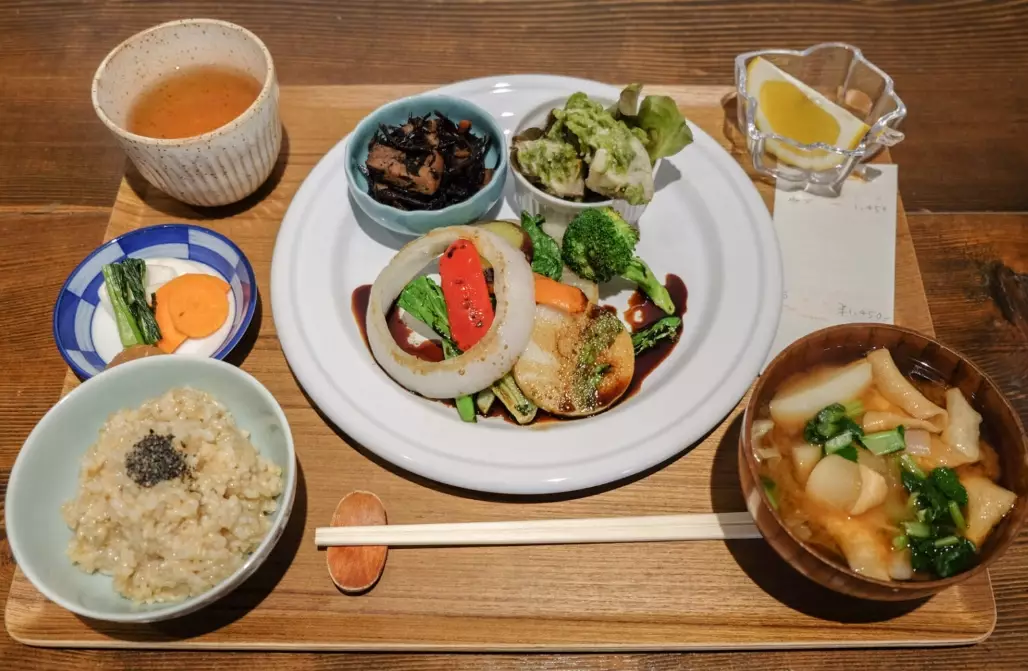
What You’ll Find in This Guide
Understanding the Vegan Landscape in Japan
Japan's relationship with veganism is unique. It's not driven by a widespread ethical movement like in some Western countries. Instead, it's a mix of ancient Buddhist culinary traditions (shojin ryori) and a modern, health-conscious urban trend. This creates a fascinating duality. In Kyoto, you can enjoy centuries-old temple cuisine that's inherently vegan. In Tokyo, you'll find trendy cafes serving vegan cheesecake and jackfruit burgers.
But here's the catch.
The biggest hurdle isn't a lack of options—it's the pervasive use of dashi. Dashi is the umami foundation of Japanese cooking. The most common type, katsuo dashi, is made from bonito (fish) flakes. It's in miso soup, simmered dishes, sauces, and even some pickles. Many dishes that look vegetarian, like vegetable tempura dipping sauce or some noodle broths, contain it. This is the single most important concept for any vegan in Japan to grasp.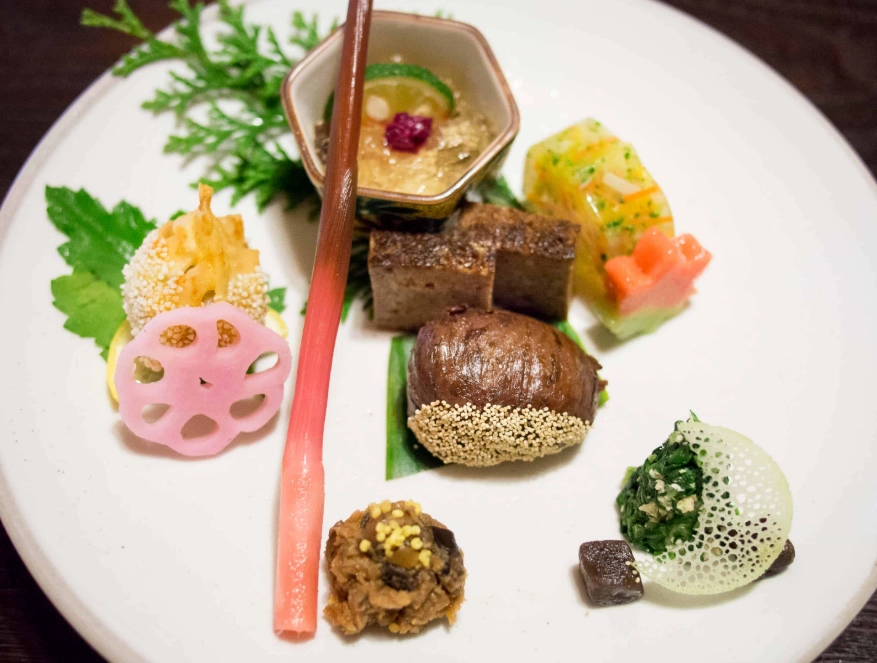
Pro Tip: Don't assume "vegetarian" means vegan. In Japan, "vegetarian" (bejitarian) often includes fish and seafood stock. Always clarify and use the word "vegan" (biigan) or the phrase "niku sakana tamago nyuseihin nashi" (no meat, fish, egg, dairy products).
How to Find Vegan Restaurants in Japan
Forget just wandering and hoping. You need a strategy. Relying on Google Maps alone will show you the big, well-known spots but might miss the tiny, family-run gems.
Essential Apps and Websites
These are your lifelines. Bookmark them before you go.
The Power of Instagram
Search hashtags like #東京ビーガン (#TokyoVegan), #大阪ビーガン (#OsakaVegan), or #京都精進料理 (#KyotoShojinRyori). Local vegan influencers and foodies often post about new openings and hidden finds long before they hit the mainstream apps.
Top Vegan-Friendly Cities in Japan
Your experience will vary wildly by location. Here’s the breakdown from my travels.
| City | Vegan Scene Vibe | Best For | Key Area to Explore |
|---|---|---|---|
| Tokyo | Vast, diverse, and innovative. From high-end to fast food. | Variety, international cuisine, vegan versions of Japanese classics. | Shimokitazawa, Nakameguro, Shibuya/Shinjuku (station buildings). |
| Kyoto | Traditional and serene. Rooted in shojin ryori. | Authentic temple cuisine, peaceful dining settings. | Areas around major temples like Nanzen-ji, Arashiyama. |
| Osaka | Down-to-earth and flavorful. The street food challenge. | Hearty, comfort food. More casual, family-run vegan spots. | Namba, Umeda (look in department store basements). |
| Fukuoka | Growing and underrated. Fresh, local produce focus. | Health-focused cafes, vegan ramen specialists. | Tenjin, Daimyo. |
Smaller towns and rural areas are a different story. Options plummet. Your best bets there are:
1. Convenience Stores (7-Eleven, FamilyMart, Lawson): Salads, some onigiri (plain salt or ume plum), fruit, edamame. Check labels meticulously.
2. Supermarkets: A paradise for DIY meals. Tofu, mushrooms, seaweed, vegetables, rice.
3. Italian or Indian Restaurants: Often have accidentally vegan pasta or veg curry dishes. Still, clarify about butter/ghee.
Must-Try Vegan Restaurants: A Curated List
Here are a few standouts that consistently deliver great experiences. This isn't just a list; it's a starting point for different cravings.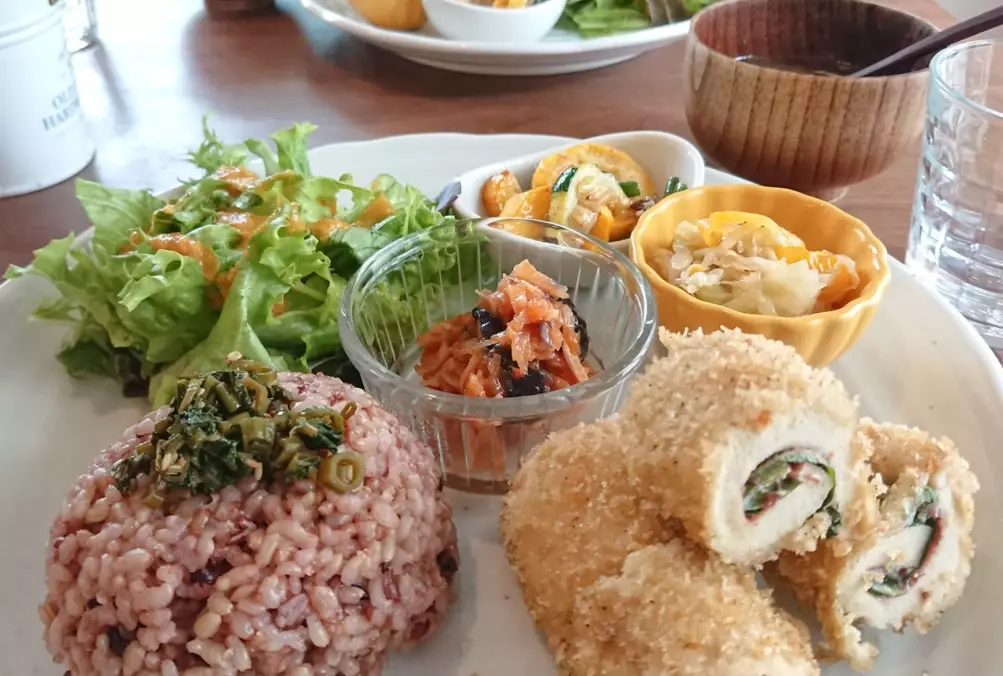
1. T's Tantan (Tokyo Station)
This is a legend for a reason. Located inside Tokyo Station's Keiyo Street (inside the ticket gates), it's a 100% vegan ramen and tantanmen shop. Perfect for a meal before catching a Shinkansen. The broth is rich, creamy, and completely plant-based. It gets crowded at peak times.
2. Veg Out (Kyoto)
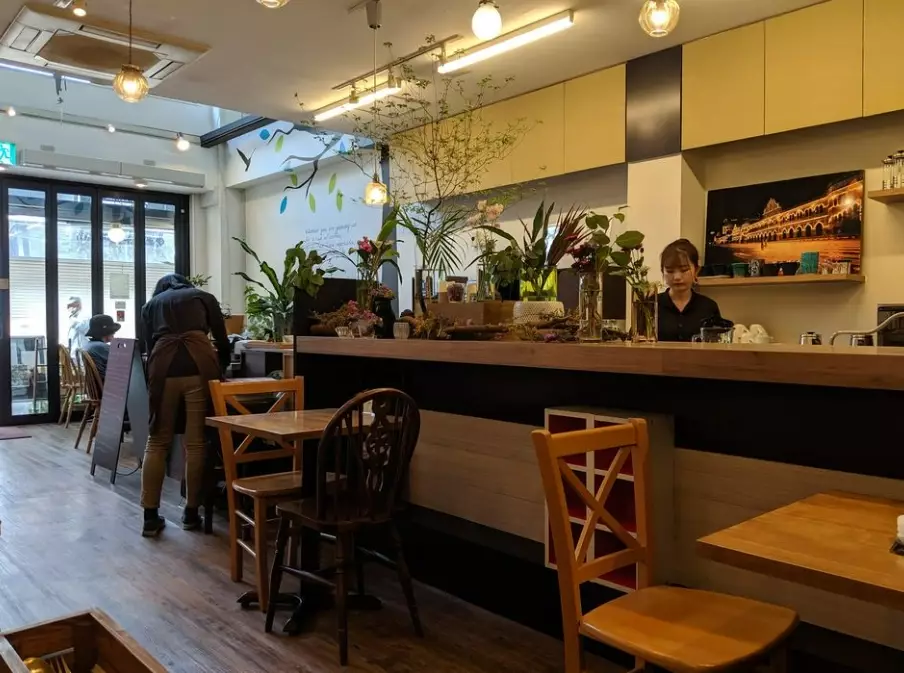
A cozy, modern cafe in Kyoto that nails both Western and Japanese vegan dishes. Their lunch sets are beautiful, balanced, and showcase local vegetables. It's a refreshing break from the heavier temple cuisine and feels like eating at a knowledgeable friend's home.
3. Green Earth (Osaka)
An Osaka institution that's been serving macrobiotic and vegan food for decades. The vibe is warm, slightly rustic, and the food is wholesome and satisfying. It's the kind of place that proves vegan food in Japan isn't just a new trend.
Navigating Menus and Avoiding Hidden Animal Products
Beyond dashi, here’s your quick-reference cheat sheet for menu red flags.
Words to Watch For (in Japanese):
- 出汁 (Dashi) / かつおだし (Katsuo dashi): Fish stock. The main culprit.
- 鰹節 (Katsuobushi): Dried bonito flakes, often used as a topping.
- ラード (Lardo): Lard. Sometimes used in fried foods.
- バター (Bataa): Butter.
- 乳製品 (Nyuseihin): Dairy products.
- 卵 (Tamago): Egg. Present in many noodles, batters, and sauces.
- はちみつ (Hachimitsu): Honey.
- ゼラチン (Zerachin): Gelatin (in desserts).
My personal rule? If a dish is described as "konbu dashi" (kelp stock) or "shojin," it's usually a safe bet. Otherwise, ask. Most staff in cities are used to the question now. Have a translation app ready to show a clear, written explanation.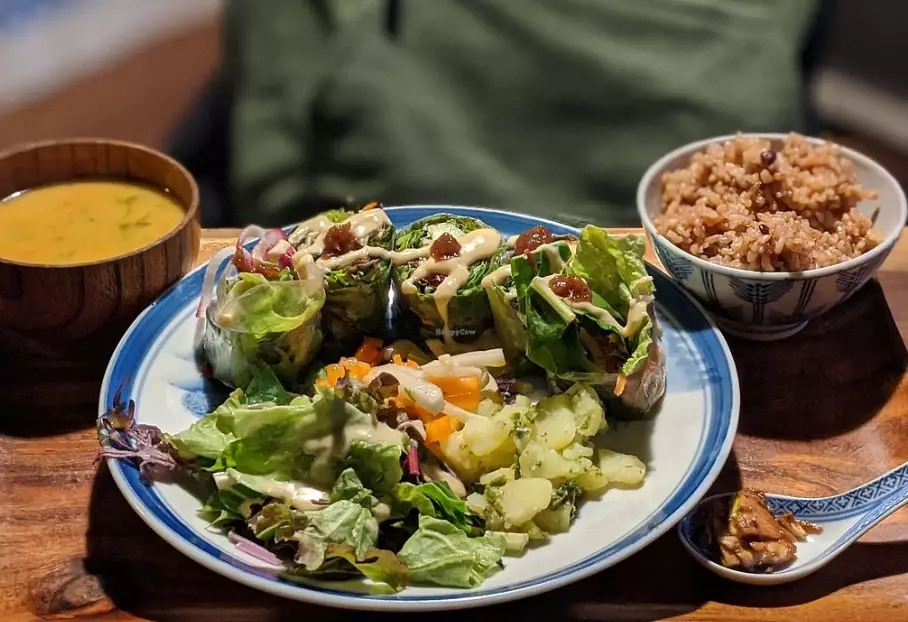
Your Vegan Japan FAQ Answered
 Can I find good vegan options at an Izakaya (Japanese pub)?
The key to enjoying vegan food in Japan is a mix of preparation and flexibility. Do your homework for key meals, but also embrace the adventure of discovering a perfect, tiny cafe or a surprisingly vegan-friendly konbini snack. The scene is growing every day, making it easier than ever to have an incredible, delicious, and completely plant-based journey.




Share Your Thoughts