Ask ten different Tokyo treasure hunters for the best flea market, and you'll get ten different answers. That's because "best" depends entirely on what you're hunting for. Are you after a pristine vintage kimono? A dusty 1970s film camera? A quirky piece of mid-century Danish furniture? Or just a fun, lively atmosphere with cheap t-shirts and street food?
The real secret isn't finding a single "best" market. It's about matching the right market to your specific goals. After years of digging through bins and haggling over dusty treasures, I've learned that Tokyo's flea market scene is incredibly diverse. Picking the wrong one can mean a morning of disappointment. Picking the right one feels like hitting the jackpot.
Your Quick Guide to Tokyo's Flea Market Scene
What Makes a Great Tokyo Flea Market?
Before we dive into names and places, let's talk about the criteria. A top-tier flea market isn't just about size. It's a combination of factors.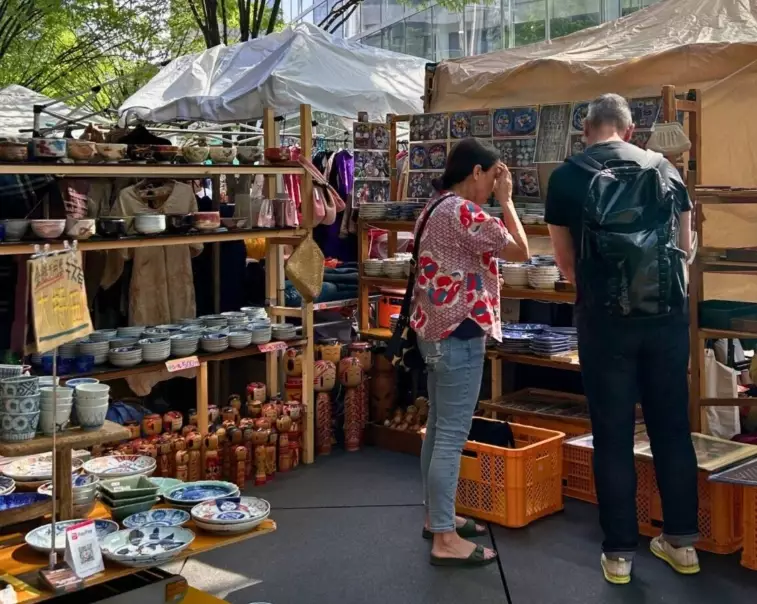
Atmosphere and Authenticity: Does it feel like a genuine community event, or a sterile pop-up? The best markets have a buzz—sellers who are passionate, regulars who know each other, and a sense that you're participating in a local ritual.
Quality and Variety of Goods: Is it just a mountain of old clothes and broken electronics, or is there a curated mix? Look for markets that attract specialist dealers (in ceramics, vintage aloha shirts, antique tools) alongside individuals clearing out their apartments. The overlap is where magic happens.
Price Range and Bargaining Culture: A market should have a spectrum. Yes to 100-yen bins of kitchenware, but also room for higher-ticket, collector-grade items. The possibility of a bargain—through polite negotiation—is essential.
Accessibility and Practicalities: Can you get there easily? Is there food and drink? Are there clean toilets? A market that's a huge pain to reach or leaves you hungry can sour the whole experience, no matter how good the finds are.
Most online lists get this wrong. They rank markets by size or fame alone. I remember trudging to a famously "huge" market only to find 70% of it was cheap, mass-produced socks and phone cases. It was a glorified outdoor discount store, not a flea market. That's the trap we're avoiding.
Tokyo's Top 3 Flea Markets: A Detailed Comparison
Based on the criteria above, these three markets consistently deliver. They serve different purposes, and one will likely align with your goals better than the others.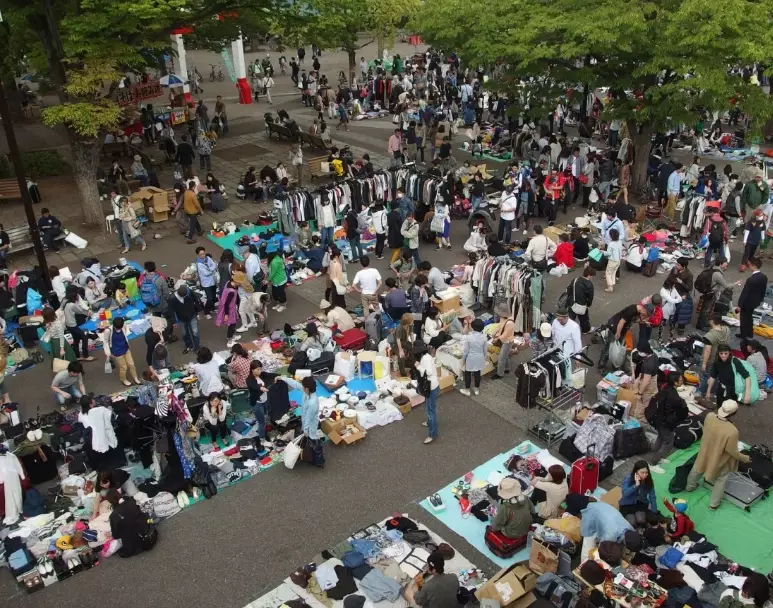
| Market Name | Best For | Location & Access | Schedule & Hours | Atmosphere & Vibe |
|---|---|---|---|---|
| Oedo Antique Market | Serious antiques, traditional Japanese items (kimono, ceramics, woodblock prints), professional dealers. | Tokyo International Forum, Ground Plaza. A 1-min walk from Yurakucho Station. Impossible to miss. | Generally 1st & 3rd Sundays of the month, 9:00 AM - 4:00 PM. Always check their official site for updates. | Upscale, focused, quieter. Sellers are often experts. Prices can be high, but quality is assured. |
| Tokyo City Flea Market (Ōi Wholesale Market) | Volume, variety, and true "flea market" finds. Furniture, vintage clothing, records, general household goods. | Ōi Wholesale Market, Shinagawa. A 15-min walk from Ōimachi Station (Keihin-Tōhoku Line). It's a trek, but part of the adventure. | Every Saturday and Sunday, approx. 9:00 AM - 3:00 PM. Massive and sprawling. | Bustling, chaotic, raw. A true digger's paradise. You'll see pros with trolleys and families browsing side-by-side. |
| Yoyogi Park Flea Market (Keyaki Hiroba) | Vintage Western fashion, youth culture items, handmade crafts, a relaxed park setting. | Yoyogi Park, near Harajuku. A 5-min walk from Harajuku Station. Surrounded by fashion and youth culture. | Most Sundays, 9:00 AM - 4:00 PM. Subject to park event schedules and weather. | Trendy, casual, social. Mix of vintage fashion sellers, indie craftspeople, and a younger crowd. Great people-watching. |
Let me break down why each of these stands out, with some hard-won personal insight.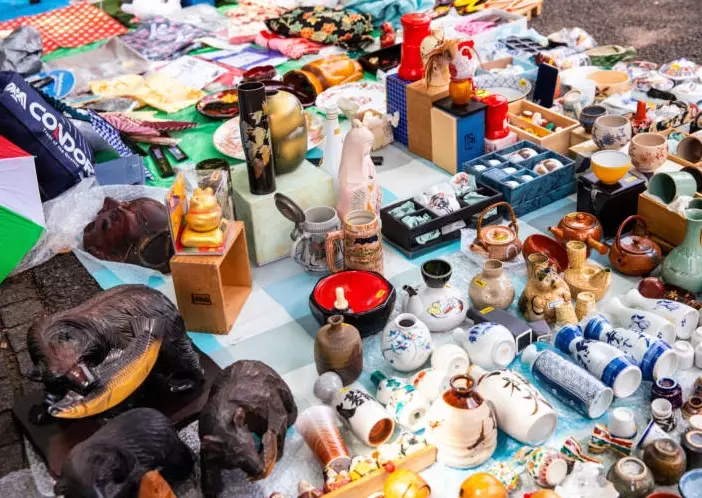
Oedo Antique Market: The Curated Collector's Dream
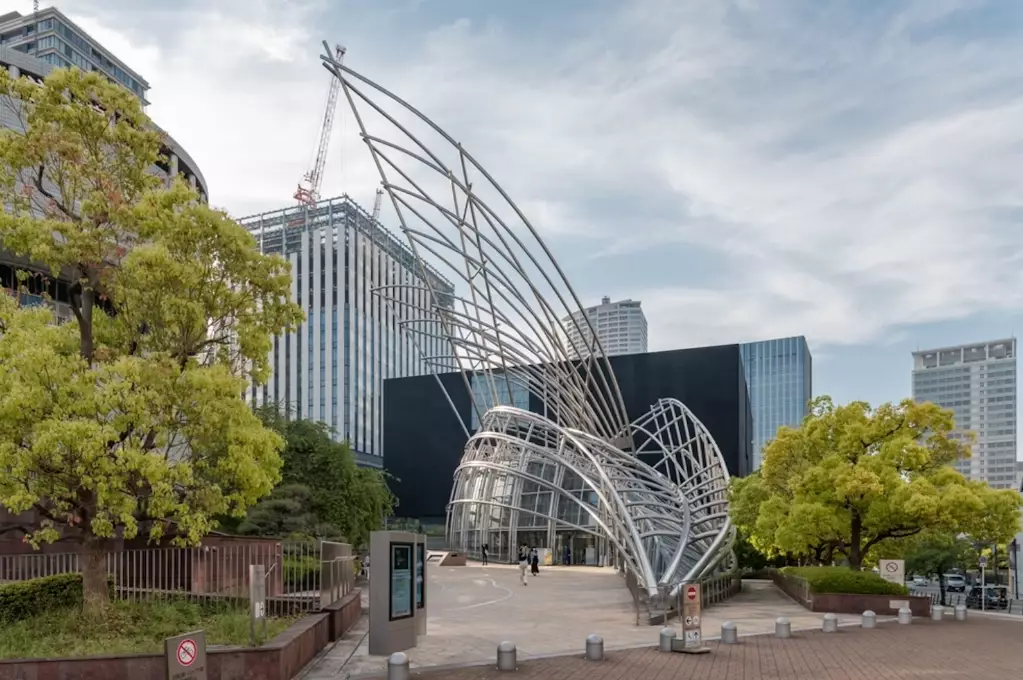
If your idea of treasure is a Taisho-era lacquerware box or an Edo-period map, start here. Held in the sleek, modern plaza of the Tokyo International Forum, it feels more like an open-air gallery than a dusty market. The sellers are professionals. Many have shops in places like Nihombashi or Ginza and bring their best portable stock here.
I found a stunning, unsigned kutani porcelain vase here for a fraction of its gallery price. The seller spent 20 minutes explaining the possible kiln and era to me. That's the level of knowledge you're dealing with.
The catch? Prices reflect this. Don't expect steals on the most obvious items. The real value is in the expertise and the guarantee of authenticity. It's also smaller and finishes earlier than the others. Go early, bring a serious budget for antiques, and enjoy the civilized atmosphere.
Tokyo City Flea Market: The Ultimate Treasure Hunt
This is the one. The giant. The authentic, sprawling, sometimes overwhelming heart of Tokyo's flea market scene. Located in the parking lots of a wholesale market, it's no-frills. You're here to work.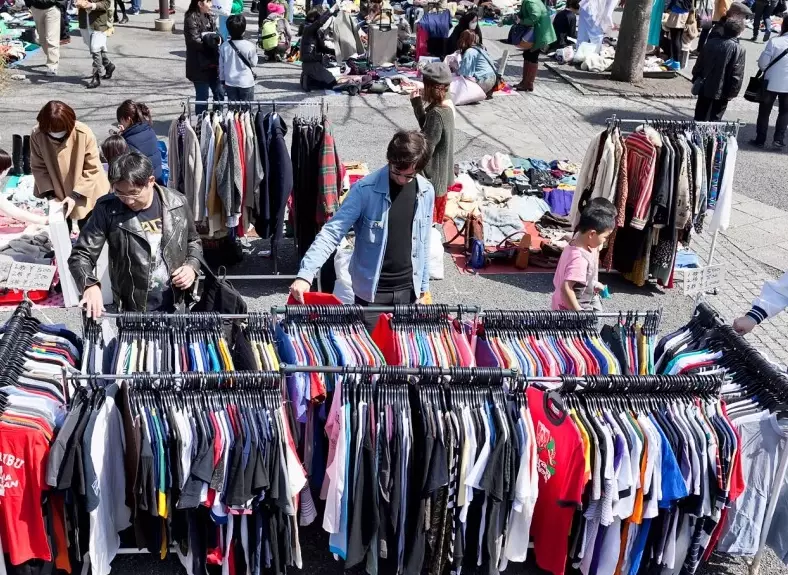
The variety is insane. One row is all vintage denim and band tees. The next is a forest of mid-century chairs and sideboards. Turn a corner, and you're facing tables of vintage cameras, old tools, and stacks of kawaii figurines from the 90s. I once saw a full, functional neon bar sign from the 1980s next to a box of 100-yen teacups.
My biggest score here was a pristine Nakamichi cassette deck for 5000 yen. The seller just wanted it gone. That's the energy. People are clearing out storage lockers, downsizing apartments, or just turning over inventory. The sheer volume means prices can be incredibly low if you're willing to dig and negotiate.
Wear good shoes, bring a reusable shopping bag (or a small wheeled cart if you're serious), and prepare to spend hours. The food options on-site are basic—think grilled meat buns and vending machine coffee—so plan accordingly.
Yoyogi Park Flea Market: Fashion and Vibe
Yoyogi is less about antiques and more about style. It's the fashion-forward cousin of the group. Nestled in the park, it attracts a hip, young crowd. You'll find incredible curated racks of 80s and 90s American vintage, designer pieces from past decades, unique handmade jewelry, and quirky home decor.
The atmosphere is relaxed. You can browse vintage Levis, grab a coffee from a pop-up stall, and listen to a busker, all with the trees of Yoyogi Park around you. It's a social event as much as a shopping trip.
The downside is that it can feel a bit... curated for Instagram. Prices for the best vintage pieces have climbed as its popularity has soared. It's less about discovering a hidden masterpiece and more about finding a unique, stylish piece for your wardrobe. If you're into streetwear or retro fashion, it's heaven. If you're looking for a 19th-century tansu chest, you'll be disappointed.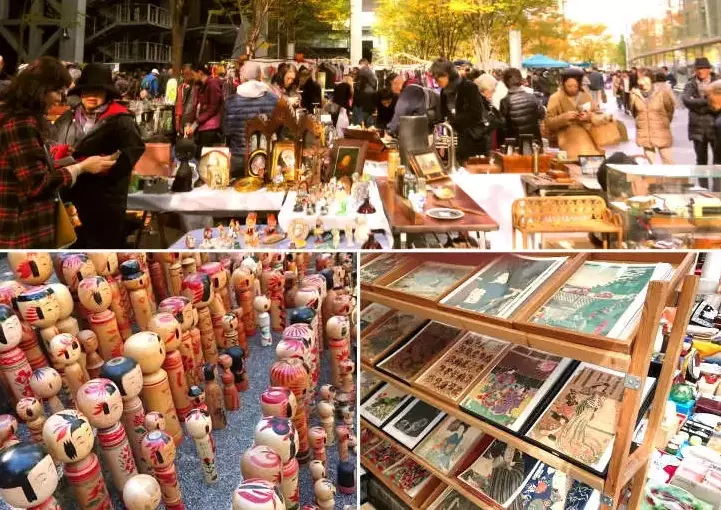
Pro Tip: The Early Bird Rule
This is non-negotiable. The absolute best items at any of these markets are often sold within the first hour. Serious dealers and collectors are lined up before opening. If you're hunting for something specific or high-value, you must go early. After 11 AM, you're browsing the leftovers. Conversely, if you just want the experience and maybe a cheap, fun souvenir, late afternoon can yield deeper discounts as sellers pack up.
How to Find Hidden Gems at Tokyo Flea Markets
Knowing which market to go to is half the battle. The other half is knowing how to hunt once you're there. Here's what most guides don't tell you.
Cash is Not Optional, It's Mandatory. I've watched tourists fall in love with a item only to have the transaction fall apart because they only had a credit card. Withdraw more yen than you think you'll need. Small bills (1000 yen notes) are appreciated.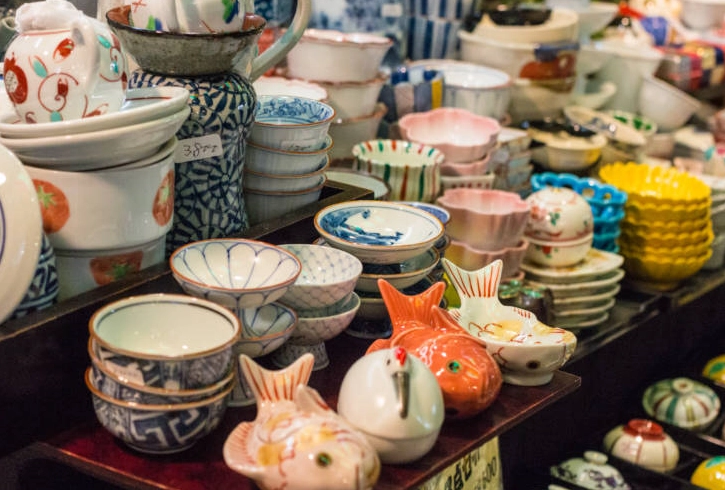
Learn Three Japanese Phrases. You don't need fluency. Just:
- "Ikura desu ka?" (How much is this?)
- "Yasuku dekimasu ka?" (Can you make it cheaper?)
- "Arigatō gozaimasu." (Thank you very much.)
This small effort transforms the interaction. Sellers become more helpful, and negotiations smoother.
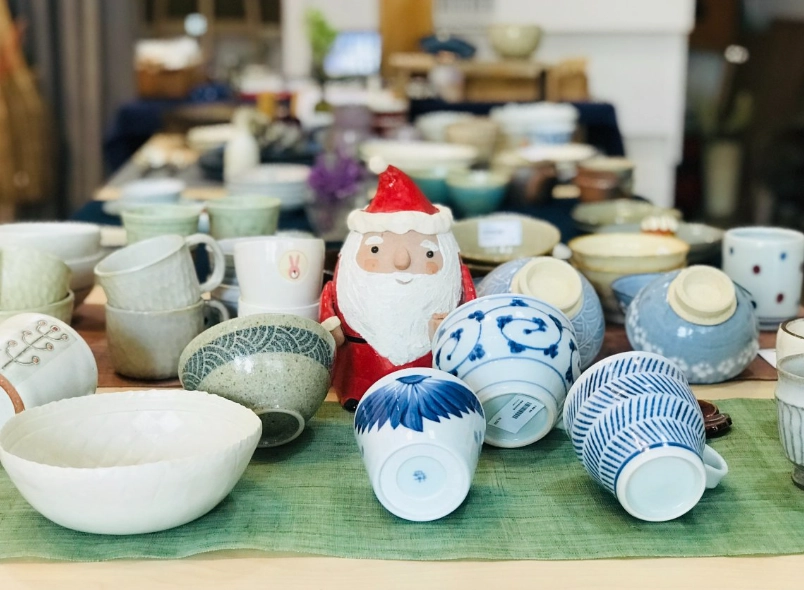
Inspect Everything, Especially Electronics. Assume nothing works unless proven otherwise. For cameras, ask "Haitte mo ii desu ka?" (Can I put in a battery/film?) to test the basic functions. For ceramics and glass, hold them up to the light to check for hairline cracks.
Look for the "Old Lady" Stalls. Some of my best finds—like a set of beautiful, hand-dyed furoshiki cloths for 500 yen total—came from older individuals selling a small selection from their home. Their pricing is often based on sentimental value, not market value, which can work hugely in your favor.
Bring a Tote Bag and Patience. Plastic bags are rarely offered. Having your own bag makes you look like a pro and is more practical. Patience is key. Walk the entire market once before buying anything. Get a lay of the land. That amazing lamp you see at the first stall might be half the price three rows over.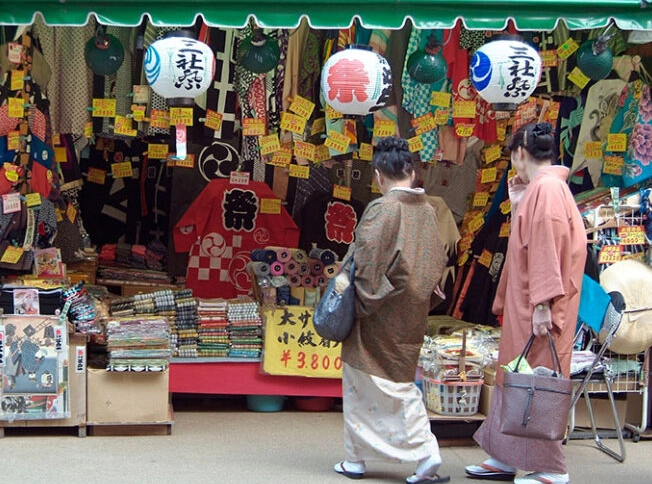
Your Tokyo Flea Market Questions Answered
So, which is the best flea market in Tokyo? It's the one that matches your personal treasure map. For guaranteed quality and traditional antiques, choose Oedo. For an epic, all-day treasure hunt with endless variety, brave the trip to Tokyo City. For vintage fashion and a cool Sunday vibe, head to Yoyogi Park.
The real joy isn't just in the purchase, but in the hunt itself—the feel of old porcelain, the smell of aged paper and wood, and the thrill of a conversation that bridges a language gap over a shared appreciation for something old and beautiful. That's the magic no single "best" list can capture, but hopefully, this guide gets you closer to finding it for yourself.

Share Your Thoughts