Forget fancy restaurants. If you want the soul of Fukuoka, you find it crammed onto a tiny stool at a yatai, one of the city's legendary open-air food stalls. The sizzle of pork, the steam rising from a pot of broth, the clink of beer glasses, and the buzz of conversation in multiple languages – this is the real deal. But here's the thing most guides don't tell you: not all yatai areas are created equal, and a few simple missteps can turn a magical night into a confusing, crowded letdown.
Having spent countless evenings hopping between these mobile kitchens, I've seen tourists walk right past the best stalls or get flustered by the unspoken rules. This guide is your backstage pass. We'll cut through the hype and give you the actionable, specific info you need to have an authentic, unforgettable yatai experience.
What’s Inside This Guide?
What Exactly Are Fukuoka Yatai? A Quick Primer
Yatai are small, mobile food stalls that set up on sidewalks and riverbanks in the evening. They typically seat 6-10 people on stools around a counter. Fukuoka is unique in Japan for still having over 100 of these licensed stalls operating in designated areas, a tradition that has sadly dwindled in other cities.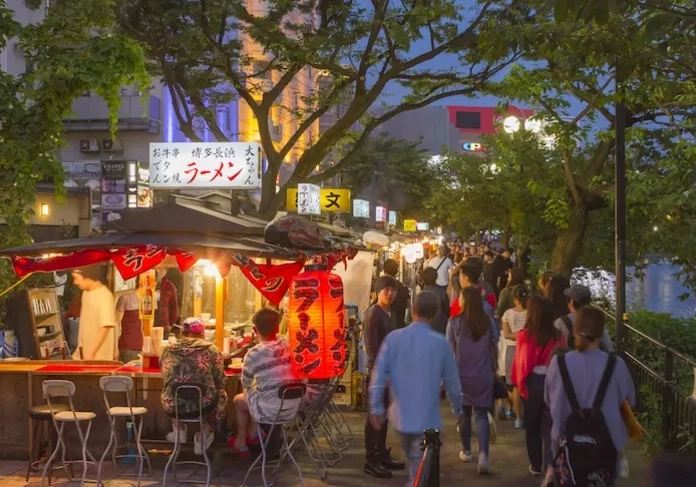
Think of them as the world's most intimate and chaotic pop-up restaurants. The owner is often the chef, server, and cashier. The menu is limited but hyper-focused. The atmosphere is communal – you'll be elbow-to-elbow with salarymen, couples on dates, and fellow travelers.
They usually operate from around 6:00 PM to 2:00 AM, though some close earlier if business is slow. Most are closed on Sundays, and operation can be weather-dependent (heavy rain often means no show).
Where to Go: The 3 Main Yatai Districts Compared
Location dictates everything – the crowd, the specialty, and the overall feel. Here’s the breakdown of Fukuoka's three main yatai zones.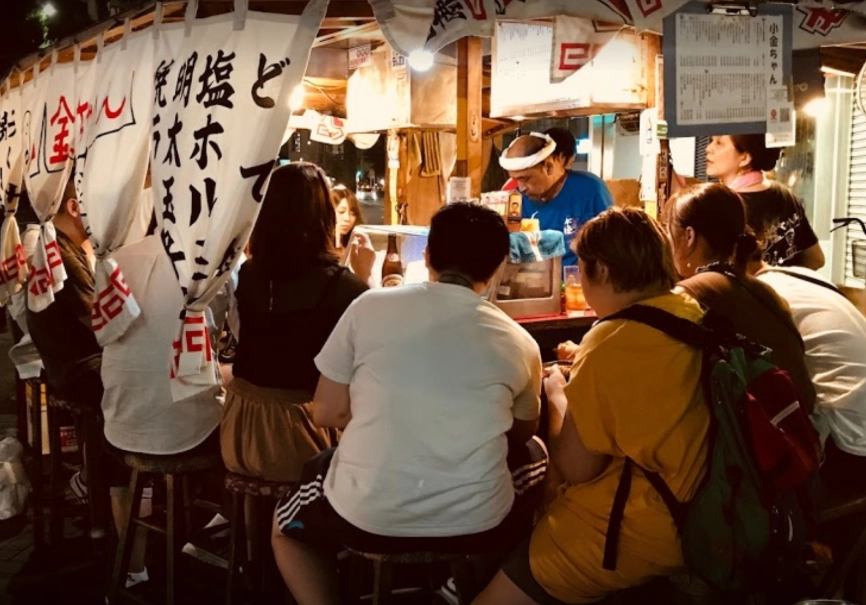
| District | Atmosphere & Vibe | Best For | Key Location/Nearest Station | My Personal Take |
|---|---|---|---|---|
| Nakasu (Between Naka & Hakata Rivers) | Lively, iconic, tourist-friendly. The highest concentration, right in the entertainment district. | |||
| Nagahama (Nagahama-dori area) | Local, gritty, authentic. Known as the "Ramen Stadium" for its concentration of ramen yatai. | |||
| Tenjin (Various side streets) | Spread out, mixed crowd, convenient. Stalls are scattered on streets like Watanabe-dori. |
For a first-timer, I'd suggest starting at Nakasu for the spectacle, then walking 15-20 minutes to Nagahama for a legendary bowl of ramen. The contrast is part of the fun.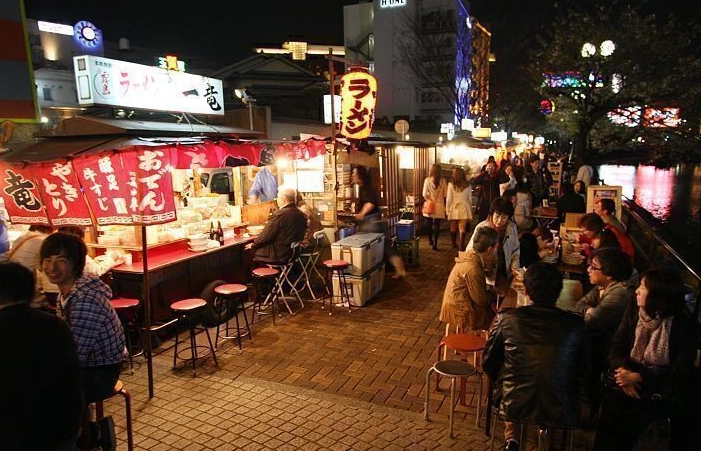
Nakasu Stalls: A Closer Look
At Nakasu, look for stalls with a mix of Japanese and foreign customers – it usually means a good balance of quality and welcome. One of the most famous is **Yatai Manpuku**, often credited with inventing motsunabe (offal hotpot). It's usually packed for a reason. Don't just join the longest queue; sometimes the smaller stall two doors down has an equally amazing oden (simmered dishes) and a more relaxed owner.
What to Order: The Can't-Miss Dishes & Stall Specialties
While menus vary, certain dishes are yatai staples. Ordering the right thing at the right stall is key.
Tonkotsu Ramen: This is non-negotiable. Fukuoka is the birthplace of this creamy, pork-bone broth ramen. At a yatai, it's often served kaedama style – you get extra noodles to add to your remaining broth. Go to Nagahama district for this. Expect to pay ¥600-¥900.
Yakitori: Grilled chicken skewers. Every part of the chicken is used. Order momomo (thigh), tsukune (chicken meatball), and negima (chicken and leek) as a starter set. A good yakitori yatai will have a bin of hot coals, not gas flames.
Motsunabe: A Fukuoka specialty hotpot with beef or pork offal, cabbage, and garlic chives in a miso or soy sauce broth. It's rich, communal, and perfect for a slightly chilly evening. Best shared between two or more people (¥1,500-¥2,500 per pot).
Oden: Simmered dishes like daikon radish, boiled eggs, fish cakes, and konnyaku in a light dashi broth. It's a comforting, lighter option. The daikon, which soaks up all the broth, is a masterpiece.
Hakata Gyoza: These are smaller, crispier pan-fried dumplings compared to other styles. They come in batches of 5 or 6 and are the perfect beer accompaniment.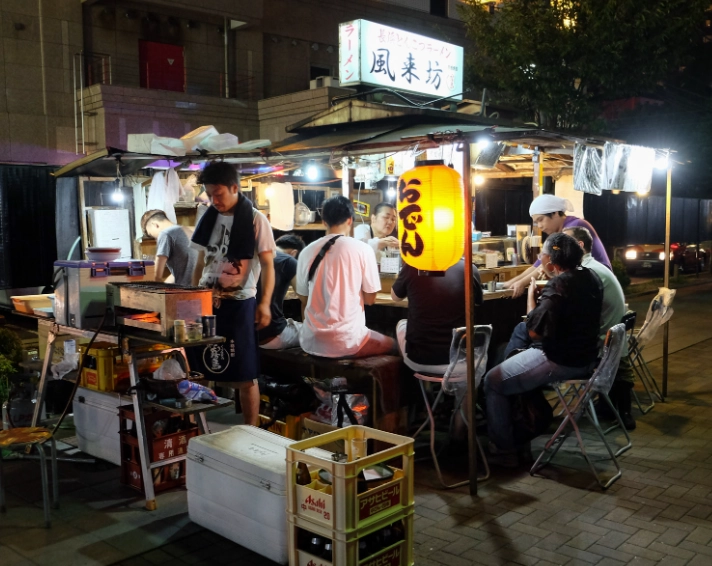
How to Do Yatai Right: Etiquette, Timing & Payment Tips
This is where most guides are too vague. Here's the nitty-gritty.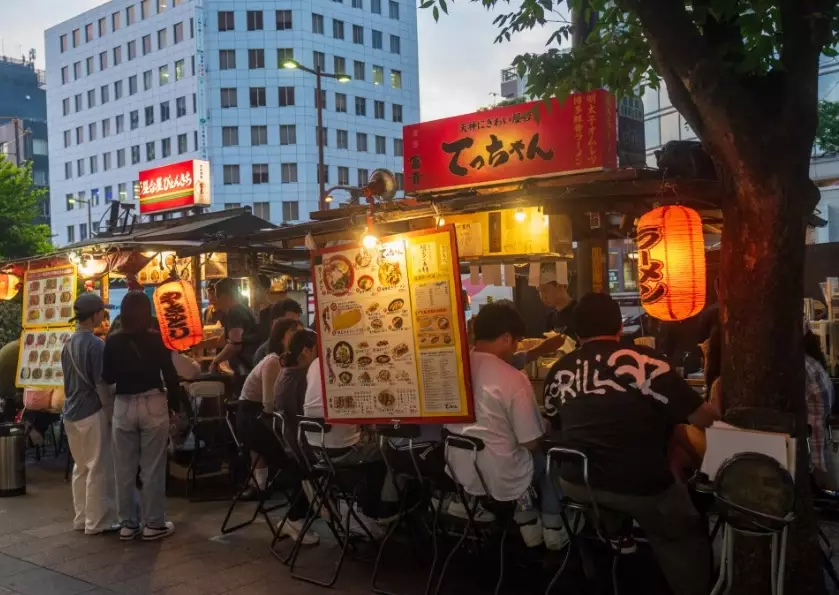
Timing is Everything: The golden hour is between 7:00 PM and 8:30 PM. Arrive at 6:00 PM, and you might be the only one, which can feel awkward. Arrive after 9:00 PM at a popular spot, and you'll be waiting. For Nagahama ramen stalls, later (10 PM+) is often fine as they cater to night owls.
The Seating Dance: If there's an empty stool, just gesture and ask "ii desu ka?" (Is this okay?). Usually, the owner will nod you in. If it's full, wait politely nearby. Don't hover directly over people eating.
Ordering: Pointing is perfectly acceptable. Many have picture menus. A simple strategy: order one dish and one drink per person immediately upon sitting. You can always add more. Saying "ramen hitotsu, biru hitotsu" (one ramen, one beer) works anywhere.
Payment: Almost all yatai are CASH ONLY. Do not expect to use a credit card. Have plenty of ¥1,000 and ¥5,000 notes. Payment is usually when you leave, not after each dish.
The Space Issue: These are tiny. Keep your bags on your lap or the designated shelf. Don't spread out your shopping. Be prepared to get cozy with strangers.
One subtle mistake I see? People ordering a huge meal at one stall. Remember, you're not claiming a table for a 90-minute feast. Eat, drink, enjoy the vibe, settle up, and move on. That's the yatai rhythm.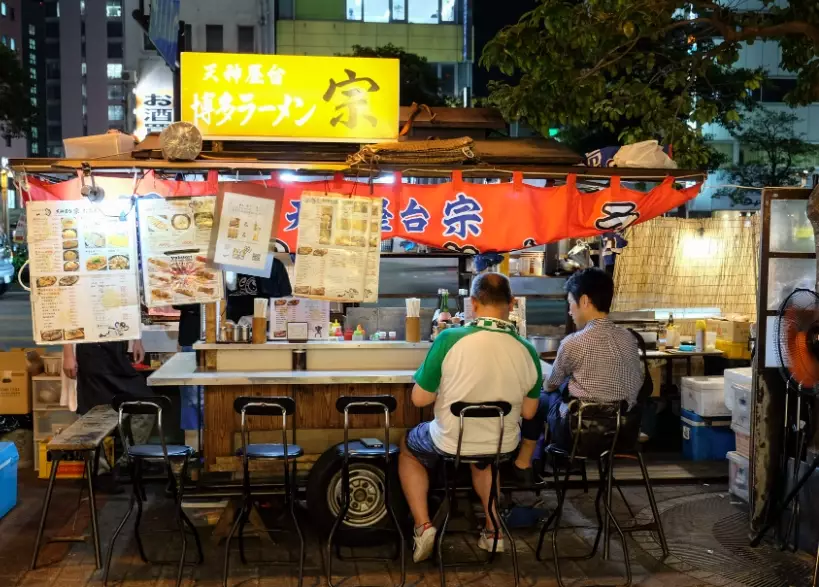
Your Yatai Questions, Answered
Are Fukuoka food stalls suitable for families with young children?
It depends. The stools are high, space is tight, and the environment is geared towards adults drinking and socializing. For well-behaved, older kids (8+) who can sit still, it can be a fun adventure. For toddlers or infants, the late hours, smoke, and cramped quarters make it a challenging choice. If you do go, go early (6:30-7:00 PM) and choose a stall on the outer edge of a cluster that's less crowded.
What's the best way to handle payment if I'm with a group at a crowded yatai?
This gets messy. The best practice is to designate one person to collect cash from everyone *before* you order. Have that person pay the total bill in one transaction. Trying to split the bill 5 ways when people are waiting for your seats is a headache for the owner and your group. Carry small bills to make change easier.
I'm a solo traveler. Is it weird to go to a yatai alone?
Not at all. In fact, it's often easier to get a seat. Sit at the counter, order your food, and you'll often find yourself in a low-pressure conversation with the chef or neighboring diners. It's one of the best solo dining experiences in Japan. Bring a phrasebook or translation app if you're worried, but a smile and pointing go a long way.
Can I take food away or get takeout from a yatai?
Almost never. The experience is intrinsically about eating there, on the spot. The infrastructure for takeout (containers, bags) usually doesn't exist. The only exception might be if you buy a final item like a skewer as you're paying and the owner hands it to you in a napkin. Don't plan on getting ramen to go.
How do I know if a yatai is open? They seem to appear and disappear.
They are mobile, but licensed stalls have designated spots marked on the pavement. If the spot is empty, it's closed that day (likely Sunday or due to weather). There's no online schedule. Your best bet is to just show up in the evening and see what's there. The Nakasu area has the most reliable nightly turnout.
Fukuoka's yatai are more than just places to eat; they're living, breathing cultural artifacts. They're imperfect, cramped, smoky, and utterly wonderful. By knowing where to go, what to order, and how to navigate the unspoken rules, you move from being a spectator to a participant. You're not just eating ramen; you're on a stool in the middle of a Fukuoka night, part of the city's heartbeat. That's the real magic no guidebook can bottle, but hopefully, this one gets you to the right stall to feel it for yourself.


Share Your Thoughts