Your Flavor Map
Let's be real. When you think about traveling to Japan, the food is probably one of the first things that pops into your head. It's a huge part of the experience. But with so many options, from tiny alleyway stalls to fancy multi-course meals, it's easy to feel overwhelmed. You ask yourself, "What are the top 10 foods in Japan that I absolutely cannot miss?" Is it just sushi and ramen, or is there more to the story?
I've spent a good chunk of time eating my way through Japan, from Hokkaido down to Kyushu. I've had mind-blowing meals and a few that were just... okay. My goal here isn't just to give you a dry list. I want to give you the full picture—the must-try dishes, sure, but also the practical stuff. Where do you find the good versions? How do you eat them without looking like a total tourist? What are the little secrets that make each dish special?
So, let's ditch the overly formal travel brochure talk. This is a food lover's practical guide to answering that big question: what are the top 10 foods in Japan?
The Core of Japanese Cuisine: More Than Just Fish and Rice
Before we jump into the list, it helps to understand a bit of the "why" behind the food. Japanese cooking, or washoku, has this UNESCO Intangible Cultural Heritage status for a reason. It's deeply connected to the seasons, the geography, and a sense of respect for ingredients. It's not about drowning things in heavy sauces. It's about highlighting the natural flavor of something, whether it's a piece of fish, a seasonal vegetable, or a rich piece of meat.
Presentation matters too. You eat with your eyes first, as they say. But at its heart, the food is about balance and simplicity done really, really well. That philosophy is what ties all these different top 10 foods in Japan together.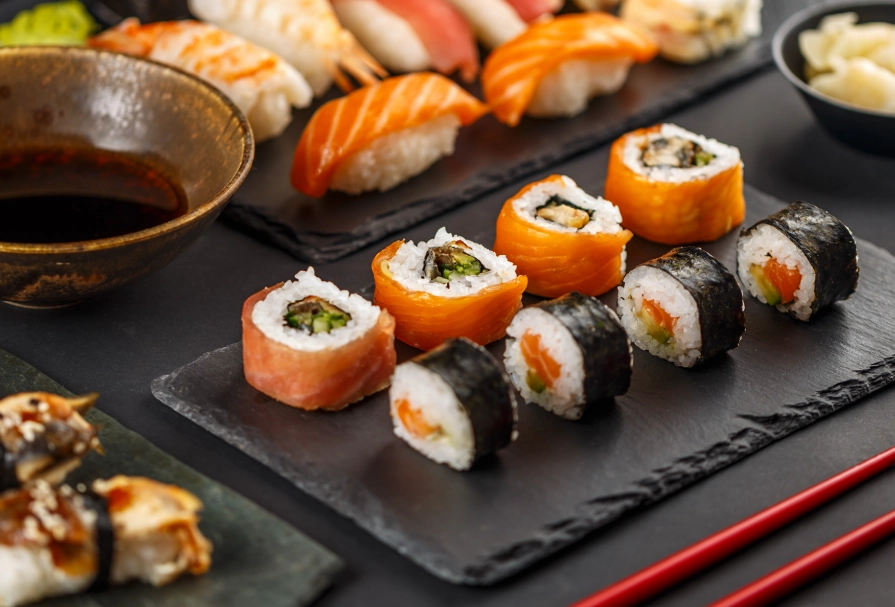
The Definitive List: Top 10 Foods You Must Eat in Japan
Alright, here we go. I've put this list together based on a mix of cultural importance, sheer deliciousness, and accessibility for travelers. These are the dishes you'll see locals lining up for, the ones that define the food scene. We'll go beyond just naming them.
Sushi & Sashimi: The Art of the Catch
Obviously, this is number one. But "sushi" in Japan is a different beast from the rolls you might be used to. The focus here is on nigiri—a small hand-pressed mound of vinegared rice topped with a slice of pristine fish or seafood. The rice is warm, subtly seasoned, and just as important as the topping. Sashimi is just the sliced fish, served without rice.
The variety is staggering. You've got fatty tuna (otoro), sweet shrimp (amaebi), creamy sea urchin (uni), and so much more. The best experience? Sitting at the counter of a sushiya (sushi restaurant) and letting the chef (itamae) serve you piece by piece. It's interactive and fresh.
Where to try it: For a once-in-a-lifetime splurge, the famed sushi-ya in Ginza or upscale neighborhoods are legendary. But you don't have to break the bank. Look for reputable conveyor belt sushi (kaitenzushi) chains like Sushiro or Kura Sushi for a fun, affordable, and still high-quality experience. The Tsukiji Outer Market in Tokyo, while the wholesale market has moved to Toyosu, remains a fantastic spot for incredibly fresh sashimi bowls (kaisendon). For a deeper dive into Japan's famous fish markets, the Tokyo Metropolitan Government website offers official information on Toyosu and tourism.
Ramen: The Ultimate Comfort Bowl
If sushi is the refined art, ramen is the soul food. A steaming bowl of noodles in a deeply flavored broth, topped with slices of pork (chashu), a marinated egg (ajitsuke tamago), seaweed, and green onions. It's the perfect meal after a long day of sightseeing.
The regional variations are a quest in themselves. Sapporo in Hokkaido is famous for rich, miso-based ramen, often with corn and butter. Hakata in Kyushu serves tonkotsu ramen, with a creamy, pork-bone broth that cooks for days. Tokyo style tends to be a clearer, soy sauce (shoyu) based broth. There's also savory shio (salt) and tangy tsukemen, where you dip cold noodles into a concentrated broth.
Eating ramen is a noisy, slurpy affair—slurping is encouraged, as it's said to cool the noodles and enhance the flavor!
Tempura: Light and Crispy Perfection
This isn't heavy, greasy fried food. A great tempura is ethereally light and crisp, coating seafood and vegetables in a delicate, airy batter. The secret is in the ice-cold batter and the precise oil temperature. You'll get pieces like plump shrimp, shiso leaf, sweet potato, and delicate pieces of fish.
It's often served with a light dipping sauce (tentsuyu) mixed with grated daikon radish, or simply a sprinkle of sea salt to appreciate the natural flavors. A high-end tempura course meal, where pieces are fried and served to you one by one, is a truly special experience.
Wagyu Beef: The Definition of Marbling
You've heard the hype. Wagyu beef, specifically the famous varieties like Kobe, Matsusaka, or Omi, is in a league of its own. The intense marbling—those fine threads of fat within the muscle—makes it incredibly tender, rich, and flavorful. It literally melts in your mouth.
You can enjoy it as teppanyaki (grilled on an iron plate), shabu-shabu (swished in a hot pot), sukiyaki (cooked in a sweet-soy broth), or as a sublime steak. A little goes a long way due to its richness.
Where to try it: Specialized steak houses or shabu-shabu/sukiyaki restaurants. For official grading and information on Japanese beef, the Japanese Ministry of Agriculture, Forestry and Fisheries (MAFF) provides authoritative resources on its production and standards.
Takoyaki & Okonomiyaki: Osaka's Street Food Soul
These two are the heart of Kansai region street food, especially in Osaka.
Takoyaki are addictive little ball-shaped snacks. A wheat batter is poured into a special griddle with holes, a piece of boiled octopus (tako) is placed inside, and it's cooked until golden brown, constantly turned with a pick to get that perfect sphere. Served piping hot, they're topped with takoyaki sauce (like a thicker Worcestershire), mayonnaise, bonito flakes that dance in the heat, and seaweed powder. The inside is creamy, almost liquid.
Okonomiyaki is often called a "Japanese savory pancake" or "Japanese pizza," but that doesn't quite do it justice. The name means "grilled as you like it." A batter of flour, grated yam, and egg is mixed with cabbage and your choice of ingredients (pork, seafood, cheese) and grilled on a teppan. It's slathered with the same savory sauce, mayo, and toppings. In Osaka, it's all mixed together before grilling. In Hiroshima, it's layered with noodles and an egg on top.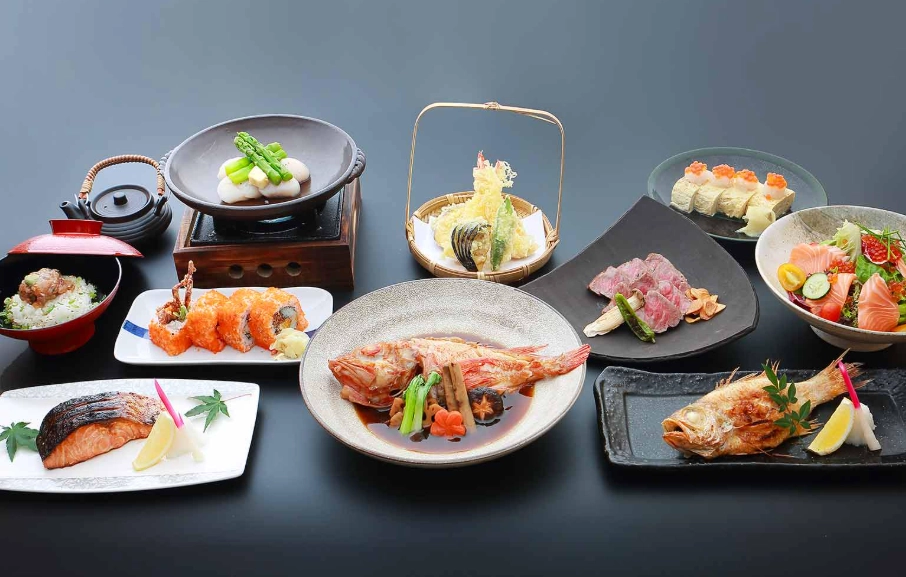
Japanese Curry (Kare Raisu)
This is Japan's beloved comfort food, a world away from Indian or Thai curries. It's thicker, sweeter, and milder, with a stew-like consistency. It almost always includes onions, carrots, and potatoes, with a protein like pork cutlet (katsu kare—a legendary combo), beef, or chicken. Served over a mountain of rice, it's hearty, satisfying, and found everywhere from train station diners to family restaurants.
You'll often get to choose your spice level (from mild to hot). It's a staple of home cooking and a quick, reliable meal that never disappoints.
Tonkatsu: The Crispy Pork Cutlet
A breaded and deep-fried pork cutlet that is the epitome of yoshoku (Japanese-style Western food). The key is the contrast between the super-crispy, golden-brown panko (Japanese breadcrumb) crust and the juicy, tender pork inside. It's served shredded cabbage (you can ask for refills!), a tangy tonkatsu sauce, and often with a bowl of rice and miso soup.
Variations include hire (lean fillet) or rosu (fattier loin). For the ultimate indulgence, try kurobuta (Berkshire pork) tonkatsu. The famous dish katsudon is a tonkatsu served on top of a bowl of rice with egg and onions simmered in a sweet-savory sauce.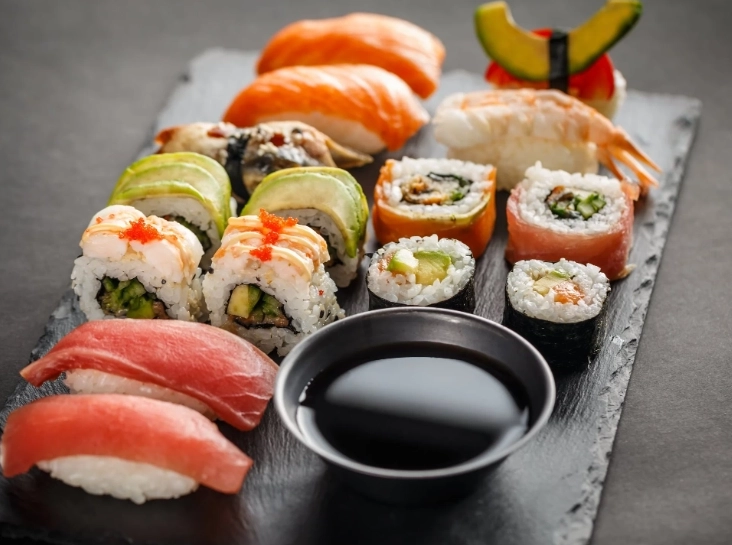
Soba & Udon: The Noodle Classics
These are the traditional Japanese noodles, each with a distinct character.
Soba are thin, nutty-flavored noodles made from buckwheat flour. They can be served cold (zaru soba) on a bamboo mat with a dipping sauce (tsuyu) with wasabi and green onions, or hot in a broth (kake soba). Eating cold soba is a refreshing, elegant experience, especially in summer. At the end of your meal, the waiter will give you the hot water the noodles were cooked in (sobayu) to mix with your leftover dipping sauce—a delicious, comforting soup to finish.
Udon are thick, soft, chewy wheat flour noodles. They're served in a mild, dashi-based broth and are incredibly comforting. The most famous regional style is the sanuki udon from Kagawa Prefecture, known for its square shape and firm, chewy texture. You can get them simple (kake udon), or with toppings like tempura (tempura udon), or in a curry broth.
Izakaya Food (Japanese Pub Grrubs)
This isn't a single dish, but an essential category. An izakaya is a casual pub where people go to drink and share small plates of food. To truly understand Japanese eating culture, you need to spend an evening in one. The menu is vast, but here are some classics you must order:
- Yakitori: Skewers of grilled chicken (and other parts) seasoned with salt (shio) or a sweet soy tare sauce. Try the thigh (momo), meatballs (tsukune), and if you're adventurous, chicken skin (kawa) or cartilage (nankotsu).
- Edamame: Steamed young soybeans sprinkled with salt. The ultimate beer companion.
- Karaage: Japanese-style fried chicken, marinated in soy, ginger, and garlic. Juicy, flavorful, and impossible to stop eating.
- Hiyayakko: Chilled silken tofu with toppings like grated ginger, green onion, and bonito flakes with a dash of soy sauce. Simple and refreshing.
- Oden: A winter comfort dish of various ingredients (daikon, eggs, fish cakes, konnyaku) slowly simmered in a light, savory dashi broth.
Figuring out what are the top 10 foods in Japan means embracing this social, shared style of eating. It's where you'll discover some of the most delicious and unpretentious food.
Your Practical Guide to Eating in Japan
Knowing what to eat is half the battle. The other half is knowing how to eat it. Here’s a quick reference table with some key details on the top dishes.
| Food | Best Place to Try | Key Pointers & Etiquette | Approx. Price Range (per person) |
|---|---|---|---|
| Sushi / Sashimi | Sushi counter (sushiya), Conveyor belt, Fish market | Use hands or chopsticks for nigiri. Dip fish-side, not rice-side, lightly in soy sauce. Eat piece in one bite. | ¥1,000 - ¥30,000+ |
| Ramen | Specialty ramen shops (look for vending machine ordering) | Slurping is fine! Use the spoon for broth, chopsticks for noodles. Finish the broth if you enjoyed it. | ¥800 - ¥1,500 |
| Tempura | Specialty tempura restaurants, upscale kaiseki meals | Eat immediately while hot and crisp. Use the salt or dipping sauce sparingly. | ¥1,500 - ¥15,000+ |
| Wagyu Beef | Teppanyaki, Shabu-shabu, Sukiyaki restaurants | Cook quickly (especially for shabu-shabu). Enjoy the texture. Pair with rice to balance richness. | ¥5,000 - ¥30,000+ |
| Takoyaki / Okonomiyaki | Osaka (Dotonbori), street stalls, specialty restaurants | Let takoyaki cool! For okonomiyaki, use the small spatula (kote) to cut and serve yourself. | ¥500 - ¥1,500 |
Answering Your Burning Questions
Wrapping Up Your Japanese Food Journey
So, there you have it. A deep dive into what are the top 10 foods in Japan, and more importantly, how to approach them. It's a list built on tradition, flavor, and the sheer joy of eating. From the silent reverence of a sushi counter to the loud, cheerful chaos of an izakaya, Japanese food is about context as much as taste.
Don't stress about trying every single thing. Pick a few that excite you from this list, be curious, and dive in. Order the thing you can't pronounce. Try the seasonal special. Sit at the counter and watch the chef work. That's how you move beyond just eating and start truly experiencing one of the world's greatest food cultures.
Your trip will be defined by these flavors. The memory of that first perfect bite of sushi, the warmth of a ramen bowl on a cold day, the fun of sharing small plates with new friends—that's the real answer to "what are the top 10 foods in Japan?" They're not just dishes; they're the highlights of your adventure.
Now go eat.



Share Your Thoughts