Let's cut to the chase. You're in Osaka, you're hungry, and you're surrounded by a dizzying array of sizzling stalls and glowing signs. This isn't just eating; it's a core cultural experience. Osaka's nickname, "Japan's Kitchen," was earned on the streets. Forget fancy restaurants for a moment. The soul of this city is in a hot, crispy, saucy bite from a street-side window.
Your Quick Bite-Sized Guide
What Makes Osaka Street Food Special?
Tokyo has sushi. Kyoto has kaiseki. Osaka has kuidaore—the spirit of "eating until you drop." It's not just about volume. It's an attitude. Food is casual, fast, affordable, and deeply satisfying. While many Japanese cities prioritize presentation and subtlety, Osaka champions bold flavors, hearty portions, and immediate gratification.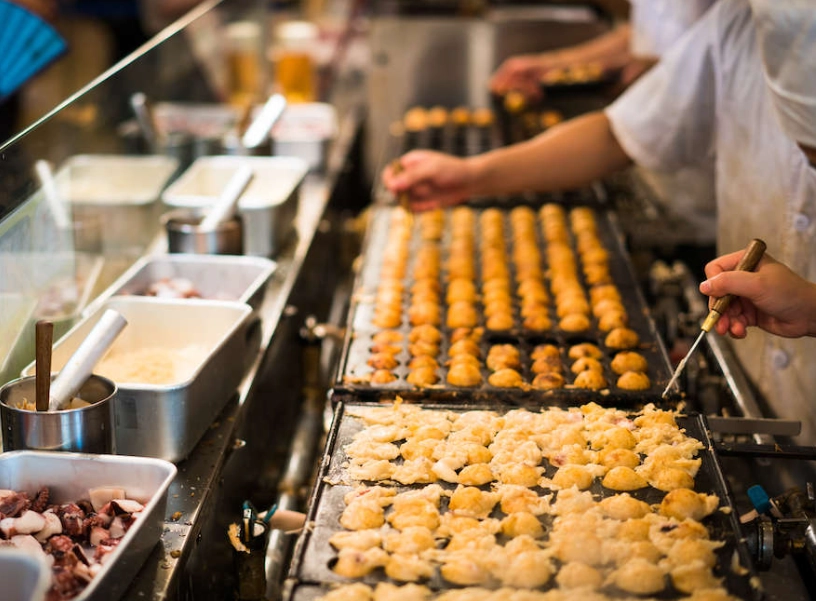
The street food scene thrives in specific, concentrated districts rather than from random carts. You'll find entire streets dedicated to one type of food, creating a competitive, high-quality environment. The focus is on hot, freshly cooked, handheld items designed for eating while walking or standing at a counter. It's democratic dining at its best.
Top Must-Try Osaka Street Food Dishes
Don't waste your appetite. These are the non-negotiable items you need to track down.
Takoyaki: The Iconic Ball of Joy
This is Osaka's edible mascot. Batter poured into special half-spherical molds, each gets a piece of boiled octopus (tako), tempura scraps, and pickled ginger. They're rotated with skewers until perfectly round. The result? A crispy shell giving way to a molten, creamy interior. Served piping hot with takoyaki sauce (like a thicker Worcestershire), Japanese mayo, bonito flakes, and aonori seaweed.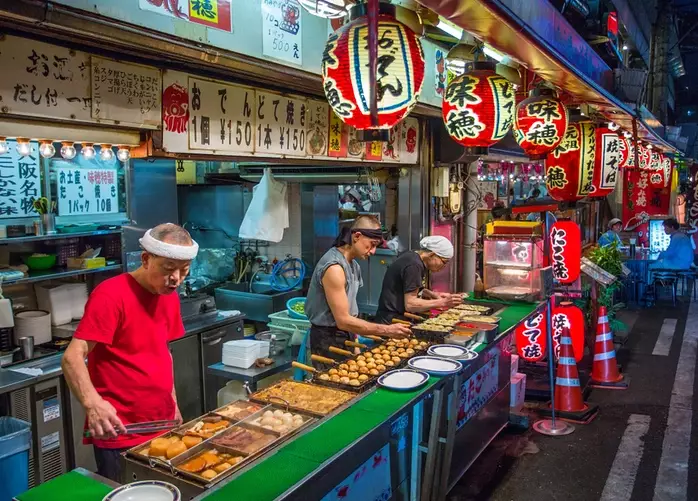
Where to try it: Takoyaki Juhachiban in Dotonbori is a reliable giant. For something smaller, look for a stall with a local queue. A standard order of 8 pieces costs around ¥500-600.
Pro Tip: Wait a full minute. The center is lava-hot. Let the bonito flakes dance from the steam, then take a careful bite.
Okonomiyaki: The Savory "As-You-Like-It" Pancake
Calling it a pancake undersells it. It's a hearty, savory disc of batter, shredded cabbage, and your choice of add-ins like pork, squid, or cheese, cooked on a griddle. In Osaka-style okonomiyaki, the ingredients are mixed together before grilling. It's slathered with the same savory-sweet sauce, mayo, and toppings as takoyaki. You often cook it yourself at a table with a built-in teppan grill, but many stalls serve pre-made portions.
Kushikatsu: Deep-Fried Skewered Everything
Welcome to Shinsekai's signature. Meat, vegetables, cheese, even quail eggs—skewered, breaded, and deep-fried to golden perfection. The unbreakable rule: do not double-dip the communal tonkatsu sauce pot. Take a cabbage leaf from the provided plate to scoop sauce onto your skewer. A meal of 5-8 skewers costs ¥1,000-¥1,500. Try Daruma in Shinsekai—it's an institution, often with a line, for good reason.
Other Essentials
- Ikayaki: A whole grilled squid, basted with soy sauce. Chewy, smoky, and simple. Perfect with a beer.
- Taiyaki: Fish-shaped cakes filled with sweet red bean paste, custard, or chocolate. A warm, sweet finish.
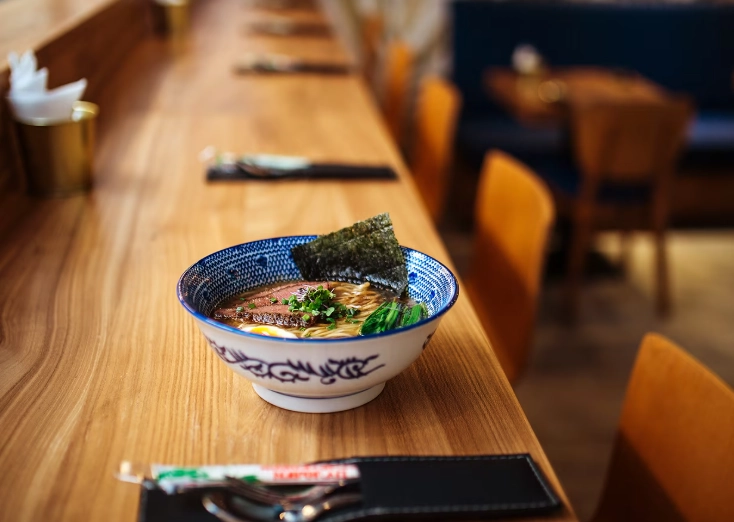
- Kitsune Udon: Maybe not "street" in the handheld sense, but found in tiny standing-only shops. Sweet, deep-fried tofu (kitsune) on top of hot udon noodles in a dashi broth. The ultimate comfort for under ¥500.
Where to Eat Osaka Street Food: The Best Streets & Areas
1. Dotonbori & Namba
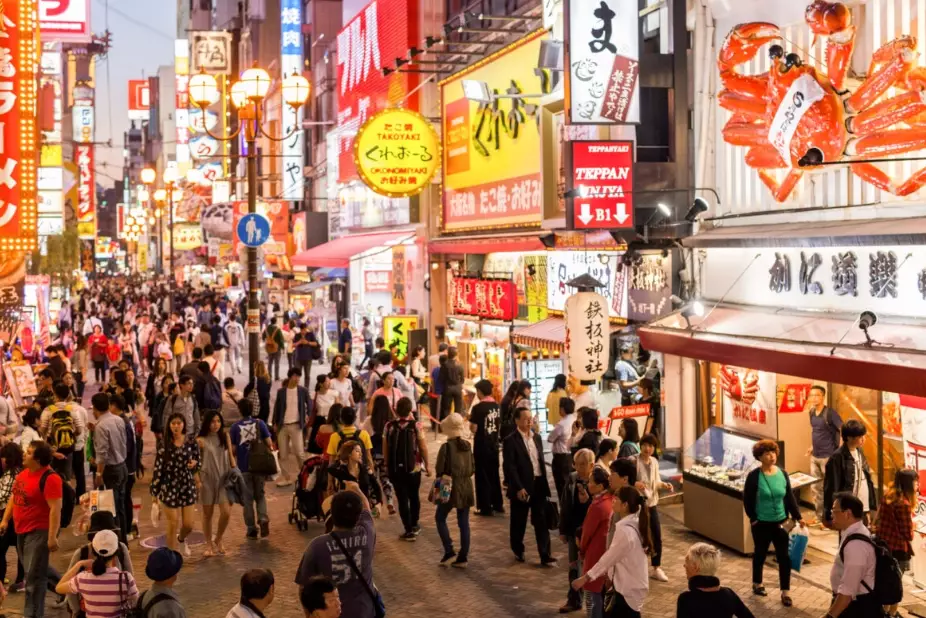
The epicenter. It's loud, crowded, and unforgettable. Follow your nose along the canal. Look for the giant moving crab, octopus, and gyoza signs. Dotonbori Konamon Museum isn't a museum; it's a building full of takoyaki and okonomiyaki stalls—a great spot for side-by-side comparison. The side streets (like Soemon-cho) are packed with tiny kushikatsu and yakitori bars.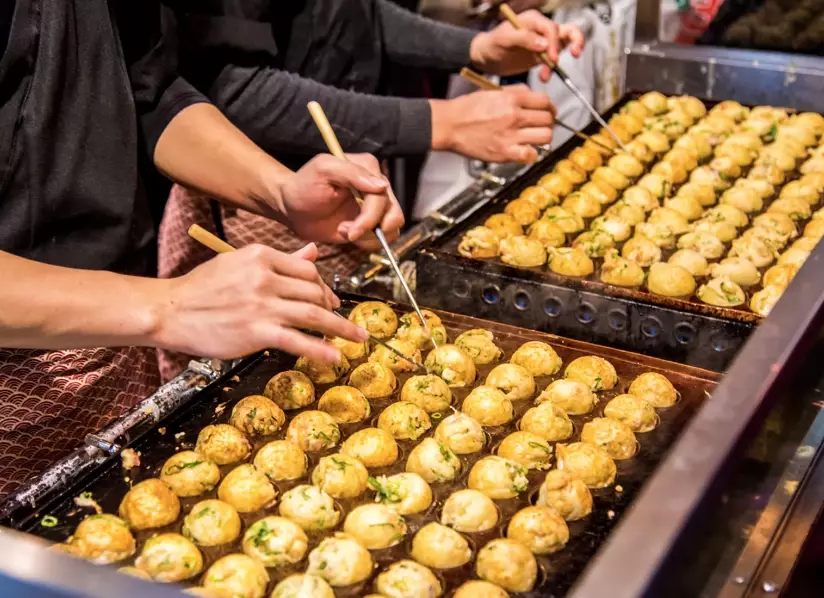
Atmosphere: Energetic, touristy, photogenic. Best at night.
2. Shinsekai
This is old Osaka. Centered around the Tsutenkaku Tower, it has a retro, slightly gritty charm. This is the kingdom of kushikatsu. Stalls and small restaurants line the streets, each vying for your attention. It feels more local than Dotonbori. Don't miss Janjan Yokocho, a narrow alley crammed with even more eateries.
Atmosphere: Nostalgic, local, straight out of a postcard from the 1960s.
3. Kuromon Ichiba Market
Known as "Osaka's Kitchen," this covered market is where locals shop and eat. While you can buy fresh seafood, the highlight is the ready-to-eat stalls: giant grilled scallops, fresh oysters, fatty tuna skewers, and sea urchin. Prices are a bit higher, but the quality is top-notch. It's less about classic street food and more about incredible fresh seafood snacks.
Hours: Most stalls open 9 AM - 6 PM. Get there by 10 AM to beat the tour groups.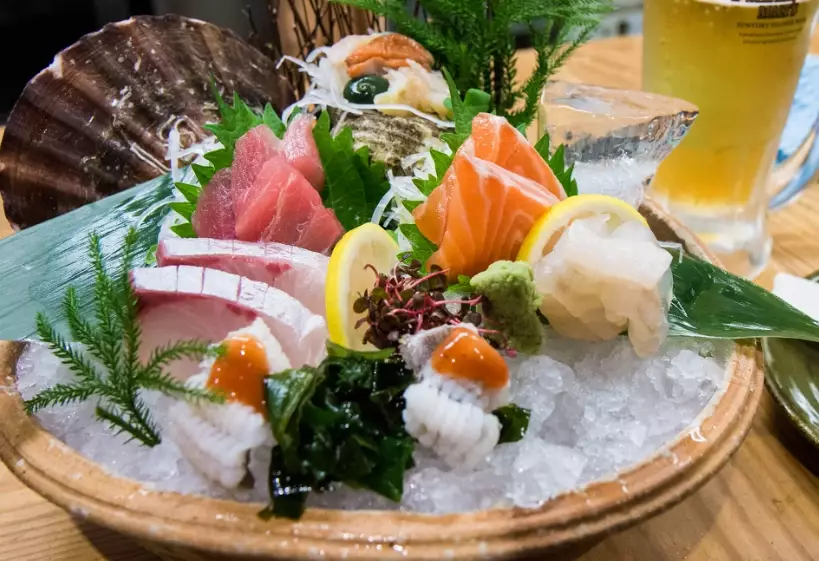
How to Eat Like a Local: Rules & Tips
Observing a few unwritten rules makes the experience smoother.
- Cash is King: 95% of stalls are cash-only. Load up on ¥1,000 notes and coins.
- Point & Nod: Don't stress about language. A pointed finger and a smile work. Many stalls have picture menus or plastic food displays.
- Eat and Walk... Carefully: It's generally acceptable, but find a corner or a railing to pause. Be mindful of your sticks and drips.
- Trash Disposal: Public trash cans are rare in Japan. You're expected to carry your waste. Stalls often have a small bin nearby for their specific skewers/sticks. Carry a small plastic bag.
- The Kushikatsu Rule (Again): No double-dipping. It's a matter of public hygiene and pride.
My personal strategy? I start with something small like a takoyaki, then move to a standing udon bar, finish with a kushikatsu skewer, and cap it off with a sweet taiyaki. It spreads the joy.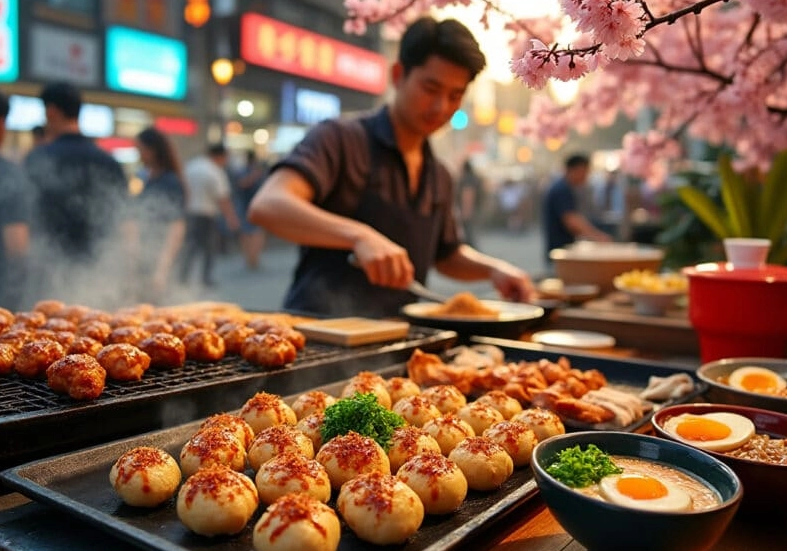
Your Perfect Osaka Street Food Day Plan
Here's a realistic, stomach-conscious itinerary.
Morning (10:30 AM): Start at Kuromon Market. Grab a fresh oyster or a scallop grilled with butter. The energy is fresh, not yet overwhelming.
Lunch (12:30 PM): Head to Shinsekai. Dive into a kushikatsu lunch at Daruma or a similar spot. Explore the area, snap a pic with Tsutenkaku Tower.
Afternoon (3:30 PM): Take the train to Namba. Wander the backstreets. Find a standing soba or udon shop for a light, brothy snack.
Evening (6:30 PM): As the lights blaze on, hit Dotonbori. This is your main event. Get takoyaki from one stall, okonomiyaki from another. Follow the crowds and the smells.
Late (9:00 PM): If you have room, find a tiny izakaya in Soemon-cho for yakitori and a nightcap.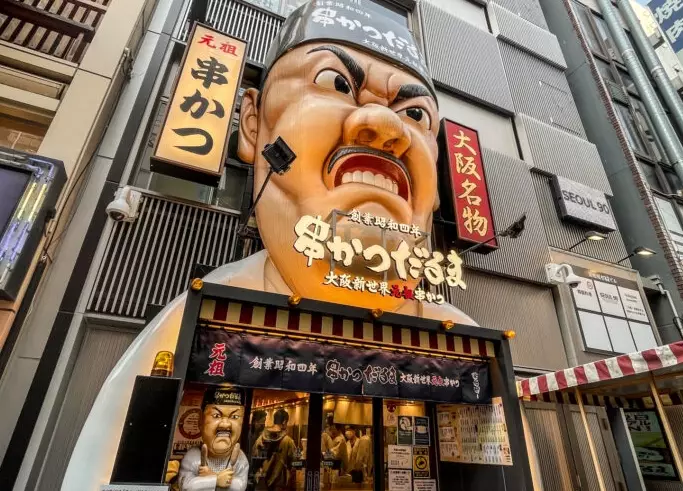
Osaka Street Food FAQs Answered
The real magic of Osaka's street food isn't just in the taste. It's in the shared experience—standing shoulder-to-shoulder with salarymen and students, feeling the heat from the grill, and making a delicious, slightly messy mess. It's the heart of the city, served on a stick or in a paper boat. Go find it.


Share Your Thoughts