Let's be real: Japan isn't a cheap destination. But it's also not the budget-buster many fear, if you plan smartly. A two-week trip can swing wildly from a shoestring $2,500 to a lavish $10,000+ per person. The sweet spot for most travelers—comfortable lodging, good food, seeing the major sights without constant penny-pinching—lands between $4,000 and $6,000 per person, excluding flights. I've made this trip half a dozen times, from backpacker hostels to splurging on ryokans, and the biggest mistake is underestimating the daily drip of small costs. This guide breaks down every yen, with concrete examples and two sample itineraries at different price points.
Your Quick Budget Map
The Complete Budget Breakdown: Where Your Money Goes
Forget rough estimates. Here’s a detailed table based on current prices (as of late 2024). Costs are per person for 14 days. Flights are highly variable depending on your origin and season, so they're listed separately.
>$1,000+>$300| Expense Category | Budget Traveler | Mid-Range Traveler | Luxury Traveler | Notes & Key Considerations |
|---|---|---|---|---|
| Round-Trip Flights | $800 - $1,200 | $1,200 - $1,800 | $2,000+ | Book 3-4 months out. Shoulder seasons (Apr-May, Sep-Oct) are pricier. |
| Accommodation | $350 - $600 | $900 - $1,800 | $2,500+ | Hostels/capsules vs. business hotels vs. luxury hotels/ryokans. |
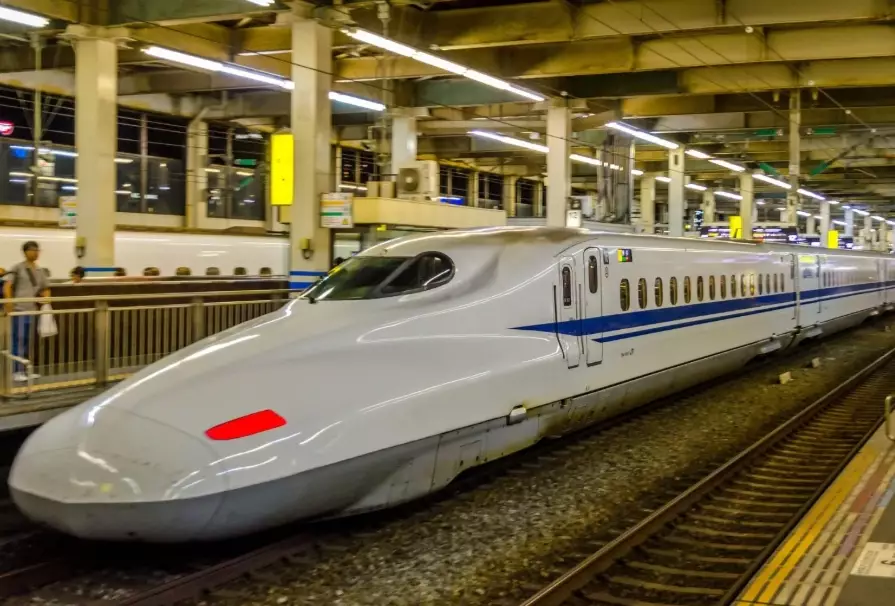
| Transportation (Internal) | $250 - $400 | $450 - $700 | $800+ | Depends heavily on use of JR Pass, regional passes, and taxis. |
| Food & Drink | $350 - $500 | $700 - $1,100 | $1,500+ | Convenience store meals vs. casual dining vs. fine dining. |
| Activities & Entrance | $150 - $250 | $300 - $500 | $800+ | Temples, museums, gardens, special experiences (tea ceremony, etc.). |
| Shopping & Souvenirs | $100 - $200 | $300 - $600 | Completely discretionary. Can range from snacks to high-end crafts. | |
| Miscellaneous & Emergency | $100 | $200 | SIM card/pocket wifi, laundry, unforeseen costs. Always have a buffer. | |
| TOTAL (excl. flights) | $1,300 - $2,050 | $2,850 - $4,900 | $6,900+ | The per-person baseline for your on-the-ground experience. |
The Hidden Cost Most Blogs Miss: Intra-city transport. You budget for the Shinkansen, but forget the $3-$6 subway rides 2-3 times a day in Tokyo or Osaka. Over two weeks, that adds $60-$150 per person easily. An IC card (Suica/Pasmo) is non-negotiable for convenience, but it makes spending feel invisible—track it.
Transportation: The Make-or-Break Factor
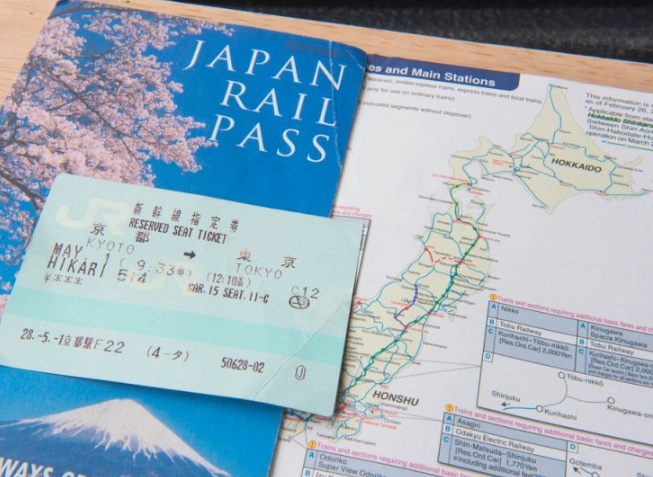
This is where you can save or splurge most dramatically. The legendary Japan Rail Pass (JR Pass) had a massive price hike in late 2023. It's no longer a no-brainer.
Is the JR Pass Worth It for 2 Weeks?
For a classic Tokyo-Kyoto-Osaka-Hiroshima loop, a 14-day Ordinary Pass costs about ¥80,000 ($520). Do the math: A one-way Shinkansen ticket from Tokyo to Kyoto is around ¥14,000 ($90). A round trip alone is ¥28,000. Add Kyoto-Osaka (¥560), Osaka-Hiroshima (¥10,000), and back to Tokyo (¥20,000), and you're at roughly ¥58,560. The pass covers this plus local JR lines, but you'd need to take several extra mid-distance trips to break even. For a focused first trip, a 7-day JR Pass used strategically (e.g., from Tokyo to Kyoto, then covering Kansai and the return to Tokyo within 7 days) paired with regional passes (like the Hakone Free Pass or Kansai Area Pass) is often more cost-effective than the 14-day pass.
Regional Passes & Budget Airlines
Don't sleep on regional passes. The Kansai Thru Pass is brilliant for Osaka, Kyoto, Nara, and Kobe because it covers private railways and subways the JR Pass doesn't. For getting between islands, budget airlines like Peach or Jetstar can be cheaper than trains if you book early and travel light. A flight from Osaka to Sapporo can be as low as $50 one-way, versus a $200+ train journey.
Where to Stay: From Capsules to Ryokans
Location trumps luxury for saving time and money. A cheap hotel far from a station is a false economy.
Budget (¥3,000 - ¥7,000/night): Capsule hotels (like Nine Hours) are an experience but lack privacy and luggage space. Business hotel chains (Toyoko Inn, APA Hotel, Dormy Inn) are my go-to for value: small but impeccably clean rooms, often with free breakfast and onsen. Book directly on their Japanese sites for better rates. Hostels with private rooms (e.g., Khaosan chain) offer social vibes at lower cost.
Mid-Range (¥10,000 - ¥25,000/night): This is the sweet spot. You get larger rooms in great locations. Look for hotels near major but not the central stations (e.g., Shinjuku or Ueno in Tokyo instead of Shibuya; around Karasuma or Gojo in Kyoto instead of Gion). I've had great stays at Mitsui Garden Hotel chain and Hotel Gracery.
Luxury (¥30,000+/night): Splurge on at least one night in a ryokan with kaiseki dinner and breakfast (e.g., Gora Kadan in Hakone). In cities, high-end hotels like The Ritz-Carlton or Aman offer unparalleled service. Book ryokans months in advance.
Food & Drink: Your Biggest Daily Joy (& Cost)
You can eat incredibly well at any budget. The mistake is assuming convenience store food (7-Eleven, Lawson) is "cheap"—it's affordable, but three meals a day of it gets old and isn't that much cheaper than a casual restaurant.
- Breakfast: Skip the hotel buffet (¥2,000+). Grab a pastry from a bakery (¥300) or a set from a coffee shop (¥500-800). Convenience store onigiri and coffee is a classic ¥350 combo.
- Lunch: This is where you save. Many renowned ramen, soba, and tonkatsu shops have lunch sets for ¥800-¥1,500 that are identical to dinner but 30% cheaper. Department store basement food halls (depachika) have amazing bento boxes for ¥1,000.
- Dinner: Casual izakaya (like Torikizoku) where plates are ¥300-¥600 each. A good sushi dinner at a kaitenzushi (conveyor belt) like Sushiro costs ¥1,500-¥2,500. For a memorable splurge, a Michelin-starred ramen or yakitori place might be ¥5,000-¥10,000, far less than a kaiseki meal.
- Drinks: Vending machine drinks are ¥120-¥200. Draft beer at an izakaya is ¥500-¥800. Coffee shop lattes are ¥400-¥600.
Two Sample 2-Week Itineraries & Budgets
Itinerary 1: The Classic First-Timer (Mid-Range Comfort)
Route: Tokyo (5 nights) → Hakone (1 night) → Kyoto (4 nights) → Osaka (3 nights) → Fly out of KIX.
Transport: 7-day JR Pass activated on Day 6 (Tokyo to Hakone/Kyoto), Hakone Free Pass, IC cards.
Budget (per person, excl. flights): ¥420,000 - ¥480,000 ($2,700 - $3,100)
Breakdown: Accommodation (¥180,000), Transport (¥70,000), Food (¥130,000), Activities (¥40,000).
Itinerary 2: The Efficient Explorer (Budget-Minded)
Route: Tokyo (6 nights) → Kyoto (5 nights) → Osaka (2 nights) → Fly out of KIX.
Transport: No nationwide JR Pass. One-way Shinkansen ticket Tokyo-Kyoto (¥14,000), Kansai Area Pass for 2 days, IC cards. Use overnight buses for ultra-savings (not recommended for comfort).
Budget (per person, excl. flights): ¥250,000 - ¥300,000 ($1,600 - $1,950)
Breakdown: Accommodation (budget hotels/hostels: ¥100,000), Transport (¥45,000), Food (¥80,000), Activities (¥25,000).
Expert Money-Saving Tips (Beyond the Obvious)
Everyone says "use IC cards" and "eat lunch specials." Here's what they don't tell you:
- Tax-Free Shopping Isn't Always a Deal: Major electronics and department stores offer tax-free for purchases over ¥5,000. But often, the tax-free price is the same as the regular price at a smaller store or online. Compare first.
- Prepaid SIM vs. Pocket Wifi: For two people, a pocket wifi device is usually cheaper and easier to share. For a solo traveler, a prepaid data SIM from the airport is often more cost-effective.
- The 100-Yen Shop is Your Friend: Don't pack toiletries, umbrellas, or socks. Buy them at Daiso or Seria. You can also get decent souvenirs here.
- Free Attractions are Often the Best: The observation decks of Tokyo Metropolitan Government Building (free) rival the Skytree (¥2,000+). Fushimi Inari Shrine in Kyoto is free and a half-day hike. Walking through Gion or along Kamogawa River costs nothing.
- Book Directly (in Japanese): Use the Japanese-language website of hotel chains (toggle the language to Japanese, use Google Translate) – rates are sometimes 10-20% lower than on Booking.com or Agoda.
Your Japan Budget Questions Answered
 How much cash should I carry daily, and are credit cards widely accepted?
- Small family-run restaurants, ramen shops, and izakaya.
- Temple and shrine entrance fees.
- Loading your IC transportation card (Suica/Pasmo).
- Street food and market stalls.
- Many vending machines (though some now take IC cards).
The myth that Japan is cash-only is outdated, but the assumption that it's fully cashless will leave you stranded at a tiny tempura bar.
The final number for your Japan trip comes down to your choices. Prioritize what matters to you—maybe it's a single incredible meal, a night in a ryokan, or unlimited Shinkansen travel. Build your budget around those priorities and save on the rest. With thoughtful planning, your two weeks in Japan will be worth every yen.

Share Your Thoughts