The short answer is yes, but it's a tight budget that requires planning, discipline, and accepting some trade-offs. 50,000 yen for one person for seven days translates to roughly 7,140 yen per day. It's absolutely possible to have a fantastic experience on this amount, but you won't be staying in luxury hotels or dining at Michelin-starred restaurants every night. This guide will dissect exactly where your money goes, provide a realistic daily plan, and share insider tips to stretch your yen further than you might think.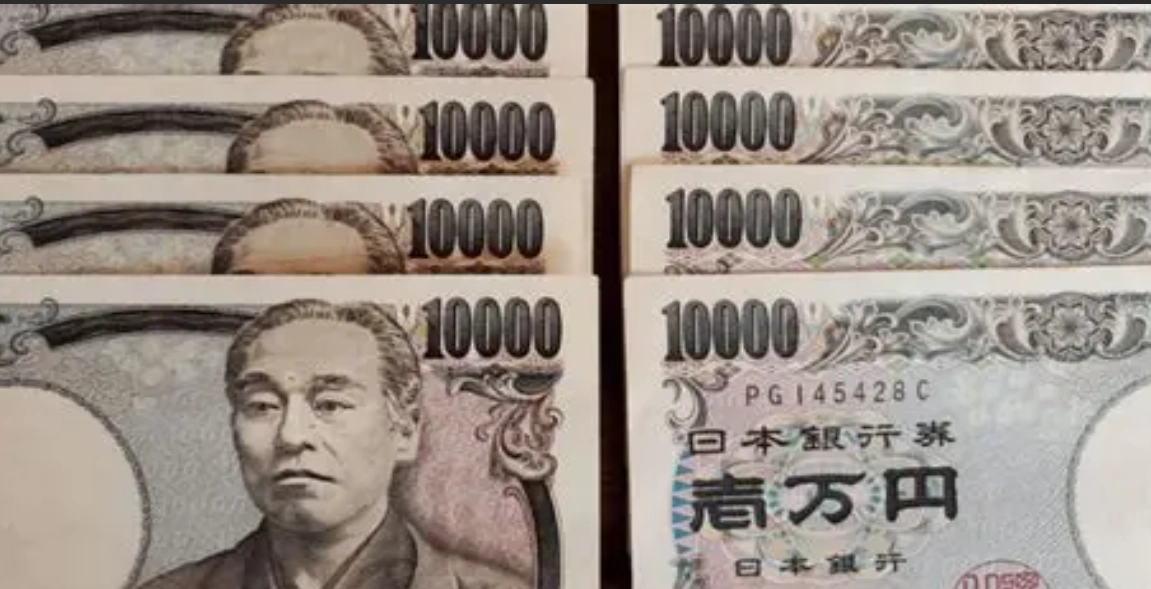
What's Inside This Guide?
The 50,000 Yen Budget Breakdown
Let's get practical. Where does 50,000 yen actually go? The biggest mistake travelers make is underestimating accommodation and transport. Here’s a realistic allocation based on current prices (2024). I'm assuming your international flights and any long-distance rail passes like the JR Pass are booked separately—this budget is for in-country expenses only.
| Category | Total Cost (7 Days) | Daily Average | Key Considerations & Examples |
|---|---|---|---|
| Accommodation | 21,000 - 28,000 yen | 3,000 - 4,000 yen | Capsule hotels, business hotels, budget hostels (dorm), or guesthouses in smaller cities. In Tokyo, expect the higher end. |
| Food & Drinks | 17,500 - 21,000 yen | 2,500 - 3,000 yen | Convenience store breakfasts (300-500 yen), ramen/gyudon lunches (800-1,200 yen), supermarket bento or casual dinner (1,000-1,500 yen). |
| Local Transport | 5,000 - 7,000 yen | 700 - 1,000 yen | IC cards (Suica/Pasmo) for subways and buses. Focus on one city or use regional passes. Walking is free. |
| Activities & Sightseeing | 4,000 - 8,000 yen | 570 - 1,140 yen | Temple/shrine entry (300-600 yen), museum fees, gardens. Many fantastic sights are free (parks, neighborhoods, temples). |
| Contingency & Souvenirs | 2,500 - 6,000 yen | 350 - 850 yen | For a drink, a snack, a unique souvenir, or an unexpected cost. Don't budget to zero. |
See the tension? Accommodation and food alone can eat up 40,000-49,000 yen if you're not careful. The secret is in the choices within each category. A business hotel at 5,000 yen per night blows the budget. A capsule at 3,500 yen keeps you on track.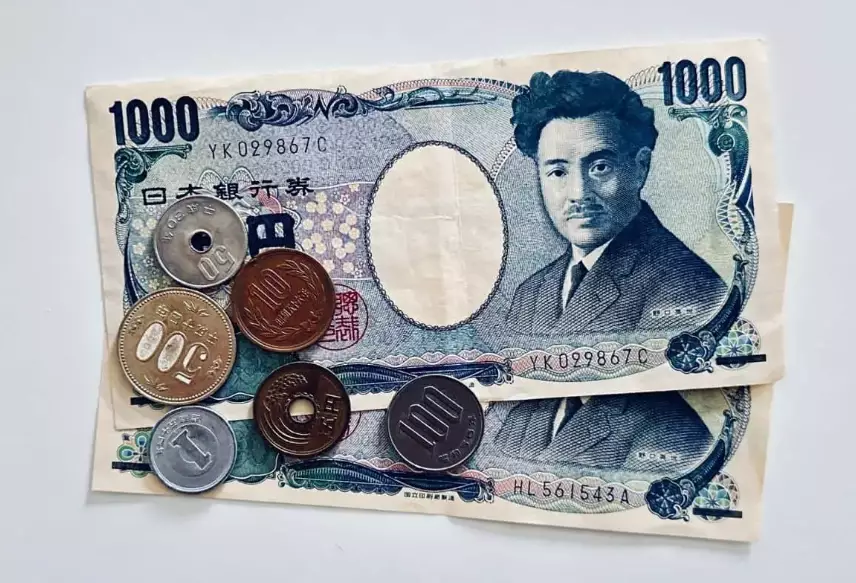
A Sample 7-Day Budget Itinerary: Kyoto Focus
To make this real, let's plan a week based in Kyoto, a city perfect for a budget traveler with its density of free temples, gardens, and walking streets. We'll allocate 48,500 yen, leaving a 1,500 yen buffer.
Accommodation (21,000 yen)
A clean, centrally-located guesthouse or capsule hotel in the Shimogyo ward. Book early. I stayed at a place called "Piece Hostel Sanjo" a few years back—great location, shared kitchen, around 3,500 yen a night for a dorm bed. It's not the Ritz, but you're there to explore, not lounge in a room.
Food & Drinks (19,000 yen)
Breakfast: FamilyMart or 7-Eleven onigiri, coffee, and fruit (450 yen).
Lunch: A hearty bowl of ramen at a local shop like "Ramen Sen No Kaze" near Nishiki Market (1,100 yen).
Dinner: Supermarket bento or katsu curry at a casual restaurant like "KatsuKura" (1,200 yen).
One splurge meal: A nice okonomiyaki dinner (2,500 yen).
This leaves room for the occasional matcha soft-serve (400 yen) or a beer from a vending machine (250 yen).
Local Transport (5,500 yen)
Load a Suica card with 5,000 yen. Kyoto buses are 230 yen per ride, subways start at 210 yen. Get a Kyoto City Bus One-Day Pass (700 yen) on days you're temple-hopping in Arashiyama or northern Higashiyama. For two heavy bus days, that's 1,400 yen. The rest goes on IC card trips and the train from/to Kansai Airport (about 1,200 yen via Haruka Express).
Activities & Sightseeing (6,000 yen)
- Kinkaku-ji (Golden Pavilion): 500 yen
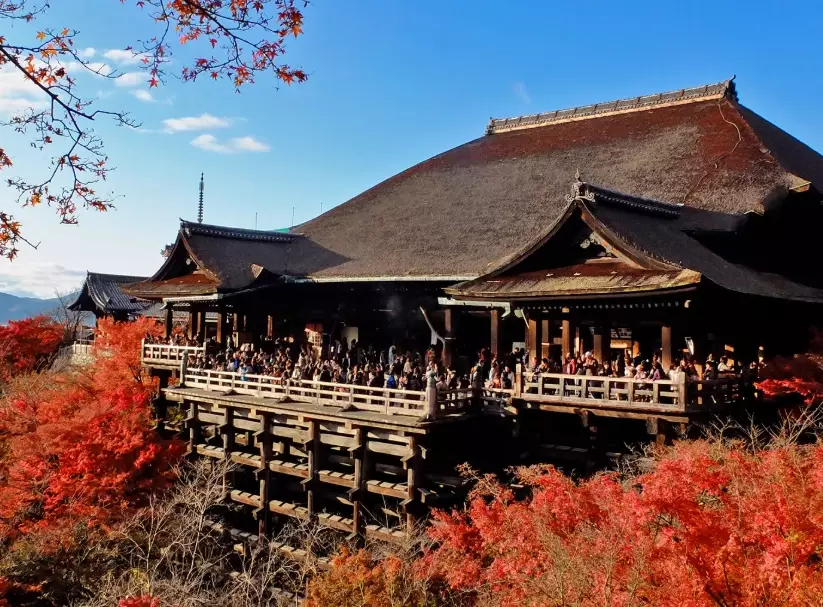
- Kiyomizu-dera: 400 yen
- Fushimi Inari Shrine: Free (donation optional)
- Arashiyama Bamboo Grove: Free
- Philosopher's Path: Free
- Nishiki Market: Free to wander
- One museum, e.g., Kyoto National Museum: 700 yen
- Gion district walking: Free
You see? The most iconic Kyoto experiences are either free or very affordable. The cost comes from a few paid temples and one museum.
Pro Tips to Save Money in Japan
These aren't the generic "travel off-season" tips. These are tactical moves.
Accommodation Hacks
Business hotel chains like Toyoko Inn or APA Hotel sometimes have last-minute deals or advance purchase rates that dip near 4,000 yen, especially outside city centers or on weekdays. Their websites are your friend. Guesthouses with kitchens let you prepare simple meals. A packet of instant ramen, an egg, and some veggies from a supermarket make a dinner for under 300 yen.
Food Strategy
Lunch is king in Japan. Many mid-range restaurants offer incredible teishoku (set meal) deals for lunch that are 30-50% cheaper than the same meal at dinner. Eat your main meal then. For dinner, department store basements (depachika) sell premium discounted bento boxes after 7 PM. It's a gourmet feast for half-price. Conveyor belt sushi for dinner? Go during the last hour they're open—they often reduce prices to clear fresh stock.
Transport Mastery
Forget taxis. Use Google Maps or Japan Travel by Navitime app for exact, cheapest routes. Rent a bicycle in flat cities like Kyoto or Kamakura (~1,000 yen/day). It's transport and sightseeing combined. If moving between two specific areas, check for regional passes (e.g., Hakone Free Pass, Osaka Amazing Pass) which bundle transport and attractions.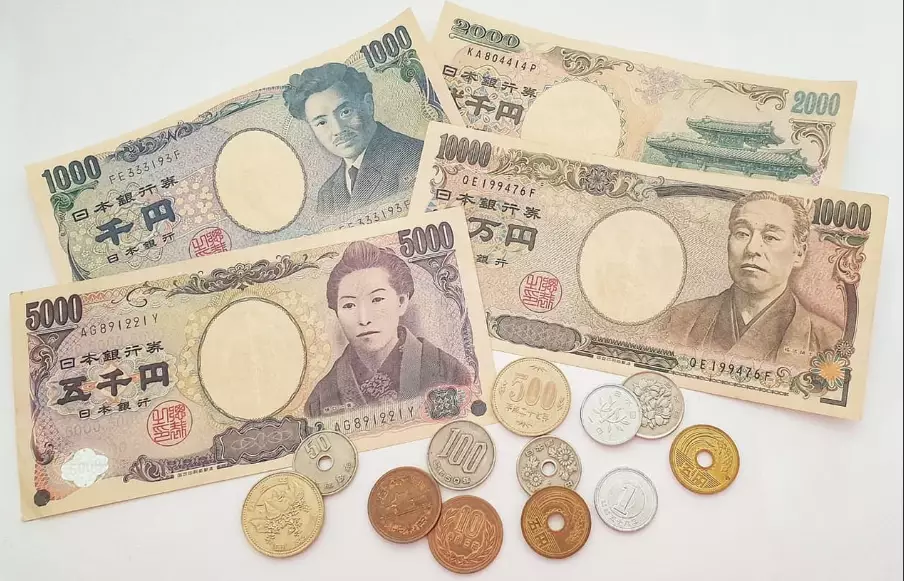
When 50,000 Yen Might Not Be Enough
Be honest with your travel style. This budget fails if:
- You plan to bullet train between Tokyo, Kyoto, and Hiroshima. A 7-day JR Pass alone is about 50,000 yen. You'd need a separate budget for everything else.
- You must stay in private hotel rooms. Even cheap business hotels average 7,000-9,000 yen nightly in major cities.
- Your idea of dining is sit-down restaurant meals three times a day.
- You want to experience high-cost activities like teamLab Planets, Studio Ghibli Museum, or a sumo tournament.
- You're traveling during peak cherry blossom or autumn foliage season, when accommodation prices can double.
In these cases, 70,000-100,000 yen provides a much more comfortable and flexible week.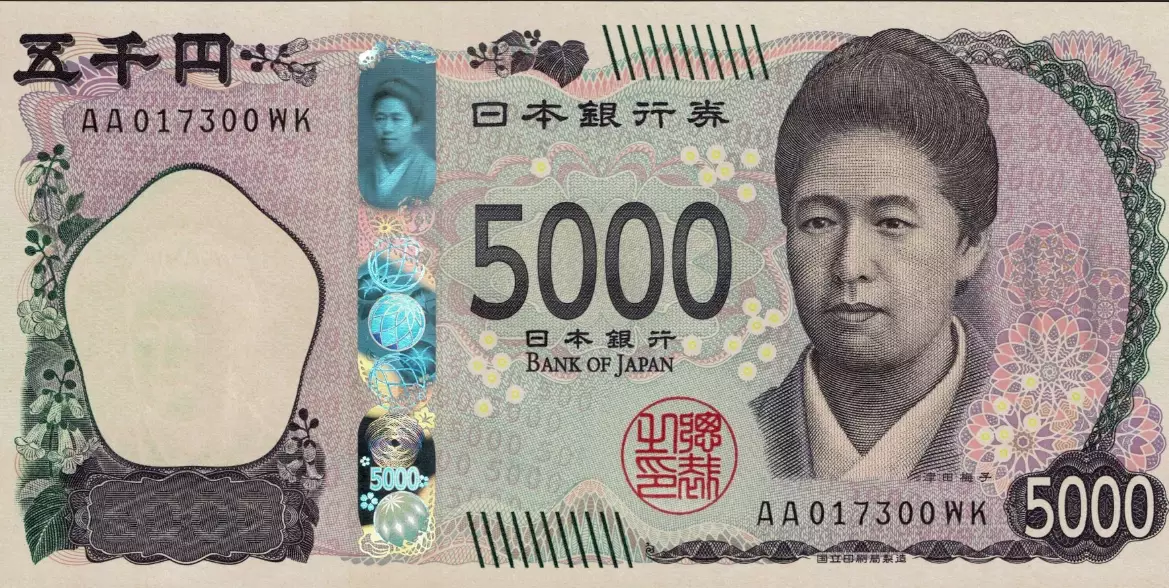
Your Japan Budget Questions Answered
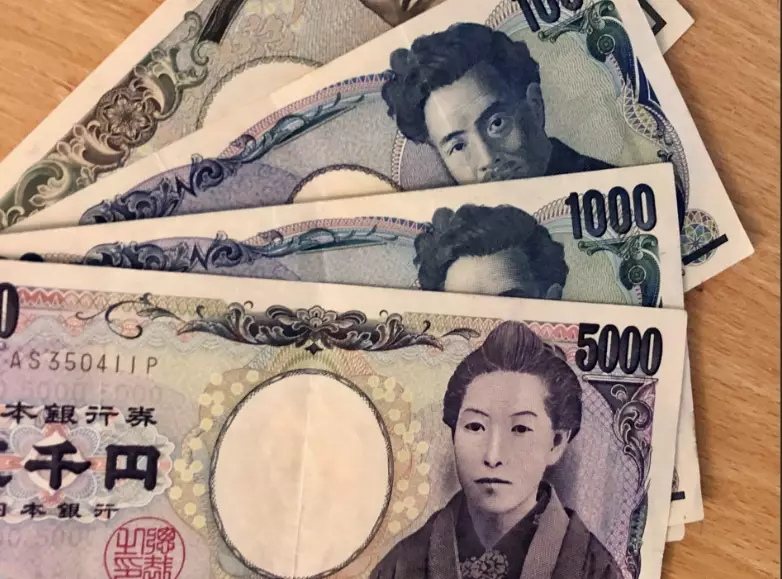 Is Tokyo more expensive than Kyoto/Osaka for this budget?
So, is 50,000 yen enough for a week in Japan? It's a solid shoestring budget for a savvy, no-frills traveler who prioritizes experiences over comfort. It demands planning, a willingness to embrace simpler accommodations and food, and a focus on the wealth of low-cost and free attractions that Japan offers in abundance. With the strategies above, you can make every yen count and have an unforgettable journey.


Share Your Thoughts