Quick Navigation
- Spring in Japan (March to May): The Famous Cherry Blossom Season
- Summer in Japan (June to August): Festivals, Fireworks, and... Humidity
- Autumn in Japan (September to November): The Other Superstar Season
- Winter in Japan (December to February): Beyond the Ski Slopes
- Your Decision Matrix: Finding YOUR Best Time
- Regional Considerations: Japan is Not One Climate
- Final Thoughts and Practical Tips
Let's be honest right from the start. If you're looking for a single, magical month where Japan is cheap, empty, sunny, and draped in cherry blossoms all at once... I'm sorry to disappoint. That month doesn't exist. The search for the best time to visit Japan is a bit like trying to find the perfect pair of jeans—it completely depends on what you're looking for, what you value most, and what you're willing to put up with.
I've been multiple times, in different seasons, and each trip felt like a completely different country. The frantic, petal-filled energy of spring is a world away from the serene, fiery beauty of autumn. The sticky, festival-heavy summer feels nothing like the crisp, quiet onsens of winter.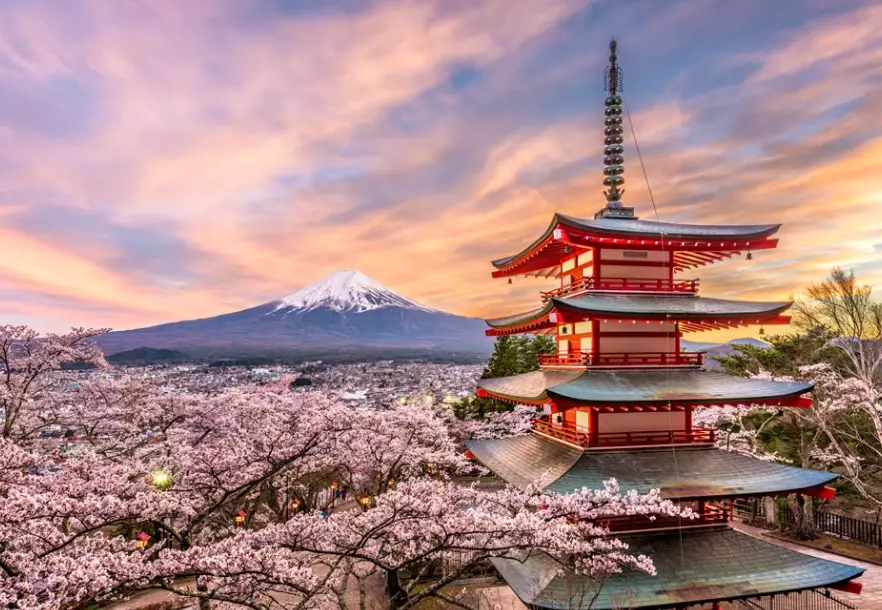
So instead of giving you a simple answer, I'm going to lay it all out for you. We'll dive deep into what each season in Japan actually feels like—the good, the bad, and the downright humid. We'll talk weather, crowds, costs, and those unique seasonal moments you simply can't get any other time of year. By the end, you'll know exactly which season aligns with your dream trip. Because your best time to visit Japan is personal.
Spring in Japan (March to May): The Famous Cherry Blossom Season
Ah, spring. This is the poster child for Japanese tourism, and for good reason. The sakura (cherry blossom) season is genuinely magical. But it's also the trickiest, most crowded, and often most expensive time to go. Is it worth it? For many, absolutely yes. For others... maybe not.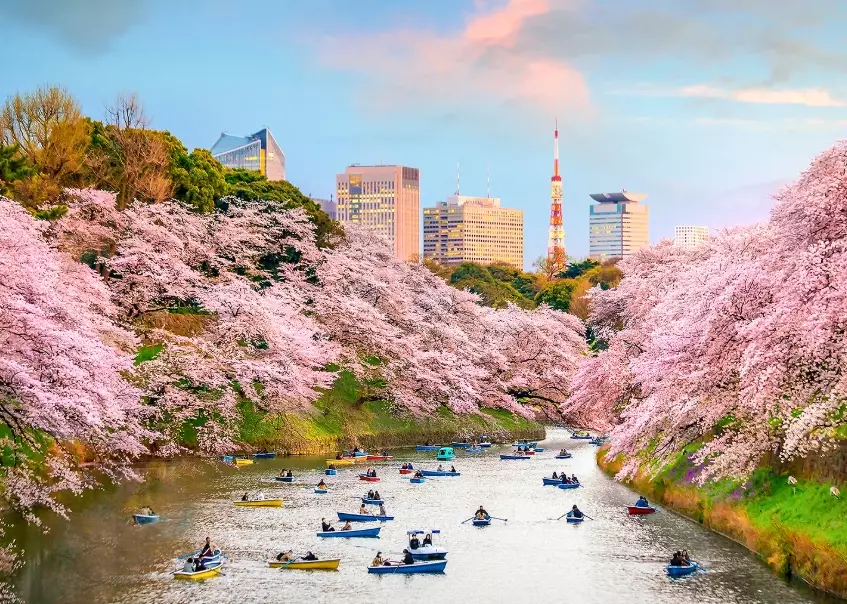
What Spring is Actually Like
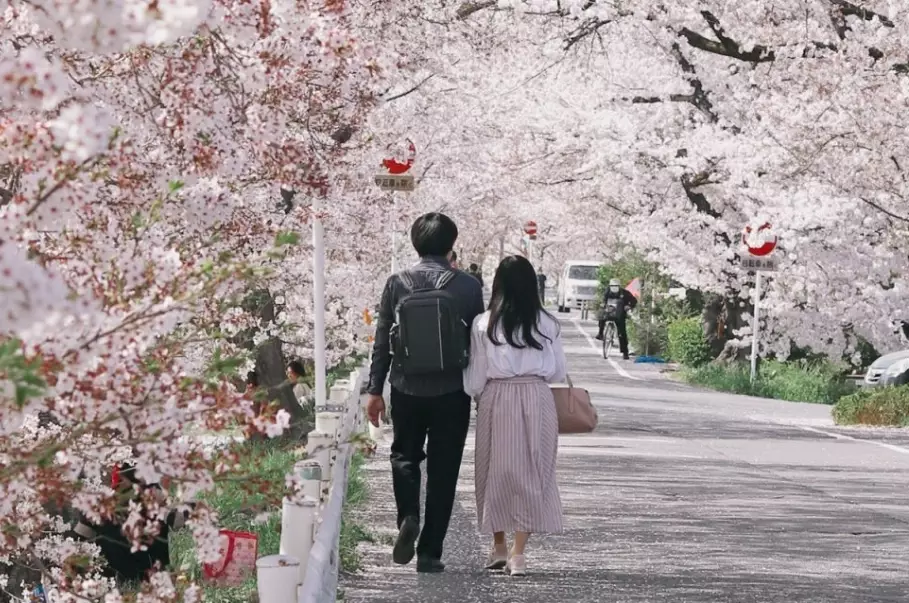
The weather is fantastic—cool, crisp mornings warming into pleasant, sunny afternoons. It feels hopeful. But the keyword here is unpredictable. The famous cherry blossom front (sakura zensen) moves northward with the warming temperatures, and its timing shifts slightly every year. A warm spell can make them bloom and fall in a week. A cold snap can delay everything.
I remember planning a trip around a predicted "full bloom" date in Kyoto. We arrived, and a sudden rainstorm the day before had stripped half the trees. Still beautiful? Incredibly. The ground was a pink carpet. But the iconic "tunnel of blossoms" was past its prime. You have to be flexible and have a bit of luck on your side.
| Factor | Spring (Mar-May) Reality | Good For... | Not So Good For... |
|---|---|---|---|
| Weather | Mild & pleasant, but unpredictable. Can be rainy. Avg: 10-20°C (50-68°F). | Outdoor sightseeing, park visits, long walks. | Guaranteeing perfect bloom dates; beach weather. |
| Crowds | Extremely High, especially at major sakura spots (Ueno Park, Philosopher's Path, etc.) and Golden Week (late Apr/early May). | Experiencing the famous festive hanami (blossom viewing) party atmosphere. | Quiet, contemplative travel; last-minute bookings. |
| Cost | Peak season prices. Flights and hotels are most expensive, especially around bloom forecasts. | Those with a set budget for a once-in-a-lifetime sakura trip. | Budget travelers or those seeking value. |
| Highlights | Cherry blossoms (Sakura), wisteria festivals, fresh green landscapes, Golden Week festivals. | Photography, romantic trips, first-time visitors wanting "the" classic Japan experience. | Avoiding other tourists. |
The Spring Verdict: Go for spring if seeing the cherry blossoms is a non-negotiable bucket list item. Book everything (flights, hotels, even some popular restaurants) 6-8 months in advance. Be prepared for crowds and higher costs. If you just want nice weather and can skip the peak bloom madness, consider late May, after Golden Week ends. The crowds thin, prices drop a bit, and the weather is still lovely with fresh greenery—a seriously underrated time, in my opinion.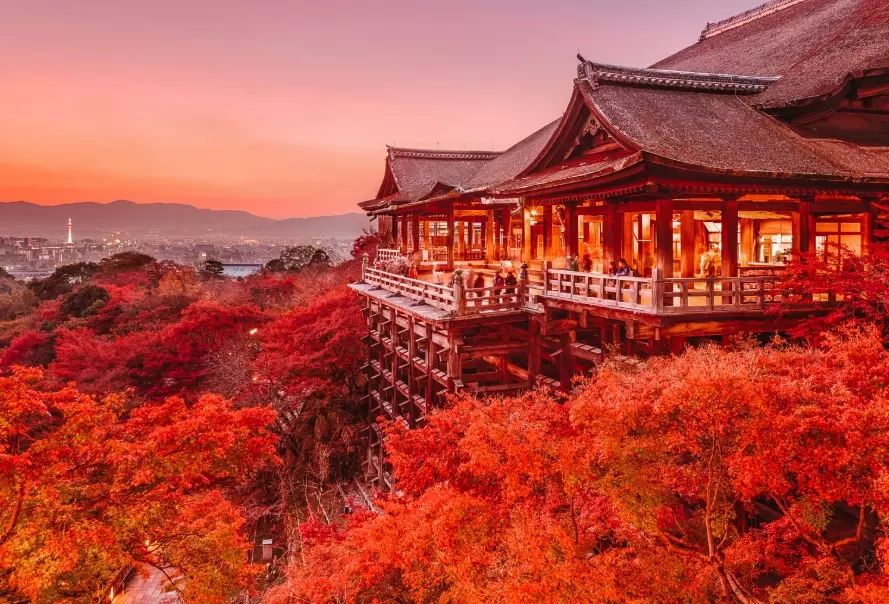
Use the official Japan Meteorological Agency forecasts as your guide, but don't bet your entire trip on them. Have a Plan B list of sights that are beautiful even without blossoms.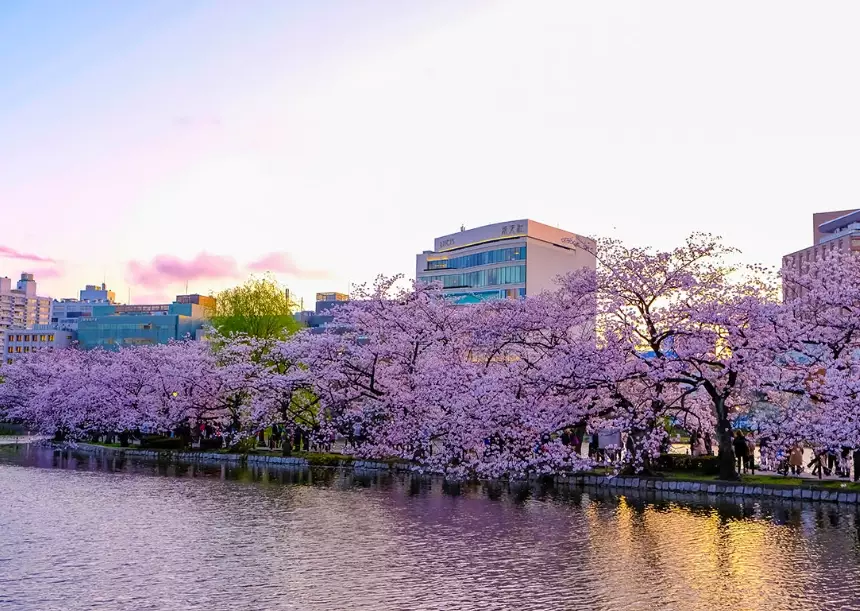
Summer in Japan (June to August): Festivals, Fireworks, and... Humidity
Summer is Japan's Jekyll and Hyde season. It's vibrant, chaotic, and packed with incredible festivals. It's also hot and humid in a way that must be experienced to be believed. We're talking "step outside and instantly need a shower" levels, especially in July and August. This is a love-it-or-hate-it season.
Breaking Down the Summer Months
June: This is the rainy season (tsuyu). It's not constant torrential rain, but expect grey, drizzly days and high humidity. The upside? Lush, emerald-green landscapes and far fewer tourists. It's a moody, atmospheric time to visit Kyoto's temples, for instance.
July & August: The rain stops, and the furnace turns on. Temperatures soar into the mid-30s°C (90s°F) with stifling humidity. But! This is also the peak of matsuri (festival) season. From the Gion Matsuri in Kyoto to the Nebuta Matsuri in Aomori and countless fireworks festivals (hanabi taikai), the country comes alive at night.
My most memorable summer experience was getting caught in a massive, joyful crowd at a small-town fireworks show—eating kakigori (shaved ice), wearing a yukata, surrounded by laughter. You couldn't do that any other time. But the next day, sightseeing in the midday heat was a genuine struggle.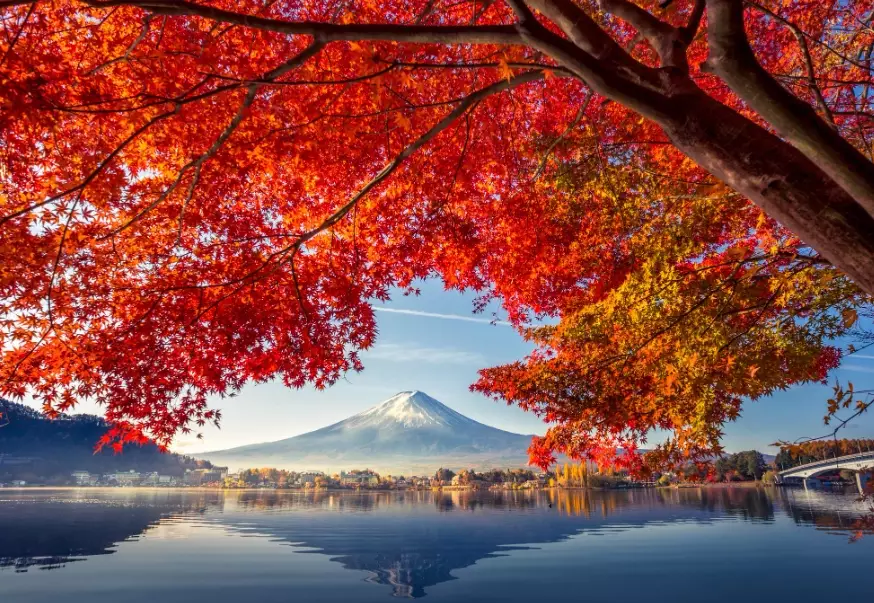
The north (Hokkaido) is a glorious summer exception. It's pleasantly warm, dry, and famous for its lavender fields in Furano. If you want a summer trip but fear the heat, Hokkaido is your answer. Similarly, the mountain resorts like Hakone offer some respite.
So, is summer a best time to visit Japan? It is if your dream is to dive headfirst into Japan's vibrant festival culture, you don't mind the heat, and you plan your itinerary smartly. It's also great for hiking in the Japan Alps or escaping to Hokkaido.
Autumn in Japan (September to November): The Other Superstar Season
Many seasoned travelers (myself included) argue that autumn might just be the overall best time to visit Japan. You get many of the perks of spring—mild weather, stunning natural beauty—with (generally) fewer crowds and slightly more manageable prices. The star of the show is koyo, the autumn foliage.
The Autumn Color Front
Like the cherry blossoms, the autumn colors have a front that moves southward as temperatures drop, starting in Hokkaido in September and reaching Kyoto and Tokyo in November. The peak is more reliable and lasts longer than the cherry blossoms—often a good two weeks in any given location.
The colors are breathtaking. Fiery red maples, golden ginkgo trees... it's a photographer's paradise. The weather is perfect for exploration: cool, crisp air and sunny days. It's ideal for hiking, visiting rural onsens, and exploring cities on foot.
Crowds do build up at famous leaf-viewing spots like Arashiyama in Kyoto or Nikko, but it rarely feels as frenetic as sakura season. You also have a wider range of dates to choose from. November, in particular, is golden.
Foodies, take note: Autumn is the season for sanma (Pacific saury), matsutake mushrooms, and the beginning of sweet potato and chestnut treats. It's a delicious time to be here.
Winter in Japan (December to February): Beyond the Ski Slopes
Winter is Japan's secret weapon. Most people think of two things: skiing and cold. And yes, Japan has some of the best powder snow on earth in Hokkaido and the Japanese Alps—a huge draw for skiers and snowboarders. But there's so much more.
In the cities, winter is cool to cold (often around 0-10°C or 32-50°F) but usually sunny and dry. Crowds are at their absolute lowest, especially in January and February (excluding the New Year holiday period). You can have famous temples almost to yourself. Hotel prices are often at their most reasonable.
The Winter Magic
The illuminations are insane. Places like Tokyo's Roppongi Hills or Kobe's Luminarie put on breathtaking light displays. It's incredibly festive.
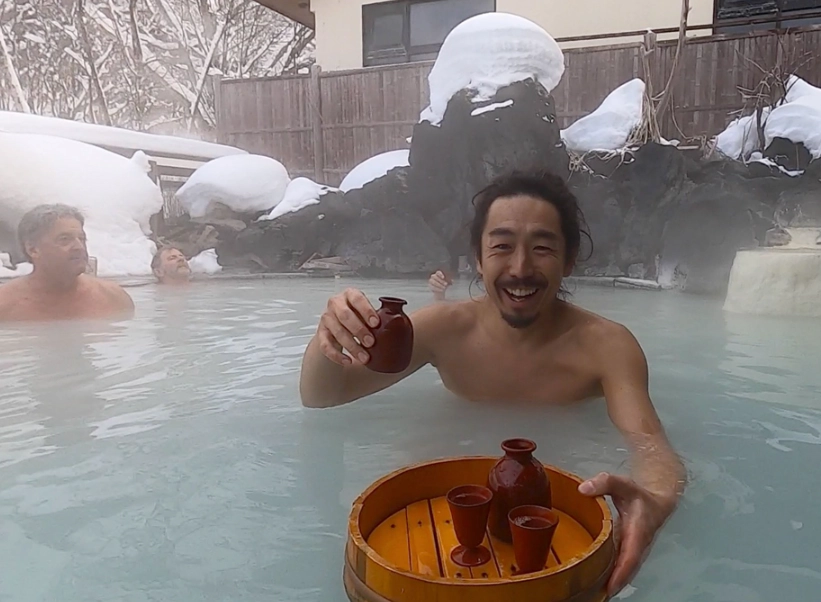
Then there's the onsen experience. Soaking in a steaming outdoor hot spring (rotenburo) while snowflakes fall around you is a quintessential, deeply relaxing Japanese experience. Towns like Kusatsu or Ginzan Onsen look like something out of a fairy tale.
New Year (Shogatsu, Jan 1-3) is a major family holiday in Japan. Many businesses close, and trains are packed as people return home. It's a fascinating cultural period to observe, but not the easiest for standard tourism. I'd advise first-time visitors to avoid this specific week unless experiencing New Year traditions is the goal.
So, is winter the best time to visit Japan? For skiers, culture seekers who hate crowds, budget travelers, and onsen lovers, it's a resounding yes. Just pack a good coat!
Your Decision Matrix: Finding YOUR Best Time
Okay, so with all that info, how do you choose? Let's make it practical. Ask yourself these questions:
- What's my #1 priority? (e.g., "See cherry blossoms," "Avoid crowds," "Go to a big festival," "Ski," "Stick to a budget")
- How do I handle weather extremes? Can I tolerate high heat/humidity or cold?
- What's my budget look like? Can I afford peak-season premiums?
- Do I need to book far in advance, or do I want flexibility?
Based on your answers, here's a quick-match guide:
- For Cherry Blossoms & Perfect Weather: Spring (late March to mid-April). Accept the crowds and costs.
- For Festivals & Vibrant Energy: Summer (July-August). Accept the heat.
- For Foliage, Mild Weather & Great Value: Autumn (October-November). The all-rounder.
- For Skiing, Few Crowds, Onsens & Lower Costs: Winter (January-February, excluding NY). Accept the cold.
- For Good Weather & Fewer Crowds (The Sweet Spots): Late May or Late October.
Regional Considerations: Japan is Not One Climate
This is crucial. When we talk about the best time to visit Japan, we're usually talking about the main tourist circuit (Tokyo, Kyoto, Osaka, Hiroshima). But Japan stretches over 3,000 km from north to south.
- Hokkaido (North): Winters are long and snowy; summers are mild and perfect. Ski season runs Dec-Mar. Flower fields bloom in July-Aug. Autumn comes early (Sep-Oct).
- Okinawa (South): Subtropical. It has a beach season from Apr-Oct, but can be rainy/typhoon-prone in summer. Winter is mild (around 20°C/68°F) and sunny—a great escape from mainland cold.
- Japanese Alps: Mountainous regions are cooler in summer, making them great escapes, and are, of course, prime for winter sports.
Always check the specific weather for the regions you plan to visit. The Japan National Tourism Organization's official site has excellent regional guides and event calendars.
Final Thoughts and Practical Tips
No matter when you go, Japan is amazing. Each season dresses the country in a different costume and offers a unique personality.
My biggest practical tip? Book accommodation early, especially for peak seasons (cherry blossoms, autumn leaves, major festivals). Good, reasonably-piked places in central locations sell out fast.
And be flexible within your season. Have a mix of indoor and outdoor activities planned so you can pivot if the weather turns. Some of my best memories were in a cozy cafe watching the rain, or getting lost in a massive department store basement food hall (depachika).
Ultimately, the best time to visit Japan is when you can go. Don't overthink it to the point of paralysis. Do your research, pick a season that aligns with your main wish, pack accordingly, and get ready for an incredible adventure. You'll have a fantastic time whenever you land.

Share Your Thoughts