Quick Journey Guide
Let's cut to the chase. You typed that question into Google because you want a straight answer. The frustrating truth—and the honest one—is that there isn't a single "best" month that works for everyone. Anyone who tells you otherwise is selling you a one-size-fits-all postcard that doesn't exist. The real answer to "what are the best months to visit Japan?" depends entirely on what you want out of your trip. Your tolerance for crowds, your budget, your obsession with cherry blossoms or maple leaves, your love for festivals or hatred for humidity—it all matters.
I've been multiple times, in different seasons, and each trip felt like a completely different country. The serene, pink-hued Kyoto of April is a world away from the buzzing, humid matsuri (festival) madness of Tokyo in August.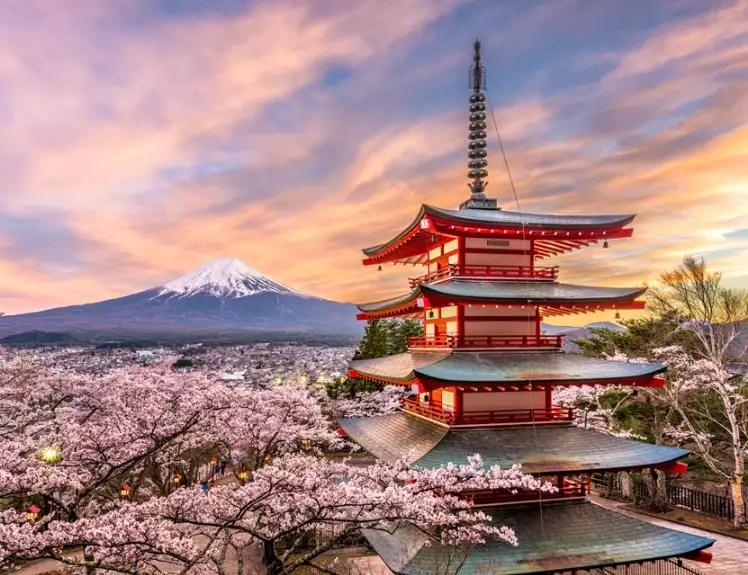
The Core Idea: Japan is a destination with four incredibly distinct personalities. Picking the best time to visit Japan is less about finding a perfect universal date and more about matching a season's personality to your own travel style.
This guide won't just give you a chart and send you on your way. We're going to dig into the soul of each season—the weather you'll actually feel on your skin, the crowds you'll navigate (or avoid), the specific festivals you can catch, and the unique pros and cons that guidebooks sometimes gloss over. We'll also tackle the practical stuff: budgets, what to pack, and answers to those nagging questions you haven't even typed into search yet.
Breaking Down the Japanese Year: A Season-by-Season Deep Dive
To figure out the best months to visit Japan for YOU, you need to know what you're signing up for. Let's walk through the calendar.
Spring (March to May): The Famous Cherry Blossom Season
Ah, spring. This is the poster child for Japanese tourism, and for good reason. The sakura (cherry blossoms) are a cultural phenomenon, not just pretty flowers. The atmosphere is electric with hanami (flower-viewing) parties in parks.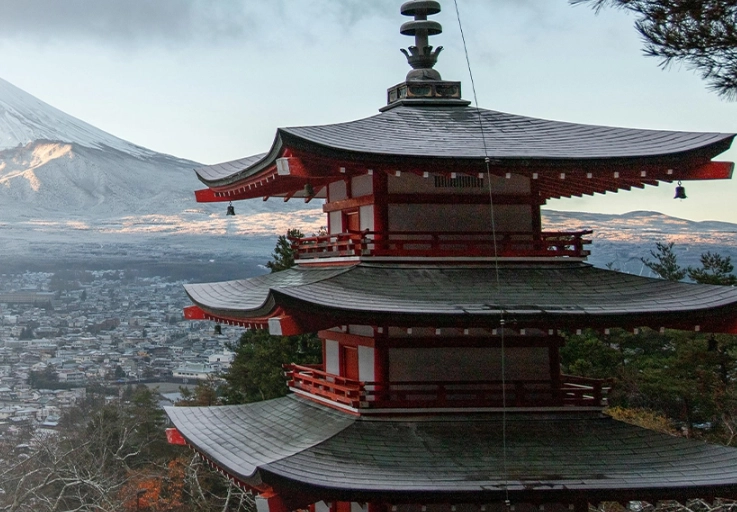
Key Months & What to Expect:
- Late March to mid-April: The peak sakura front moves from south (Kyushu) to north (Hokkaido). This is peak season in every sense—peak beauty, peak crowds, peak prices. Tokyo, Kyoto, and Osaka are packed.
- May: Often overlooked gem. The "Golden Week" national holidays (late April/early May) are insanely busy as Japanese people travel. But after Golden Week, you get lovely mild weather, lush green scenery, and fewer crowds. It's a smart compromise.
Weather: Unpredictable in March (can be chilly), becoming mild and pleasant in April and May. Evenings can still be cool.
Not to Miss: Obviously, the cherry blossoms. But also the wisteria tunnels at Ashikaga Flower Park (stunning), and the fresh, green beauty of places like Kyoto's bamboo forest without the extreme summer heat.
The Spring Verdict:
Pros: Iconic scenery, fantastic festive atmosphere, comfortable temperatures, beautiful natural backdrops for photos.
Cons: Extremely high demand (book flights/accommodation 6-12 months ahead), highest travel costs, crowded major sights, weather can be fickle.
Best for: First-time visitors who have their heart set on sakura, photographers, those who don't mind crowds and plan far ahead.
So, are the spring months the best months to visit Japan? For the classic postcard experience, yes. For a relaxed or budget-friendly trip, maybe not.
Summer (June to August): Festival Fire and Oppressive Humidity
Summer in Japan is... intense. It's a season of powerful contrasts. On one hand, you have some of the most incredible, energetic festivals in the world. On the other, you have humidity that feels like a warm, wet blanket the moment you step outside.
Key Months & What to Expect:
- June: The rainy season (tsuyu) hits most of Japan except Hokkaido. It's not constant rain, but expect grey, damp, and humid days. It's the low season for a reason, but landscapes are incredibly lush.
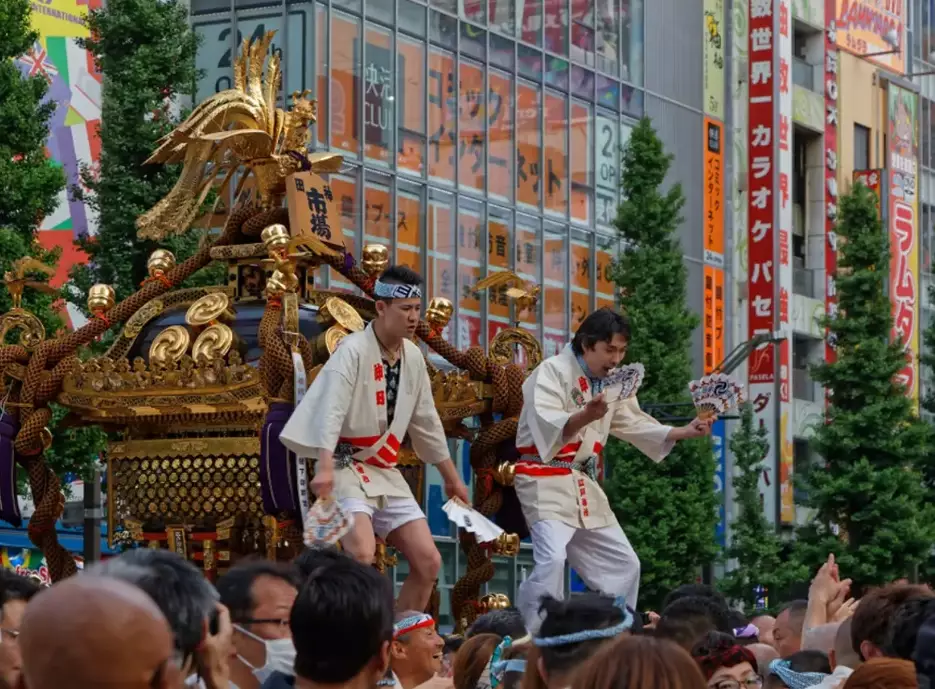
- July & August: Hot and humid. Temperatures regularly hit the mid-30s°C (90s°F) with high humidity. This is festival season! From the Gion Matsuri in Kyoto to the Nebuta Matsuri in Aomori, the country comes alive at night.
Weather: Rainy in June, then hot and very humid July-August. Hokkaido and the Japanese Alps offer a cooler escape.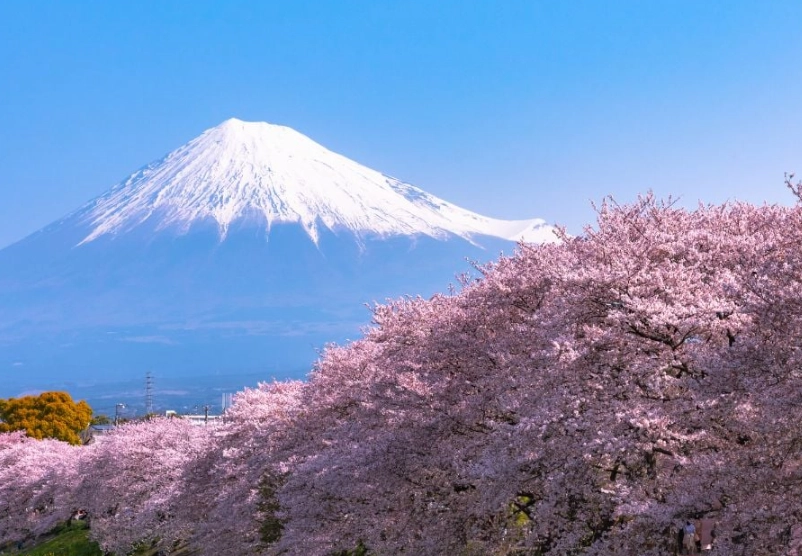
Not to Miss: The major festivals (Gion Matsuri, Tenjin Matsuri, Awa Odori). Hiking in the cooler highlands of Kamikochi or the Japanese Alps. Escaping to the northern island of Hokkaido for its wide-open spaces and milder climate.
My Take: The humidity is no joke. I struggled with it in Tokyo. Your days revolve around getting to air-conditioned spaces. But watching a giant lantern float down a river at a festival, with the night air thick with energy—that's a memory that makes the sweat worth it.
The Summer Verdict:
Pros: Incredible, vibrant festivals, lush green landscapes, fewer crowds in June (except for the rain), opportunities to hike in beautiful highland areas.
Cons: Oppressive heat and humidity (July-Aug), rainy season in June, risk of typhoons in late summer, peak domestic travel in August during Obon.
Best for: Festival enthusiasts, hikers heading to the mountains, travelers to Hokkaido, those who can handle heat and plan activities for early morning/evening.
If you're asking what are the best months to visit Japan for festivals and vibrant energy, summer is your answer. Just pack light, breathable clothes and a powerful dehumidifier mindset.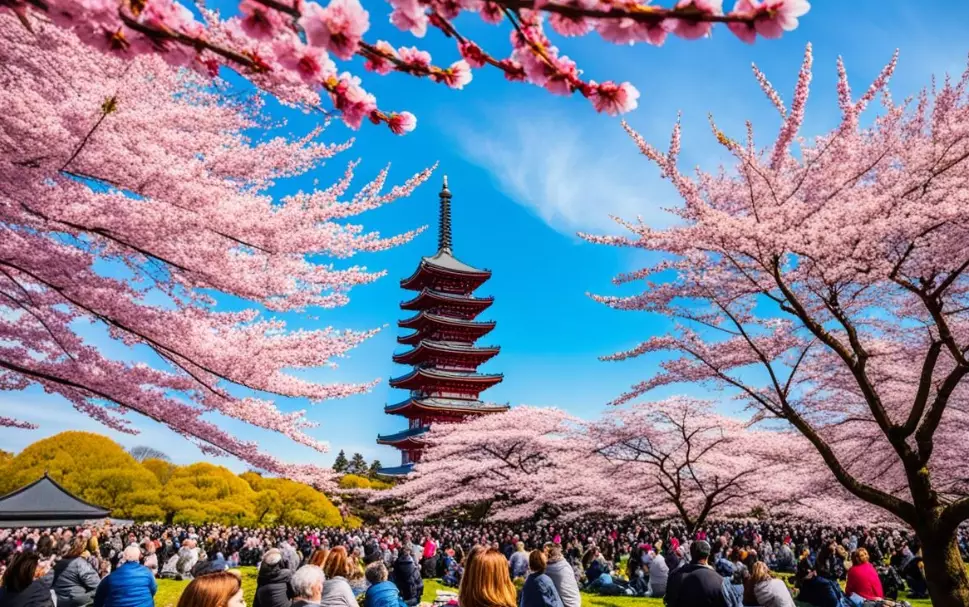
Autumn (September to November): The Crowd-Pleasing Favorite
Many seasoned travelers (myself included) argue that autumn gives spring a run for its money as the overall best time to visit Japan. The weather is near-perfect, the crowds are thinner than spring (though growing every year), and the koyo (autumn foliage) is as breathtaking as the sakura, but with a richer, warmer color palette.
Key Months & What to Expect:
- September: Can still be warm and is the peak of the typhoon season, especially in the south. It's a transitional month.
- October: Fantastic. Warm days, cool nights, lower humidity. The foliage starts in the north (Hokkaido, Japanese Alps) and at higher elevations.
- November: The prime month for koyo in Kyoto, Tokyo, and central Japan. The weather is crisp and cool, perfect for exploring.
Weather: Pleasant and mild, becoming crisp and cool. A great relief after summer. Perfect walking-around weather.
Not to Miss: The autumn leaves, obviously. Kyoto's temples framed by red maples are iconic. Also, the harvest season means delicious food—sweet potatoes, persimmons, mushrooms, and the season's first sake.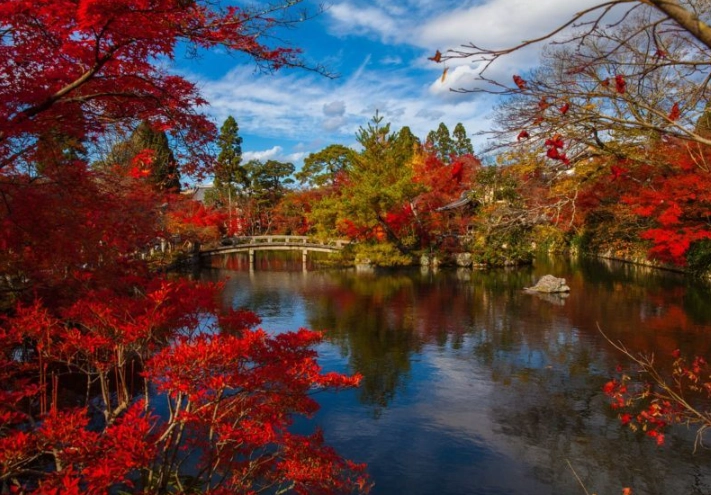
| Autumn Foliage Peak Timeline (Approximate) | Regions & Key Spots |
|---|---|
| Early to Mid-October | Hokkaido (Daisetsuzan), Japanese Alps (Kamikochi) |
| Late October to Early November | Tohoku Region (Nikko), Hakkoda Mountains |
| Mid to Late November | Kanto (Tokyo), Kansai (Kyoto, Osaka), Chubu |
| Late November to Early December | Southern regions (Kyushu), lower elevations |
The Autumn Verdict:
Pros: Excellent weather, stunning autumn foliage, abundant seasonal food, fewer crowds than spring (though increasing).
Cons: Typhoon risk in September, foliage season is becoming more popular (book ahead), can be chilly later in the season.
Best for: Almost everyone. Foodies, photographers, hikers, culture lovers. It's arguably the most well-rounded and pleasant season for general tourism.
For a balance of great weather, beauty, and manageable crowds, many find that asking "what are the best months to visit Japan?" leads them straight to October and November.
Winter (December to February): Snow, Serenity, and Onsen
Winter is Japan's secret weapon. If you think of Japan as just temples and sushi, you're missing the world-class powder snow in Hokkaido and the Japanese Alps, and the magical, quiet atmosphere of ancient cities like Kyoto after a rare snowfall.
Key Months & What to Expect:
- December: Festive lights (illuminations) in cities are spectacular. It's cold but not brutally so in most places. A lovely pre-Christmas vibe.
- January & February: The coldest months. Perfect for skiing/snowboarding. In cities, it's the low season for tourism (except around New Year), so you can have major sights almost to yourself.
Weather: Cold and dry in most of Honshu (Tokyo, Kyoto). Very snowy in Hokkaido and the Japan Sea side (like Shirakawa-go). The Pacific side (Tokyo, Osaka) gets little snow but cold winds.
Not to Miss: World-class skiing in Niseko, Hakuba, or Nozawa Onsen. Soaking in an outdoor onsen (hot spring) while snow falls around you—a quintessential Japanese experience. The illuminations in Tokyo, Osaka, and Kobe. Seeing the thatched roofs of Shirakawa-go covered in snow.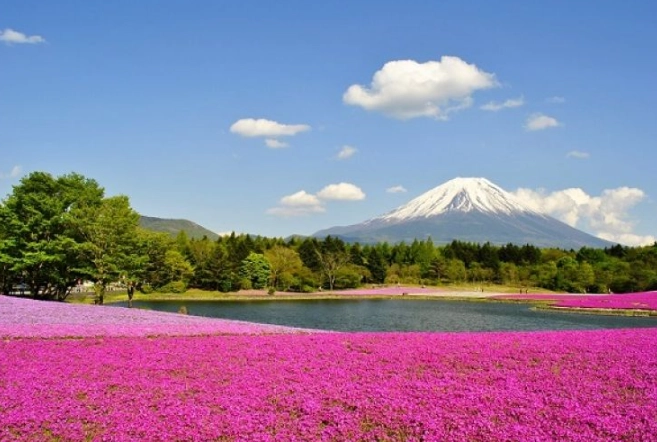
The Winter Verdict:
Pros: Fantastic skiing/snowboarding, magical snowy landscapes, fewest tourists in cities (except New Year), lower prices (except ski resorts), incredible onsen experiences.
Cons: Can be very cold, especially in the north. Some rural attractions or hiking trails may be closed. Daylight hours are shorter.
Best for: Skiers and snowboarders, onsen lovers, photographers seeking snowy scenes, travelers who dislike crowds and don't mind the cold.
Winter is absolutely one of the best times to visit Japan if your dream involves powder snow or serene, crowd-free cultural exploration.
The Practical Side: Budget, Crowds, and Making Your Choice
Knowing the seasons is one thing. Mapping that to your wallet and patience is another.
Crowd Calendar & Price Fluctuations
Let's be real: crowds affect your experience. Here’s the rough guide:
- Peak Crowds & Prices: Cherry blossom season (late Mar-Apr), Golden Week (late Apr/early May), Obon (mid-Aug), Autumn foliage peak (late Nov). Book everything far in advance.
- Shoulder Seasons (Great Balance): Late May (post-Golden Week), June (but mind the rain), September (but mind typhoons), early December. Better prices, fewer people.
- Low Season (For the Crowd-Averse): January & February (excluding ski resorts and New Year), June (rainy season). You'll find the best deals and the most space.
Budget Breakdown by Season
Your daily spend will swing dramatically.
Your Travel Planning Checklist
Once you've picked your season, here's what to do next.
1. Book Flights & Accommodation Early. This is non-negotiable for peak seasons. For sakura or koyo, 6-12 months is not an exaggeration for popular places like Kyoto. Use aggregators but also check airline and hotel websites directly. Consider business hotels for efficiency or ryokans for a cultural immersion.
2. Get Your Logistics Sorted. Check visa requirements. For getting around, a Japan Rail Pass might save you money, but always do the math for your specific itinerary—sometimes regional passes or buying individual Shinkansen tickets is cheaper. Get a Suica or Pasmo card for effortless local train and bus travel in cities.
3. Pack Smart for the Season. Spring/Fall: Layers are key. A light jacket, sweaters. Summer: Moisture-wicking clothing, a small towel, an umbrella. Winter: Thermal layers, a good coat, waterproof boots if going to snow country.
Answering Your Burning Questions (FAQ)
The Final Word: It's Your Japan
So, after all this, what are the best months to visit Japan?
If you want the iconic experience and don't mind the planning and people: Spring (late March-April).
If you want the best overall weather, stunning scenery, and great food: Autumn (October-November).
If you live for festivals and can brave the heat: Summer (July-August, but head to the mountains).
If you crave powder snow, serene temples, or want to avoid crowds: Winter (January-February).
My personal recommendation for a first-timer? Aim for the shoulder of autumn—late October to early November. You'll likely catch great foliage, have fantastic weather, and face slightly less logistical pressure than the spring peak. But if your heart is set on cherry blossoms, go for spring—just plan like a military general.
Japan is amazing year-round. There is no wrong time, only a time that's more or less right for what you want to see and feel. Use this guide to match the season to your travel personality. Do that, and you'll have your answer to what are the best months to visit Japan—for you.
Now, start looking at flights. And maybe practice using chopsticks.

Share Your Thoughts