Let's cut to the chase. Is Japan accessible for disabled people? The short answer is: it's complicated, and it depends heavily on where you go and how you prepare. Japan presents a fascinating paradox. You have world-class, futuristic train stations in Tokyo with impeccable navigation for wheelchair users, and then you have a centuries-old temple in Kyoto where the only path is a steep, uneven stone staircase. The country has made monumental strides since the 1964 Tokyo Paralympics and the enactment of the Barrier-Free Law, but the reality on the ground is a patchwork. This guide won't sugarcoat it. I've traveled through Japan multiple times with a family member who uses a manual wheelchair, and I'll give you the unvarnished truth—the wins, the frustrations, and the insider tricks that make all the difference.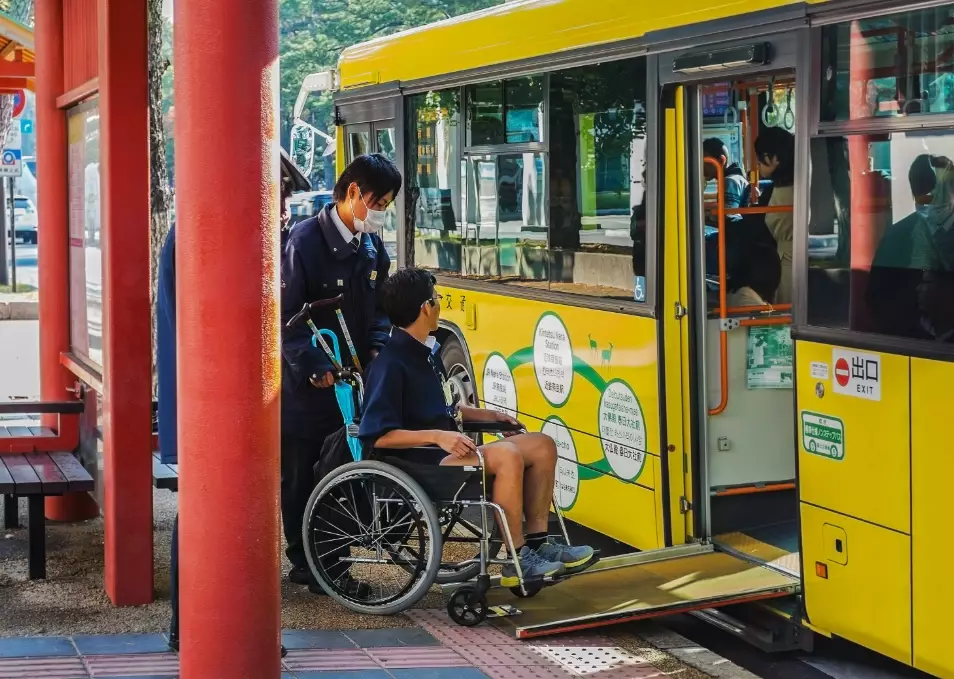
Quick Navigation: What's Inside This Guide
- What to Really Expect: Progress and Persistent Gaps
- Getting Around: A Deep Dive into Transportation
- Experiencing Attractions: From Temples to Theme Parks
- Finding the Right Place to Stay
- Your Essential Pre-Trip Planning Checklist
- Common Mistakes and How to Avoid Them
- The Future of Accessible Travel in Japan
- Your Burning Questions Answered (FAQ)
What to Really Expect: Progress and Persistent Gaps
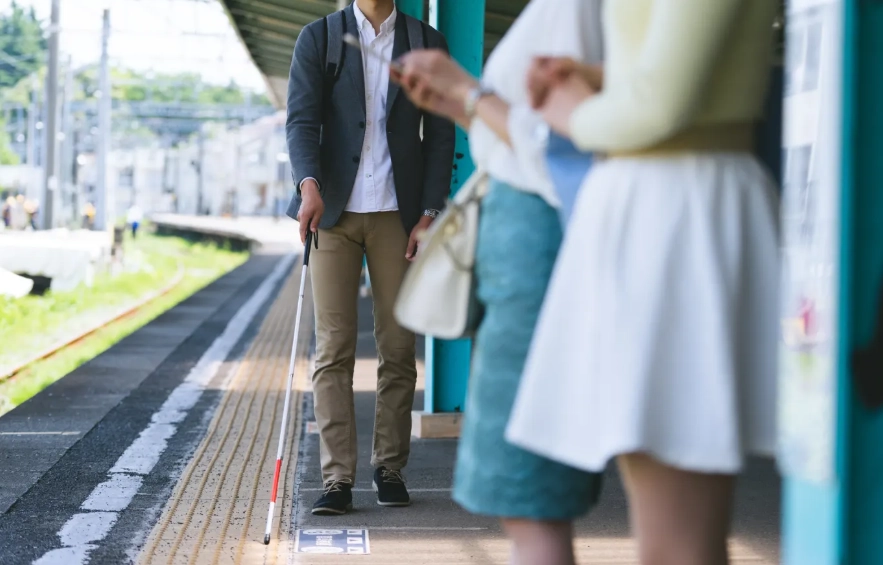
Japan's approach to accessibility is often systematic and engineering-focused. In major urban hubs, you'll find tactile guiding blocks (those yellow bumpy tiles) on virtually every sidewalk. Train stations, especially newer ones and those on major lines, have elevators, accessible gates, and platform gaps that are remarkably small. The law mandates that all new public buildings and large-scale renovations meet strict standards.
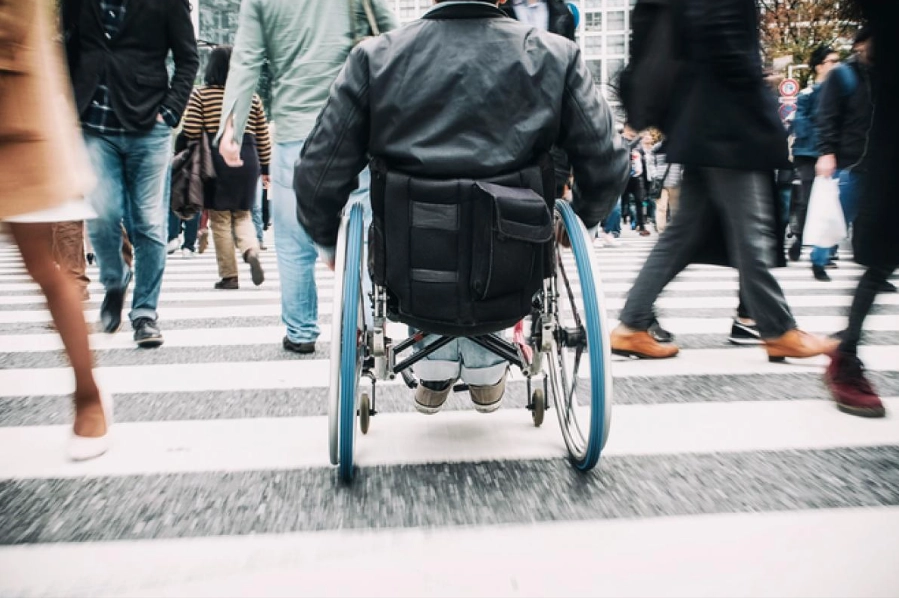
But here's the nuance everyone misses. The implementation is not uniform. Retrofitting old infrastructure is Japan's biggest challenge. Many subway stations in older parts of cities might only have stairs to the platform. Traditional ryokan (inns) and restaurants are often housed in narrow, multi-story buildings with no lift. Sidewalks can suddenly disappear, forcing you onto the street. In historical areas like Kyoto's Gion or Kanazawa's samurai districts, preserving the original aesthetic often takes precedence over modern accessibility modifications.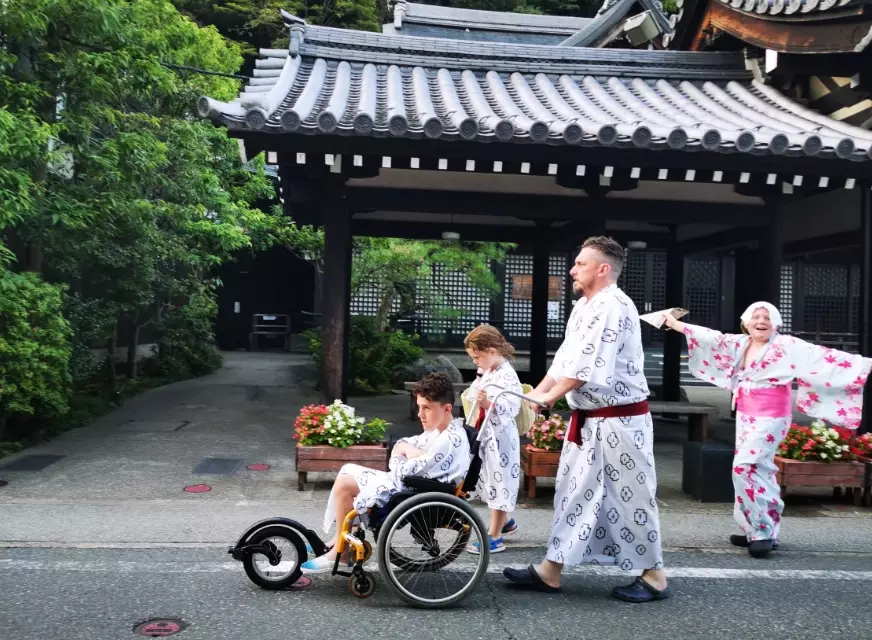
Getting Around: A Deep Dive into Transportation
This is where your trip is made or broken. Japan's public transport is legendary for its efficiency, and its accessibility features are a key part of that.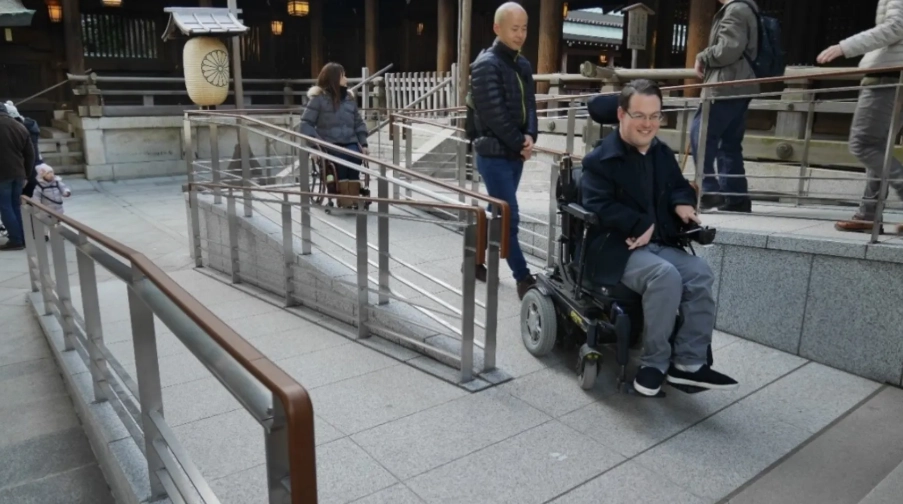
Trains and Subways (The Lifeline)
In Tokyo, Osaka, and other large cities, the major subway and JR lines are your best friends. Look for the universal accessibility symbol on station maps. Key features include:
- Elevators: Clearly marked. They can be tucked away in corners, so allow extra time to find them.
- Platform Gates: Most stations now have them, minimizing the dangerous gap.
- Staff Assistance: Don't be shy. Go to the station office (usually near the ticket gates). They will provide a portable ramp for boarding and often radio ahead to your destination station to have staff ready with another ramp. This service is called "ochakumi" assistance.
The Shinkansen (bullet train) is a dream. Car 1 or Car 8 (depending on the train) has a dedicated universal access space for wheelchairs. You book this space when you buy your ticket. The onboard toilet in the accessible car is spacious and well-equipped.
Buses: A Mixed Bag
City buses in major centers like Tokyo and Kyoto are increasingly low-floor and have kneeling functions. However, space is limited—often only one wheelchair spot. During rush hour, it can be a no-go. Intercity highway buses are a gamble; you must call the operator weeks in advance to confirm if they have a bus with a lift, and availability is scarce.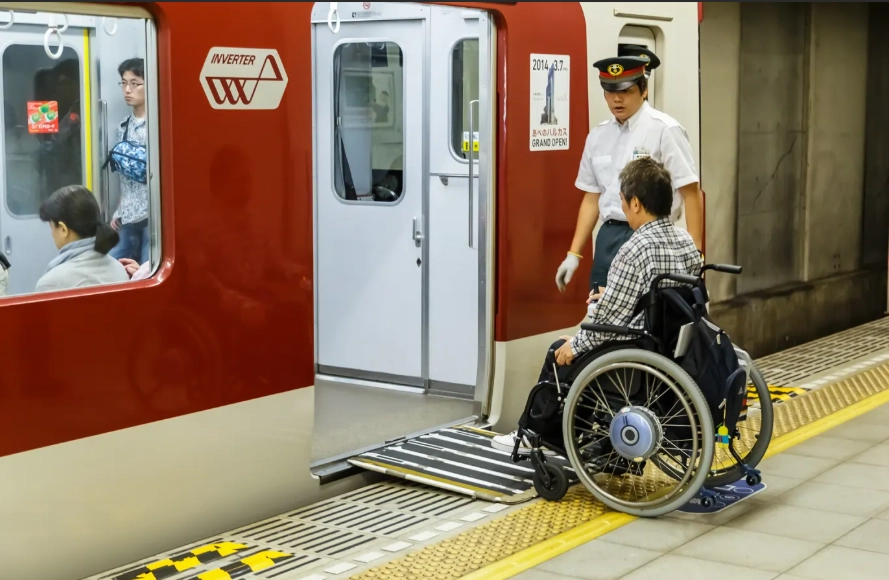
Taxis: Your Secret Weapon
Japan has a growing fleet of wheelchair-accessible taxis (often Toyota HiAce or Nissan Caravan with ramps or lifts). They are not ubiquitous, but in cities, you can book them via app or phone. Companies like Nihon Kotsu in Tokyo have them. They are more expensive than regular taxis but offer unparalleled door-to-door freedom, especially at night or in areas with poor station access. Book at least a few hours in advance.
| Transport Mode | Accessibility Level | Key Tip for Success | Best For |
|---|---|---|---|
| Shinkansen (Bullet Train) | Excellent | Book the universal access seat (スペース) when purchasing your Japan Rail Pass or ticket. | Long-distance travel between cities. |
| Major City Subway (Tokyo Metro, Toei, Osaka Metro) | Good to Very Good | Use station accessibility maps online, always head to the station office for ramp assistance. | Navigating within Tokyo, Osaka, Yokohama. |
| City Buses (Tokyo, Kyoto) | Fair | Avoid peak hours (7-9 AM, 5-7 PM). Board at the rear door where the ramp deploys. | Short hops where stations are far apart. |
| Accessible Taxi | Excellent (when available) | Download the "JapanTaxi" app and use the "Wheelchair" filter, or ask your hotel concierge to book one. | Airport transfers, rainy days, areas with poor train access. |
| Local/Traditional Buses (Rural areas) | Poor | Assume it is not accessible unless confirmed directly with the local operator. | – |
Experiencing Attractions: From Temples to Theme Parks
Accessibility varies wildly. Modern attractions are fantastic; historical sites require research and managed expectations.
Top Tier: Modern & Purpose-Built
Tokyo Disneyland & DisneySea: Sets the global standard. Detailed accessibility guides online, wheelchair/ECV rentals, most rides have accessible boarding, and cast members are impeccably trained. A stress-free day is genuinely possible here.
teamLab Planets/Borderless: These digital art museums in Tokyo are almost entirely accessible, with ramps and wide pathways. A fantastic, immersive experience.
Miraikan (National Museum of Emerging Science): In Odaiba, Tokyo. Fully accessible, with fascinating interactive exhibits.
Manageable with Planning: Major Historical Sites
Senso-ji Temple, Tokyo: The main approach (Nakamise-dori) is flat and crowded. The main hall has a ramp at the side. However, some smaller sub-temples within the complex have steps.
Fushimi Inari Shrine, Kyoto: Famous for its thousands of torii gates. The base area and the initial path are accessible, but the famous mountain trail is a steep climb with stairs. You can still experience the iconic atmosphere without hiking up.
Himeji Castle: A UNESCO site. The castle grounds (the park) are accessible. Entering the main keep, however, involves navigating many steep, wooden stairs and is not possible for wheelchair users. They have a detailed guide showing which sections are accessible.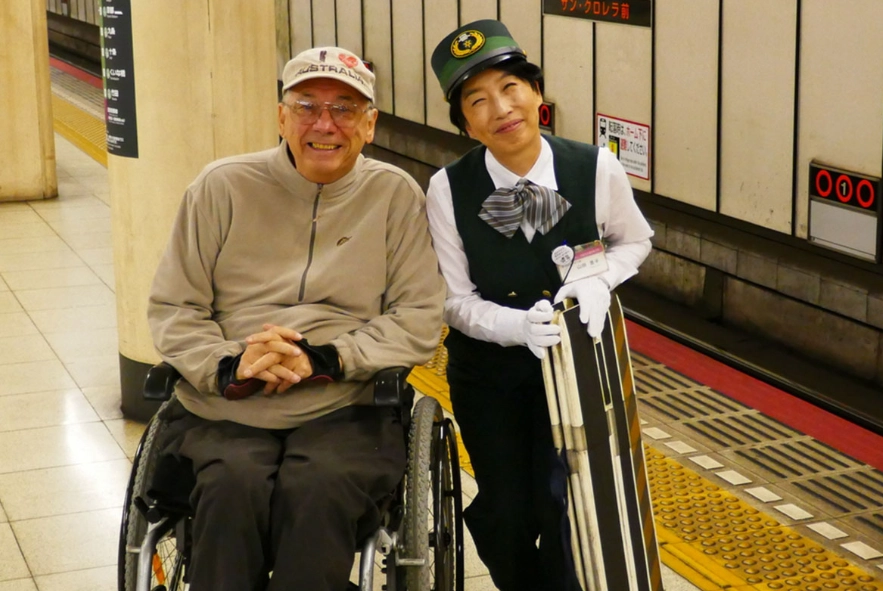
Finding the Right Place to Stay
Never assume. "Western-style" business hotels are your most reliable bet.
- Major Chains: Hotels like Mitsui Garden Hotel, Daiwa Roynet, and APA Hotel often have accessible rooms (called バリアフリールーム). Book directly on their English website and email the hotel to confirm the specific features: roll-in shower, toilet grab bars, bed height, and doorway width. Photos can be deceiving.
- Airbnb & Vacation Rentals: Extremely high risk. Filters are unreliable. Unless the host provides detailed photos and measurements of all doorways and the bathroom, assume it's not suitable.
- Ryokan (Traditional Inn): A rare find for full wheelchair access due to tatami mats, sunken floors (genkan), and shared baths. A few modern or renovated ones exist—research is paramount.
Your Essential Pre-Trip Planning Checklist
- Research Relentlessly: Use official tourism sites like Japan National Tourism Organization (JNTO). They have an "Accessible Travel" section with some resources.
- Contact Attractions Directly: Don't rely on third-party sites. Email the museum, temple, or hotel. Ask precise questions: "Is there a step at the entrance? What is the width of the bathroom door?"
- Master the Station Layout: Use Google Maps (shows elevators fairly well) and hyper-detailed PDF maps from operators like Tokyo Metro.
- Pack a Portable Ramp: If you use a manual wheelchair, a lightweight, foldable ramp (for small steps like at a shop entrance) can be a game-changer.
- Learn Key Phrases: "Bariafurii" (barrier-free), "reddo supesu wa arimasu ka?" (Is there a step?), "erebeta wa doko desu ka?" (Where is the elevator?).
Common Mistakes and How to Avoid Them
I see travelers make these errors all the time.
Mistake 1: Overestimating the pace. Accessible routes often take longer. Pad your schedule with 30-50% extra time for transit and sightseeing.
Mistake 2: Not booking Shinkansen accessible seats early. They sell out, especially during peak seasons.
Mistake 3: Assuming all "accessible" hotel rooms are created equal. A room labeled accessible in Japan might only have a slightly wider door and a bathtub with a seat, not a roll-in shower. Verification is non-negotiable.
The Future of Accessible Travel in Japan
With the 2020 Paralympics (held in 2021) as a catalyst, awareness and infrastructure improved significantly in Tokyo. The focus is now shifting to spreading these standards to regional cities and the tourism industry. There's a growing movement of "Accessible Tourism" consultants and dedicated tour operators. The trajectory is positive, but change is gradual.
Your Burning Questions Answered (FAQ)
 I use a service dog. What should I know about bringing them to Japan?
So, is Japan accessible for disabled people? It's a land of contrasts. With meticulous planning, realistic expectations, and a flexible mindset, an incredibly rewarding journey is absolutely within reach. You'll encounter moments of friction, but also experience the profound kindness and problem-solving spirit that makes Japan unique. Don't let the challenges deter you—let them inform a smarter, more prepared adventure.


Share Your Thoughts