Let's cut to the chase. You've heard the rumors, seen the headlines, and maybe even felt a pang of envy scrolling through Instagram feeds of people coding from a café in Tokyo or writing reports with a view of Mount Fuji. Yes, Japan finally launched a digital nomad visa, and it's a game-changer for remote workers eyeing the Land of the Rising Sun. But here's the thing you won't find in most fluffy blog posts: the requirements are seriously high, and the fine print matters more than you think.
Your Quick Navigation Guide
What is the Japan Digital Nomad Visa?
Officially called the "Specified Activities" visa for remote workers, it's not a traditional long-term residency permit. Think of it as a six-month tourist visa on steroids. Launched in March 2024, it allows eligible professionals to live and work remotely in Japan for up to six months. The key distinction from a tourist visa? You can legally conduct your remote work for a foreign employer or clients. You cannot, however, seek employment with a Japanese company. It's a pure remote work permit.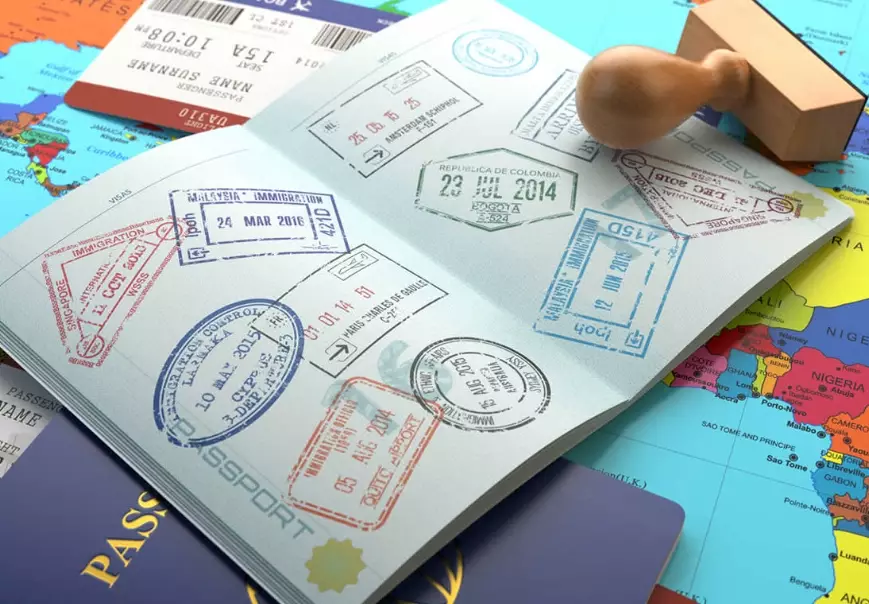
I've seen too many people confuse this with a path to permanent residency. It's not. It's a medium-term stay designed to attract high-earning remote professionals to experience Japan and contribute to local economies without joining the domestic labor market.
Japan Digital Nomad Visa Requirements: The 4 Key Pillars
Japan isn't messing around. They've set the bar intentionally high to attract what they deem "highly skilled" foreign professionals. Missing any one of these pillars means your application gets rejected. No exceptions.
1. The Income Threshold: ¥10 Million Yen
This is the headline number and the biggest filter. You, or your spouse, must have an annual income of at least 10 million Japanese Yen. Using current exchange rates, that's roughly $68,000 USD, €63,000, or £54,000.
Why this amount? The Japanese government cites data from the Organisation for Economic Co-operation and Development (OECD) showing this figure is about twice the average annual income of Japanese workers in their 20s and 30s. The goal is to ensure digital nomads have significant disposable income to spend locally.
Here's the tricky part everyone glosses over: it's not about your salary in Japan. It's about your proven income from abroad. You need to demonstrate this income was earned in the year preceding your application. Savings alone won't cut it unless they are generated from verifiable investments or assets.
2. Citizenship of a Country with a Tax Treaty & Reciprocal Visa
You must hold a passport from a country that has both a tax treaty with Japan and offers a similar visa arrangement for Japanese citizens. This list includes most major Western countries (like the US, UK, Canada, Australia, EU nations), Singapore, South Korea, and Taiwan. Always double-check the latest list on the official Ministry of Foreign Affairs of Japan website, as it can be updated.
3. Private Health Insurance Coverage
You must purchase private health insurance that covers your entire stay in Japan. The national health insurance (NHI) is for residents, and you won't qualify. The policy must have a minimum coverage amount, typically cited as at least ¥10 million yen in medical benefits. Your standard travel insurance often isn't sufficient—it must explicitly cover remote work stays and medical repatriation. I made this mistake years ago with a different visa; the immigration officer scrutinized every line of my policy document.
4. Work for a Foreign Entity
Your employment or client relationships must be outside of Japan. You can be a full-time employee of a company based in Berlin, a contractor for three different US startups, or run your own online business serving international clients. The common thread is that your economic activity originates and is paid for from outside Japan. You'll need letters from employers or contracts with clients to prove this.
How to Apply for the Japan Digital Nomad Visa: A Step-by-Step Walkthrough
The process isn't done online. It's old-school, paperwork-heavy, and requires patience.
Step 1: Gather Your Documentation (The Mountain of Paper)
This is the most critical phase. You'll need:
- Application Form: The standard "Application for Certificate of Eligibility" form, filled out for the "Specified Activities" category.
- Passport & Photos: Your passport plus passport-sized photos.
- Proof of Income: This is key. Submit official tax documents from your home country (like an IRS transcript in the US, a Notice of Assessment in Canada, or a tax return). Bank statements showing regular deposits can be supplementary but are not primary evidence.
- Proof of Remote Work: An employment contract, client agreements, or business registration documents that clearly show your work is for non-Japanese entities.
- Health Insurance Certificate: A certificate from your insurer in English or Japanese, clearly stating the coverage period, amount (≥¥10M), and that it's valid in Japan.
- Resume/CV: Detailing your professional background.
- Explanation Letter: A letter explaining your purpose of stay, your remote work, and your plans in Japan.

Step 2: Submission to Immigration
You cannot apply from outside Japan. You must be in Japan on a short-term stay (like a tourist visa waiver) or have a sponsor in Japan (which is tricky for nomads). The most straightforward path for first-timers is to enter Japan as a tourist and then apply for the status change at the Regional Immigration Services Bureau. You'll submit your dossier in person.
Step 3: The Waiting Game & Receiving Your Status
Processing can take 1 to 3 months. If approved, you'll receive a "Certificate of Eligibility" (COE). With this COE, you can finalize your status. If you're already in Japan, you'll get a residence card. Remember, the clock on your six months starts from the date your new status is granted, not your original entry date.
Crucial Limitations and Realities of Life on the Visa
This is where the "non-consensus" perspective comes in. Most guides sell the dream. Let's talk about the practical constraints.
| Feature | What It Means For You |
|---|---|
| No Path to Permanent Residency | This visa is a dead end for immigration. After six months, you must leave. You cannot renew it back-to-back. You must wait a "cooling-off" period before applying again. |
| No Dependent Sponsorship | Your spouse and children cannot join you on this visa. If they come, it must be on their own eligible status (e.g., tourist waiver), during which they cannot attend local school. |
| No Access to National Services | You won't get a My Number card (social security/tax ID), making things like signing a long-term phone contract or certain banking services more difficult. You're in a legal gray zone between tourist and resident. |
| Housing Headaches | Many landlords prefer tenants with longer-term visas or Japanese guarantors. Serviced apartments, monthly mansions, or platforms like Leopalace or Oakhouse will be your best bet, but expect higher costs. |
I learned the housing lesson the hard way. A landlord in Fukuoka loved me until he saw my visa type; the deal fell through. Budget at least 20% more for housing than a local would pay for a similar short-term arrangement.
Your Burning Questions Answered (The Real Stuff)
Can I use the Japan digital nomad visa to do freelance work for one Japanese company?
No. The core rule is your income source must be foreign. Taking a contract from a Japanese company, even as a freelancer, would violate the visa conditions. Your work must be for entities based outside Japan.
My income is $65,000 USD, just under the threshold. Can I combine it with my savings to qualify?
This is a common point of confusion. The requirement is for annual income, not net worth or savings. A consistent annual income of ¥10 million yen (or equivalent) must be proven through tax documents. A large bank balance is not a substitute. Immigration wants to see a steady, high earning capacity.
Is it better to apply from outside Japan or change status from within?
For most digital nomads without a Japanese sponsor, changing status from within on a tourist waiver is the only viable path. However, this carries immigration risk. You must ensure your tourist status has enough validity to cover the long processing time (often 90 days). If your application is denied near the end of your tourist stay, you must leave immediately. Plan for a buffer.
What happens if I need to leave Japan briefly for a family emergency during my six-month stay?
Your digital nomad status is a single-entry permit by default. If you leave Japan, it expires. You must apply for a "Re-entry Permit" at the immigration bureau before you depart, which allows you to return and continue your stay. Forgot to get one? Your visa is gone.
Are there cities in Japan that are better or worse for digital nomads on this visa?
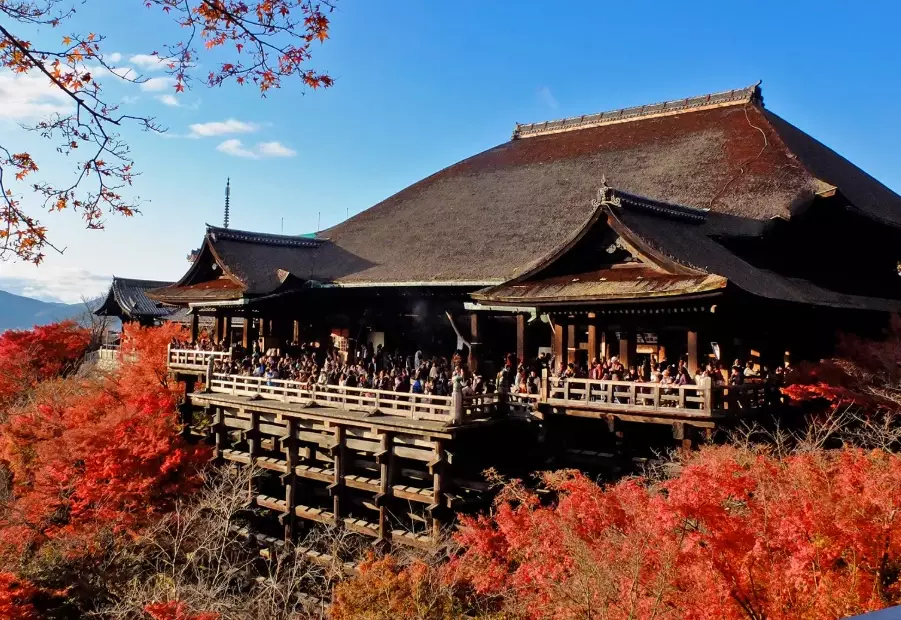
Absolutely. While Tokyo and Osaka are obvious hubs with great infrastructure, consider the cost and pace. Cities like Fukuoka, Sapporo, or Kyoto offer fantastic quality of life, strong internet, and growing international communities, often with a lower cost of living. Fukuoka, in particular, has been actively marketing itself to startups and remote workers. The choice impacts your budget and daily experience more than your visa application itself.
So, is the Japan digital nomad visa worth it? If you clear the high income bar and want a deep, six-month immersion into Japanese life without the hassle of visa runs, it's an unparalleled opportunity. But go in with your eyes wide open. It's a premium ticket for established remote professionals, not a hack for long-term residency. Do your homework, prepare that mountain of paperwork perfectly, and you could be logging on from a quiet temple town or a buzzing Tokyo neighborhood sooner than you think.



Share Your Thoughts