Let's be real. You've seen the articles. "Japan finally launches digital nomad visa!" The headlines in early 2024 were everywhere. But if you actually tried to apply, you probably hit a wall of confusion. The official information from the Japanese Ministry of Foreign Affairs was sparse, and everyone was interpreting the rules differently.
After digging through official notices and talking to immigration specialists in Tokyo, I can give you the clear, unvarnished picture. Japan's "Designated Activities (Remote Work)" visa – its official name – is a huge step, but it's not the open-door policy some hoped for. It's designed for high-earning, established remote workers or entrepreneurs, and it comes with a strict six-month, non-renewable limit. No path to permanent residency here.
So, is it right for you? That depends entirely on your profile and your goals. This guide will strip away the hype and give you the actionable details you need to decide.
What's Inside This Guide
What the Japan Digital Nomad Visa Really Is (And Isn't)
First, let's clear up the biggest misconception. This isn't a residency visa. It's a six-month, single-entry status of residence under the "Designated Activities" category. Think of it as an extended tourist visa that lets you work legally for your foreign employer or clients.
The key difference from a tourist visa? You can work. The key similarity? You're still a temporary visitor. You cannot engage in work that serves a Japanese entity or earn income from a Japanese source. Your income must flow from abroad.
Why only six months? From Japan's perspective, it's a trial. They want to attract skilled remote workers to spend and contribute to local economies without immediately burdening long-term social services. It's a pragmatic, cautious opening.
My take: Honestly, this visa is perfect for someone who wants a deep, immersive experience without the hassle of a full relocation. It's terrible for anyone looking to move to Japan permanently or who needs stability. If you're a freelancer with variable income, the strict financial requirements might be a deal-breaker.
Are You Eligible? The Hard Numbers and Fine Print
The eligibility criteria are where most people get filtered out. Japan has set the bar high intentionally.
The Financial Threshold: It's About Annual Income
You must prove an annual income of 10 million Japanese Yen or more. That's roughly $68,000 USD or €63,000, but currency fluctuations matter. This isn't about savings; it's about income. You need official documentation—tax returns, bank statements, employment contracts—showing you consistently earn this much from your remote work or business.
This is the single biggest hurdle. It targets senior software engineers, successful consultants, established online business owners, and high-level corporate remote employees.
Other Non-Negotiable Requirements
Beyond the money, you must check these boxes:
- Health Insurance: You must have private international health insurance that covers your entire stay in Japan. Your home country's national insurance likely isn't enough. The policy must meet or exceed the coverage level specified by Japanese authorities.
- National of a Country with a Tax Treaty & Visa Waiver: You must hold a passport from one of the 70+ countries that have both a tax treaty with Japan and a visa-waiver agreement for short-term stays. This includes the US, UK, Canada, Australia, most of the EU, South Korea, Singapore, and others. Check the MOFA website for the latest list.
- Clean Criminal Record: A police clearance certificate from your country of residence is typically required.
The Step-by-Step Application Process Demystified
You cannot apply from within Japan on a tourist visa. You must apply at a Japanese embassy or consulate in your country of residence before you travel. Here’s how it works.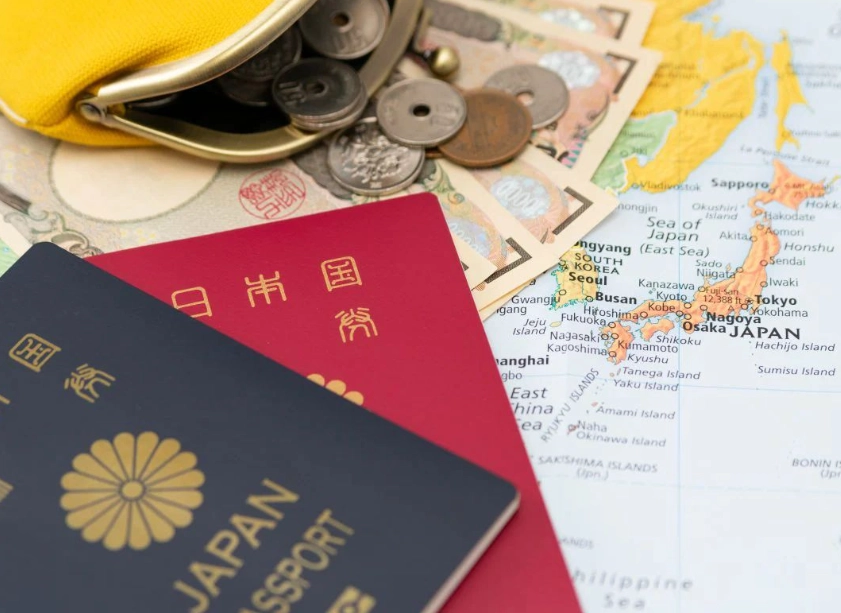
- Gather Your Documentation Dossier. This is the most time-consuming part. You'll need:
- Valid passport.
- Completed visa application form (specific to "Designated Activities (Remote Work)").
- Passport-style photo.
- Proof of income (last year's tax return, bank statements, employment contract with salary).
- Proof of private health insurance.
- Certificate of Eligibility (CoE) application materials. Yes, you often need a CoE for this visa too, which requires a supporter/guarantor in Japan (can be a friend, but they take on legal responsibility) or you may need to work with an immigration lawyer to act as your agent.
- Detailed work plan/description of your remote work.
- Resume/CV.
- Submit to Your Local Japanese Embassy/Consulate. Contact them first. Some may require an appointment; others accept mail-in applications. Policies vary wildly.
- Wait for Processing. This can take anywhere from 4 to 6 weeks. Don't book non-refundable flights until you have the visa sticker in your passport.
- Enter Japan and Register Your Address. Once you arrive, you have 14 days to register your address at the local municipal office (city hall) and get your Residence Card. This is mandatory.
A critical tip most blogs miss: The requirement for a "supporter" or guarantor in Japan for the CoE is a major pain point. If you don't have a trusted friend willing to take on that legal and financial responsibility, you'll need to hire an administrative scrivener or immigration lawyer. Budget an extra $500-$1000 for this service.
The Real Cost of Living as a Digital Nomad in Japan
So you earn over 10 million yen a year. How far will that go in Japan? It's not cheap, but outside central Tokyo, it's manageable. Here’s a monthly breakdown for a single person living a comfortable, but not lavish, digital nomad lifestyle.
| Expense Category | Tokyo (Central) | Kyoto/Fukuoka | Notes |
|---|---|---|---|
| Housing (Monthly Rent) | ¥120,000 - ¥200,000+ | ¥80,000 - ¥140,000 | Short-term leases (Monthly Mansions, Airbnb) cost 20-40% more than annual contracts. Key money/deposits can be 4-5x rent. |
| Coworking Space | ¥25,000 - ¥40,000 | ¥18,000 - ¥30,000 | WeWork, Regus, or local spots. Daily passes (~¥3,000) add up fast. |
| Food & Groceries | ¥50,000 - ¥70,000 | ¥40,000 - ¥60,000 | Eating out is reasonable; groceries can be expensive for imported items. |
| Transportation | ¥10,000 - ¥15,000 | ¥8,000 - ¥12,000 | Monthly train/bus passes. Bullet trains (Shinkansen) for travel are extra. |
| Utilities + Mobile | ¥15,000 - ¥20,000 | ¥12,000 - ¥18,000 | Internet, electricity, gas, and a SIM/pocket WiFi. |
| Health Insurance | ¥15,000 - ¥30,000 | ¥15,000 - ¥30,000 | Cost of mandatory private international plan. |
| Estimated Monthly Total | ¥235,000 - ¥375,000+ | ¥173,000 - ¥290,000+ | Excludes travel, entertainment, and visa/legal fees. |
You need significant savings or a steady high income to cushion the initial setup costs, which can easily hit ¥500,000 ($3,400) before your first rent payment.
Where to Base Yourself: A Nomad's City Guide
Tokyo is the obvious choice, but it's not the only one. Your choice depends on your vibe.
Tokyo: The Megacity Hub
For: Networking, 24/7 energy, endless food/events, best coworking spaces, direct international flights.
Against: Highest cost, crowded, can feel impersonal, long commutes.
Neighborhoods to scout: Shimokitazawa (bohemian), Nakameguro (trendy/cafe), Kichijoji (balanced), Shibuya/Shinjuku (central hub). Avoid trying to live right next to the biggest stations unless budget is no object.
Kyoto: Culture & Calm
For: Unbeatable traditional atmosphere, temples, slower pace, great cafes.
Against: Over-touristed in hotspots, fewer large coworking chains, less of an international business scene.
Pro tip: Look for apartments in the quieter northern (Kamigamo) or southern (Fushimi) areas, not downtown. The commute to a downtown coworking space is easy by bike or train.
Fukuoka: The Rising Star
Many experienced nomads call Fukuoka Japan's best-kept secret. It's a major city with a compact, bike-friendly layout, lower costs, a growing startup scene, and fantastic food. It's also closer to other parts of Asia. The vibe is noticeably more relaxed and open than Tokyo.
Your Burning Questions, Answered by Experts
Japan's digital nomad visa is a fascinating, flawed, but ultimately welcome development. It's not for the beginner or the budget-conscious. It's a premium product for a premium remote worker who views Japan as a once-in-a-lifetime six-month base, not a forever home.
If the financials and the temporary nature align with your life right now, it could be the key to an unforgettable experience. Just go in with your eyes wide open, your paperwork perfect, and a realistic budget. Good luck.



Share Your Thoughts