Let's cut to the chase. You're dreaming of Japan—the neon lights of Tokyo, the ancient temples of Kyoto, the incredible food—but that nagging question keeps popping up: how much is this going to cost me? Online estimates range from "shoestring" to "sky's the limit," leaving you more confused than ever. I've planned multiple trips for myself and friends over the last decade, and the biggest mistake I see is relying on outdated per-day averages that don't reflect how you actually travel. Your Japan vacation cost isn't a single number; it's a stack of choices. This guide won't just throw numbers at you. We'll break down where the money really goes, show you concrete examples from budget hostels to splurge-worthy ryokans, and give you the tools to build a budget that matches your style, not someone else's guess.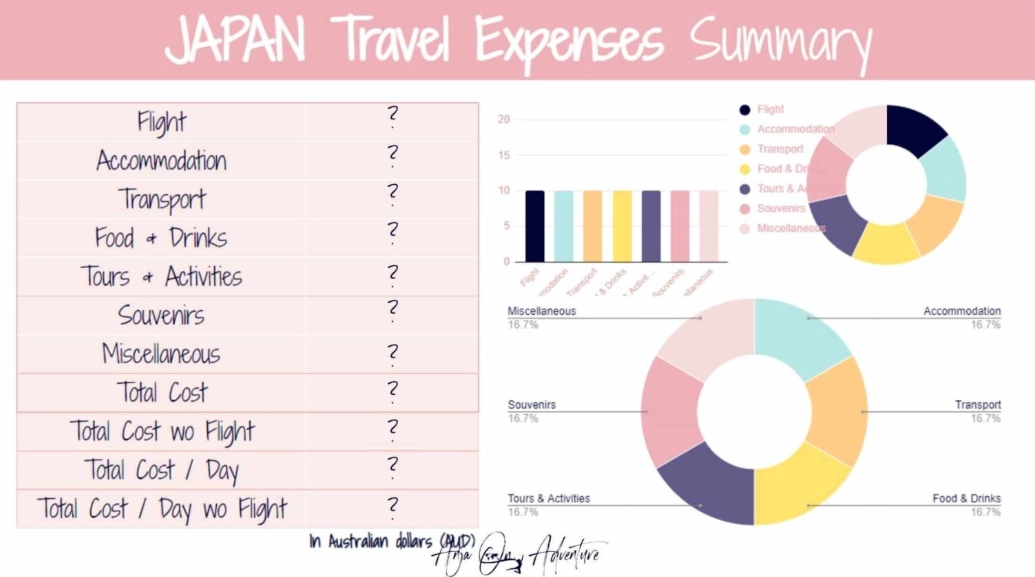
Your Japan Budget Jumpstart
Where Your Money Actually Goes: The Big Four
Forget a single daily figure. Think of your Japan travel budget in four pillars. Shifts in one dramatically affect the total.
1. Accommodation: Your Base Cost
This is your fixed cost, varying wildly by city, season, and comfort level. Prices are per room per night, and solo travelers often pay nearly as much as couples.
- Budget (¥4,000 - ¥8,000): Capsule hotels, dorm beds in hostels like Grids Tokyo Akihabara (from ¥3,500/night for a dorm), or business hotels like Toyoko Inn. Clean, tiny, functional. In Kyoto, a bed at Piece Hostel Sanjo might run ¥4,500.
- Mid-Range (¥10,000 - ¥20,000): Your standard Western-style hotel room. Think Mitsui Garden Hotel chain or APA Hotel. You'll get a private bathroom and maybe 14-18 square meters of space. A room at the Dormy Inn Premium Ginza in Tokyo averages ¥18,000.
- High-End (¥25,000 - ¥60,000+): Luxury hotels, boutique properties, or a traditional ryokan with kaiseki dinner and breakfast included. A night at a well-reviewed ryokan in Hakone like Gora Kadan can easily exceed ¥70,000 per person, but it's a full cultural and culinary experience.
Location matters. A mid-range hotel in Shinjuku, Tokyo, costs 20-30% more than a similar one in a less central ward like Shinagawa.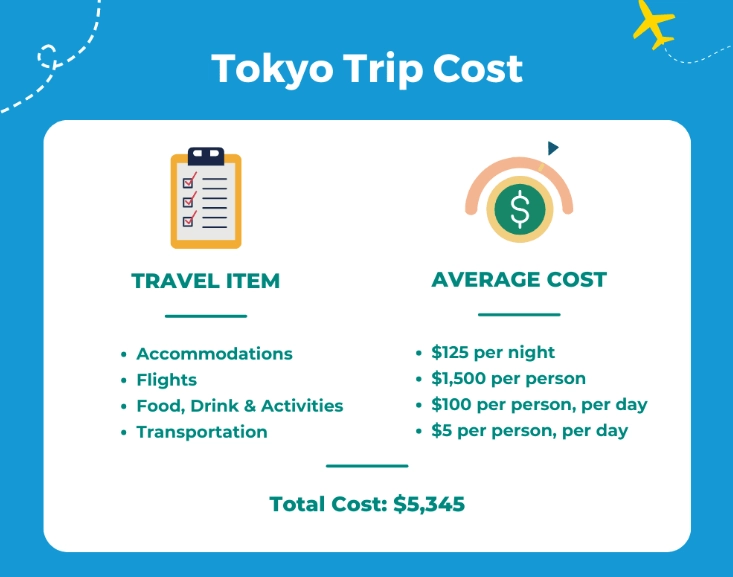
2. Transportation: The Network Factor
Japan's transport is superb but not always cheap. The golden rule: your itinerary dictates your transport cost.
Local travel adds up. A Tokyo metro ride starts at ¥180. A day pass in Kyoto is ¥700 for buses. A 7-day trip with moderate local travel can easily add ¥8,000-¥12,000 per person.
3. Food & Drink: From Conveyor Belts to Michelin Stars
You can eat incredibly well at any budget. This is where you have the most control.
- Budget (¥2,000 - ¥3,500/day): Combini (convenience store) breakfasts (¥500), standing noodle shops or ramen for lunch (¥800-¥1,200), gyudon bowls or curry for dinner (¥700-¥1,000). It's tasty and filling.
- Mid-Range (¥4,000 - ¥8,000/day): Cafe breakfast, a proper sit-down lunch (like a tonkatsu set at Maisen in Tokyo for ~¥1,800), and a nice dinner at an izakaya with a couple of drinks (¥3,000-¥4,000). You're experiencing the real dining scene.
- High-End (¥10,000+/day): Sushi breakfast at Tsukiji, a famous wagyu beef teppanyaki lunch, and an omakase dinner. One Michelin-starred sushi dinner can range from ¥20,000 to ¥40,000 per person.
Don't sleep on department store basements (depachika) for high-quality, affordable ready-made meals.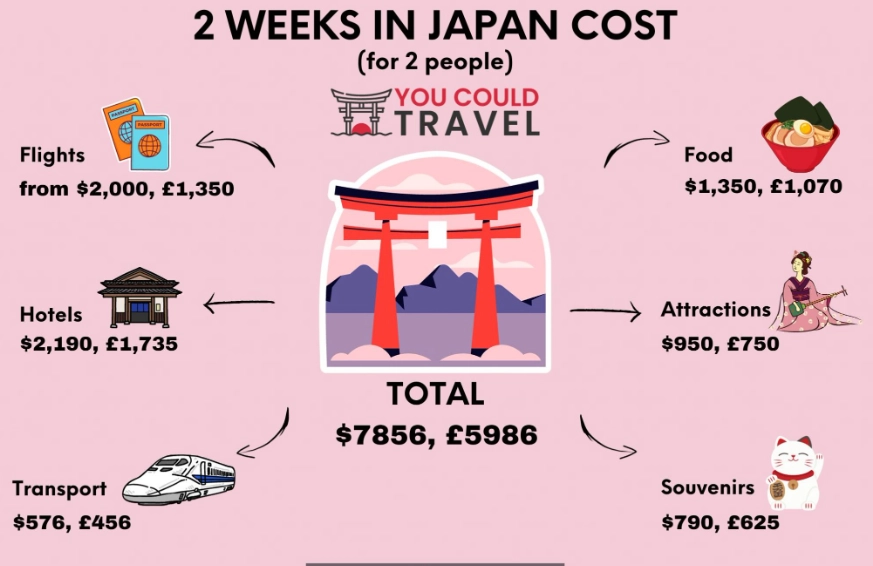
4. Activities & Souvenirs: The Fun Money
Temples and shrines often have small entrance fees (¥300-¥600). Major attractions cost more: Tokyo Disneyland ticket: ¥7,900 - ¥9,400. TeamLab Planets in Tokyo: ¥3,800. Ghibli Museum: ¥1,000. A day of skiing in Hokkaido? Lift pass alone is ¥6,000+. Budget at least ¥1,500-¥3,000 per day for activities, more if you're hitting big-ticket items. Souvenirs? A box of nice Tokyo Banana snacks: ¥1,200. A good kitchen knife in Kyoto: ¥15,000+.
Real Trip Cost Scenarios: From Backpacker to Luxury
Let's put it all together for a 10-day trip for one person. Flights are excluded as they vary too much by origin.
| Budget Tier | Accommodation (9 nights) | Transport (Inc. 7-day JR Pass) | Food & Drink (per day) | Activities & Misc | Estimated Total |
|---|---|---|---|---|---|
| Tight Budget / Solo Backpacker | Hostel dorms @ ¥4,500 = ¥40,500 | JR Pass + Local = ¥65,000 | ¥2,500 = ¥25,000 | ¥2,000 = ¥20,000 | ¥150,500 (~$1,000) |
| Comfortable Couple / Mid-Range | Business hotels @ ¥15,000 = ¥135,000 (for two) | JR Pass x2 + Local = ¥130,000 | ¥6,000 x2 = ¥120,000 | ¥4,000 x2 = ¥80,000 | ¥465,000 (~$3,100) for two |
| Luxury / Splurge | Boutique hotels & 1 ryokan night @ ¥40,000 = ¥360,000 (for two) | Green Car JR Pass x2 + Taxis = ¥200,000+ | ¥12,000 x2 = ¥240,000 | ¥10,000 x2 = ¥200,000 | ¥1,000,000+ (~$6,600+) for two |
See the range? Your Japan trip cost is a design, not a destiny.
Pro Strategies to Slash Your Japan Trip Cost
Little tweaks make a big difference.
Travel in the shoulder seasons. Late April/May (after Golden Week) and October/November (before peak foliage) offer great weather. Avoid late December-early January, Golden Week (late Apr/early May), and Obon (mid-August).
Book accommodation early. Good budget and mid-range options sell out months ahead, especially in Kyoto. Use a mix of booking platforms and check hotel websites directly for member rates.
Master local transit passes. In Tokyo, the Tokyo Metro 24/48/72-hour ticket is a steal if you plan your day around Metro lines (not JR). In Osaka, the Osaka Amazing Pass includes subway rides and attraction entries.
Eat your big meal at lunch. Many high-end restaurants offer nearly identical courses at lunch for 30-50% less than dinner prices.
Use cash for better rates. Some smaller establishments, markets, and temples only take cash. Withdraw larger amounts from 7-Eleven ATMs (Seven Bank) to minimize fees.
A 10-Day Sample Itinerary with Price Tags
Let's make it concrete. Here's a classic first-timer route for a mid-range solo traveler, with estimated daily costs.
- Day 1-4: Tokyo. Hotel in Shinjuku/Shibuya area (¥15,000/night). Day 1: Explore Shinjuku (free), Omoide Yokocho dinner (¥3,000). Day 2: Asakusa Senso-ji (free), Tokyo Skytree observation deck (¥3,100), sushi dinner (¥4,000). Day 3: Day trip to Kamakura (train ¥1,200, temple entries ~¥1,000). Daily average cost (exc. hotel): ¥7,500.
- Day 5-7: Kyoto. Take Shinkansen from Tokyo (¥13,000). Stay in a machiya-style guesthouse near Gion (¥18,000/night). Day 5: Fushimi Inari (free), Kiyomizu-dera (¥400), Gion walk. Day 6: Arashiyama bamboo grove (free), Tenryu-ji temple (¥500), kaiseki dinner (¥8,000). Daily average cost (exc. hotel): ¥9,000.
- Day 8-9: Osaka. Local train from Kyoto (¥560). Hotel near Namba (¥14,000/night). Day 8: Osaka Castle (¥600), Dotonbori street food feast (¥4,000). Day 9: Universal Studios Japan (ticket ¥8,900). Daily average cost (exc. hotel): ¥8,000.
- Day 10: Return. Haruka Express to Kansai Airport (¥1,800).
This rough tally (hotels ¥141,000 + transport ~¥75,000 + daily spends ~¥80,000) lands around ¥296,000 (~$1,970), aligning with our mid-range solo estimate. It's detailed, realistic, and adjustable.
Costly Mistakes First-Timers Make (And How to Avoid Them)
I've seen these blow budgets repeatedly.
Underestimating intra-city transport. You'll take more trains and buses than you think. Budget for it explicitly.
Buying the JR Pass for a slow or regional trip. If you're just doing Tokyo-Kyoto-Osaka over 10 days, a 7-day pass might force you to take all long trips in a week, creating unnecessary rush. Calculate.
Paying for water. Tap water is safe and delicious. Carry a bottle. Convenience stores sell large bottles for ¥100 if needed.
Not checking if your credit card has foreign transaction fees. A 3% fee on a ¥500,000 spend is ¥15,000 gone. Get a fee-free card.
Exchanging money at airport counters. Terrible rates. Use an ATM.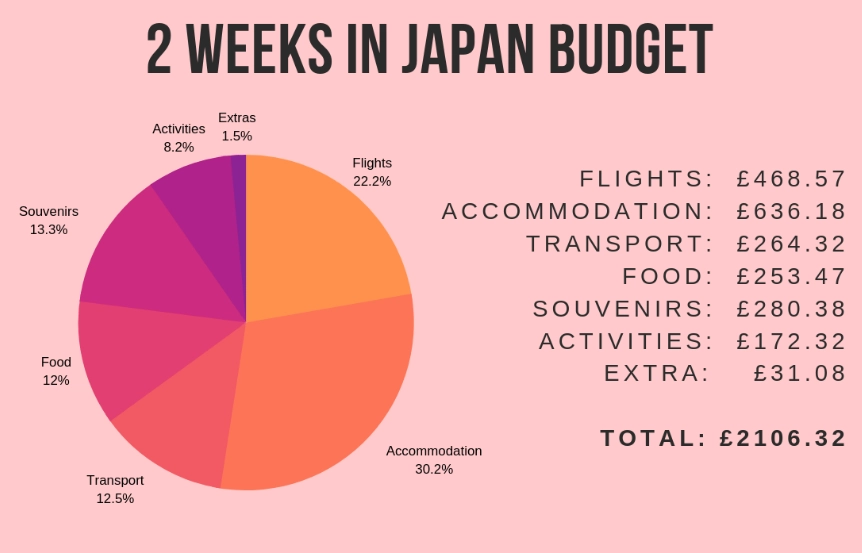
Your Japan Budget Questions, Answered
 What's the single most effective way to reduce my Japan vacation cost without sacrificing experience?
Planning your Japan vacation cost doesn't have to be stressful. It's about making informed choices. You now have the breakdown, the real numbers, and the strategies. Start with your non-negotiables—maybe that's a specific ryokan stay or a Michelin-starred meal—then build your budget around them. Japan is worth every yen, and with a smart plan, it's more accessible than you think. Now go finalize those dates.


Share Your Thoughts