Let's cut to the chase. Japan finally launched its highly anticipated digital nomad visa in March 2024, opening its doors to remote workers from around the globe. But here's the thing everyone's searching for: exactly which countries are on the eligibility list? It's not a simple "all passports welcome" deal. The list is tied to Japan's existing visa-waiver agreements, which creates a specific, and sometimes surprising, set of eligible nationalities.
I've been navigating Japanese bureaucracy and living here on and off for years. The excitement around this visa is real, but so is the confusion. This guide won't just dump a list on you. We'll break down who can apply, the often-overlooked fine print that could trip you up, and what life actually looks like for a nomad in Tokyo, Osaka, or a quiet countryside town.
Where to Go? Your Quick Guide
What Exactly Is Japan's Digital Nomad Visa?
Officially called the "Specified Activities" visa for remote work, it's a six-month, non-renewable stay permit. You can't apply for it from within Japan. The clock starts when you enter the country.
Six months and that's it. No extensions, no switching to another visa type from inside Japan. You must leave when it's over. This is a key difference from nomad visas in Europe that sometimes allow renewal.
The goal is clear: attract high-earning remote professionals to spend their money in Japan, without letting them settle permanently or take local jobs.
The Real Deal: Visa Eligibility & Key Requirements
Beyond your passport, you need to meet some serious financial and logistical bars. This is where many hopeful applicants get filtered out.
Financial Threshold: The 10 Million Yen Rule
You, or your household, must prove an annual income of at least 10 million Japanese Yen (roughly $68,000 USD or €63,000, but check current rates). This is non-negotiable.
Proof means tax documents, bank statements, or payslips. They want to see consistent, high remote income. A one-time freelance gig won't cut it.
Health Insurance: Full Coverage Mandatory
You must have private international health insurance that covers your entire stay. Japanese National Health Insurance is not available to you on this visa. Your policy must be valid in Japan and have a clear English or Japanese translation of its terms.
Don't skimp here. Medical costs can be high without insurance.
Remote Work Setup: Prove Your Job Is Portable
You'll need a letter from your employer (if employed) or client contracts (if self-employed) stating you are allowed to work remotely from Japan. The nature of your work should be clearly professional or technical.
The Complete List of Eligible Countries & Regions
Here it is. Eligibility is based on countries and regions that have visa exemption agreements with Japan for short-term stays (usually 90 days). If your country isn't on this list, you are not eligible for the digital nomad visa at this time.
| Region | Eligible Countries & Territories | Key Note |
|---|---|---|
| North America | United States, Canada | Two major source markets. Straightforward eligibility. |
| Europe | United Kingdom, Germany, France, Italy, Spain, Switzerland, Netherlands, Sweden, Norway, Denmark, Finland, Austria, Belgium, Ireland, Iceland, and most other EU/EEA members. | Broad coverage. Almost all Western & Northern European passports are included. |
| Asia-Pacific | Australia, New Zealand, Singapore, South Korea, Taiwan*, Hong Kong*, Macau* | Important for Asian nomads. *Special arrangements for Taiwan, Hong Kong, and Macau passport holders. |
| Others | Israel, United Arab Emirates | Select countries with strong visa-waiver ties. |
Notice who's missing? Major digital nomad hubs like Thailand, Indonesia (Bali), Vietnam, and the Philippines are not on the list. Their citizens need a standard tourist visa first, which cannot be converted to the nomad visa. This visa is primarily for high-income economies.
A Closer Look at Major Source Countries
Let's get practical. What does applying from these countries actually involve?
Applying from the United States
You apply through the Japanese Embassy or Consulate with jurisdiction over your state. Processing times can vary from 1 to 4 weeks. The income requirement translates to about $68,000 USD annually. For a solo freelancer in tech or consulting, this is manageable. For a family of four with one remote earner, it's a much higher bar.
Cost of Living Reality Check (Tokyo): A comfortable one-bedroom apartment in a central ward like Shibuya or Shinjuku runs ¥180,000-¥250,000/month ($1,200-$1,700). Co-working spaces like WeWork or local spots like The Hive cost ¥30,000-¥50,000/month. Budget at least ¥300,000 ($2,000) per month for a comfortable solo lifestyle.
Applying from Australia
The Australian dollar conversion makes the 10 million yen threshold roughly AUD 102,000. This is a significant income level. Applicants need to be prepared with a full financial paper trail. A common mistake is only providing bank statements without official tax assessment notices from the ATO, which immigration prefers.
Applying from Singapore
For Singaporean citizens, the process is relatively streamlined due to strong bilateral ties. The income requirement is about SGD 92,000. The bigger consideration for Singaporeans is often the climate and pace shift—moving from a perpetual summer to experiencing four distinct seasons, and from hyper-efficiency to a slightly different workflow rhythm.
How to Actually Live and Work in Japan as a Nomad
You've got the visa. Now what? Setting up a functional life is the next challenge.
Finding a Place to Stay
Forget trying to get a standard long-term lease. They require a Japanese guarantor and are for 2-year terms. Your best bets are:
- Monthly Serviced Apartments: Companies like Oakhouse, Sakura House, or Borderless House cater to foreigners. You get furniture, wifi, and utilities in one bill. Expect to pay ¥120,000 - ¥300,000+ depending on size and location.
- Short-term Rentals (Minpaku): Platforms like Airbnb work, but be cautious. Some buildings ban them, and neighbors might complain. Always confirm the listing explicitly allows stays of 1-6 months.
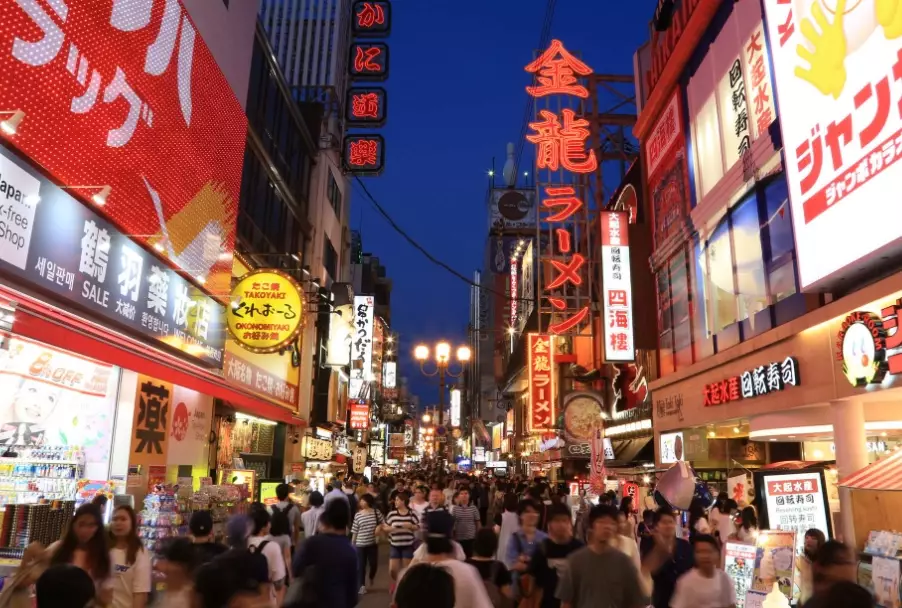
Consider cities beyond Tokyo. Fukuoka is actively courting remote workers with a supportive ecosystem. Kyoto offers unparalleled culture but slower internet in traditional houses. Osaka is more affordable than Tokyo with great food.
Staying Connected: The Internet Myth
Japan has fantastic internet, but it's not always plug-and-play for nomads.
Your apartment's included wifi might be slow. A portable wifi router (Pocket WiFi) is a reliable backup, but data caps can be restrictive for video calls. The best solution I've found? Getting a data-only SIM card from providers like Mobal or Sakura Mobile, or even signing up for a cheap monthly plan with a Japanese MVNO (like IIJmio) if you can navigate the sign-up. It's more stable than pocket wifi for heavy use.
Building a Routine and Community
Working alone in a new country can be isolating. Japan has a growing nomad scene.
- Co-working Spaces: Beyond international chains, explore local hubs. In Tokyo, check out The Snack in Shimokitazawa (creative vibe) or Knot in Shinjuku. They often host networking events.
- Meetups: Platforms like Meetup.com have active groups for foreigners and nomads. Look for "Remote Workers Tokyo" or "Nomad Coffee Meetup."
- Language: Learning basic Japanese (ordering, directions, polite greetings) isn't just practical; it transforms your experience and how locals interact with you.



Share Your Thoughts