In This Guide
If you've ever been to Japan, you know the drill. You step off the plane, maybe a bit jet-lagged, and within minutes, you're staring at the bright lights of a 7-Eleven or FamilyMart. It's not just a store—it's a cultural institution. I've called Tokyo home for ten years, and let me tell you, konbini have saved my skin more times than I can count. From midnight snack cravings to last-minute document printing, these places are woven into daily life here.
But what exactly sets Japanese convenience stores apart? It's not just about grabbing a soda. Konbini are hubs of efficiency, offering services that go way beyond shopping. In this guide, I'll walk you through everything from the best bento boxes to hidden fees on ATMs, based on my own hits and misses.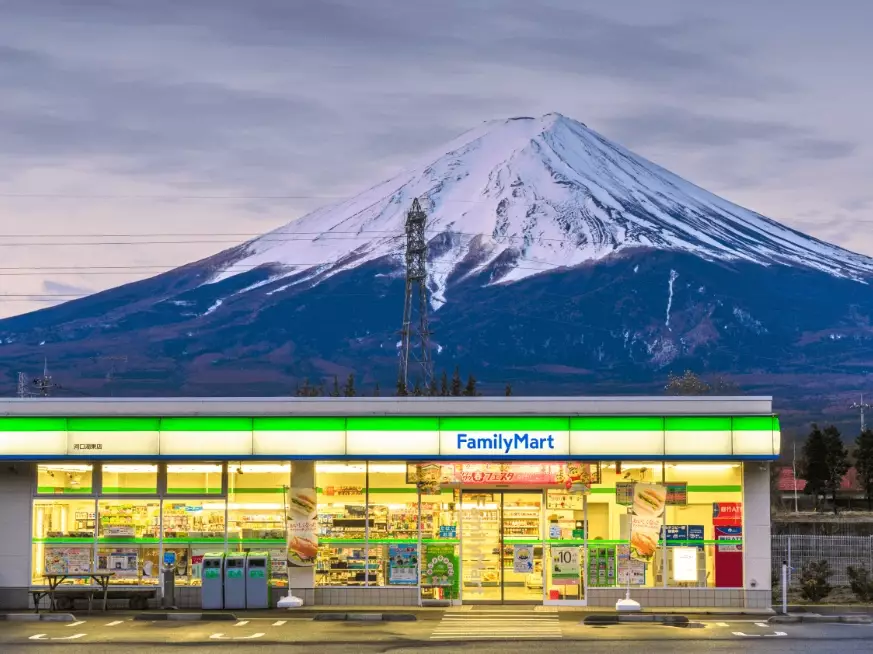
What Makes Konbini So Special?
Think of a konbini as your 24/7 assistant. They're everywhere—according to the Japan Franchise Association, there are over 50,000 locations nationwide. But it's the little things that add up.
24/7 Accessibility: Always Open, Always There
Unlike in many countries where "convenience" stores might close at 10 PM, Japanese konbini truly never sleep. I remember landing at Haneda Airport once after a red-eye flight. It was 3 AM, and the only place buzzing with life was a Lawson down the street. I grabbed a hot coffee and an onigiri, and suddenly, the world felt right again.
This reliability isn't just for tourists. Locals rely on konbini for late-night shifts, early morning commutes, or when supermarkets are closed. The consistency is staggering—you can walk into any major chain at any hour and find the same level of service.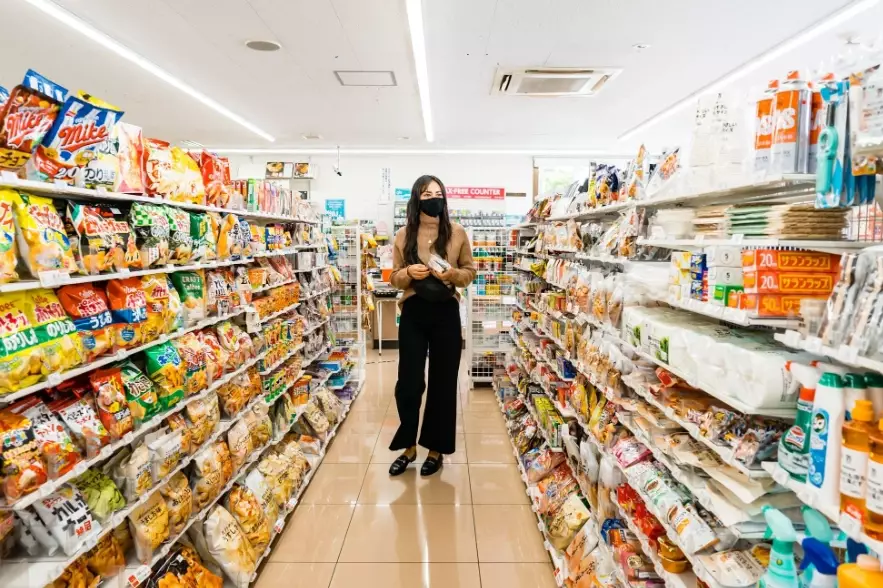
Beyond Shopping: Services You Probably Didn't Know About
Here's where konbini really shine. Most stores pack in services that would put some banks to shame.
- ATM Access: Need cash? Konbini ATMs, especially Seven Bank machines in 7-Eleven, often accept foreign cards. But here's a tip from my own blunder: withdrawal fees can add up. I once took out 10,000 yen and got hit with a 220 yen fee because I used my home country card. Check your bank's international rates first.
- Ticket and Bill Payments: You can buy concert tickets, pay utility bills, or even book travel. I've printed Shinkansen tickets at a FamilyMart in Shibuya—it took five minutes and saved me a trip to the station.
- Printing and Copying: Need to print a boarding pass or a document? The multifunction copiers are user-friendly, with options for USB or cloud uploads. Just be prepared for a bit of a language barrier if you're not familiar with Japanese menus.
- Package Delivery and Receiving: Many konbini act as pickup points for online orders. It's a lifesaver if you're not home during delivery hours.
These services turn a simple store into a community pillar. During natural disasters, konbini often stay open to provide essentials, which I saw firsthand during a typhoon in 2019.
The Konbini Product Universe: Food, Drinks, and More
Walk into any konbini, and the food section will grab your attention. It's a curated experience, with items that rotate seasonally and are surprisingly high-quality.
The Art of the Bento Box: Convenient Meals Done Right
Konbini bento boxes are a culinary feat. For 500 to 800 yen, you get a balanced meal that's ready in minutes. My go-to is the karaage bento from Lawson—crispy fried chicken, rice, and a side of veggies. But let's be honest: not all bentos are created equal. If you're picky about freshness, aim for lunchtime visits. By evening, some items might have been sitting out, and the texture can suffer.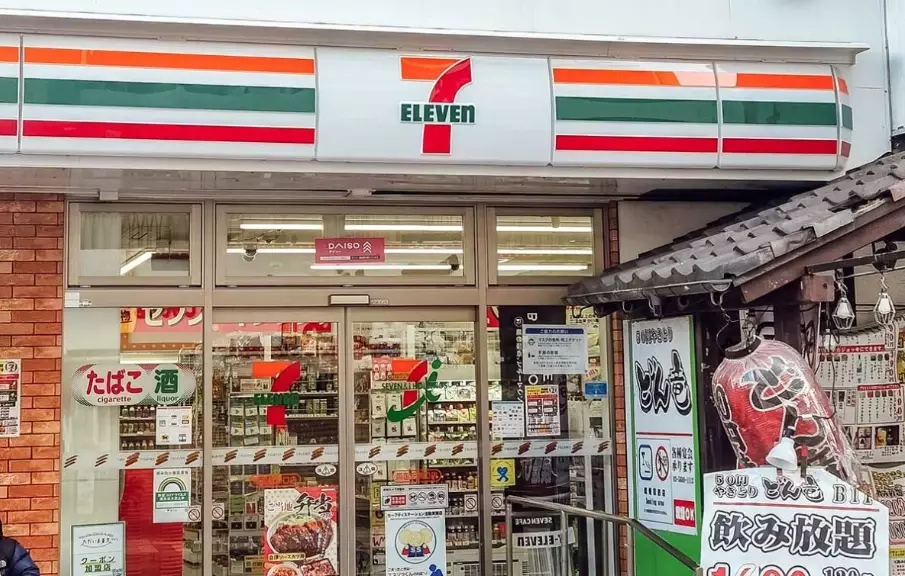
Here's a quick comparison of popular bento options across major chains:
| Bento Type | Brand (Example) | Price Range (Yen) | Best Time to Buy |
|---|---|---|---|
| Karaage Chicken | Lawson | 550-650 | Lunch (11 AM-2 PM) |
| Teriyaki Beef Bowl | 7-Eleven | 600-750 | Early Evening |
| Salmon Bento | FamilyMart | 500-700 | Morning |
| Vegetable Curry | Mini Stop | 450-600 | Anytime |
I've had hits and misses. Once, I grabbed a teriyaki bento at 9 PM, and the rice was a bit hard. Lesson learned: timing matters.
Snacks and Drinks: A Cultural Tour in Aisle
Konbini are treasure troves for snack lovers. Seasonal limited editions are a big deal—think sakura-flavored chocolates in spring or pumpkin treats in autumn. Don't miss the onigiri (rice balls); the tuna mayo filling is a classic, but try the umeboshi (pickled plum) if you're feeling adventurous.
Drinks are another highlight. The coffee, often from machines like those at 7-Eleven, is cheap (around 100 yen) and surprisingly decent. But here's my pet peeve: the iced options can be overly sweet. I usually ask for less syrup, which the staff are happy to adjust.
For alcohol, you'll find everything from beer to sake. Prices are reasonable, with a can of Asahi Super Dry around 200 yen. Just remember, you need to be 20 or older to purchase.
Household Essentials and Beyond
Forgot your toothbrush? Need bandaids? Konbini have you covered. The selection is basic but functional. I've bought everything from umbrellas during sudden rain to charging cables when mine broke. Prices are higher than drugstores, but for emergencies, it's worth the markup.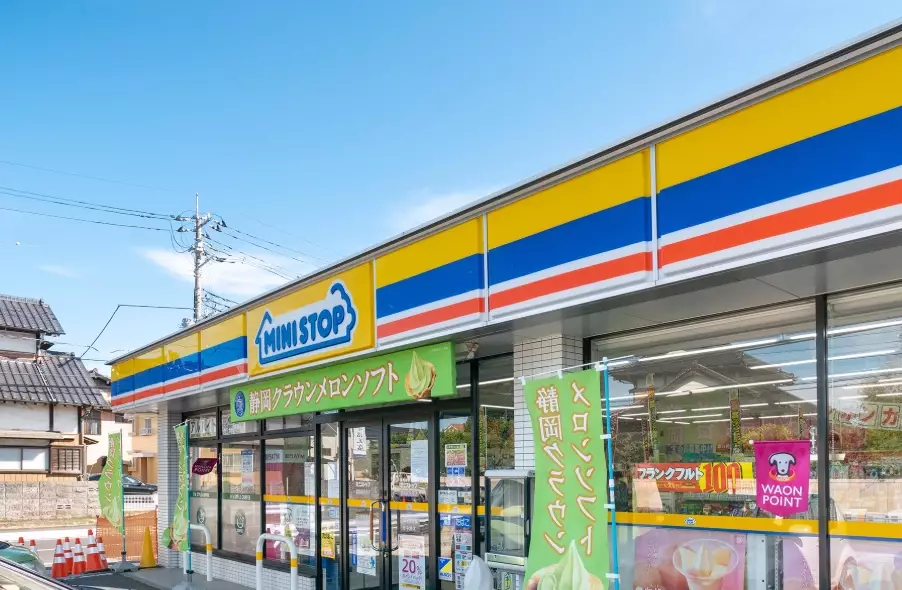
How to Navigate a Konbini Like a Local
To really benefit from a konbini, you need to know the unwritten rules. Tourists often miss out because they don't ask or assume it's just a quick stop.
Payment Methods: Cash, IC Cards, and the Fine Print
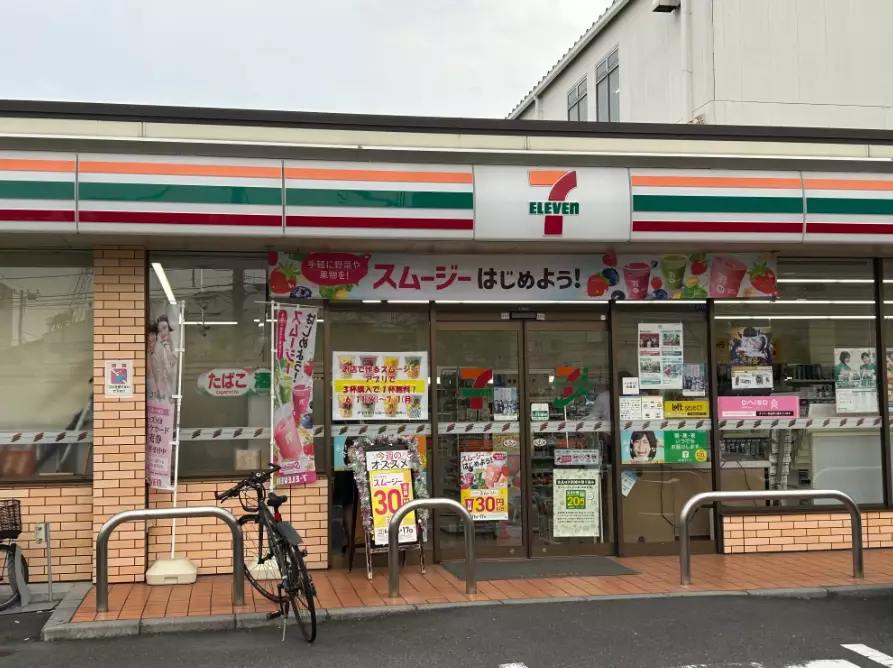
Cash is still king in Japan, but konbini are adapting. Most accept IC cards like Suica or Pasmo, and credit cards are becoming more common. However, for services like ATM withdrawals, foreign cards can be tricky.
I learned this the hard way. My first month in Japan, I relied on konbini ATMs with my foreign debit card. After a few withdrawals, I noticed extra fees on my statement. Now, I use a Japanese bank account for daily needs and save the foreign card for emergencies.
Here's a breakdown:
- Cash: Always accepted, no fees.
- IC Cards: Great for small purchases—just tap and go.
- Credit Cards: Visa and Mastercard are widely accepted; American Express less so.
- Foreign Cards at ATMs: Check for logos like PLUS or Cirrus. Seven Bank ATMs are most reliable, but fees vary by bank.
Common Tourist Mistakes and How to Avoid Them
I've seen tourists make the same errors over and years. Let's fix that.
Mistake 1: Ignoring the service counter. Many people just grab items and leave. But the staff can help with printing, tickets, or even recommendations. Once, I was struggling with a copier, and a clerk stepped in to show me how to use the cloud upload—saved me 15 minutes of frustration.
Mistake 2: Not using the free amenities. Most konbini have microwaves for heating food. It's free! I often buy a bento and warm it up before eating. Also, don't be shy about asking for utensils or condiments; they're usually available.
Mistake 3: Overlooking the point cards. Many chains offer loyalty cards that give points for purchases. It's not a huge savings, but over time, it adds up. I've gotten free drinks from my FamilyMart card after a few months of use.
Mistake 4: Assuming all konbini are the same. While the big three—7-Eleven, FamilyMart, and Lawson—dominate, smaller chains like Mini Stop or Daily Yamazaki have their own quirks. For example, Mini Stop is known for its fried chicken, which I find better than Lawson's version.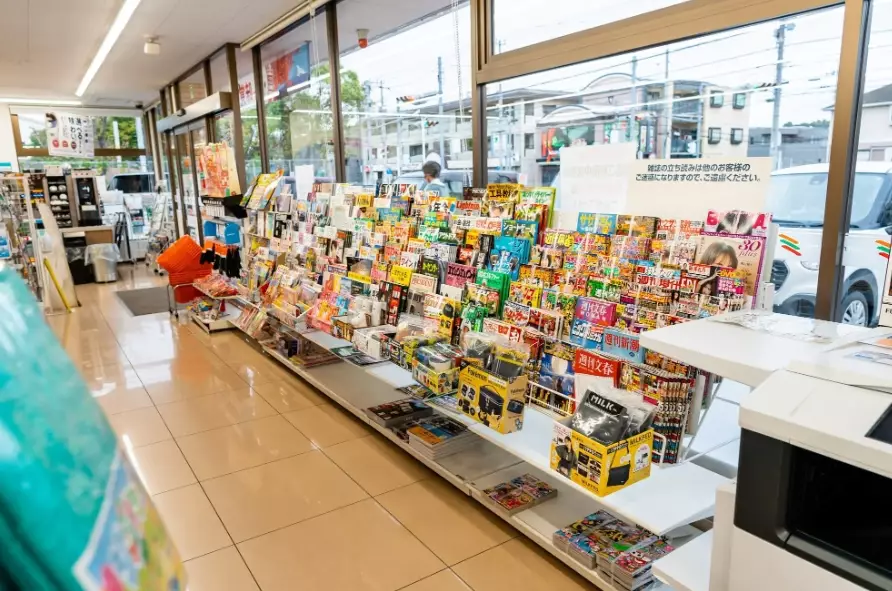
FAQ: Your Konbini Questions Answered
Based on questions I get from friends and readers, here are the big ones.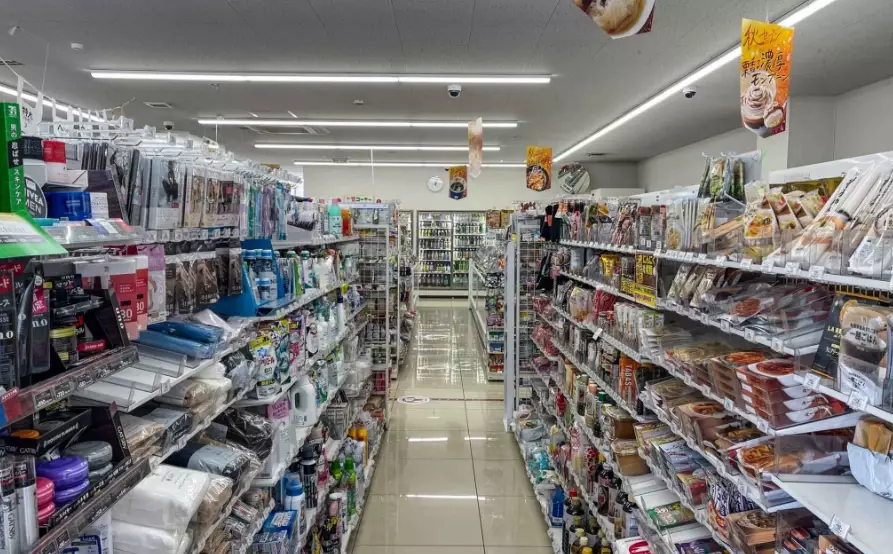



Share Your Thoughts