Four days in Japan might seem short, but it's enough to get a powerful taste of its contrasts—the dizzying neon of Tokyo and the serene majesty of Mount Fuji. I've crafted this 4-day, 3-night itinerary based on multiple trips, focusing on efficiency without the rush. The goal isn't to check every box, but to have a deep, memorable experience. We'll split time between Tokyo's electric energy and a day trip to the iconic Fuji region, with specific transport hacks, restaurant addresses, and timing tips you won't find in generic guides.
Your 4-Day Japan Trip at a Glance
How to Plan Your Japan 4-Day Itinerary
First, a reality check. Trying to see Tokyo, Kyoto, and Osaka in 4 days is a classic mistake. You'll spend half your time on trains. This itinerary focuses on the Kanto region, pairing Tokyo with Mount Fuji. It's logistically smooth and offers incredible variety.
Arrival Tip: Fly into either Narita (NRT) or Haneda (HND) airports. Haneda is closer to central Tokyo. I prefer landing at Haneda if possible—you can be in Shinjuku within 45 minutes via the Keikyu Line combined with the Toei Subway. From Narita, the Narita Express (N'EX) train is the most straightforward option to major stations like Tokyo and Shinjuku.
For the Fuji day trip, we'll use a combination of train and bus. Booking the highway bus in advance is crucial, especially during peak seasons (cherry blossom in spring, autumn foliage). I'll give you the specific booking website details later.
Day 1: Tokyo - Modernity and Tradition
Assuming a morning arrival, drop your bags at your hotel (most offer luggage holding before check-in). Hit the ground running.
Morning: Senso-ji Temple & Asakusa
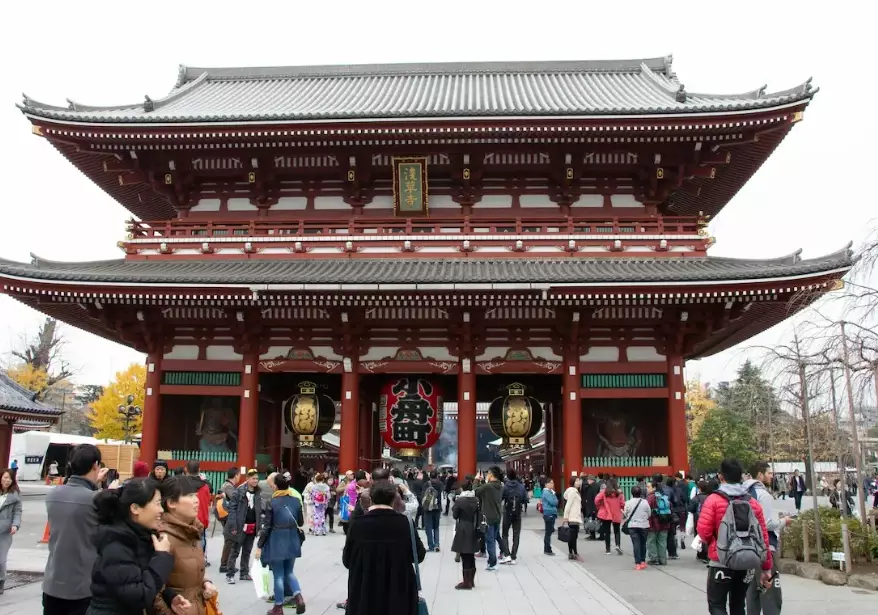
Start at Senso-ji, Tokyo's oldest temple. The approach via Nakamise-dori is packed with souvenir stalls. Go early (by 9 AM) to avoid the worst crowds. It's free to enter the temple grounds. I find the atmosphere just outside the main hall more authentic—watch people pray, cleanse their hands at the fountain. Address: 2 Chome-3-1 Asakusa, Taito City, Tokyo 111-0032. Open 24/7 for the outer grounds, main hall 6:00 AM to 5:00 PM (from 6:30 AM Oct-Mar).
Afternoon: Imperial Palace & Tokyo Station
Take the Ginza Line from Asakusa to Tokyo Station. The Imperial Palace East Gardens are a short walk. They're free, peaceful, and offer a glimpse of the moats and old fortifications. You won't see the main palace building—it's not open to the public. After, explore the maze-like underground streets around Tokyo Station, like Tokyo Ramen Street or Gransta, for a quick, high-quality lunch.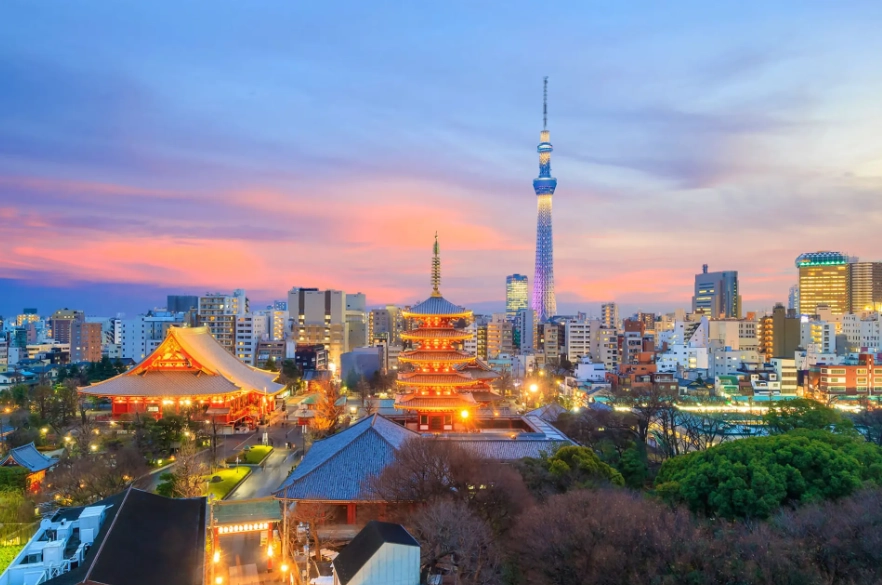
Evening: Shibuya Scramble & Shinjuku
Head to Shibuya. Experience the famous Shibuya Crossing. For the best free view, go to the second-floor Starbucks in the Tsutaya building—though it's often crowded. I prefer the viewing corridor on the second floor of Shibuya Station's new building (the "Shibuya Scramble Square" complex is paid). For dinner, find a yakitori alley. Nonbei Yokocho (Drunkard's Alley) near Shibuya Station is tiny, cramped, and utterly atmospheric. Meals cost around ¥2,000-¥3,000 per person.
Cap the night in Shinjuku. See the glowing robot and anime billboards of the Kabukicho area from a distance—it's sensory overload. For a calmer, stunning (and free) city view, go to the Tokyo Metropolitan Government Building observatory. It's open until 11:00 PM.
Day 2: Mount Fuji Day Trip
This is the highlight for many. Visibility is key. Check the Japan Meteorological Agency website or a live Fuji webcam in the morning. If it's cloudy, have a Tokyo backup day (like Odaiba or Akihabara).
Fuji Day Trip Logistics
Route: Take a direct highway bus from Shinjuku Expressway Bus Terminal to Kawaguchiko Station. The trip takes about 1 hour 45 minutes. Booking: Reserve online in advance on the Highway Buses website (English available). A round-trip costs roughly ¥3,800. Buses fill up, especially on weekends.
Alternative: The Fuji Excursion limited express train from Shinjuku is faster (about 1 hour 15 mins) but more expensive (around ¥4,000 one-way) and requires a seat reservation.
Morning: Lake Kawaguchi
From Kawaguchiko Station, rent a bicycle (around ¥1,500 for the day) or use the local Retro Bus. Cycle partway around Lake Kawaguchi. The Kawaguchiko Music Forest Museum offers a postcard-perfect view of Fuji over a European-style garden, though the museum itself is niche. I think the view from the lake's northern shores, near the Kubota Itchiku Art Museum, is just as good and free.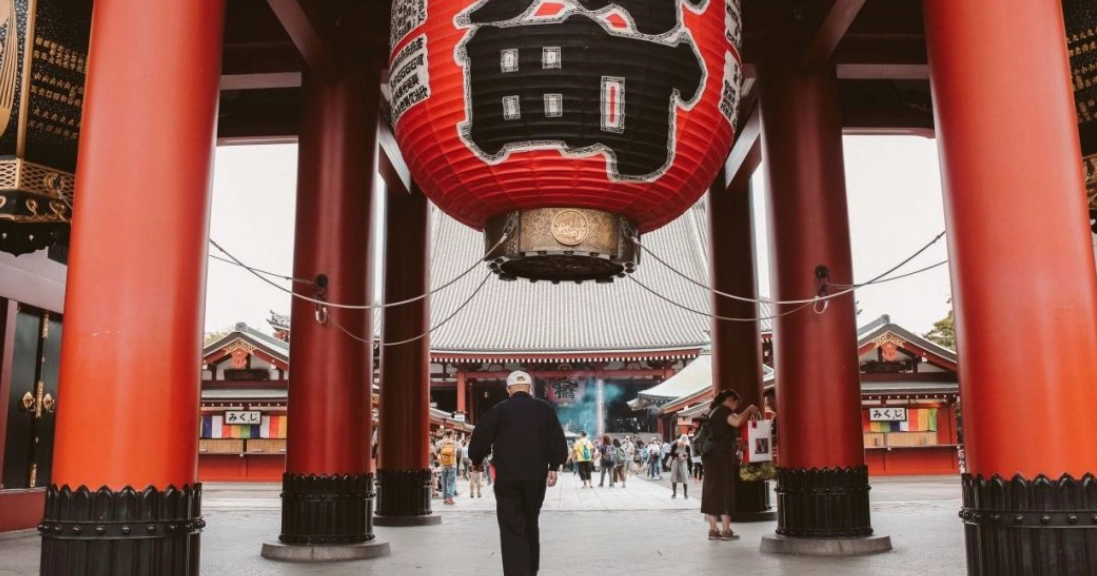
Afternoon: Chureito Pagoda & Onsen
Take the local train to Shimoyoshida Station. It's a 15-minute, moderately steep climb to the Arakurayama Sengen Park and the famous Chureito Pagoda. This is that iconic photo spot with the pagoda and Fuji in the background. No entrance fee.
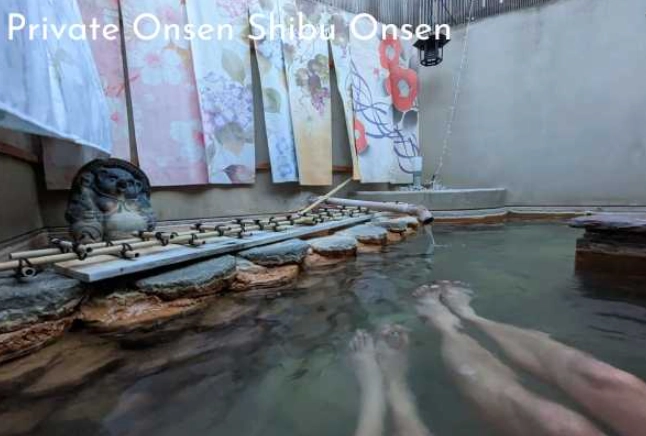
Before heading back, unwind at a local onsen (hot spring). Fuji Yurari Onsen has multiple baths and great views. Entry is about ¥1,500. It's a short taxi ride from Kawaguchiko Station. Catch the return bus to Shinjuku in the late afternoon.
Day 3: Tokyo Deep Dive
Choose your own adventure based on your interests.
| Option | Focus | Key Spots & Tips |
|---|---|---|
| Harajuku & Omotesando | Fashion, Culture, Food | Takeshita Street (go early, it's packed by noon), Meiji Jingu Shrine (serene forest in the city), Omotesando for architecture and boutique shopping. Try a crepe on Takeshita Street. |
| Akihabara & Ueno | Electronics, Anime, Museums | Akihabara for electronics and anime goods (Yodobashi Camera is a mega-store). Then walk to Ueno Park, home to several great museums like the Tokyo National Museum (entry ~¥1,000). Ameyoko market street is great for street food. |
| Tsukiji Outer Market & Odaiba | Food, Modern Attractions | Tsukiji Outer Market for fresh seafood snacks (like uni, oysters). Then take the Yurikamome automated train across the Rainbow Bridge to Odaiba for futuristic sights: teamLab Borderless digital art museum (book tickets weeks ahead), Gundam statue, and city views. |
For dinner, venture to a less-touristy area like Ebisu or Nakameguro. In Ebisu, try Afuri for its famous yuzu-shio ramen (1 Chome-1-7 Ebisu, Shibuya City). It's light, citrusy, and a refreshing change from heavy tonkotsu.
Day 4: Final Tastes and Departure
Your last morning. Check out and leave luggage at hotel or station lockers.
Morning: Fish Market Vibes and Last Souvenirs
If you missed Tsukiji, go now. Alternatively, visit the newer but massive Toyosu Market (the wholesale inner market moved here). You can't wander the auction floors like old Tsukiji, but there are public viewing galleries. The outer market area at Toyosu is smaller and more structured than Tsukiji's.
For last-minute souvenirs, Don Quijote (Donki) is a chaotic, multi-floor discount store selling everything from snacks to electronics. There's one in almost every major district. Or, for quality food items, Depachika (the basement food halls of department stores like Isetan or Takashimaya) are dazzling. Perfect for picking up beautifully packaged cakes, teas, and regional specialties.
Afternoon: Departure
Calculate your travel time back to the airport carefully. Allow at least 2 hours for Haneda, and 2.5-3 hours for Narita from central Tokyo, including check-in and security. The Limousine Bus from major hotels/stations is a hassle-free option if you have lots of luggage.
Where to Stay for 3 Nights
Base yourself in one hotel in Tokyo for all three nights. Moving hotels for a short trip wastes precious time. Choose a location with good train connections.
- Shinjuku: The ultimate transport hub. Excellent for the Fuji bus, nightlife, and dining. Can feel overwhelming. Hotel Sunroute Plaza Shinjuku is a reliable, well-located mid-range option (rooms from ¥15,000/night).
- Shibuya: Vibrant, younger vibe, great shopping. Direct access to the Yamanote Line. Shibuya Excel Hotel Tokyu is connected directly to the station (rooms from ¥18,000/night).
- Tokyo Station / Marunouchi: More business-like, quieter, supremely central for bullet trains (not needed here) and airport access. Mitsui Garden Hotel Kyobashi is a short walk from Tokyo Station with good value (rooms from ¥14,000/night).
- Ueno / Asakusa: More traditional feel, slightly further from the western hubs like Shinjuku, but often better value. Direct Skyliner access to Narita. Mimaru Tokyo Ueno East offers apartment-style rooms with kitchenettes, great for families (rooms from ¥20,000/night).
Japan 4-Day Itinerary FAQ
Is 4 days in Japan enough for Tokyo and Kyoto?
Technically possible, but I strongly advise against it for a first visit. The round-trip bullet train (Shinkansen) between Tokyo and Kyoto takes about 5-6 hours and costs over ¥26,000. You'd lose nearly a full day in transit, turning your trip into a stressful sprint. This 4-day Japan itinerary focusing on Tokyo and Mount Fuji gives you a richer, more relaxed experience.
What's the biggest mistake people make on a short Japan itinerary?
Over-scheduling. They pack every hour with a new attraction, not accounting for the time it takes to navigate Tokyo's massive stations, find the correct platform, or simply get lost (which is part of the fun). Build in buffer time. A common specific mistake is not checking Mount Fuji visibility before heading out—you might just see a wall of cloud.
 Can I use my credit card everywhere on this Japan travel itinerary?
No. While major hotels, department stores, and some restaurants in Tokyo accept cards, you'll still need cash. Many smaller restaurants, market stalls, temple donation boxes, bus fares to local Fuji spots, and locker rentals are cash-only. Withdraw yen from 7-Eleven ATMs (they have English menus and accept foreign cards)—they're the most reliable.
How should I handle luggage on the Mount Fuji day trip?
Do not take your suitcase. Use your hotel's luggage storage or a station locker in Tokyo. Carry only a daypack with essentials. Buses and trains to Fuji have limited luggage space, and exploring lakeside or climbing to the pagoda with a roller bag is impractical.
Is the Japan Rail Pass worth it for this 4-day itinerary?
Almost certainly not. The 7-day nationwide JR Pass costs around ¥50,000. The travel in this plan—Narita Express, local Tokyo trains, and the Fuji bus/train—won't come close to that value. Stick with a Suica/Pasmo card and pay for the Fuji transport separately.
Share Your Thoughts