You've seen the picture. The skeletal remains of a domed building, twisted metal against the sky. The Hiroshima Peace Memorial, commonly called the A-Bomb Dome or Genbaku Dome, is that image. But standing there, in front of it, is a different experience entirely. The photos don't capture the silence that often falls over the crowd, or the way the morning light hits the broken bricks. This isn't just a stop on a tourist checklist; it's the central artifact of a city's memory, a UNESCO World Heritage Site that forces a conversation about the past and the future. Let's talk about how to visit it right.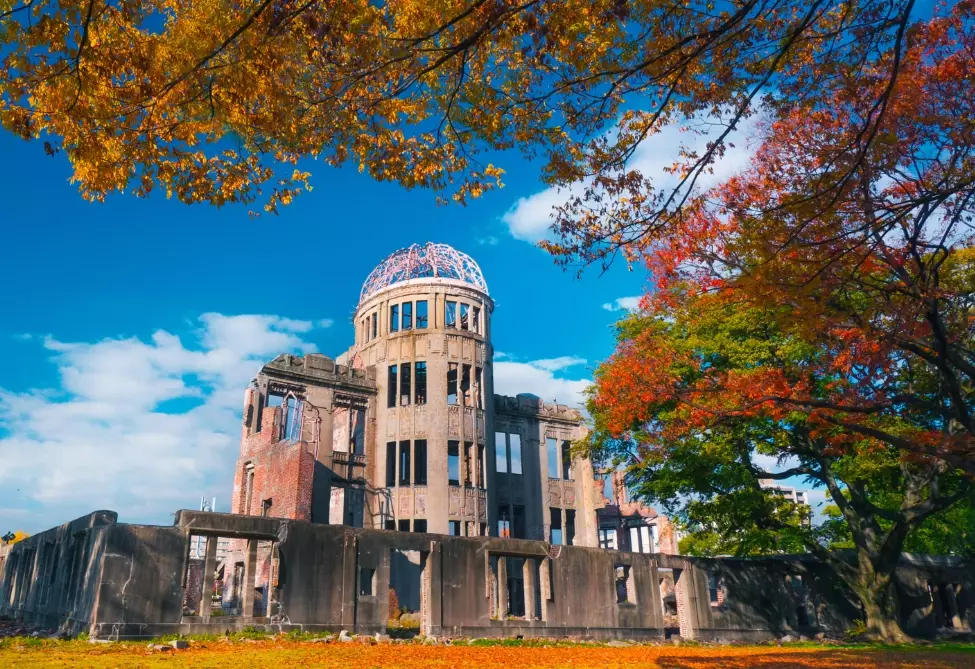
Your Quick Guide to Visiting the Hiroshima Peace Memorial
What Is the Hiroshima Peace Memorial Building?
First, a bit of clarity. When people search for "Hiroshima Peace Memorial building," they're almost always referring to the A-Bomb Dome. Its official name is the Hiroshima Peace Memorial. It's not a museum—the museum is a separate, modern building nearby. This distinction trips up a lot of first-time visitors.
The building itself was originally the Hiroshima Prefectural Industrial Promotion Hall, completed in 1915. It was a graceful, European-style structure with a distinctive copper-clad dome, designed by Czech architect Jan Letzel. It was a symbol of Hiroshima's economic ambition.
On August 6, 1945, at 8:15 a.m., the world's first atomic bomb used in warfare detonated almost directly above it. The blast and heatwave killed everyone inside instantly. Yet, because the explosion occurred almost directly overhead, the vertical shockwaves partially spared the core structure while gutting everything else. It was one of the few buildings left standing near the hypocenter.
Here's the part many summaries miss: its preservation was fiercely debated. In the years after the war, a ruined Hiroshima needed to rebuild. Many citizens saw the Dome as a painful eyesore, a reminder they wanted to erase. Others, including survivors, argued it must stand as a witness. The movement to preserve it, led by local journalist and later mayor Shinzo Hamai, gained momentum in the 1960s. It wasn't simply saved by decree; it was saved by a growing public consensus on the need for a permanent, physical warning.
That's why it's powerful. It's not a replica. It's the actual, scorched, and ruptured skeleton, stabilized against collapse but otherwise untouched. UNESCO inscribed it in 1996, stating it "serves as a stark and powerful symbol of the most destructive force ever created by humankind."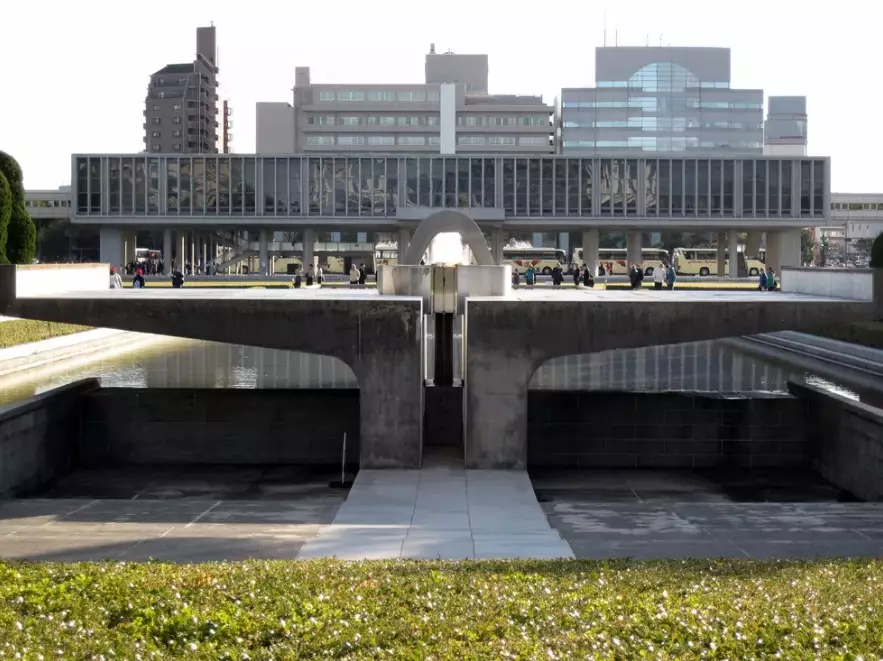
Practical Visit Information: Tickets, Hours & How to Get There
Let's get down to the details you need to plan your trip. The good news? Seeing the Dome itself is free and always accessible from the park. The crucial, context-providing part—the museum—has a small fee.
| Item | Details |
|---|---|
| Official Name | Hiroshima Peace Memorial (A-Bomb Dome / Genbaku Dome) |
| Address | 1-10 Otemachi, Naka Ward, Hiroshima, 730-0051 |
| Dome Access | Free, 24/7 viewable from Peace Memorial Park paths. |
| Peace Memorial Museum | Admission: 200 yen (adults). Hours: 8:30 AM - 6:00 PM (Mar-Jul, Sep-Nov), 8:30 AM - 7:00 PM (Aug), 8:30 AM - 5:00 PM (Dec-Feb). Last entry 30 min before closing. Closed Dec 30-31. |
| Best Viewing Time | Early morning (before 9 AM) for softer light and fewer crowds, or late afternoon when the setting sun illuminates the structure. |
Getting There: The Tram is Part of the Experience
From Hiroshima Station, ignore the buses for this trip. Take the historic Hiroshima Electric Railway (Hiroden) streetcar. It's slower than a taxi but sets the tone. Board the #2 (orange line) or #6 (yellow line) bound for Miyajima-guchi. The ride takes about 15 minutes. Watch for the announcement for Genbaku Dome-mae—the stop name means "in front of the A-Bomb Dome." As you step off, look up. The Dome is right there, across the Motoyasu River. That first glimpse from the tram stop is a moment you can't get from a car.
If you're coming from Miyajima, you're already on the right tram line (#2) coming back to the city. Get off at the same stop.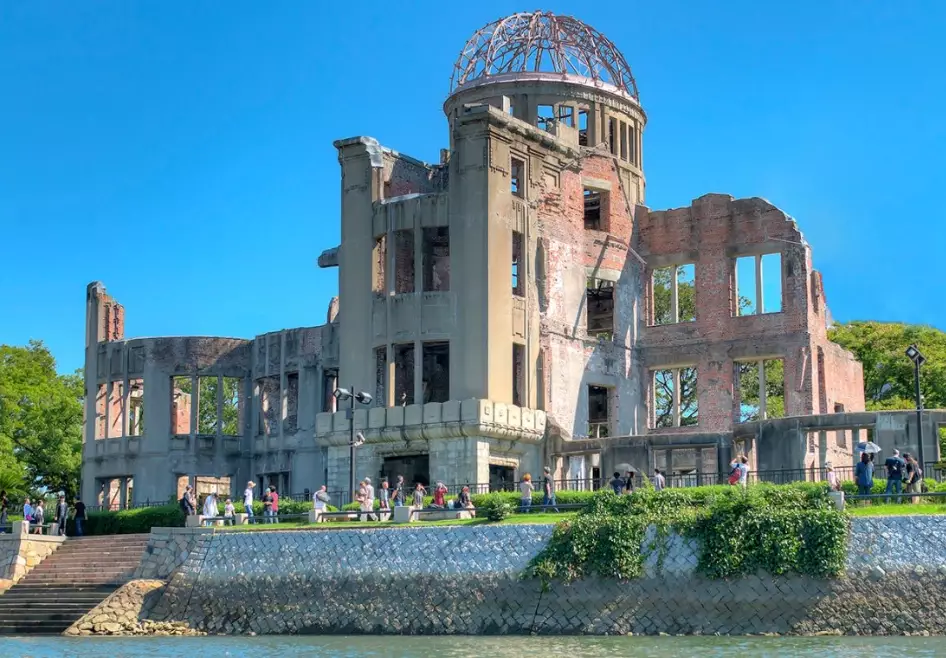
How to Plan a Meaningful Visit: An Expert's Itinerary
Don't make the classic mistake of treating the Dome as a 5-minute photo op. To understand it, you need to engage with the entire Peace Memorial Park. Here’s how I structure a visit, refined after multiple trips.
Step 1: First Contact with the Dome
Get off the tram and walk directly to the riverbank opposite the Dome. Just look. Read the plaques nearby. Notice how the dome's frame is bent, how the brick is scorched. I always take a minute here before crossing the bridge. It lets the scale sink in.
Step 2: The Essential Context – The Peace Memorial Museum
Now, walk into the park towards the long, low Hiroshima Peace Memorial Museum (East Building). Go here *before* spending more time at the Dome. Why? The museum provides the horrific, necessary context. You'll see the shredded school uniforms, the melted glass bottles, the grim photographs. It answers the "what happened here" in visceral detail. The museum's narrative leads you from the city before the bomb, through the destruction, to the aftermath and the global movement for nuclear abolition. It's tough. Take your time. The official museum website offers an online guide and exhibit preview, which is helpful for sensitive visitors.
Step 3: The Park's Symbolic Landscape
After the museum, the park itself becomes a narrative. Walk the central axis.
The Cenotaph: The arched tomb holds the names of all known victims. From here, you can frame a photo of the A-Bomb Dome perfectly through the arch—a powerful symbolic link.
Flame of Peace: It will burn until all nuclear weapons are abolished.
Children's Peace Monument: Inspired by Sadako Sasaki and her paper cranes. You'll see thousands of colorful paper cranes sent by schoolchildren worldwide.
Step 4: Return to the Dome with New Eyes
Now, walk back to the A-Bomb Dome. Your perception will have changed. You're not just looking at an old ruined building; you're seeing the origin point of the stories you just encountered. Walk around its perimeter. Look up at the exposed steel girders.
Most visitors cluster on the south side. Walk to the north side for a less obstructed, often more poignant view.
Combining with Miyajima: The Hiroshima One-Day Balance
Many visitors pair Hiroshima with Miyajima. This creates a profound day: the solemn, human-made tragedy of the morning contrasted with the serene, ancient spiritual beauty of Itsukushima Shrine in the afternoon. It's emotionally heavy but incredibly moving. Take the tram from the Dome back to the station, transfer to the JR Sanyo Line (or the same #2 tram all the way) to Miyajima-guchi, then the ferry.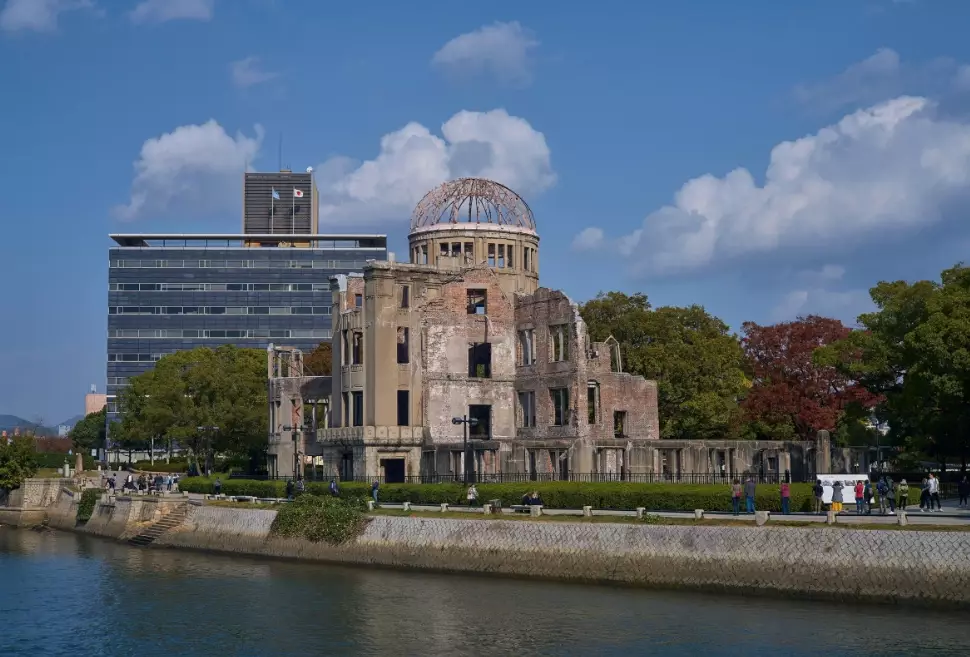
Your Questions About Visiting the A-Bomb Dome Answered
Can you go inside the Hiroshima Peace Memorial (A-Bomb Dome)?
No, entering the A-Bomb Dome structure itself is strictly prohibited for safety and preservation reasons. The building remains in its damaged state as a physical relic. Visitors can only view it from the outside, walking around the perimeter on designated paths within the Peace Memorial Park. This external perspective is powerful enough to convey the scale of destruction and the miracle of its partial survival.
How much time do I need to visit the A-Bomb Dome and Peace Memorial Park?
A respectful and thorough visit requires a minimum of 2 to 3 hours. Don't just snap a photo of the Dome and leave. Budget 30-45 minutes for the Dome and its surrounding plaques. Then, allocate at least 90 minutes for the Hiroshima Peace Memorial Museum, which is essential for context. The rest of the park, including the Cenotaph and Flame of Peace, deserves another 30-45 minutes. Rushing through this site diminishes its impact.
Is the Hiroshima Peace Memorial site appropriate for young children?
This is a deeply personal decision. The exterior (the Dome and park grounds) is fine for all ages and can be a place for simple lessons about peace. However, the Peace Memorial Museum contains graphic and distressing exhibits, including photographs of severe burns, melted artifacts, and personal effects. I recommend previewing the museum's content online via its official website. For children under 10-12, consider having one adult wait outside with them while others tour the museum, or plan a shorter, curated visit focusing on the park's symbolic elements like the Children's Peace Monument.
What is the best way to get to the Hiroshima Peace Memorial from the station?
From Hiroshima Station, the easiest way is the Hiroshima Electric Railway (streetcar). Take the #2 or #6 tram line bound for 'Miyajima-guchi' and get off at the 'Genbaku Dome-mae' stop—the name literally means 'in front of the A-Bomb Dome.' The ride takes about 15 minutes and costs 190 yen. The Dome is visible the moment you step off the tram. While you can walk (about 25-30 minutes) or take a taxi, the tram is the most authentic and direct local experience.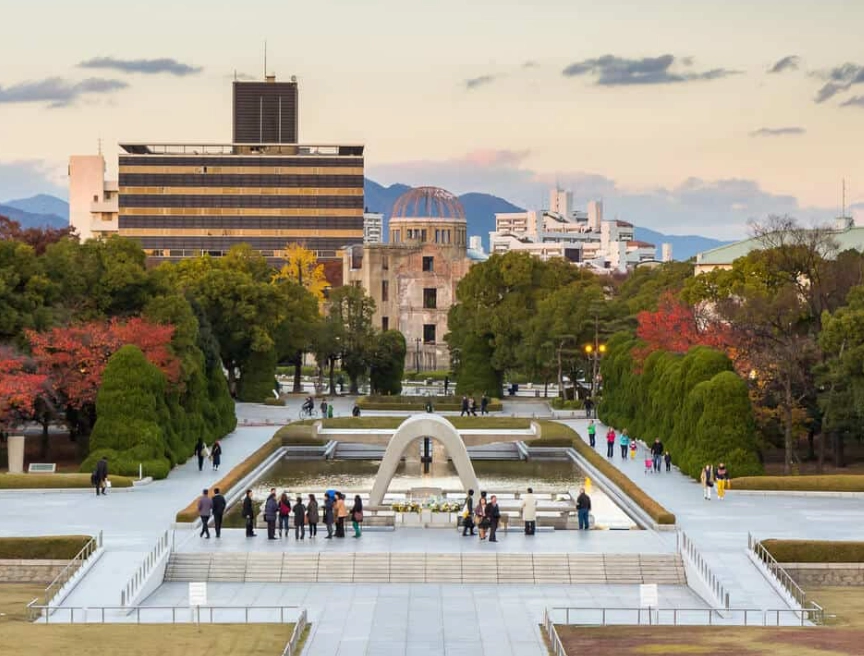
The last thing I'll say is this: the Hiroshima Peace Memorial isn't about assigning blame during a brief visit. It's about witnessing a specific, terrible moment in time made permanent. It's about feeling the weight of that moment so we might think harder about the next one. You leave not with answers, but with a responsibility to remember. And that, perhaps, is the most valuable thing any site can offer.

Share Your Thoughts