Your Quick Guide
Let's be honest. Planning a Tokyo itinerary can feel overwhelming. You're staring at a map with hundreds of subway lines, a list of a thousand "must-see" temples, and you just want to eat good ramen without getting hopelessly lost in Shinjuku Station. I get it. I've been there. On my first trip, I spent half a day trying to find the right exit from Shibuya Station. It's a rite of passage.
So this isn't some generic list slapped together. This is the guide I wish I had. We're going to build Tokyo itineraries that actually make sense on the ground, whether you have three days or three weeks. We'll talk about neighborhoods that flow into each other, how to actually use the trains, and where to find those moments of quiet in a city that never seems to sleep. We'll also get real about the stuff other guides gloss over—like how tiring it can be, or which popular spots might not be worth the hype for you.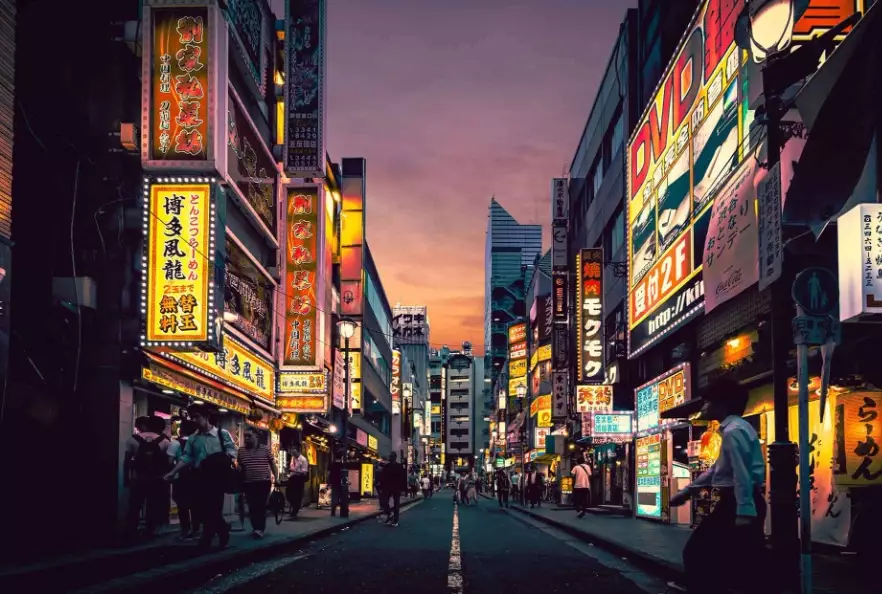
Forget trying to see everything. It's impossible. Tokyo is less a single city and more a collection of fascinating, distinct towns all mashed together. Your trip will be defined by which of these "towns" you connect with. Are you a neon-lit nightlife person, or a serene temple wanderer? A dedicated foodie, or a pop-culture superfan? We'll cater to that.
The Foundation: Before You Build Any Tokyo Itinerary
Jumping straight into a day-by-day plan is a mistake. You need to lay the groundwork first. A little prep saves you hours of confusion and frustration later.
Getting Around: The Train is Your Best Friend (and Occasional Foe)
The Tokyo metro system is a marvel of efficiency and a labyrinth of complexity. Here's the simple breakdown that took me ages to figure out.
There are two main subway operators: Tokyo Metro and Toei. Then you have the above-ground JR lines, most importantly the JR Yamanote Line (the green loop line). This Yamanote Line is the backbone of most tourist itineraries—it connects Shinjuku, Shibuya, Harajuku, Tokyo Station, Ueno, and Ikebukuro in a convenient circle.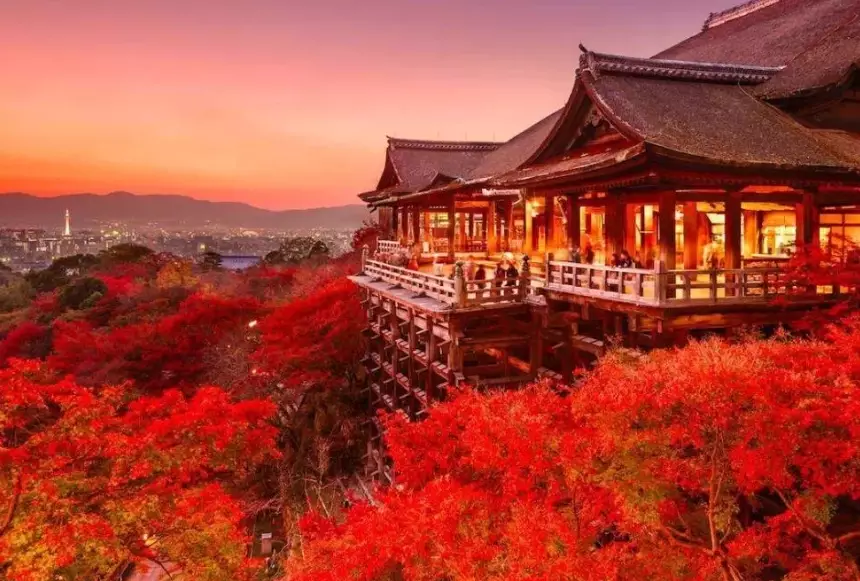
Google Maps is shockingly accurate and reliable for Tokyo transit. It tells you which platform, which exit, and even the exact train car to board for the smootest transfer. Trust it more than the static maps on the walls.
Where to Stay: Location is Everything
Your hotel location will make or break your Tokyo itinerary efficiency. Staying an hour away from everything to save $20 a night is a false economy—you'll waste precious time and energy commuting.
Best areas for first-timers:
- Shinjuku: The major transit hub. Incredibly convenient, buzzing with energy day and night. Can feel impersonal and overwhelming.
- Shibuya: Youthful, trendy, home to the famous scramble. Great for shopping and nightlife. Very crowded.
- Ginza/Tokyo Station: More upscale, slightly quieter, excellent transport links (including Shinkansen). Less "character" perhaps.
- Asakusa: Old Tokyo vibe, close to Senso-ji Temple. Feels more traditional but transit connections aren't as direct to western hubs like Shibuya.
I made the mistake of staying way out in Ikebukuro on an early trip because it was cheap. I spent over 90 minutes every day just getting to where I wanted to be. Never again. For a smooth Tokyo travel itinerary, prioritize access to a Yamanote Line station or a major subway interchange.
The Core Tokyo Itinerary Templates
Okay, let's get into the meat of it. Here are sample itineraries based on length of stay. Think of these as blueprints. Swap days, mix and match neighborhoods based on your energy and interests.
The Perfect 3-Day Tokyo Itinerary (The Highlights Blitz)
Three days is short, but you can get a fantastic taste. This plan is intense but designed for logical geography.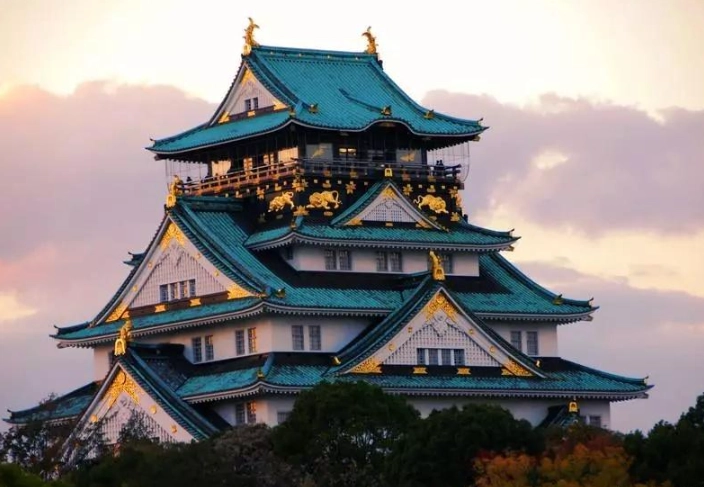
Day 1: Imperial East & Pop Culture
Start at the serene Meiji Jingu Shrine in Harajuku (get there early for peace). Walk down Takeshita Street for a sensory overload of crepes and teen fashion. In the afternoon, dive into Shibuya. See the scramble, hang out with Hachiko, and explore Shibuya Sky for epic views (book tickets in advance!). Evening in Shinjuku: wander the chaotic, wonderful alleys of Omoide Yokocho or Golden Gai for drinks and yakitori.
Day 2: Old & New Tokyo
Morning in Asakusa. Visit the magnificent Senso-ji Temple and Nakamise shopping street. Then, take a short river cruise or walk to the futuristic Tokyo Skytree for a different perspective. Afternoon in Akihabara, the electric town for anime, manga, and electronics. Evening, head to Roppongi for nightlife or Tokyo Tower for a classic view.
Day 3: Refined Tokyo & Departure
Spend your last morning in Tsukiji Outer Market for fresh sushi breakfast (the inner wholesale market moved, but the outer market remains a food paradise). Then, explore the upscale shops and galleries of Ginza. If you have a late flight, the teamLab Planets digital art museum in Toyosu (nearby) is a mind-bending, unforgettable experience (book weeks ahead).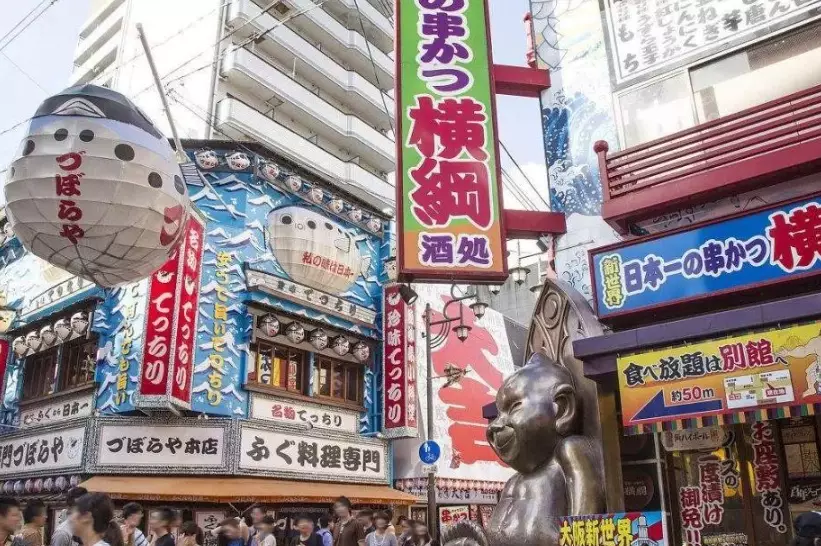
The Balanced 5-Day Tokyo Itinerary (Deeper Dive)
With five days, you can breathe and explore a few neighborhoods properly.
Use Days 1-3 from the 3-day plan above. Now, let's add two more.
Day 4: West Tokyo Charm
Escape the skyscrapers. Head to Shimokitazawa, a district of narrow streets packed with vintage clothing stores, indie cafes, and small theaters. It's bohemian and relaxed. In the afternoon, visit the Ghibli Museum in Mitaka (if you secured the notoriously difficult tickets) or explore the peaceful Inokashira Park. Evening back in Koenji or Nakano for more local, less-touristy vibes.
Day 5: Day Trip or Deep Dive
You have a choice here.
Option A (Day Trip): Take a short train to Kamakura. See the Great Buddha (Daibutsu), walk the charming streets with temples, and maybe even get a glimpse of the ocean. It's a perfect cultural counterpoint to Tokyo.
Option B (Tokyo Deep Dive): Explore Ueno Park (museums, zoo, street performers), then Ameyoko market street for bustling energy and snacks. Later, dive into the electronics and ramen shops of Ikebukuro, or explore the sophisticated museums and gardens of Rikugien or the Edo-Tokyo Museum.
The Ultimate 7-Day+ Tokyo Itinerary (Becoming a Local)
A week or more? Now you're living. Follow the 5-day plan, and then use the extra days to specialize.
- Foodie Day: A dedicated ramen tour (Shin-Yokohama Ramen Museum?), a sushi-making class, exploring depachika (department store basement food halls), and hunting for the best tonkatsu or tempura.
- Off-the-Beaten-Path Day: Kiyosumi Garden in Fukagawa, the Goto Art Museum in quiet Aoyama, the warehouse-art complex of Tenoha Daikanyama, or the retro Showa-era atmosphere of Sugamo ("Grandma's Harajuku").
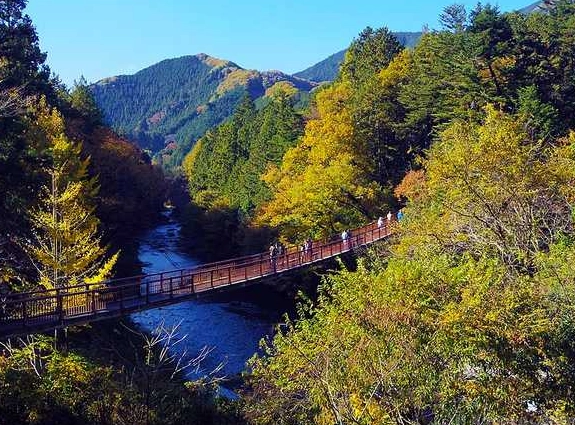
- Second Day Trip: Nikko for stunning UNESCO World Heritage shrines and temples in a mountain setting, or Hakone for onsens (hot springs) and views of Mt. Fuji (weather permitting).
With this much time, your Tokyo itinerary becomes less about checking sites and more about rhythms. Having a "home" cafe, visiting the same convenience store clerk, knowing which train car gets you to the best exit.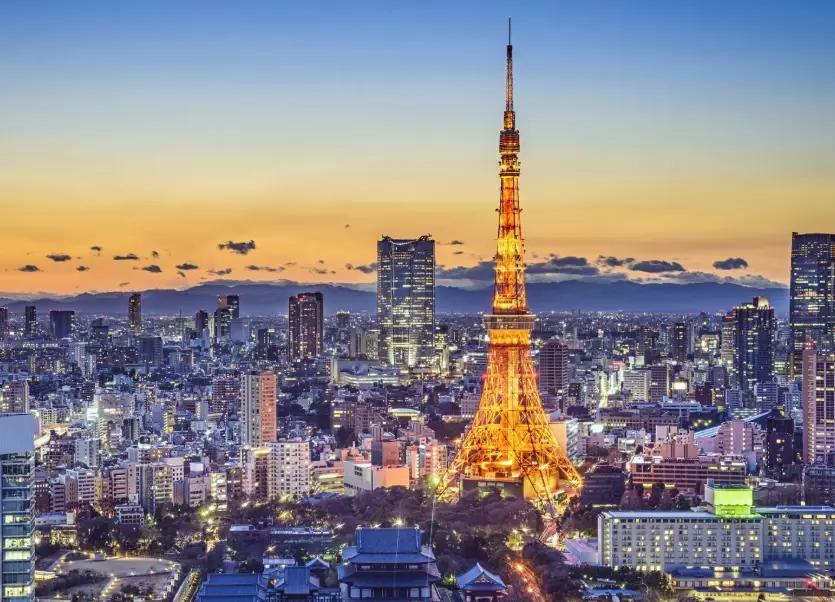
Budgeting Your Tokyo Trip: A Realistic Breakdown
Let's talk money. Tokyo can be as expensive or as reasonable as you make it. This table breaks down average daily costs to help you plan.
| Category | Budget Traveler | Mid-Range Traveler | Luxury/Splurge |
|---|---|---|---|
| Accommodation (per night) | Capsule hotel / hostel bunk: ¥3,000 - ¥6,000 | Business hotel / 3-star: ¥10,000 - ¥20,000 | 4/5-star hotel / luxury ryokan: ¥30,000+ |
| Food (per day) | Convenience store meals, street food, standing ramen bars: ¥2,000 - ¥3,000 | Mix of casual sit-down (ramen, curry, set meals) and one nice meal: ¥5,000 - ¥8,000 | Fine dining (sushi, kaiseki), famous restaurants: ¥15,000+ |
| Transport (per day) | Local trains only, walking: ¥800 - ¥1,500 | Unlimited metro pass + some taxis: ¥1,500 - ¥3,000 | Taxis for convenience, Shinkansen trips: ¥5,000+ |
| Activities/Sights | Free temples, parks, window shopping: ¥0 - ¥1,000 | 1-2 paid museums/attractions per day: ¥2,000 - ¥4,000 | Premium experiences, guided tours: ¥6,000+ |
| Estimated Daily Total | ¥6,000 - ¥11,500 (~$40-$75 USD) | ¥18,500 - ¥35,000 (~$120-$230 USD) | ¥50,000+ (~$325+ USD) |
A few notes on this. The weak yen as of late has made Japan much more affordable for visitors with USD, EUR, etc. Your money goes further now than it did five years ago. Also, "budget" food in Tokyo is still incredibly high quality. A ¥1,000 bowl of ramen can be a life-changing meal.
Tokyo Itinerary FAQs: Answering Your Real Questions
Here are the questions I get asked most often, the ones that cause pre-trip anxiety.
Seasonal Considerations for Your Tokyo Itinerary
When you visit dramatically changes the vibe.
- Spring (March-May): Cherry blossom season (late March-early April) is magical but also the most crowded and expensive time of year. Book everything a year in advance. Early May is "Golden Week," a series of national holidays—domestic travel is hectic, avoid if possible.
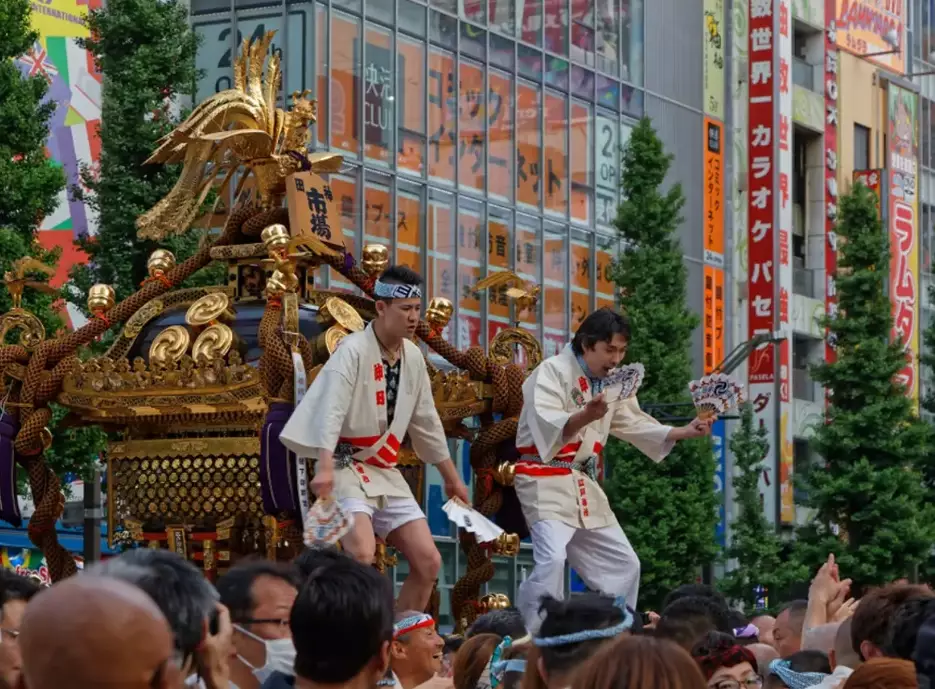
- Summer (June-August): Hot and humid. Seriously humid. Plan indoor activities for midday (museums, department stores). Evenings are lively with festivals (matsuri) and fireworks. Carry a towel and drink lots of water.
- Fall (September-November): My personal favorite. Pleasant temperatures, stunning autumn foliage (koyo) in November, and great food. Similar to spring but less manic.
- Winter (December-February): Cold but dry and sunny. Fewer tourists, great deals on hotels. Illuminations are spectacular. New Year (Jan 1-3) is a major family holiday; many businesses close.
I made the mistake of visiting in mid-August once. The heat was oppressive. I spent a small fortune on bottled water and retreated to air-conditioned malls every afternoon. Lesson learned.
Final Thoughts: Your Tokyo, Your Way
Look, you can follow a Tokyo itinerary to the letter, or you can use it as inspiration. The city has a way of rewarding curiosity. That unplanned detour might lead you to the best tempura of your life. Getting a little lost might show you a neighborhood you'll fall in love with.
The most important thing to pack is flexibility. And comfortable shoes. Seriously, you'll walk 10-15 miles a day without even realizing it.
Use the official Tokyo Metropolitan Government's GO TOKYO website for the most reliable, up-to-date information on events, transit updates, and official tourist resources. It's an authoritative source that's constantly maintained.
The Bottom Line: Don't stress about creating the "perfect" Tokyo itinerary. There is no such thing. Create a smart, logical framework based on your interests and time, then let Tokyo happen to you. Be present. Eat the strange-looking thing. Bow when you receive something. Say "arigatou gozaimasu.
You're going to have an amazing time. And you'll probably start planning your next Tokyo itinerary on the flight home. I know I always do.

Share Your Thoughts