Your Peaceful Japan Journey Map
- The Big Picture: Japan's Tourist Seasons Explained
- The Top Contenders: When to Go for Fewer People
- A Month-by-Month Breakdown of Crowds and Conditions
- Beyond the Calendar: Pro Tips to Escape Crowds Anytime
- Your Questions Answered (The Stuff You're Really Wondering)
- The Final Verdict: So, When Should *You* Go?
Let's be honest. You've seen the pictures of Shibuya Crossing, a river of people flowing in every direction. You've read about the shoulder-to-shoulder crowds at Fushimi Inari, where finding a quiet moment with the torii gates feels like a miracle. You want to experience Japan—the serene temples, the incredible food, the breathtaking landscapes—but the thought of doing it all while elbowing through massive tourist packs sounds exhausting. I get it. I've been there, stuck in a slow-moving herd on Takeshita Street, wondering if this was really the "authentic" experience I’d dreamed of.
So, you're asking the million-dollar question: when is the best time to visit Japan for less crowds? The short, unsatisfying answer is: it depends. It depends on what you want to see, how much weather bothers you, and what you define as a "crowd." But the good news is, there absolutely are sweet spots. Periods where the weather is decent, the sights are accessible, and you can actually hear yourself think in a Japanese garden. This isn't about finding a ghost town (Japan is a populous country, after all), but about strategically avoiding the peak tourist tidal waves.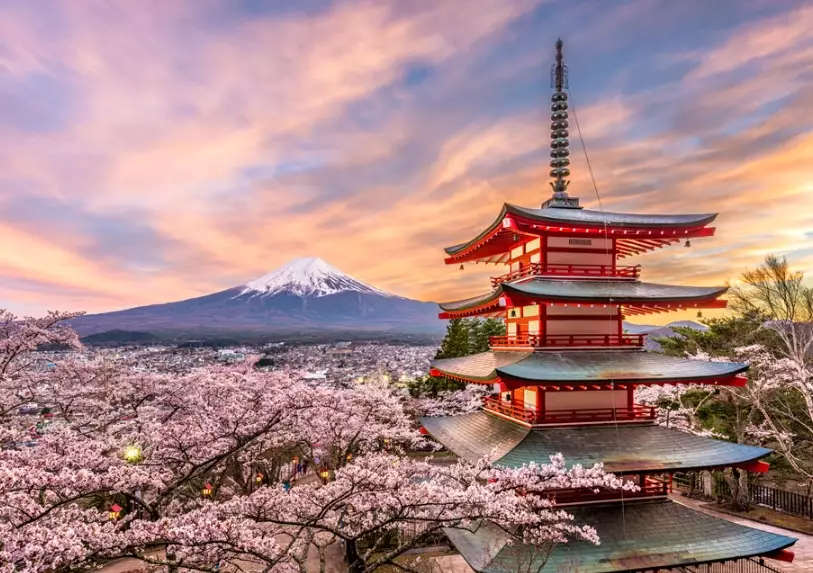
This guide won't just throw a couple of months at you. We're going to dig deep into the rhythm of Japan's year. We'll look at the weather patterns, the school holidays (local and international), the big festivals, and the cultural calendar. I'll share some personal wins and a few missteps from my own trips. By the end, you'll be able to pick a time that aligns with your dream trip, not just a date on a calendar. Forget the generic advice; let's get specific.
The Big Picture: Japan's Tourist Seasons Explained
First, you need to understand the beast you're trying to tame. Japan's tourism isn't flat—it has monstrous peaks and deep, peaceful valleys. The peaks are driven by a few key things.
Sakura (Cherry Blossoms): Late March to early April. This is arguably the single busiest period. It's stunning, yes, but it's also a national obsession combined with a global tourist magnet. Parks are packed for hanami (flower viewing), hotels are booked a year in advance, and prices skyrocket. If avoiding crowds is your top priority, you should probably rule this out immediately, unless you have very specific, off-the-beaten-path plans.
Golden Week: A cluster of four national holidays from late April to early May (usually April 29 to May 5). This is when all of Japan travels. Trains are fully reserved, highways are parking lots, and popular destinations are swamped with domestic tourists. It's pure madness and arguably the worst possible time to visit for easy travel.
Summer Holidays (Obon): Mid-August. Similar to Golden Week, Obon is a major family holiday when people return to their hometowns. Travel is hectic, and it's coupled with the hottest, most humid weather of the year. A double whammy.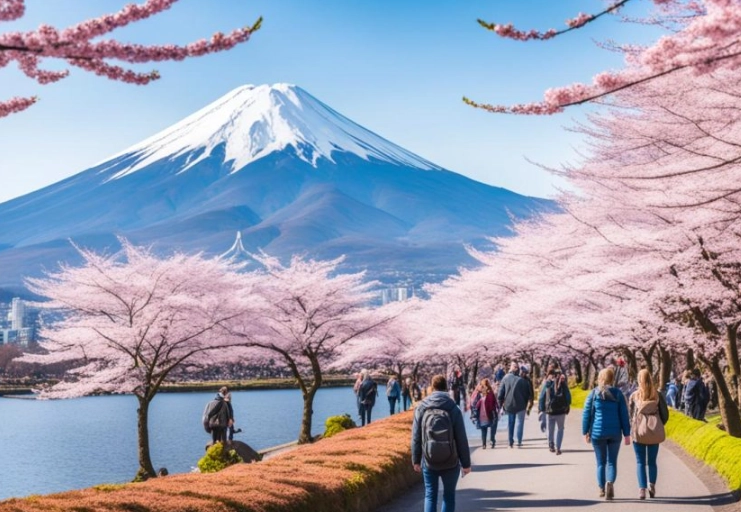
Autumn Foliage (Koyo): Late October to early December, depending on the region. This is becoming the "new sakura" in terms of popularity. The crowds in Kyoto in November can be just as intense as in April. It's beautiful, but busy.
Year-End/New Year (Shogatsu): December 29 to January 3. Another major domestic travel period. Many businesses, museums, and restaurants close for several days. While cities like Tokyo can feel quieter, travel is busy, and experiencing traditional New Year's events at temples comes with massive lines.
A quick reality check: There is no perfect, crowd-free month with perfect weather. The goal is to find the best compromise for you. Sacrificing a bit of warmth for empty streets? Or braving a higher chance of rain for lower hotel rates? That's the real decision.
The Top Contenders: When to Go for Fewer People
Now, let's break down the real candidates for the title of best time to visit Japan for less crowds. I'm going to group these by season, because the experience varies so much.
Late Autumn (Early to Mid-December)
This is my personal favorite secret weapon. Once the autumn foliage crowds dissipate in early December, there's a magical lull before the New Year's rush hits. I wandered through Arashiyama Bamboo Grove in Kyoto on a December morning once and shared it with maybe ten other people. It was unreal.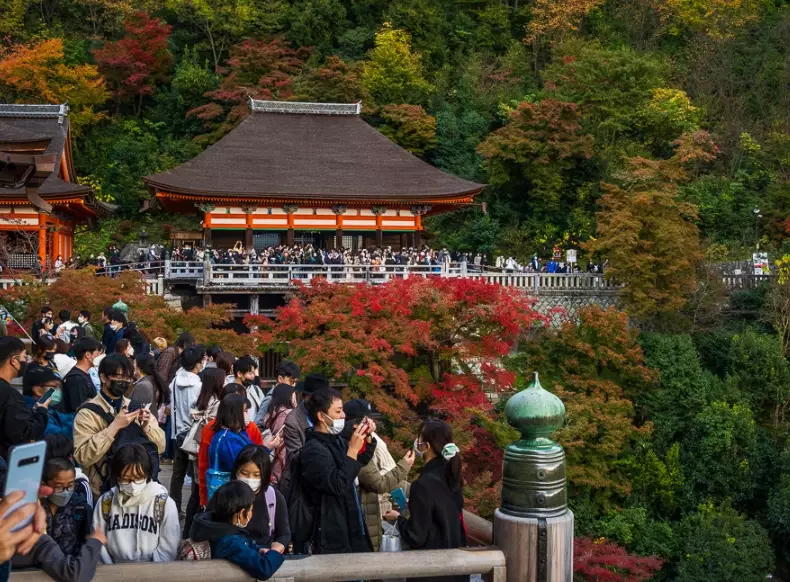
The Upside: Crowds are thin. Hotel prices drop significantly after the foliage premium. The weather is cool and crisp, perfect for walking. Cities are beautifully lit with Christmas illuminations (a big deal in Japan!). You can feel a calm settle over the temples and gardens.
The Downside: It can get chilly, especially in the evenings and in regions like the Japanese Alps. Some outdoor attractions or hikes might be less pleasant. Daylight hours are shorter. This period is, in my view, a fantastic and underrated choice for the best time to visit Japan for less crowds if you don't mind layering up.
Winter (January - Mid-March, excluding New Year)
January, after the New Year's travelers have gone home, and February are arguably the quietest months overall for urban and cultural tourism. This is when you can truly feel like you have places to yourself.
The Upside: Minimal crowds at major sights. The lowest hotel rates of the year (outside of ski resorts). Clear, sunny days are common. It's a fantastic time for onsen (hot springs)—soaking in an outdoor bath while snow falls around you is a quintessential Japanese experience. Cities feel vibrant with local life, not tourist hordes.
The Downside: It's cold. Really cold in places like Hokkaido, Tokyo, and Kyoto. Some gardens look barren, and travel to the north can be disrupted by snow (though this is a plus for ski enthusiasts). You need to pack seriously warm clothing.
I visited Kanazawa in late February once. Kenrokuen Garden, one of Japan's top three gardens, was dusted with snow and almost empty. The famous "snow protections" (yukizuri) on the pine trees were up, and it was serene in a way the crowded spring version could never be. It was a different kind of beauty, and worth the cold toes.
Late Spring (Late May - Mid-June)
This is the window after Golden Week chaos ends and before the brutal summer heat and rains begin. It's a gorgeous time of year.
The Upside: The weather is sublime—warm but not hot, with low humidity. The landscape is lush and green. Hydrangeas (ajisai) bloom spectacularly in June, especially at temples like Meigetsu-in in Kamakura, offering a floral attraction without the sakura-level frenzy. Crowds are manageable.
The Downside: You're flirting with the rainy season (tsuyu), which typically starts in early June in most of southern Japan. It doesn't rain all day every day, but you'll likely encounter overcast skies and some persistent drizzle. Humidity starts to ramp up towards the end of June. This period is a roll of the dice weather-wise, but if you get a good week, it's nearly perfect.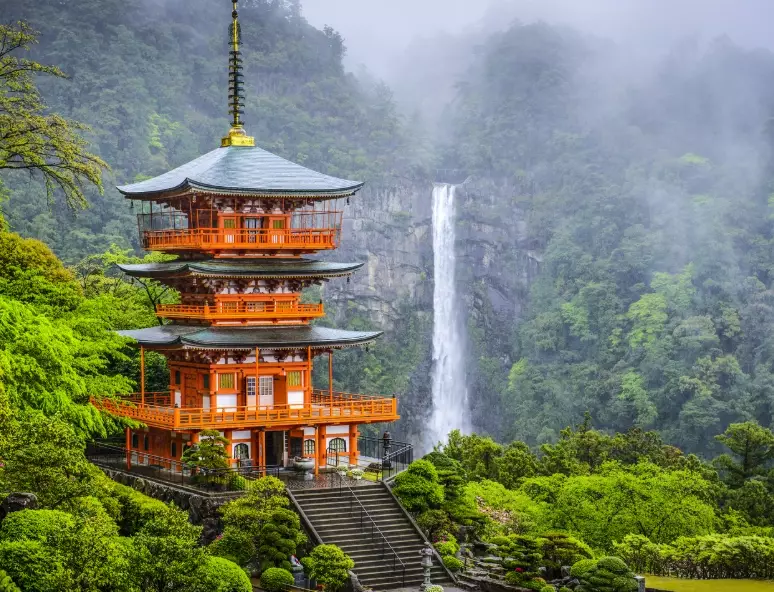
Early Autumn (September)
September is a fascinating and divisive month. It's the tail end of summer and the typhoon season.
The Upside: The summer holiday crowds are gone. The weather is still warm, and the sea is swimmable in many places early in the month. You can find great travel deals. If you hit a stretch of clear weather, it's lovely.
The Downside: This is peak typhoon season. A typhoon can disrupt travel plans for several days with canceled flights and trains. It's also hot and humid, especially in the first half. The risk factor is higher. I had a trip once where a typhoon skirted the coast—it meant two days of indoor activities and constant weather app checking. Not relaxing.
A Month-by-Month Breakdown of Crowds and Conditions
Let's get even more granular. This table sums up what you can expect throughout the year. Remember, "crowds" here refers to tourist crowds at major sights; major cities like Tokyo always have people.
| Month | Typical Crowd Level | Weather Vibe | Key Considerations |
|---|---|---|---|
| January (post-New Year) | Very Low | Cold, dry, sunny | Best for empty sights & onsen. Bundle up. |
| February | Very Low | Coldest month, some snow | Quietest month. Great for winter festivals (Sapporo Snow Fest). |
| March | Low to VERY High | Chilly to mild | Quiet early month, then insane sakura crowds late month. |
| April | Very High | Mild, pleasant | Sakura & Golden Week. Peak prices and crowds. Avoid if possible. |
| May (post-Golden Week) | Medium | Very pleasant, warm | One of the best weather windows. Crowds are reasonable. |
| June | Low to Medium | Warm, humid, rainy season starts | Lush greens, hydrangeas. Weather is the main variable. |
| July | Medium to High | Hot, humid, rainy season ends | Festival season (Gion Matsuri). Uncomfortably hot for many. |
| August | High (domestic) | Hottest, most humid, typhoon risk | Obon holiday chaos. Mountain/beach escapes crowded. |
| September | Low | Hot, humid, peak typhoon season | Great deals, but highest travel disruption risk. |
| October | Low to High | Pleasant, cooling down | Quiet early, foliage crowds build in late Oct (in north). |
| November | Very High | Cool, crisp | Peak foliage crowds, especially in Kyoto. Stunning but busy. |
| December (pre-New Year) | Low | Cool to cold | My top pick for balance. Illuminations, thin crowds, festive feel. |
See the pattern? The valleys of calm are between the towering peaks of sakura, Golden Week, Obon, and koyo.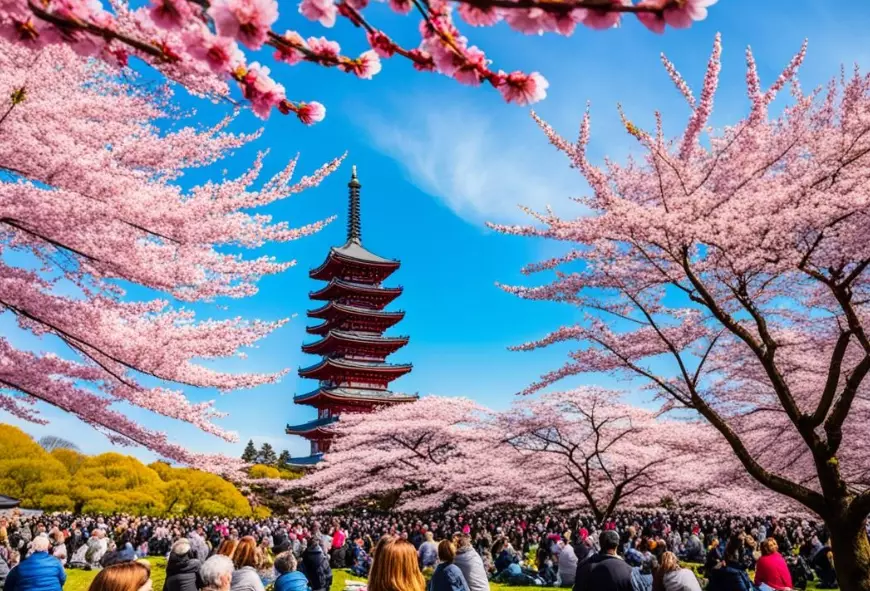
Beyond the Calendar: Pro Tips to Escape Crowds Anytime
Let's say your vacation days are locked in for a busy season. All is not lost. You can still find ways to have a more peaceful experience. It's about strategy.
Go Early. Seriously, Very Early. Most tour groups and casual travelers don't hit sights before 9:30 AM. Be at the gate when it opens. That 7:30 AM visit to Kiyomizu-dera or Fushimi Inari is a completely different world from the 11 AM version. I make this a rule for any must-see spot, and it never fails.
Explore Later in the Day. Similarly, many sights clear out an hour or two before closing. The last entry might be your ticket to tranquility.
Get Out of the Golden Route. The standard Tokyo-Kyoto-Osaka-Hiroshima circuit bears the brunt of the crowds. Consider spending more time in one region. Head north to Tohoku (Sendai, Hiraizumi, Yamadera) or south to Shikoku or Kyushu. These areas are incredibly rich in culture, nature, and food but see a fraction of the international tourists. You'll be asking about the best time to visit Japan for less crowds, but you'll have already solved it by being in a less crowded place.
Visit Major Cities on Weekdays. If you're going to Tokyo Disneyland, the Tokyo Skytree, or teamLab Borderless, do it on a Tuesday, Wednesday, or Thursday. Avoid weekends and national holidays like the plague.
Book Everything in Advance. This seems counterintuitive for avoiding crowds, but it's about managing your experience. In popular periods, the best, smaller restaurants, certain museum time slots, and even some local trains (like the Sagano Romantic Train in Kyoto) require reservations. Securing these guarantees your spot and prevents disappointment. The official Japan National Tourism Organization (JNTO) website is a reliable starting point for official attraction info and seasonal alerts.
Hidden Gem Idea: Instead of the packed bamboo grove in Arashiyama, try the Adachi Museum of Art near Matsue. It has a stunning, massive Japanese garden considered the best in the country, and you view it from inside the museum's galleries—a calm, contemplative, and crowd-free experience. It's a different vibe altogether.
Your Questions Answered (The Stuff You're Really Wondering)
Is the rainy season (June) a complete write-off?
Not at all. It's a soft, gentle rain most of the time, not monsoonal downpours. The landscape is an unreal shade of emerald green. It's a fantastic time for moss gardens (like Saiho-ji, the "Moss Temple" in Kyoto, which requires advance booking) and hydrangea viewing. Just pack a good umbrella, waterproof shoes, and a flexible attitude. Some of my most atmospheric temple visits have been in the misty rain of June.
What about the heat in August? Is it unbearable?
For many, yes. The humidity is stifling. If you're not used to subtropical humidity, it can be a real struggle. Your strategy shifts entirely: become nocturnal, visit cool places like museums or department stores in the afternoon, and focus on mountain or northern destinations (Hokkaido is perfect in August). It's not the best time to visit Japan for less crowds overall, but you can find pockets of relief if you're strategic.
Are there any hidden gem destinations that are less crowded year-round?
Absolutely. The further you get from the bullet train line between Tokyo and Osaka, the better.
- Tohoku Region: Places like Kakunodate (samurai district), Hiraizumi (historic temples), and the Dewa Sanzan mountains are profoundly beautiful and spiritual, with a fraction of the crowds.
- Noto Peninsula: A rugged, remote coastal area with fantastic seafood, dramatic scenery, and traditional villages.
- Shikoku: The 88 Temple Pilgrimage route means it's built for quiet contemplation. Takamatsu, Matsuyama, and the Iya Valley are incredible.
- Okinawa (outside summer): In winter, it's warm-ish and very quiet. A different cultural and natural experience entirely.
How reliable are crowd prediction calendars?
They're a good general guide, especially for marking the big holiday periods (Golden Week, Obon). But they can't predict everything, like a sudden surge in popularity for a spot featured on a viral social media post. Use them as a planning tool, not a gospel. For the most accurate, real-time info on things like sakura bloom dates, the JNTO site and major weather services like the Japan Meteorological Agency are your most authoritative sources.
The Final Verdict: So, When Should *You* Go?
It's decision time. Based on everything we've covered, here's my blunt advice.
Choose Late May or Early December. For the highest probability of good weather combined with significantly lower crowds, these two windows are the champions. May gives you glorious late spring warmth. December gives you festive lights and a serene atmosphere. Both are far from the major holiday chaos.
If you hate cold weather, lean into late May. Just keep an eye on the rainy season's start.
If you love cold weather and onsen, January and February are your paradise—just pack a serious coat.
If your dates are fixed to a busy time, don't panic. Embrace the strategies: go early, go late, go deep into one region, and book key experiences ahead of time.
Remember this: The best time to visit Japan for less crowds is ultimately a mindset. It's about valuing quality of experience over quantity of sights checked off a list. It's about sitting in a quiet temple garden for an hour instead of rushing to three. Japan rewards slow, attentive travel more than any country I know. Pick your season, plan your strategy, and get ready for an amazing trip—on your own terms.
Happy planning, and I hope you find your perfect, peaceful moment in Japan.
Share Your Thoughts