Let's be real for a second. When you're planning a trip to Japan, your mind is probably filled with images of cherry blossoms, steaming ramen bowls, serene temples, and the buzzing energy of Tokyo. The last thing you want to think about is what you'd do if an earthquake hit or a typhoon rolled in. I get it. I've been there. On my first trip, I was so excited I completely ignored the safety card in my hotel room.
That was, until I felt my first tremor in a Tokyo skyscraper. It was a small one, but the sudden swaying and the immediate, calm announcement over the PA system was a wake-up call. Japan isn't dangerous, far from it. But it's a country that lives with natural forces, and it's prepared for them in a way that's frankly awe-inspiring. As a tourist, tapping into that preparedness isn't about being paranoid; it's about being smart. It's the difference between feeling terrified and helpless, and knowing exactly what to do to stay safe. This guide is about moving from the first group to the second.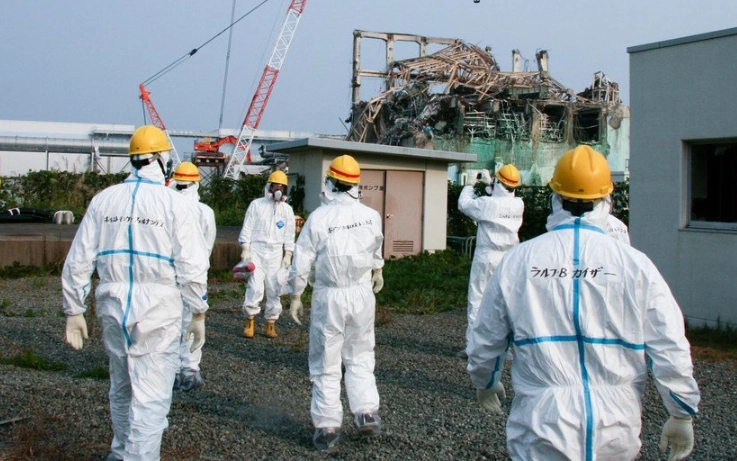
Think of Japan disaster preparedness for tourists not as a scary topic, but as your backstage pass to traveling with confidence. When you're prepared, you can actually enjoy the trip more because a layer of low-key anxiety is gone.
Quick Navigation
- Why Bother? Understanding Japan's Natural Landscape
- Before You Go: Your Pre-Trip Preparedness Checklist
- On the Ground: Your First 24 Hours in Japan
- When Disaster Strikes: Step-by-Step Guides for Different Scenarios
- Your Personal Emergency Kit: What You Actually Need
- Navigating the Aftermath: What Comes Next?
- Common Questions & Concerns (The Stuff You're Really Wondering)
- Turning Knowledge into Confidence
Why Bother? Understanding Japan's Natural Landscape
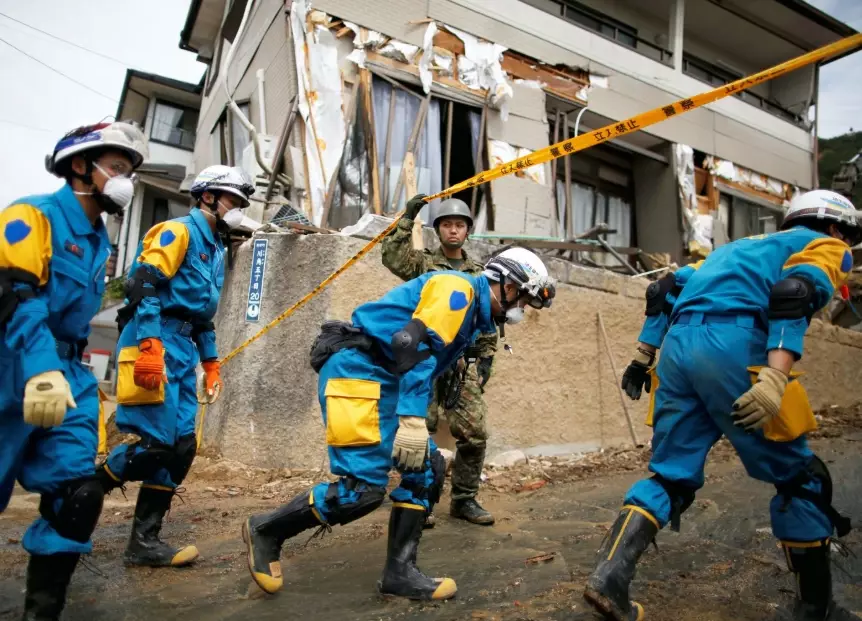
Japan sits on the Pacific Ring of Fire. That's a fancy geological term that means earthquakes, tsunamis, and volcanic activity are part of life. Add to that seasonal typhoons and heavy snow in some regions, and you've got a country that has mastered the art of resilience. The infrastructure is built for it, the warning systems are top-notch, and the people are drilled from a young age.
But here's the thing most guides don't say: the system is built assuming people know the basics. The alarms will sound, but can you understand them? The exits are marked, but do you know the safest spot in your specific room? That's where your own disaster preparedness for Japan travel comes in. You're plugging yourself into their system.
Before You Go: Your Pre-Trip Preparedness Checklist
This part is easy and takes maybe an hour. Do it while you're excited about your trip, not when you're on the plane worrying.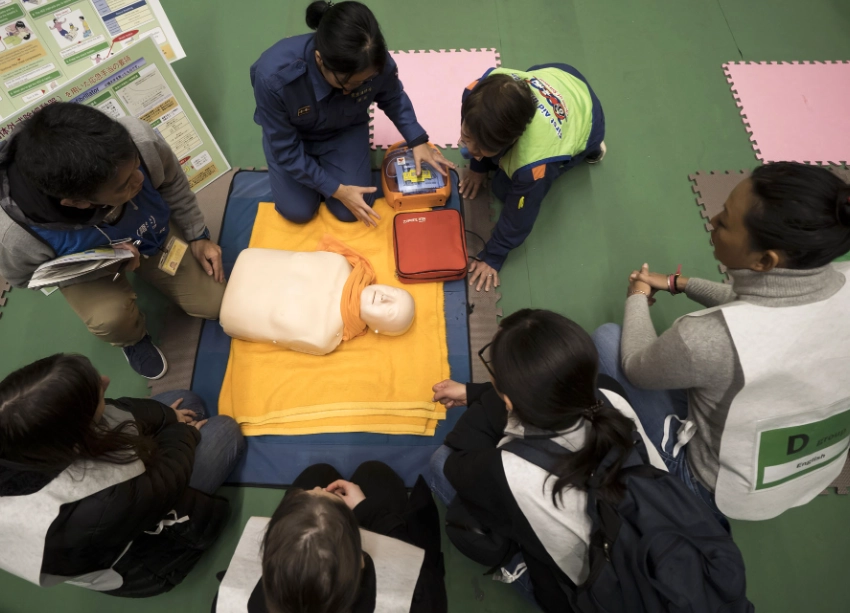
Essential Digital Tools to Install NOW
Your smartphone is your most powerful safety tool. Before you leave, download these. Trust me.
- Safety Tips App (Official Japan Tourism App): This is the gold standard. Made by the Japan Tourism Agency and the Japan National Tourism Organization (JNTO), it provides real-time disaster info, alerts, and safety advice in multiple languages. It's a non-negotiable. You can find it via the official Japan Travel Website.
- Yurekuru Call: The most popular earthquake early warning app in Japan. It can give you precious seconds of warning before strong shaking arrives. Set it to English and for the regions you'll be visiting.
- NHK World TV / News App: Japan's public broadcaster. During a major event, this will be one of the most reliable sources for English news and instructions.
- Google Maps: Offline maps. Download the areas for your destinations. If cell service goes down, you can still navigate.
Physical & Mental Prep
- Scan Important Documents: Passport, visa, insurance. Email copies to yourself and a trusted person back home. Keep physical photocopies separate from the originals.
- Travel Insurance: Read the fine print. Does it cover trip cancellation/interruption due to natural disasters? Does it cover emergency evacuation? Don't skimp on this.
- Learn a Few Key Phrases: You don't need fluency. Just know how to say "Where is the evacuation area?" (Hinanjo wa doko desu ka? 避難所はどこですか) or "Are you okay?" (Daijoubu desu ka? 大丈夫ですか). It connects you to people.
- Brief Your Travel Companions: Have a quick chat. "Hey, if something happens, we meet back at the hotel" or "We check the Safety Tips app." A simple plan beats panic.
On the Ground: Your First 24 Hours in Japan
You've landed. After checking into your accommodation, do these three things. They take 10 minutes.
- Locate the Emergency Exits and Stairs. Don't just note the one by the elevator. Find the stairwell at the other end of the hall. Count the doors to your room from the stairwell in case the lights go out.
- Find the Evacuation Map. It's always in the hotel room (usually on the back of the door) or in the hallway. Look at it. Find the primary and secondary evacuation routes and the designated assembly area outside. I'm always surprised how few people actually look at this.
- Identify the Safe Spot in Your Room. This is usually under a sturdy desk or table, away from windows, tall furniture, or objects that could fall. In a major quake, Drop, Cover, and Hold On is the universal rule.
When Disaster Strikes: Step-by-Step Guides for Different Scenarios
Okay, this is the core of your Japan disaster preparedness for tourists plan. Let's break it down by event.
During an Earthquake
Your phone might shriek with a loud alarm (it's jarring, but that's the point).
If you're in a store or public space, follow the staff's instructions. They are trained. If you're outside, move to an open area away from buildings, walls, and power lines. If you're driving, pull over to the left side of the road (safely), stop, and stay in your vehicle.
After the shaking stops, stay calm. Check for injuries first. Then, if you need to evacuate your building, use the stairs, not the elevator. Be prepared for aftershocks.
Tsunami Warnings
These often follow major offshore earthquakes. You'll hear sirens and urgent broadcasts. The key is immediate vertical evacuation.
If you are in a coastal area and feel strong shaking that makes it hard to stand, or if a tsunami warning is issued, move to high ground or a designated tsunami evacuation building immediately. Follow the signs (a running figure towards a mountain). Do not return until authorities give the all-clear. This isn't a drill; tsunamis can travel far inland.
For the most authoritative and detailed tsunami information, including real-time warnings, the Japan Meteorological Agency (JMA) website is the official source, though your Safety Tips app will synthesize this info for you.
Typhoons & Heavy Rain
These are usually forecast days in advance. Pay attention to news and app alerts.
- Before it hits: Stock up on some water and snacks in your room. Charge all your devices. Cancel outdoor plans. Expect public transportation delays or cancellations (Shinkansen lines often slow down or stop).
- During the storm: Stay indoors. It's not just rain; it's often violent wind. Flooding and landslides are risks in some areas. Avoid rivers and low-lying ground.
Volcanic Eruptions
Japan has many active volcanoes, some popular with tourists (like Mt. Fuji areas or Sakurajima). Authorities closely monitor them. Heed any warning level increases and restricted access zones. If an eruption occurs near you, follow instructions to evacuate away from the direction of the prevailing wind (ash fall is the main hazard). A simple dust mask in your bag can be helpful for ash.
Your Personal Emergency Kit: What You Actually Need
You don't need a giant survival backpack. Think minimalist and practical. Assemble a small pouch you can grab. Here's what I carry:
| Category | Item | Why It's Useful |
|---|---|---|
| Essentials | Passport Copy, Insurance Info Copy, Some Japanese Yen (cash!) | Identity, help, and transactions if ATMs/cards fail. |
| Comfort & Safety | Power Bank & Cable, Small Flashlight/Headlamp, Whistle | Light, communication, and signaling for help. |
| Health | Basic First-Aid (plasters, antiseptic wipes), Any Personal Medication (3-day supply) | Handle minor injuries and maintain critical prescriptions. |
| Practical | Dust Mask (2-3), Pack of Tissues/Wet Wipes, Bottle of Water, High-energy Snack Bar | Ash/dust, hygiene, and basic sustenance for a few hours. |
Navigating the Aftermath: What Comes Next?
The immediate danger has passed. Now what? This is where many guides stop, but it's crucial.
- Check for Information: Use your Safety Tips app, NHK World, or hotel TV/announcements for official updates. Don't rely solely on social media for critical info.
- Communicate Your Status: Use text, messaging apps (Line, WhatsApp), or social media to let family/friends know you're safe. Network congestion is common; texts often get through when calls don't. Japan's major carriers often enable "Disaster Message Boards" (171 service) – your app might guide you on this.
- Follow Local Instructions: There may be advisories on water safety, power outages, or travel restrictions. Listen to them.
- Contact Your Embassy if Necessary: If you've lost travel documents or need serious assistance, they are there to help.
- Re-evaluate Your Travel Plans: Work with your travel insurance and transport providers. Flights and trains may be disrupted for days.
Common Questions & Concerns (The Stuff You're Really Wondering)
Let's tackle some real-talk questions I had and get from readers.
Turning Knowledge into Confidence
Look, the goal here isn't to make you anxious. It's the opposite. Walking through these steps and having a mental plan is incredibly empowering. It transforms a potential crisis from a terrifying unknown into a manageable situation where you have a list of actions to take.
Japan's entire society is built on this principle of preparation. By taking a little time for your own disaster preparedness for Japan travel, you're not being a scared tourist; you're being a respectful and intelligent traveler. You're aligning yourself with the local mindset of caution and resilience.
Remember, the official resources are your friends. Bookmark the JNTO Safety Tools page and keep that app downloaded. Safe travels!
Share Your Thoughts