Your Journey Highlights
Let's be honest. When most people think of Japan, their minds jump straight to Tokyo's neon buzz or Kyoto's timeless temples. For years, I did the same. My first few trips were a checklist of the usual suspects. It wasn't until a local friend practically insisted I hop on a train heading north from Kyoto that I discovered Kanazawa. And wow, was I missing out.
Kanazawa feels different. It's like stepping into a living storybook where samurai once walked and artisans have honed their crafts for centuries. The pace is slower, the crowds are thinner (though that's changing), and the culture feels incredibly intact. This isn't a museum piece; it's a vibrant city that proudly wears its history on its sleeve.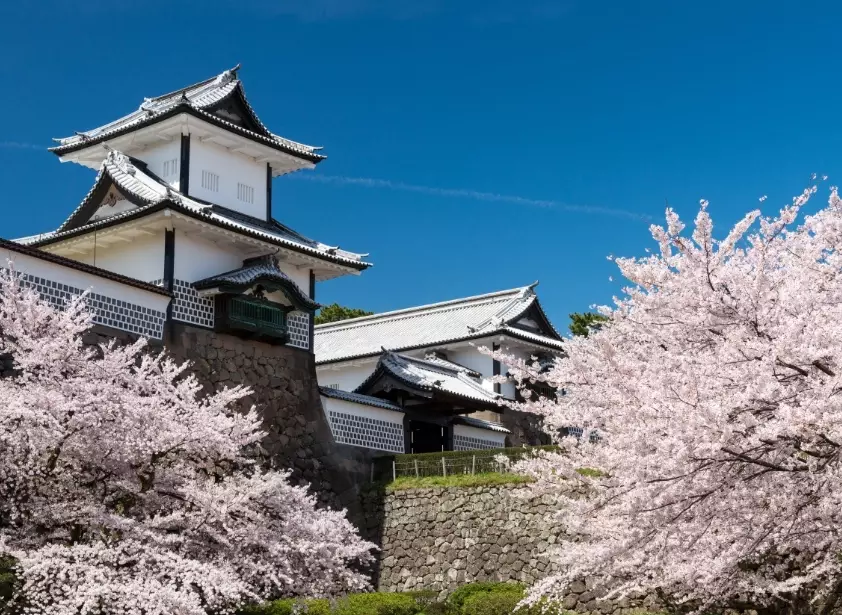
This guide isn't just a rehash of the top three sights. I've spent weeks there across different seasons, made my share of mistakes (like trying to see everything in one day—don't do that), and discovered the little things that make a trip truly special. We'll talk about everything: the iconic spots you can't miss, the hidden lanes most tourists walk right past, what to eat (so much to eat!), where to stay, and how to navigate the city without breaking a sweat. Consider this your one-stop shop for planning an unforgettable Kanazawa adventure.
First Things First: Why Bother with Kanazawa Travel?
You might be wondering, with so many famous places in Japan, why add another stop? I had the same question. Here's the thing: Kanazawa offers a concentration of traditional Japanese culture that's hard to find elsewhere, all in a wonderfully walkable package.
It escaped major WWII bombing, so its historic districts are the real deal, not reconstructions. It's home to one of Japan's Top Three gardens—Kenrokuen—which is a masterpiece in any season. It has a castle town vibe, with samurai residences and geisha districts preserved not as open-air museums, but as functioning neighborhoods. And the food? Fresh seafood from the Sea of Japan, unique local sweets, and some of the best sushi I've had outside of Tokyo's top-tier (and top-price) spots.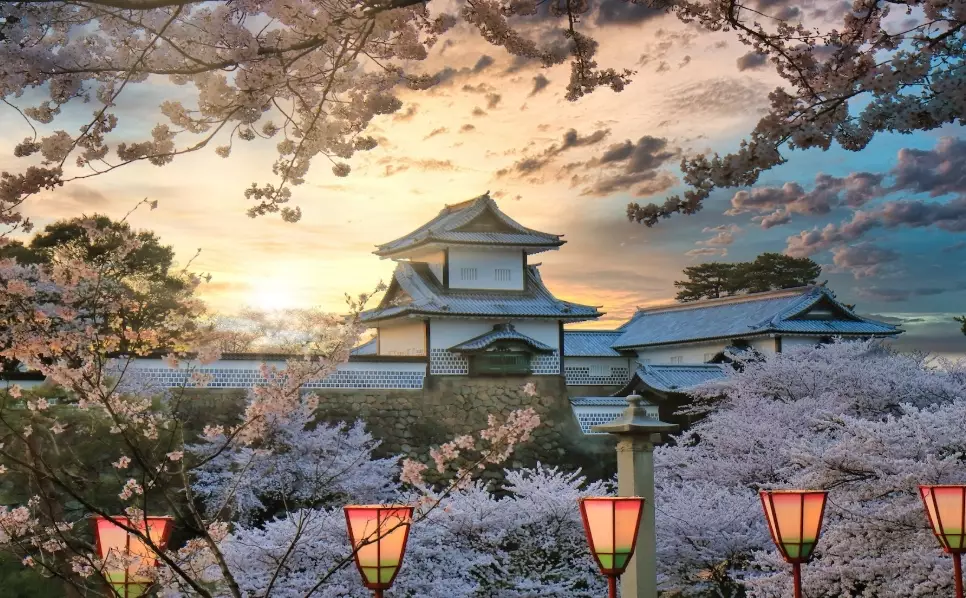
The Core of Any Kanazawa Itinerary: The Big Three
Alright, let's get practical. Any serious Kanazawa travel plan revolves around three heavyweight cultural sites. They're famous for a reason.
- Kenrokuen Garden. This is the crown jewel. The name means "Garden of the Six Sublimities" (spaciousness, seclusion, artifice, antiquity, water-courses, and panoramas). It sounds lofty, but when you're there, it just makes sense. The place is a living painting that changes with the seasons: cherry blossoms in spring, lush green in summer, fiery maples in autumn, and the famous yukitsuri—rope cones protecting the pine trees from snow—in winter. Go early. I mean it. The first bus in the morning. You'll thank me when you have the iconic Kotojitoro Lantern and the pond almost to yourself.
- Kanazawa Castle Park. Right next to Kenrokuen, the castle grounds are vast and impressive. The main keep is a modern reconstruction (finished in 2001), but they used traditional kumiko woodworking techniques, which is pretty cool. The massive stone walls, the restored gates and turrets—it gives you a real sense of the Maeda clan's power. The Ishikawa-mon gate, which connects the castle to Kenrokuen, is a fantastic photo spot.
- Higashi Chaya District. This is the largest of Kanazawa's preserved geisha entertainment districts. The lattice-fronted wooden teahouses line the main street, and yes, it can get crowded with day-trippers. But the magic is in the side alleys. Wander off the main drag, and you'll find quieter streets that feel frozen in time. Some teahouses are now shops selling gold leaf products (Kanazawa produces 99% of Japan's gold leaf!) or cafes. For a small fee, you can enter the Shima and Kaikaro teahouses to see the exquisite interiors where geishas once entertained.
Planning your Kanazawa travel around these three is essential, but the real fun starts when you look beyond them.
Going Deeper: Beyond the Postcard Spots
This is where your trip goes from good to great. Kanazawa has layers. If you only see the Big Three, you're missing half the story.
The Nagamachi Samurai District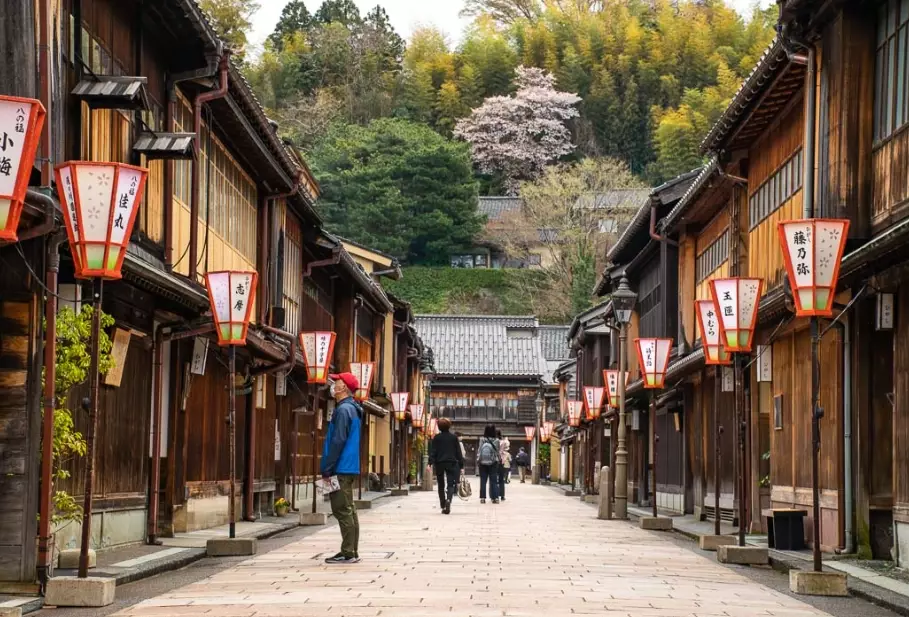
This area, with its earthen walls, narrow lanes, and water canals, is where middle-ranking samurai and their families lived. It feels more residential and less "stage-set" than the chaya districts. The Nomura-ke is a restored samurai house with a beautiful small garden and samurai artifacts. Walking the streets here, especially in the late afternoon when tour groups have left, is incredibly atmospheric. You can almost hear the clatter of geta sandals on the stone paths.
21st Century Museum of Contemporary Art
Wait, a modern art museum in a historic city? Trust me on this one. It's a stunning piece of architecture and houses some incredibly interactive and fun installations. The most famous is Leandro Erlich's Swimming Pool, where you can appear to be underwater without getting wet. It's a brilliant counterpoint to all the history and shows that Kanazawa isn't stuck in the past. It's a living, evolving city.
Ōmichō Market
Calling this a market is like calling Kenrokuen a nice backyard. It's a sprawling, covered labyrinth of over 200 stalls, often called "Kanazawa's Kitchen." The seafood is unbelievably fresh—snow crab, sweet shrimp, amberjack, and dozens of things I couldn't name. Go hungry for lunch. Many stalls have small standing sushi bars or sell kaisendon (seafood rice bowls). My strategy? Do a full lap first, see what looks best, then commit. The energy here is fantastic.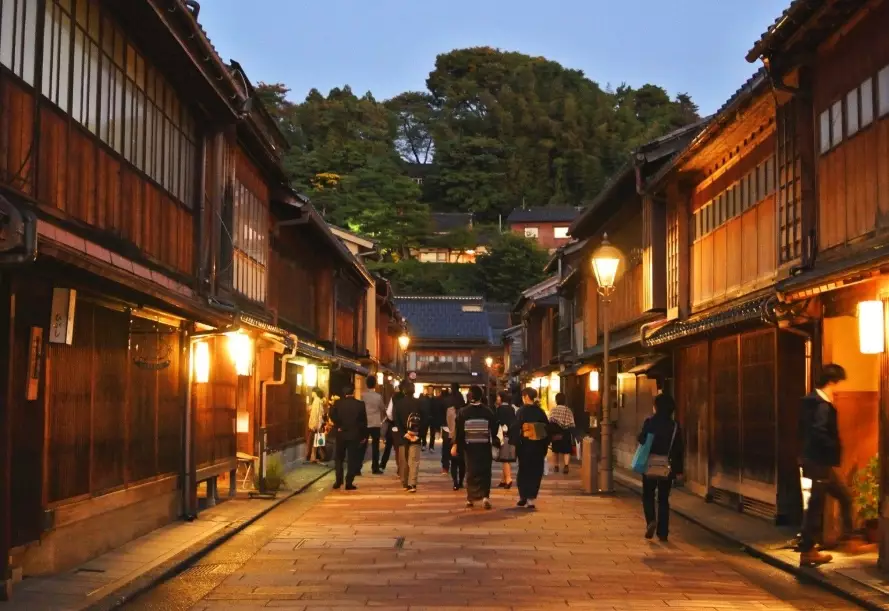
A word of caution: The market can get packed around lunchtime (12-1 PM). Vendors also start closing up around 4-5 PM. For the best selection and a slightly calmer experience, aim for a late morning visit, say 10:30 AM.
Let's Talk Food: A Kanazawa Travel Culinary Primer
Food is a huge part of the Kanazawa travel experience. The region's location on the Sea of Japan blesses it with incredible seafood, and the fertile Kaga Plain provides wonderful vegetables and rice.
| What to Try | What It Is | My Personal Recommendation / Where to Find It |
|---|---|---|
| Kaisen-don | A bowl of rice topped with an assortment of fresh, raw seafood. | Ōmichō Market is ground zero. Shop around, but the bowls at stalls near the center are legendary. Look for ones with local nodoguro (blackthroat seaperch). |
| Jibuni | A local stew of duck or chicken coated in flour and simmered with vegetables in a soy-based broth. | A classic winter warmer. Many traditional restaurants in the Higashi Chaya district serve it. It's hearty and comforting. |
| Kabura-zushi | A pressed sushi unique to Kanazawa, made with yellowtail (buri) sandwiched between slices of pickled turnip. | It has a unique sweet and sour taste. You can find it at specialist shops or as part of a meal in a ryokan (traditional inn). An acquired taste, but worth trying. |
| Gold Leaf Ice Cream | Soft-serve ice cream covered in a sheet of edible gold leaf. | It's as Instagram-famous as it sounds. Hakuichi in the Higashi Chaya district is the most famous spot. Is it the best ice cream? No. Is it a fun, only-in-Kanazawa experience? Absolutely. |
| Kaga Vegetables | Heirloom vegetables from the region, like Kaga renkon (lotus root) and Kaga kabu (turnip). | Look for them in kaiseki (multi-course) meals or at nicer tofu/vegetarian restaurants. The quality is astounding. |
Don't just stick to restaurants near the stations. Some of my best meals were in unassuming places on backstreets. A good rule for Kanazawa travel dining: if it's busy with locals, it's probably good.
Practical Kanazawa Travel Tips: Getting There, Around, and Settled
This is the stuff that can make or break your trip. Let's get into the nitty-gritty.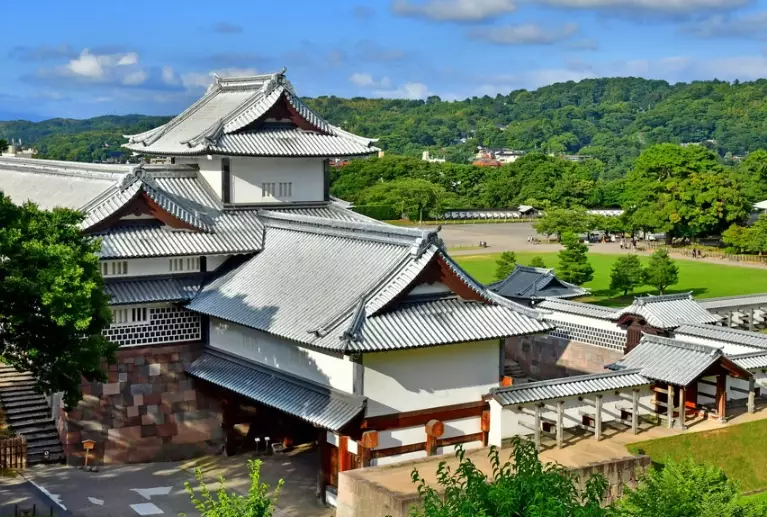
Getting to Kanazawa
The Hokuriku Shinkansen is a game-changer. From Tokyo Station, it's a direct, comfortable 2.5-hour ride. It's not cheap (around ¥14,000 one-way), but a Japan Rail Pass covers it if you have the nationwide pass. From Kyoto/Osaka, the Thunderbird limited express takes about 2-2.5 hours. Komatsu Airport (KMQ) has some international flights too, mainly from East Asia.
Getting Around Kanazawa
The city is very manageable. The main tourist areas are clustered together. For anything further, Kanazawa has an excellent loop bus system designed for tourists: the Kanazawa Loop Bus (Left Loop / Right Loop) and the Kenrokuen Shuttle. A one-day pass (¥600) is a fantastic investment. It stops at all the major sites. The buses can get full, though.
My preferred method? Walking combined with renting a bicycle. The city is flat in the center, and cycling between, say, Kenrokuen and the Nagamachi district is easy and pleasant. Many guesthouses and hotels rent them out.
Where to Stay in Kanazawa
- Near Kanazawa Station: Best for convenience if you have a heavy bag or a tight schedule. Lots of modern business hotels. Feels less "historic."
- Near Kenrokuen/Korinbo: This is my top recommendation for a first visit. You're within walking distance of the garden, castle, and the main shopping/dining area (Korinbo). A good mix of hotels and ryokan.
- In a Machiya (Townhouse) in a Historic District: For a truly immersive experience, rent a traditional machiya guesthouse in Higashi Chaya or Nagamachi. You'll pay more and amenities might be simpler, but waking up in a 150-year-old wooden house is magical. Check sites like Japan National Tourism Organization (JNTO) for reputable listings.
Structuring Your Days: Sample Kanazawa Itineraries
How long do you need? I'd say a minimum of two full days. Three is ideal to breathe and explore without rushing.
The 2-Day Kanazawa Travel Blitz (For the Time-Pressed)
Day 1 (East Side): Morning at Kenrokuen Garden. Walk through Ishikawa-mon gate to Kanazawa Castle Park. Afternoon exploring the Higashi Chaya District (main street and side alleys). Late afternoon/evening in the Nagamachi Samurai District as the light fades. Dinner at a kappo (counter-style) restaurant in Korinbo.
Day 2 (West Side & Market): Morning at Ōmichō Market for exploration and lunch. Afternoon at the 21st Century Museum of Contemporary Art. If time allows, visit the D.T. Suzuki Museum (a serene space dedicated to the Zen philosopher) or the Prefectural Museum of Art. Evening stroll and shopping along the Katamachi area for a more modern vibe.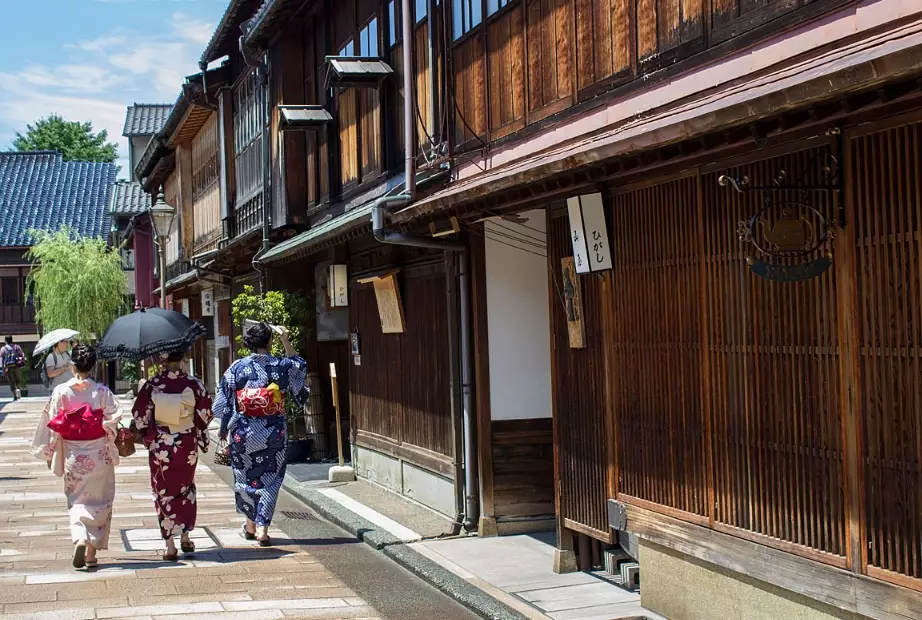
The 3-Day Immersive Kanazawa Itinerary (Recommended)
This allows for a deeper dive and some spontaneity.
Day 1: Follow the East Side plan from above, but at a leisurely pace. Maybe add a gold leaf workshop at a shop in Higashi Chaya.
Day 2: Start with Ōmichō Market. Then, take a short bus ride to the Myoryuji Temple (Ninja-dera). Despite the nickname, it wasn't for ninjas but is a fascinating samurai safe house full of hidden rooms, traps, and escape routes. You must book in advance through their official Kanazawa tourism website. Afternoon at the 21st Century Museum.
Day 3: Choose your own adventure. Options: A) A half-day trip to the coastal Shirakawago gassho-zukuri village (if you don't have it elsewhere in your Japan trip). B) Explore the lesser-known Nishi Chaya and Kazuemachi chaya districts. C) Visit the Kaga-Honda Museum for samurai armor and noh costumes. D) Simply wander, revisit a favorite spot, or hunt for local ceramics and lacquerware.
Final Thoughts Before You Go
Kanazawa surprised me. It wasn't on my original radar, and now I recommend it to everyone. A successful Kanazawa travel experience is about balance. Balance the iconic sights with quiet backstreets. Balance history with modern art. Balance planning with getting lost.
Do your research—check the latest opening hours on the Ishikawa Prefecture's official Kenrokuen site, for instance—but leave room for the unexpected. That tiny tofu shop, the friendly local who points you to their favorite viewpoint, the perfect bowl of noodles you stumble upon.
Honestly, my only regret about Kanazawa is that I didn't visit sooner. Hopefully, this guide helps you avoid that same regret. Have an amazing trip.
Is Kanazawa worth visiting compared to Kyoto?
Yes, but for different reasons. Kyoto is grander, with more UNESCO sites. Kanazawa is more intimate, compact, and feels less overwhelmed by tourism. It's not an "instead of" but a fantastic "in addition to." If you love traditional culture but want to escape the biggest crowds, Kanazawa is perfect.
What's the best season for Kanazawa travel?
Every season has its charm, but my top two are:
Autumn (Late Oct - Early Nov): Kenrokuen's maple trees are spectacular. The weather is cool and perfect for walking.
Winter (Dec - Feb): Crowds are at their lowest. Seeing Kenrokuen with yukitsuri is magical, especially if it snows. It's cold, but the atmosphere is unbeatable. Spring is lovely for cherry blossoms, but it's becoming more crowded. Summer is hot and humid, but vibrant green.
Is Kanazawa a good day trip from Tokyo or Kyoto?
From Tokyo (2.5 hrs by Shinkansen), it's a very long day. Possible, but you'll be exhausted and only scratch the surface. From Kyoto (2 hrs), it's more feasible, but you'll still be rushed. I strongly recommend at least one night. The city's atmosphere in the early morning and evening, when day-trippers are gone, is half the appeal.
How budget-friendly is Kanazawa?
More so than Tokyo or Kyoto for accommodation and some meals. Mid-range business hotels are plentiful and reasonable. Street food and market eats offer great value. The main expenses are the Shinkansen ticket and any high-end kaiseki or sushi meals. The bus pass is a cheap way to get around.
Any major cultural faux pas to avoid?
The usual Japanese etiquette applies: be quiet in gardens and temples, don't eat while walking (fine at the market though), take your shoes off where required (like in samurai houses). In the chaya districts, remember people still live and work there. Don't peer into private doorways or be overly loud on residential side streets.


Share Your Thoughts