You've booked the flights, you're excited, but now the reality hits: you only have four days in Tokyo. Is it enough? The short answer is yes, absolutely. But it's not enough to see "everything." What it is enough for is an unforgettable, intense, and perfectly curated introduction to one of the world's greatest cities. I've been visiting Tokyo for over a decade, and I've made every mistake in the book—trying to cram too much, underestimating travel time, missing out on reservations. This guide is built from those lessons. Four days is your chance to hit the iconic highlights, taste the legendary food, and feel the city's unique pulse, provided you have a smart plan and the right expectations.
Quick Navigation: What's in This Guide?
The Short Answer: Yes, But With a Smart Plan
Tokyo is vast. Trying to "see it all" in four days is a recipe for exhaustion and disappointment. The goal isn't completeness; it's depth within a focused scope. Think of your trip as a sampler platter of Tokyo's best flavors: a day for imperial history and hyper-modernity, a day for pop culture and shopping, a day for traditional vibes and sky-high views, and a flexible day for your personal interests.
The biggest mistake first-timers make is underestimating distances. Shinjuku to Asakusa looks close on a map, but with subway transfers and walking, it can easily eat 45 minutes. Your 4-day Tokyo itinerary needs to be geographically intelligent, grouping activities by area.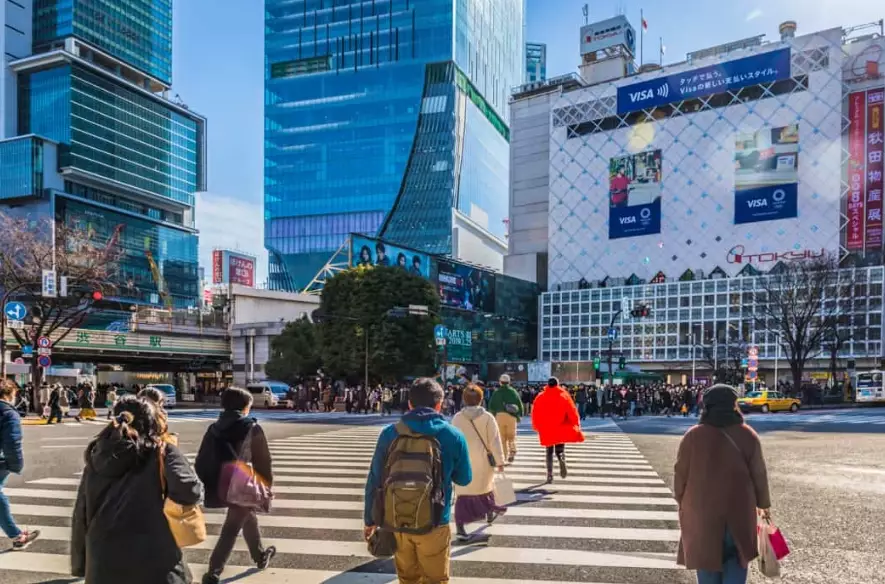
Crafting Your Perfect 4-Day Tokyo Itinerary: A Day-by-Day Breakdown
Here's a battle-tested, logistically sensible 4-day plan. It balances must-sees with breathing room. Times are estimates—be flexible.
Day 1: Imperial Majesty & Modern Wonders (Central & South Tokyo)
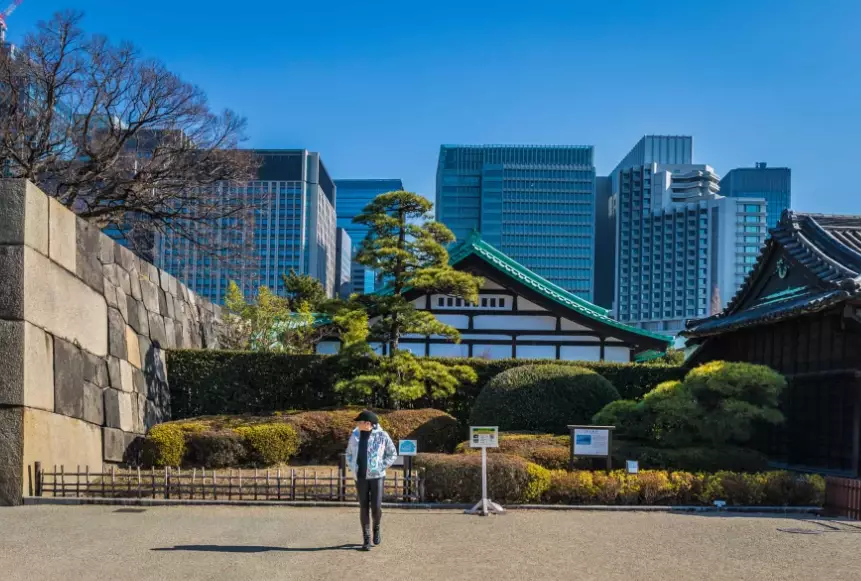
Morning (9:00 AM - 12:30 PM): The Imperial Palace East Gardens. Start your trip with greenery and history. The East Gardens are the only part of the palace grounds generally open to the public, and they're free. It's a serene escape. Don't expect a grand palace building; it's about the walls, moats, and gardens. Nearest station: Tokyo Station or Otemachi.
Walk to Tokyo Station to see the iconic red-brick Marunouchi building (great for photos and shopping for high-end stationery).
Afternoon (1:30 PM - 5:00 PM): Ginza & Lunch. Take the short subway hop to Ginza. This is luxury shopping central. Even if you're not buying, window-shop at Uniqlo's flagship (12 floors) or Itoya, a stationery paradise. For lunch, head to the Tsukiji Outer Market (a 15-min walk from Ginza). Yes, the inner wholesale market moved, but the outer market remains, packed with stalls selling fresh sushi, grilled scallops, tamagoyaki (sweet omelet), and more. Try Sushi Daiwa for a famous (but queue-heavy) omakase, or just graze. Address: 4 Chome-16-2 Tsukiji, Chuo City.
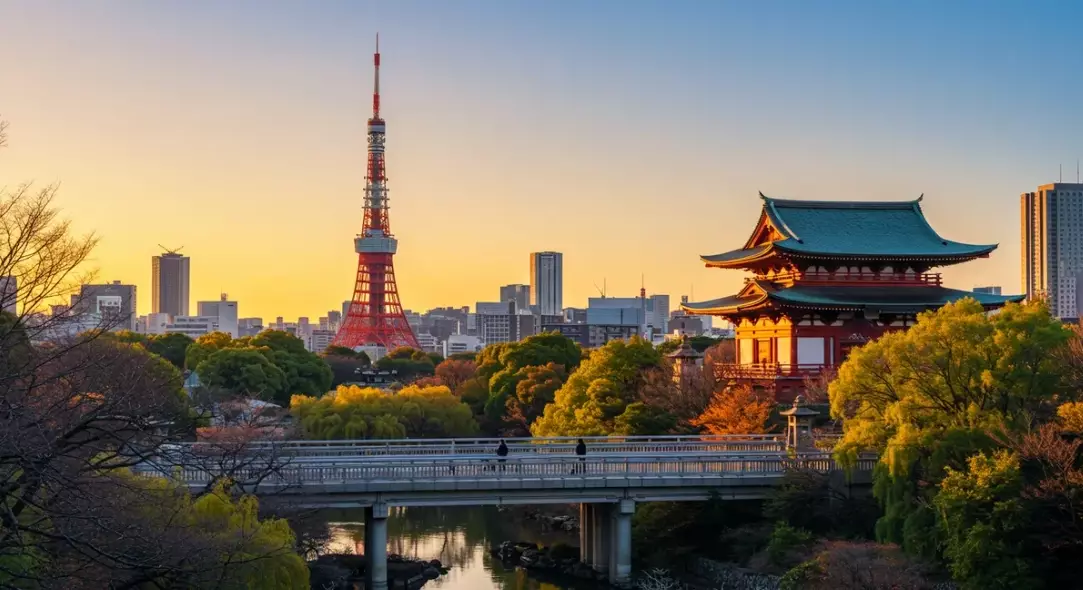
Evening (6:00 PM onwards): Tokyo Tower or Shiodome. For classic postcard views, go to Tokyo Tower (Main Deck: 1,200 yen). It feels nostalgically 80s next to the newer Skytree, which I prefer. Alternatively, for a free, stunning view, go to the Shiodome City Center building. Take the elevator to the 42nd-floor lobby of the Conrad Hotel—the view over the Rainbow Bridge and Tokyo Bay is spectacular, especially at dusk. Have a (pricey) drink at the bar or just enjoy the vista.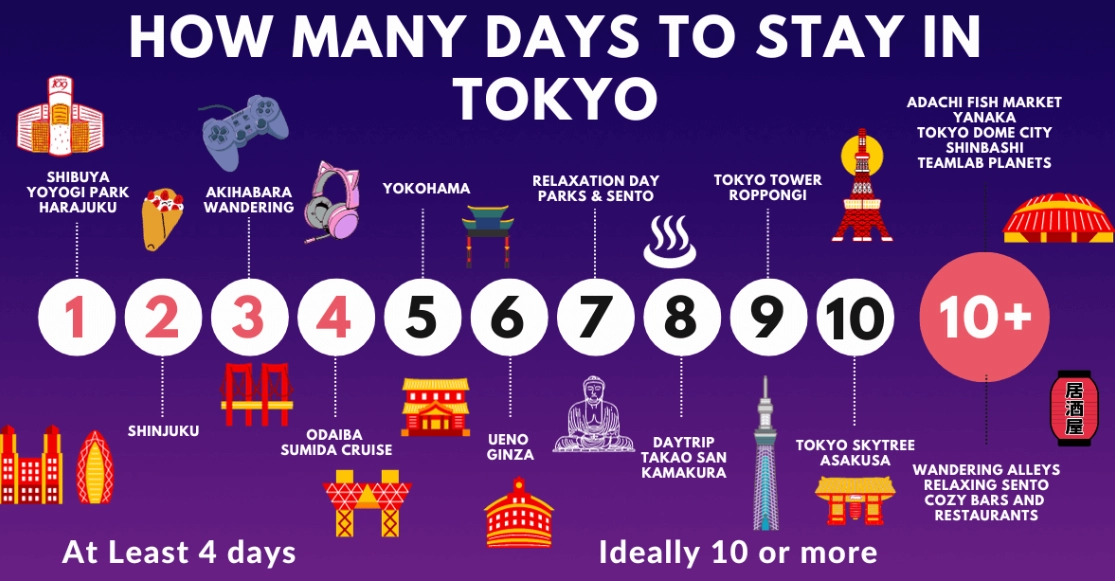
Day 2: Pop Culture, Youth Fashion & Neon Lights (West Tokyo)
Morning (10:00 AM - 1:00 PM): Harajuku's Contrast. Start at Meiji Jingu shrine. Walking through the massive torii gate into the serene forest feels like entering another world. It's free and opens at sunrise. Then, cross the street into the chaos of Takeshita Street. It's crowded, it's kitschy, but it's a cultural phenomenon. Try a giant rainbow cotton candy or a crepe. For a slightly more mature Harajuku, explore the backstreets of Cat Street.
Afternoon (1:30 PM - 5:00 PM): Omotesando & Shibuya. Walk down Omotesando, Tokyo's Champs-Élysées, for architecture and high-end boutiques. Then, dive into Shibuya. The Shibuya Scramble Crossing is a must-experience. For the best view, go to the second-floor Starbucks in the Tsutaya building (it's always busy) or, better yet, the free viewing deck on the 2nd floor of the Shibuya Sky building's entrance (you don't need a ticket for this lower deck). Spend time exploring Shibuya's department stores like Shibuya 109 or the new Miyashita Park complex.
Evening (6:00 PM onwards): Shinjuku's Kabukicho & Omoide Yokocho. Take the train to Shinjuku. Walk through the electric, sometimes overwhelming atmosphere of Kabukicho (stay on main streets). Then, find the tiny, smoky alleyways of Omoide Yokocho ("Memory Lane") next to Shinjuku Station's west exit. Squeeze into a yakitori stall for grilled skewers and a beer. It's cramped, authentic, and feels like post-war Tokyo.
Day 3: Traditional Tokyo & Sky-High Views (East Tokyo)
Morning (9:30 AM - 1:00 PM): Asakusa's Soul. Head to Senso-ji Temple, Tokyo's oldest. Walk down the bustling Nakamise-dori leading to the temple, sampling sembei (rice crackers) and buying souvenirs. The temple itself is often crowded, but the atmosphere is vibrant. For a quieter moment, go to the adjacent Asakusa Shrine. Consider a short rickshaw ride for a unique perspective.
Afternoon (2:00 PM - 5:00 PM): Ueno Park or Ryogoku. Choose your vibe. Option A (Culture/Nature): Take the subway to Ueno. Ueno Park houses several major museums (Tokyo National Museum, admission ~1,000 yen) and Ueno Zoo. It's a great sprawling park to relax. Option B (Sumo): Go to Ryogoku, the sumo district. Visit the Edo-Tokyo Museum (currently closed for renovations until 2025, check status) or the Sumo Museum (free, small). If your timing aligns with a tournament (basho), getting tickets is a top-tier experience.
Evening (6:00 PM onwards): Tokyo Skytree at Dusk. From Asakusa or Ryogoku, it's a short walk or train to Tokyo Skytree. Book your ticket online to skip queues. Go up just before sunset—you'll see the city in daylight, watch the sunset, and see the neon lights pop on. The Tembo Deck costs 2,100-3,100 yen depending on how high you go. The Sumida Aquarium at its base is also excellent.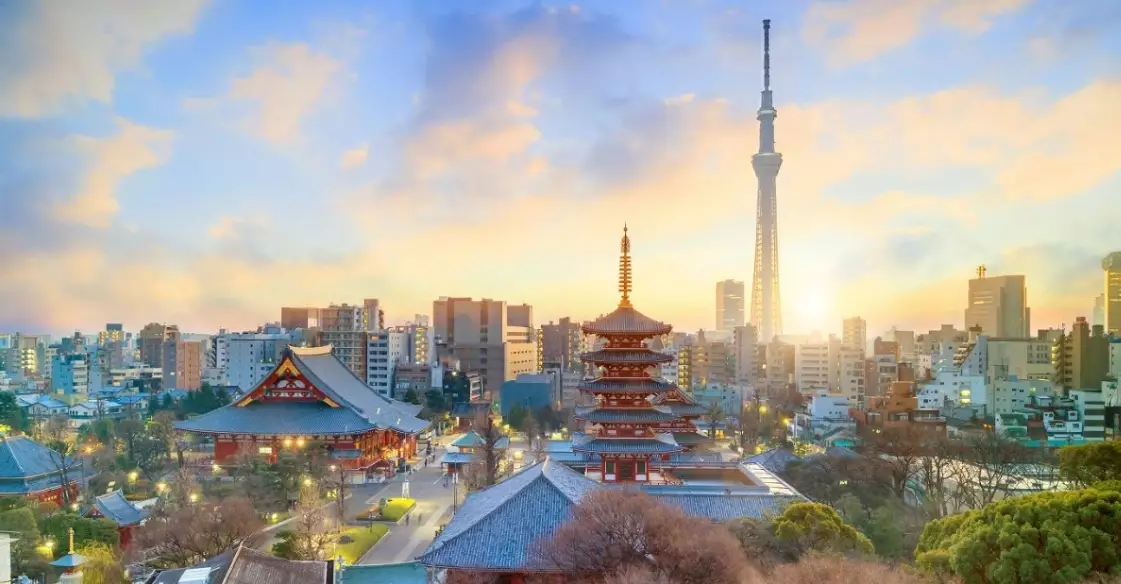
Day 4: Your Choice Day (North, West, or Repeat)
Use your last day to go deeper based on your interests.
- For Tech & Anime Fans: Akihabara. Spend the day browsing multi-story electronics stores (Yodobashi Camera), anime figure shops (Mandarake), and arcades. Don't miss a themed café (maid or gundam).
- For Quirky Culture & Vintage: Shimokitazawa. This neighborhood is a maze of narrow streets filled with vintage clothing stores, indie theaters, and cool coffee shops. It's the anti-Shibuya, relaxed and bohemian.
- For Cityscapes & Art: Roppongi. Visit the Mori Art Museum (often has great contemporary exhibitions) and the Tokyo City View observation deck at Roppongi Hills. The 360-degree view is one of the best. Combined ticket ~2,000 yen.
- For Repeat & Relax: Go back to a neighborhood you loved on Day 1 or 2. Maybe you wanted more time in Shinjuku's shops or another sushi breakfast in Tsukiji. This is your buffer.
How to Choose Your Base: A Neighborhood Guide for a 4-Day Trip
Where you stay dramatically impacts your experience. For a first-time, 4-day visit, prioritize locations with direct train access to multiple lines, especially the JR Yamanote Line (the green loop line that connects most major districts).
| Neighborhood | Best For | Vibe | Travel Tip |
|---|---|---|---|
| Shinjuku | Nightlife, transport hub, energy | Bustling, neon-lit, adult | Stay near the west exit for airport limousine buses and quieter streets. The east exit is pure chaos. |
| Shibuya | Youth culture, shopping, accessibility | Trendy, fast-paced, crowded | Great if you want to be in the center of it all. Can be noisy at night. |
| Ginza / Tokyo Station | Luxury, convenience, first-timers | Upscale, orderly, central | Pricier, but you're a short walk from the Palace and a train ride from everywhere. Very clean and safe. |
| Asakusa | Traditional atmosphere, budget, Skytree access | Old-school, tourist-friendly, relaxed | Further from the western hubs like Shibuya/Shinjuku (30-40 min by train). Has a more local, evening feel. |
| Ueno | Budget travelers, park access, museums | Practical, cultural, slightly dated | Lots of affordable business hotels. Direct Skyliner train from Narita Airport is a huge plus. |
My personal recommendation for a first 4-day trip? Shinjuku or Shibuya. You're on the Yamanote Line, surrounded by food options at all hours, and you can easily retreat to your hotel mid-day if needed. The convenience outweighs the higher cost for such a short trip.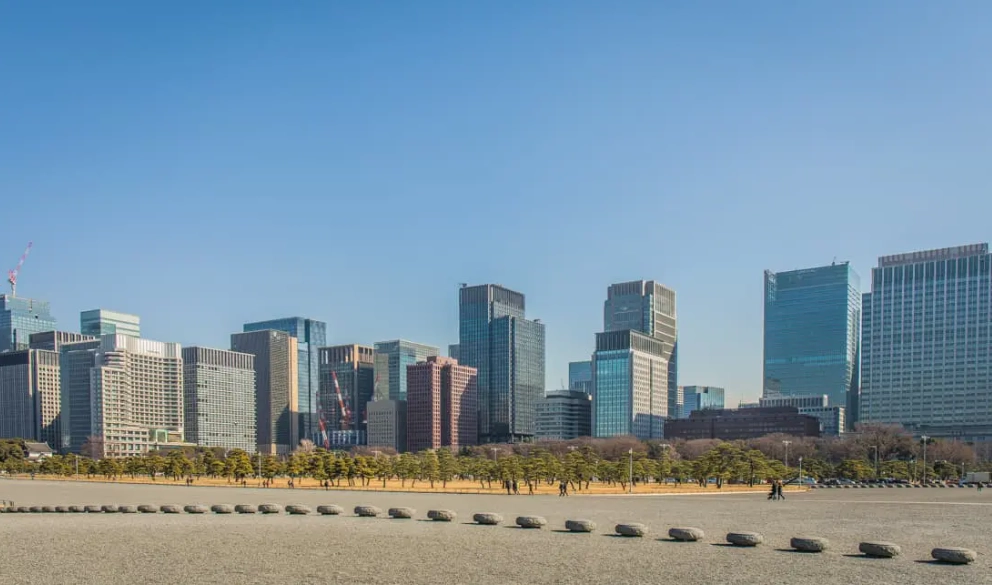
How to Navigate Tokyo's Transport Like a Pro
This is non-negotiable for a smooth 4-day Tokyo itinerary.
1. Get a Suica or Pasmo IC Card immediately. At any major station's ticket machine, buy a Suica (from JR machines) or Pasmo (from other subway company machines). They are interchangeable. Charge it with 3,000-5,000 yen to start. Tap in and out of all trains, subways, and buses. You can even use it at convenience stores and vending machines.
2. Use Google Maps or Apple Maps. They are incredibly accurate for Tokyo. They tell you which platform, which exit (crucial!), the exact fare, and even which train car is less crowded.
3. Avoid Taxis for Long Distances. They are clean and safe but very expensive. A taxi from Shinjuku to Asakusa could cost over 5,000 yen. The subway would be under 300 yen.
4. Walking is Part of the Journey. Stations are massive. Exiting Shinjuku Station from the wrong exit can mean a 10-15 minute walk to your destination. Follow the map's exit recommendations.
Beyond the Itinerary: Pro Tips to Maximize Your 4 Days
- Book Key Restaurants in Advance. For famous sushi, tonkatsu, or wagyu places, reservations are essential. Use your hotel concierge or a service like TableCheck. Don't just show up expecting a seat.
- Cash is Still King. While credit cards are more common, many small restaurants, market stalls, and temples only take cash. Always have 10,000-20,000 yen on you.
- Convenience Stores (Konbini) are Your Friend. 7-Eleven, FamilyMart, Lawson. Breakfast onigiri, excellent coffee, hot snacks, ATM withdrawals—they have it all.
- Don't Overplan Every Meal. Some of my best meals were in random, busy izakayas under train tracks. If a place is full of locals, it's probably good.
- Skip Disney. Controversial, but with only four days in Tokyo, spending one at DisneySea or Disneyland means missing the actual city. Save it for a longer trip.
Your FAQs Answered (By Someone Who's Been There)
 What's the one thing most tourists miss in a short Tokyo visit?
So, are 4 days enough for Tokyo? They're enough for a brilliant, exhilarating, and deeply satisfying first encounter. You won't see it all, but you'll experience its heart. You'll ride the trains, bow at temples, eat incredible food, and get lost in its neon glow. With this plan, you'll do it efficiently without sacrificing the joy of discovery. Book those reservations, charge your Suica card, and get ready. Your four-day Tokyo adventure is more than enough to leave you planning your return.
Share Your Thoughts