Let's cut to the chase. You're planning a trip to Japan, dreaming of Okinawa's turquoise waters and maybe Tokyo's neon buzz or Kyoto's temples. You love the idea of slow travel, watching the sea go by, and saving some cash compared to flying. So you type into Google: "Can you take a ferry from Okinawa to Mainland Japan?"
The short, direct answer is no. There is no single, direct passenger ferry service connecting Okinawa Island (like Naha) directly to major mainland ports like Tokyo, Osaka, or even Fukuoka. The distance is simply too vast—over 1,500 kilometers of open ocean. Operating a regular ferry on that route isn't commercially viable or particularly safe given typhoon seasons.
But that's not the end of the story. If the ferry dream is a core part of your Japan travel fantasy, you're not completely out of luck. You just need to understand the real, practical system. The journey involves a strategic island-hopping route through the southwestern islands to Kyushu, Japan's southernmost main island. From there, you can connect to the extensive nationwide ferry and rail network.
What You'll Find in This Guide
- Why There Are No Direct Ferries from Okinawa to Mainland Japan
- The Practical Ferry Routes: Island-Hopping to Kyushu
- How to Plan Your Okinawa-to-Mainland Journey
- Ferry vs. Flight: A Detailed Cost and Time Comparison
- Expert Tips for Booking and Riding These Ferries
- Your Ferry Travel Questions Answered
Why There Are No Direct Ferries from Okinawa to Mainland Japan
It comes down to geography, economics, and weather.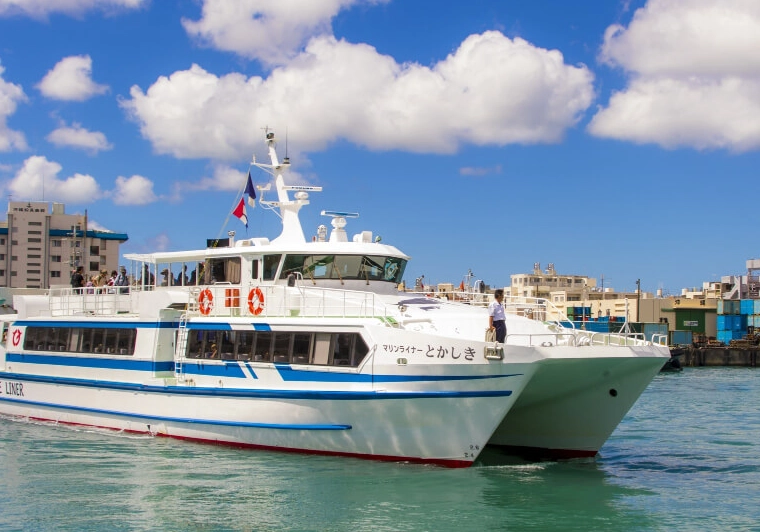
Look at a map. Okinawa's main island is closer to Taiwan than it is to Tokyo. The direct sea distance from Naha to Tokyo is roughly 1,550 km. A ferry traveling at a reasonable 40 km/h would take around 40 hours of non-stop sailing in perfect conditions. Now factor in the need for crew shifts, fuel stops, and cargo handling. You're looking at a multi-day voyage.
Who would take it? The demand is minimal. Most travelers prioritize speed and choose to fly (a 2.5-hour flight vs. a 2+ day sea journey). Cargo is more efficiently moved by dedicated container ships. The business case collapses.
Then there's the typhoon factor. The waters between Okinawa and Kyushu are in a major typhoon corridor from July to October. Schedules would be constantly disrupted, making a reliable long-distance service nearly impossible to maintain.
The ferry network that does exist is designed for local and regional connectivity, not trans-oceanic travel.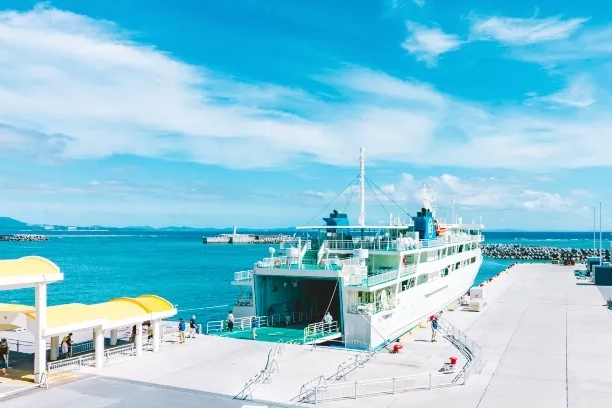
The Practical Ferry Routes: Island-Hopping to Kyushu
This is how you do it. The key is aiming for Kagoshima in southern Kyushu. Multiple ferry companies operate routes connecting Okinawa (via neighboring islands) to Kagoshima. The most common and practical route for travelers is the following sequence.
The Standard Route: Naha (Okinawa) → Kagoshima (Kyushu)
This journey is not direct. It typically involves a stop at Miyako Island or Ishigaki Island in the Sakishima Islands group. Think of it as a bus route with a transfer.
Step 1: Okinawa (Naha) to an Intermediate Island (Miyako/Ishigaki)
Companies like A Line Ferry (A-Line Ferry) and Marix Line operate ferries from Naha's Tomari Port to Hirara Port on Miyakojima. This leg takes about 9-11 hours, usually overnight. You can book a cabin or a reclining chair.
Step 2: Intermediate Island (Miyako/Ishigaki) to Kagoshima
From Miyakojima (or sometimes Ishigaki), the same companies run longer-haul ferries to Kagoshima's Shin-Kamigoto Port or directly to Kagoshima's main port. This is the long leg, taking approximately 24 to 26 hours.
Total travel time from Naha to Kagoshima via this ferry route: roughly 35 to 40 hours, excluding transfer wait times on the intermediate island. You need to plan for a potential overnight stay on Miyako or Ishigaki if the connections don't align perfectly.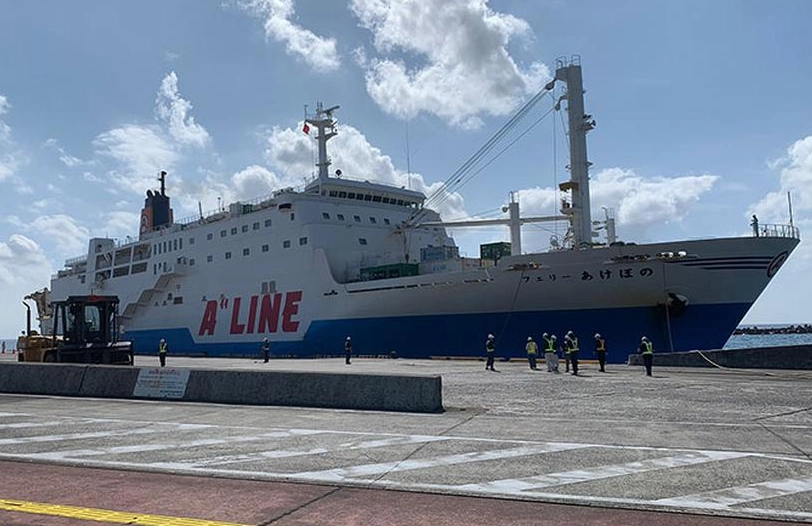
How to Plan Your Okinawa-to-Mainland Journey
Forget a single ticket. You're planning a multi-stage trip.
- Decide on your final mainland destination. Is it Fukuoka, Hiroshima, Osaka, or Tokyo? Kagoshima is your gateway.
- Research ferry schedules. Go directly to the ferry company websites. A-Line Ferry and Marix Line have English pages. Schedules change seasonally, with more frequent services in summer.
- Book the two ferry legs separately. Naha→Miyako, then Miyako→Kagoshima. Allow at least a 4-6 hour buffer on the intermediate island for delays and to rest.
- Plan your onward travel from Kagoshima. This is the easy part. From Kagoshima, you have excellent options:
- Ferry: High-speed jet foils and car ferries to other Kyushu ports (like Fukuoka/Hakata) and mainland ports like Osaka (via the Seto Inland Sea).
- Train: The Kyushu Shinkansen connects Kagoshima-Chuo Station to Fukuoka (Hakata) in about 1 hour 20 minutes, and you can transfer to the Tokaido-Sanyo Shinkansen for Osaka, Kyoto, and Tokyo.
- Bus: Overnight buses from Kagoshima to major cities are a budget option.
Ferry vs. Flight: A Detailed Cost and Time Comparison
Let's be brutally honest. The ferry route is not about saving time; it's about the experience. This table breaks it down for a solo traveler.
| Option | Route Example | Approx. Travel Time | Approx. Cost (One Way) | Best For |
|---|---|---|---|---|
| Direct Flight | Naha (OKA) → Tokyo (HND/NRT) | 2.5 hours | ¥15,000 - ¥35,000 | Time-sensitive travelers, first-time visitors, those with limited vacation days. |
| Island-Hopping Ferry | Naha → Miyako → Kagoshima | 35-40+ hours | ¥20,000 - ¥30,000 (2nd class cabin) | Adventurous souls, slow travel enthusiasts, budget travelers with time, those prone to flight anxiety. |
| Flight + Ferry Combo | Fly to Kagoshima, then ferry to islands. | Varies | Varies (can be cheaper) | Travelers who want some ferry experience but not the full long haul. Gives more time in Okinawa's outer islands. |
The ferry cost becomes more competitive if you are a group or a couple, as you can book a private cabin for not much more than multiple chair tickets. You also save on one or two nights of accommodation.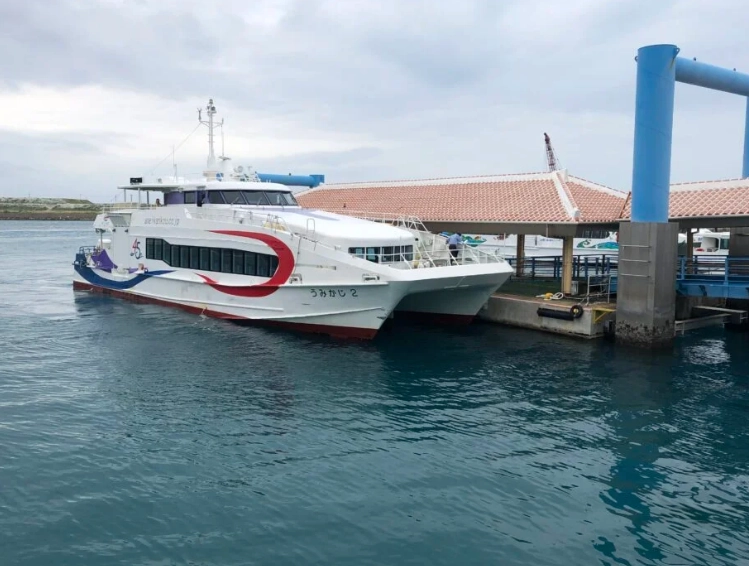
Common Mistake: People see the ferry price and think "budget option." But they forget to add the cost of food for two full days on board, any hotel stay during a transfer, and the lost time that could be spent sightseeing. Calculate the total trip cost, not just the ticket.
Expert Tips for Booking and Riding These Ferries
Having done this route, here's what I wish I knew before booking.
Book early, especially for cabins. The private cabins (2-4 berth) sell out fast, particularly in peak travel seasons like Golden Week (late April/early May) and Obon (mid-August). If you're left with "economy floor space," it's a very long trip.
Pack a "ferry kit." This includes: slip-on shoes (you remove them in cabin areas), earplugs and an eye mask, a refillable water bottle (there are water dispensers), snacks, a long charging cable, and a light sweater—the air conditioning is fierce. Most ships have showers (coin-operated, usually ¥100 for 5 minutes).
Don't rely on the ship's Wi-Fi. It's often slow, expensive, or non-existent in open waters. Download your entertainment—books, podcasts, movies—before you board. This digital detox is part of the charm, if you let it be.
Explore the ship. It's not just a waiting room. Go to the observation deck at sunset. Soak in the onboard onsen (hot spring bath) if your ferry has one (some A-Line ferries do). It's a surreal experience steaming in a bath while watching the Pacific Ocean glide by.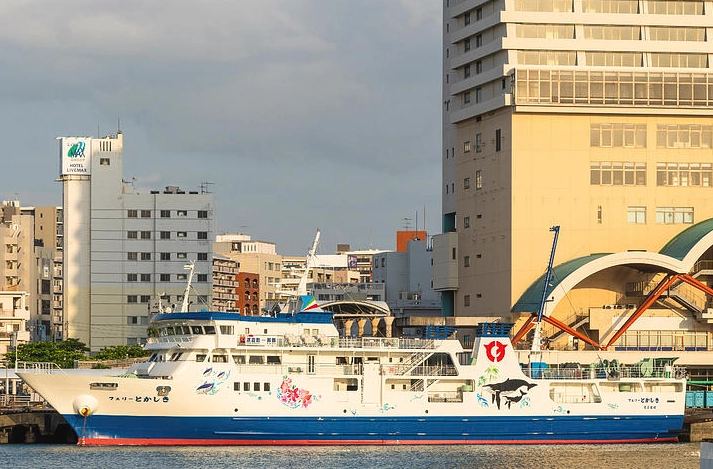
Your Ferry Travel Questions Answered
So, can you take a ferry from Okinawa to Mainland Japan? Not directly. But you can embark on a memorable, slow-paced maritime adventure that connects you to the rhythm of Japan's remote islands, ultimately delivering you to the southern gateway of Kyushu. It's a choice for a different kind of traveler—one who values the journey itself as a core part of the destination.
If your goal is purely to get from the beaches of Okinawa to the streets of Tokyo, the airplane is your only rational choice. But if you have the time and the temperament for an odyssey, the island-hopping ferry route offers a uniquely Japanese travel story you won't get from 30,000 feet.

Share Your Thoughts