You're planning a trip to Tokyo. Skyscrapers, neon lights, and endless crowds come to mind. But what if I told you that nestled within this electric metropolis are pockets of profound tranquility, where you can sleep on tatami mats, soak in a natural onsen, and be served a multi-course kaiseki dinner in your yukata? That's the promise of a luxury ryokan in Tokyo. It's not an oxymoron. It's a masterful blend of deep tradition and hyper-modern convenience, offering an authentic Japanese cultural immersion without leaving the city limits. Forget the notion that you need to trek to Hakone or Kyoto for this experience. Tokyo's top-tier ryokans deliver it right here, often with a level of personalized service and architectural genius that rivals the best hotels in the world.
Your Quick Guide to Tokyo's Ryokan Retreats
What Makes a Tokyo Luxury Ryokan Special?
A traditional ryokan is more than a place to sleep; it's a holistic experience centered on omotenashi (selfless hospitality). In Tokyo, this concept is refined to an art form within spatial constraints. You won't find sprawling gardens (usually), but you will find exquisite interior gardens, breathtaking skyline views from your bath, and designs that use every centimeter to create a sense of peace.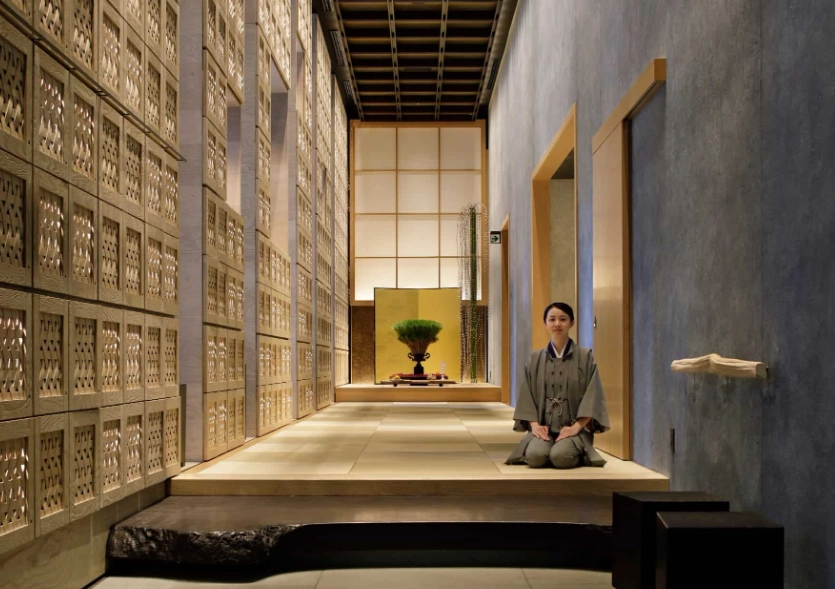
The core elements remain: tatami-matted rooms with futons laid out by staff, communal or private onsen baths (often fed by natural hot springs, a true urban miracle), and kaiseki ryori (seasonal haute cuisine) served in-room. The luxury comes in the details: the quality of the wood, the artistry of the tableware, the provenance of the spring water, and the anticipatory service that seems to read your mind.
A Quick Reality Check
Tokyo luxury ryokans are not budget-friendly. A night for two with dinner and breakfast typically starts around 80,000 JPY and can easily exceed 150,000 JPY. You're paying for an all-inclusive, intimate, and highly curated cultural performance. For many, it's the splurge that defines the entire trip.
Top Luxury Ryokans in Tokyo: A Curated List
Based on years of visits and conversations with repeat guests, here are three establishments that consistently deliver an exceptional, yet distinct, luxury ryokan experience in Tokyo. I've focused on those that truly feel like a retreat, not just a Japanese-themed hotel.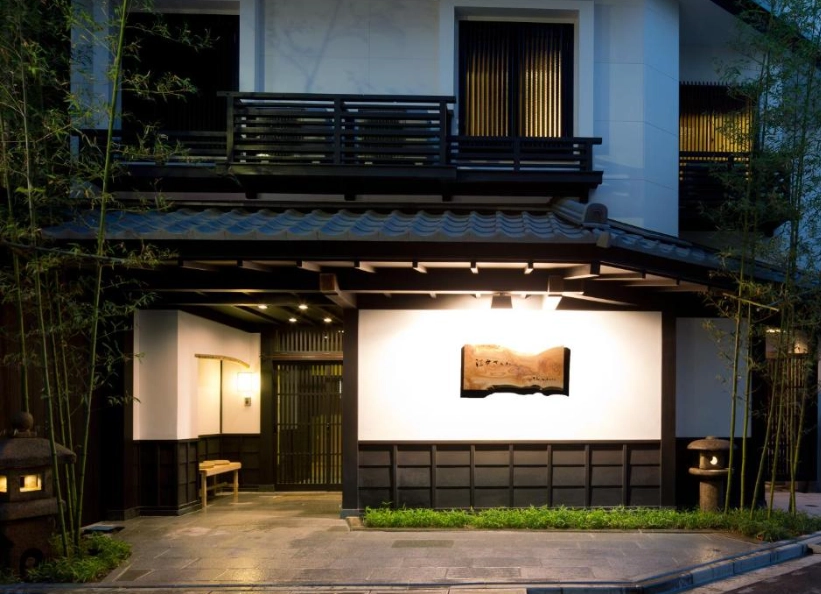
| Ryokan Name & Area | Key Features & Vibe | Price Range (Per Night, Two Guests) | Best For |
|---|---|---|---|
| Hoshinoya Tokyo Otemachi, Chiyoda |
An urban ryokan reinvented. Enter via a serene bamboo-lined path into a 17-story tower. Each floor is a standalone "okuyama" (deep mountain) with a central lounge. Natural hot spring bath on the top floor with stunning views. Modern interpretation of tradition. | ~150,000 - 300,000 JPY (Includes dinner & breakfast) |
Design enthusiasts, those seeking a completely immersive and modern take on the ryokan concept. |
| Ryokan Sawanoya Yanesen, Ueno |
A family-run, smaller-scale gem in the nostalgic Yanesen district. Less about ostentatious luxury, more about warm, genuine hospitality and a deep connection to old Tokyo. Charming garden, delicious home-style meals. A more intimate and affordable luxury. | ~40,000 - 70,000 JPY (Meals often included) |
Travelers wanting authentic local interaction, a quieter neighborhood feel, and excellent value within the luxury ryokan spectrum. |
| The Ryokan Tokyo Asakusa, Taito |
Direct views of Senso-ji Temple and the iconic Tokyo Skytree. A beautiful blend of traditional architecture (wood, stone, paper) with contemporary art and design. Some rooms have open-air baths. The location in historic Asakusa is unparalleled. | ~80,000 - 180,000 JPY (Includes kaiseki dinner) |
First-time visitors who want iconic Tokyo views combined with tradition, and easy access to major historic sites. |
A common mistake is booking the most famous place without considering the neighborhood vibe. Hoshinoya is in the sleek financial district—serene but quiet at night. Sawanoya is in a residential area perfect for strolls. The Ryokan Tokyo is in the heart of tourist-friendly Asakusa. Choose based on the Tokyo you want to wake up in.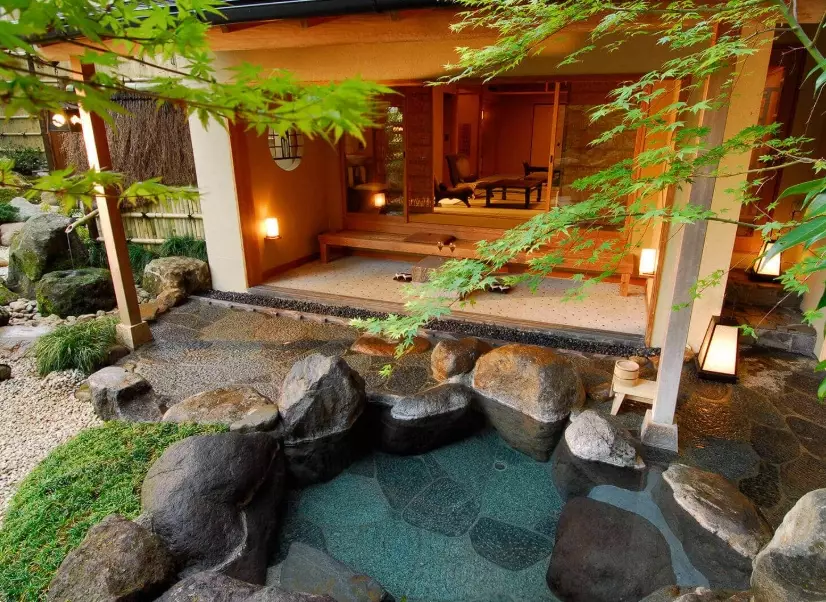
How to Choose the Right Ryokan for Your Trip
Beyond the list, here’s how to think about your decision.
Consider Your Bath Priority
Is a natural hot spring (onsen) non-negotiable? Confirm the water source. Hoshinoya Tokyo pumps from 1,500 meters below. Some use heated tap water, which is still lovely but different. Do you need a private bath (kashikiri) in your room, or are you comfortable with (often stunning) communal baths? Communal baths are usually gender-segregated and require you to be comfortable with nudity.
Food Allergies & Preferences
Kaiseki is a set menu showcasing seasonal ingredients. It's heavy on seafood, often includes rare mountain vegetables, and presentation is paramount. Communicate dietary restrictions clearly and well in advance. While they are accommodating, a severe shellfish allergy in the middle of a 10-course seafood feast is a stressful situation for everyone. A good ryokan will craft a beautiful alternative meal if given notice.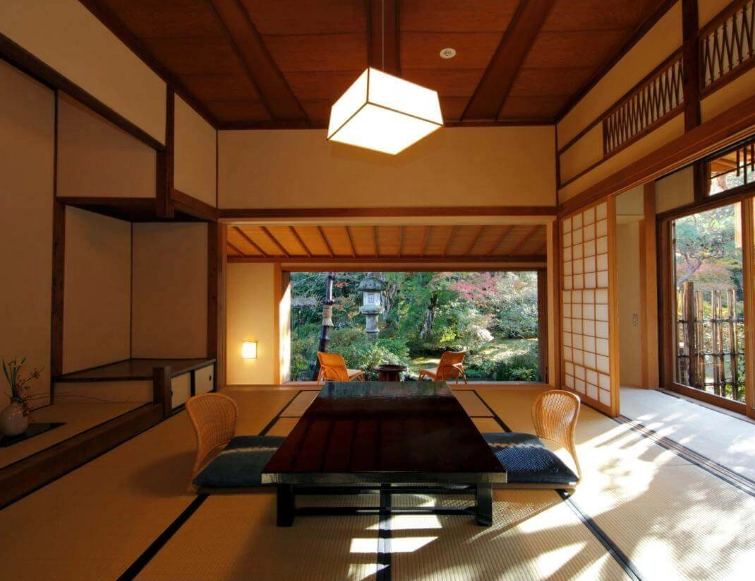
Essential Booking Tips & Ryokan Etiquette Guide
Booking a ryokan isn't like booking a Hilton. The process is part of the experience.
Book Directly: Whenever possible, use the ryokan's official website or call them. Third-party sites often don't allow you to communicate special requests (meal preferences, arrival time) effectively. Direct booking builds a relationship from the start.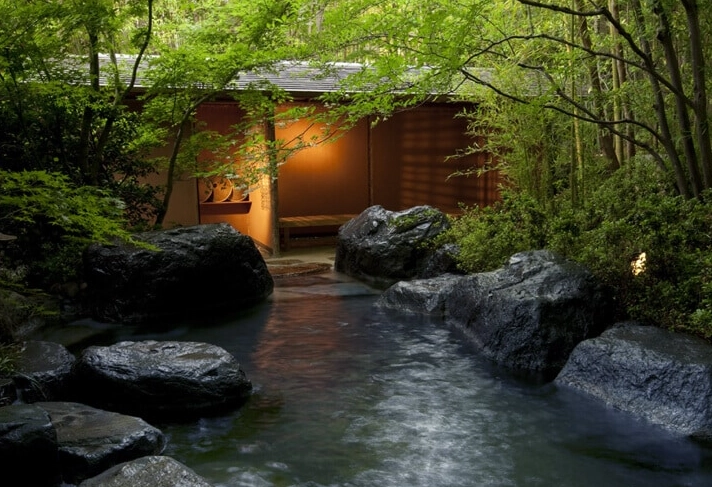
Check-in is Early, Check-out is Early: Typical check-in is 3 PM or earlier, and check-out is often 10 or 11 AM. This is because the room needs to be prepared for the next guest's dinner service. Plan your travel accordingly.
The Etiquette That Actually Matters:
- Shoes Off: This is non-negotiable. You'll leave your shoes at the entrance (genkan) and wear slippers provided. Remove slippers before stepping onto the tatami.
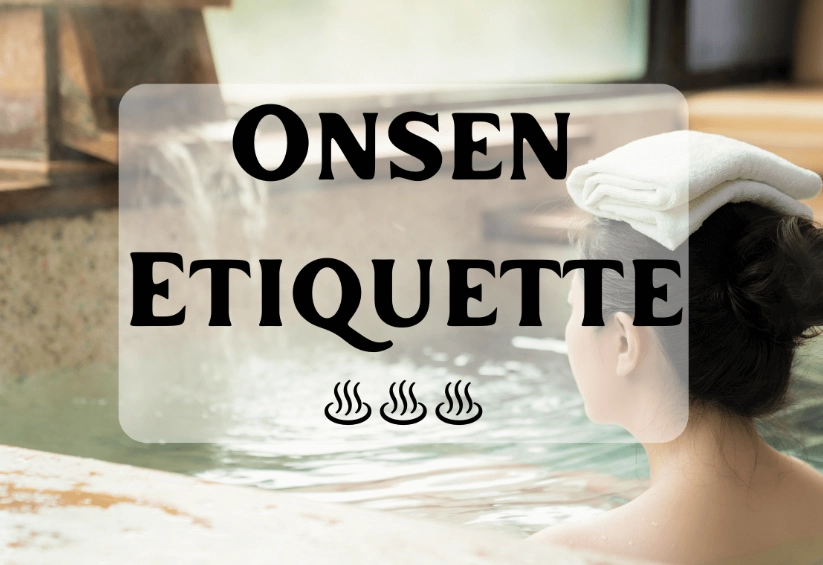
- Bathing Ritual: Wash and rinse thoroughly at the shower stools before entering the onsen bath. No soap in the bath. Tie long hair up.
- Yukata Wearing: Left side over the right. Wrapping it right-over-left is reserved for the deceased.
- Dinner Punctuality: They prepare each course fresh. Being late disrupts the entire kitchen's flow.
Don't stress about every tiny rule. The staff appreciates a guest who tries. A smile and a slight bow go a long way.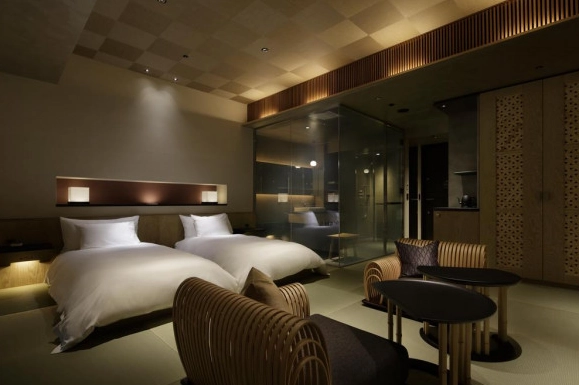


Share Your Thoughts