Let's clear something up right away. Yes, Japan has a reputation for being expensive. But that reputation is often built on luxury ryokan, multi-course kaiseki meals, and endless taxi rides. Strip that away, and you find a country that's surprisingly manageable for the budget-conscious traveler. I've traveled Japan on a shoestring multiple times, and the real cost of budget travel in Japan isn't about deprivation—it's about smart choices. You can have an incredible, deep experience for around $40 to $50 USD per day, excluding long-distance transport. This guide isn't about theory; it's the exact blueprint I've used.
Your Budget Japan Travel Blueprint
The Real Daily Cost Breakdown
Forget vague estimates. Here’s what you’re actually looking at per day, in yen and dollars, based on 2024 prices. This is for a backpacker-style trip, staying in hostels and being mindful.
| Category | Low-End (Tight Budget) | Comfortable Budget | Notes & Tips |
|---|---|---|---|
| Accommodation | ¥2,500 - ¥3,500 ($16-$23) | ¥3,500 - ¥5,000 ($23-$33) | Hostel dorm bed. Prices spike in peak seasons (cherry blossom, autumn). Book early. |
| Food | ¥1,500 - ¥2,500 ($10-$16) | ¥2,500 - ¥4,000 ($16-$26) | Convenience store breakfast, cheap lunch set, ramen for dinner. Comfortable budget allows for a nice meal. |
| Local Transport | ¥500 - ¥1,000 ($3-$6) | ¥1,000 - ¥1,500 ($6-$10) | Using IC cards, walking, maybe one subway ride. Day passes can be great value. |
| Sights/Activities | ¥0 - ¥1,000 ($0-$6) | ¥1,000 - ¥2,000 ($6-$13) | Many temples are ¥300-¥500. Parks and neighborhoods are free. Museums vary. |
| Daily Total | ¥4,500 - ¥8,000 ($30-$52) | ¥8,000 - ¥12,500 ($52-$82) | The low-end is very doable but requires discipline. The comfortable budget is, well, comfortable. |
See? Under $50 a day is absolutely possible. The biggest variable is accommodation. Food can be incredibly cheap without sacrificing quality—more on that soon.
Pro Tip: Your biggest upfront cost will be the flight and any long-distance rail passes. Once you're in the country, daily costs are very controllable. Always book flights 3-4 months out and use fare comparison tools like Google Flights.
How to Save on Transportation in Japan?
Transport can eat your budget if you're careless. Here’s how to navigate it smartly.
The Japan Rail Pass (JR Pass) Dilemma
The golden rule: do the math. The national JR Pass price increased significantly in late 2023. It's now only worth it if you're doing a lot of Shinkansen travel in a short time. For a classic one-week Tokyo-Kyoto-Osaka-Hiroshima sprint, it might still break even. But for slower travel or focusing on one region, it's often cheaper to buy individual tickets or use regional passes.
For example, if you're just doing Tokyo to Kyoto round-trip on the Shinkansen within 7 days, buying two individual tickets (around ¥27,000 total) is cheaper than the 7-day nationwide pass (¥50,000). Use the official Japan Rail Pass calculator or a third-party one to be sure.
The Unsung Hero: IC Cards
For local travel, get a rechargeable IC card like Suica or Pasmo immediately. They work on almost all subways, buses, and trains in major cities, and you can use them at convenience stores and vending machines. It saves you from buying individual tickets every time.
Here's a trick most miss: If you're flying into Tokyo Narita or Haneda, get a Welcome Suica or Pasmo Passport at the airport. They're designed for tourists, don't require a deposit, and are valid for 28 days. Perfect.
Buses Over Bullet Trains
Overnight buses are the budget champion for long distances. A Tokyo to Kyoto bus can cost as little as ¥4,000-¥6,000, compared to ¥14,000 for the Shinkansen. You save on a night's accommodation too. Willkomm and Willer Express are major operators. It's not the most comfortable sleep, but for the savings, it's a rite of passage.
What are the Best Budget Eats in Japan?
You will not go hungry on a budget. Japanese fast food is a world of quality and value.
- Convenience Stores (Konbini): 7-Eleven, Lawson, FamilyMart. This is your base camp. Onigiri (rice balls) for ¥120, sandwiches, pasta, and full bento meals for under ¥500. Their fried chicken is legendary. Coffee is ¥100. It's not just okay food—it's genuinely good.
- Chain Restaurants: Don't scoff. Matsuya, Sukiya, and Yoshinoya serve hearty beef bowls (gyudon) for ¥350-¥600. Tenya does tempura bowls. Kura Sushi is a revolving sushi chain where plates start at ¥115.
- Department Store Basements (Depachika): Go to the food hall of any major department store (like Isetan or Takashimaya) around 7-8 PM. They slash prices on exquisite sushi, bento, and side dishes by 30-50% to avoid waste. It's a gourmet feast for pennies.
- Ramen & Soba Shops: Look for places with vending machine ordering. A filling bowl of ramen is typically ¥800-¥1,200. Stand and eat (tachigui) spots are even cheaper.
My personal favorite cheap meal? A 7-Eleven onigiri, a pack of grilled chicken skewers, and a banana for breakfast, costing about ¥350. Beats an overpriced hotel buffet any day.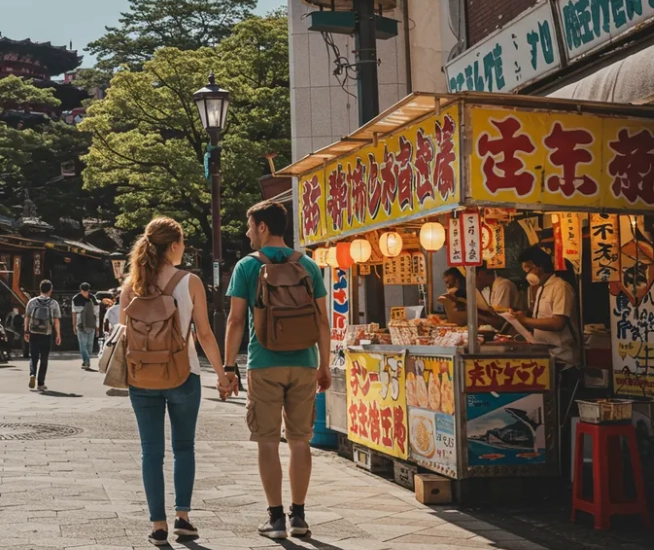
Where to Stay in Japan on a Budget
Hostels are your best friend. Japanese hostels are famously clean, safe, and often beautifully designed. Capsule hotels are an experience, but for longer stays, hostels offer more social space and often kitchens.
Tokyo: Look at areas like Asakusa (slightly older, great atmosphere) or Shinjuku/Ikebukuro (transport hubs). Grids Hostel & Hotel in Akihabara has both dorms and private capsules, starting around ¥3,000/night. The location is unbeatable for exploring.
Kyoto: Stay near Kyoto Station for transport ease, or in Gion/Shimogyo for atmosphere. Piece Hostel Sanjo is a bit higher-end for a hostel (around ¥3,500/night) but includes a fantastic breakfast and is in a perfect location.
Booking Tip: Use platforms like Booking.com or Hostelworld. Read reviews carefully—focus on comments about cleanliness, location, and locker security. Book at least a month in advance for peak seasons.
A 5-Day Budget Itinerary: Tokyo & Kyoto
Here’s a realistic, cost-conscious 5-day plan focusing on two iconic cities. Assume you're using an overnight bus between them.
Day 1-2: Tokyo
Accommodation: Hostel in Asakusa (¥3,000/night).
Day 1: Explore Asakusa (free Senso-ji temple), walk to Ueno Park (free), cheap lunch in Ameyoko market. Evening in Shinjuku (just wander Kabukicho and see the lights, free).
Day 2: Tsukiji Outer Market (free to explore, sample cheap street food), teamLab Planets or Borderless digital art museum (book online for ¥3,200-¥3,800), evening in Shibuya (Scramble Crossing, free).
Food Budget: ¥2,000/day. Transport: Use a 24-hour Tokyo Metro pass (¥800).
Travel Night: Take an overnight bus from Tokyo to Kyoto (¥5,000). Saves a night's accommodation.
Day 3-5: Kyoto
Accommodation: Hostel near Kyoto Station (¥3,200/night).
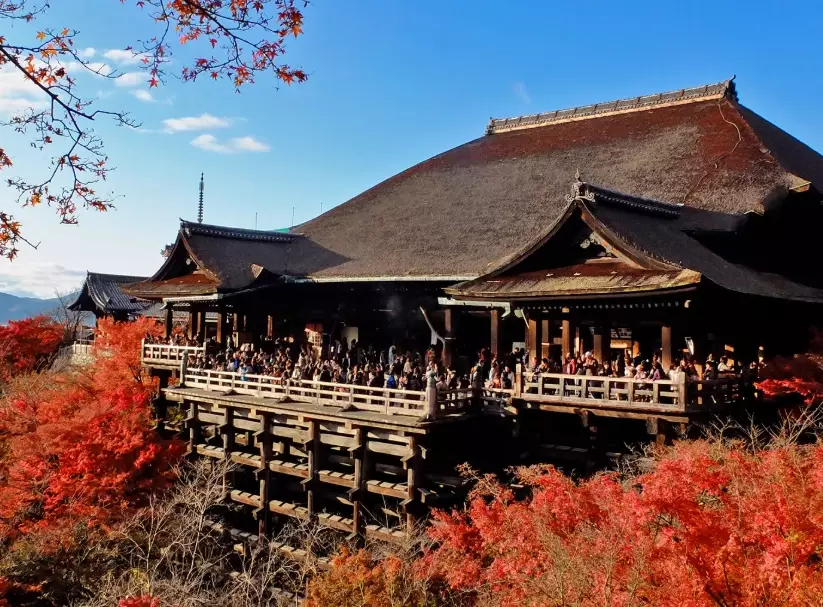
Day 3: Arrive morning. Fushimi Inari Shrine (free, go early). Afternoon in Gion/Higashiyama (free to wander). Kiyomizu-dera Temple (¥400).
Day 4: Arashiyama Bamboo Grove (free, early again). Tenryu-ji Temple garden (¥500). Afternoon in Nishiki Market (free to explore, budget for snacks).
Day 5: Philosopher's Path (free), Nanzen-ji Temple (free grounds, ¥600 for sub-temple). Depart.
Food Budget: ¥2,200/day. Transport: Rent a bicycle for a day (~¥1,000) and use buses with a one-day pass (¥700).
Estimated Total Cost (5 days): ~¥65,000-¥75,000 ($425-$490). That's under $100 per day, including intercity bus travel and accommodation.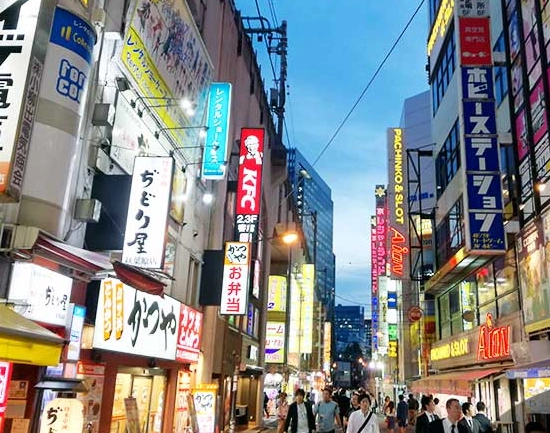
Common Budget Travel Mistakes to Avoid
I've seen these too many times.
1. Buying the JR Pass without calculating. Already covered. It's the #1 budget drain.
2. Eating in the first restaurant you see in a tourist area. Walk two blocks away. Prices drop dramatically. The ramen shop next to Kiyomizu-dera will be 30% more expensive than one in a nearby residential street.
3. Not using the hostel kitchen. Even just making breakfast or a late-night snack saves a lot. Buy fruit, eggs, and bread from a supermarket.
4. Overlooking free attractions. Japan's best experiences are often free: temple grounds (even if the main hall costs money), parks, hiking trails, historic neighborhoods, people-watching in massive stations, window-shopping in depachika.
5. Carrying too much cash/not using a fee-free card. While cash is king in many small places, 7-Eleven ATMs (Seven Bank) accept foreign cards and have reasonable fees. Get a travel card like Wise or Revolut for better exchange rates and to avoid bank fees on purchases.
Your Budget Japan Travel Questions Answered
The bottom line on budget travel Japan cost? It's about shifting your mindset from luxury to experience. The cost of a single fancy kaiseki dinner could fund three days of delicious street food, temple visits, and hostel stays. Japan rewards the curious and the frugal with incredible depth. Your budget isn't a limit; it's a filter that leads you to the authentic, everyday heart of the country. Start planning—your affordable adventure is waiting.

Share Your Thoughts