Let's be honest, most visitors to Japan stick to the cities. They see Tokyo, Kyoto, maybe Hiroshima. But you're different. You're looking for the Japan that exists between the train stations and temples – the deep, quiet Japan of ancient forests, misty mountain passes, and trails that have been walked for over a thousand years. That's what multi-day hiking in Japan is all about. It's not just exercise; it's a moving meditation through culture, history, and some of the most stunning landscapes on earth. Forget the crowds. This is your guide to getting lost, in the best way possible.
Your Quick Trail Map
Why Japan is a Multi-Day Hiker's Dream
I've hiked all over the world, and Japan's trail system is uniquely special. It's the combination of three things.
First, the infrastructure. Even remote trails are meticulously maintained. You'll find clear signposts (often in English and Japanese), well-trodden paths, and crucial facilities like mountain huts (yama-goya or 山小屋) in places where you'd expect nothing. This makes multi-day hikes here more accessible and less daunting than in many other countries.
Second, the cultural layer. You're not just walking through nature. You're walking through Shinto and Buddhist history. That trail might lead to a secluded shrine. That mountain pass was used by pilgrims centuries ago. The Kumano Kodo is a UNESCO World Heritage site for a reason – it's a living cultural landscape.
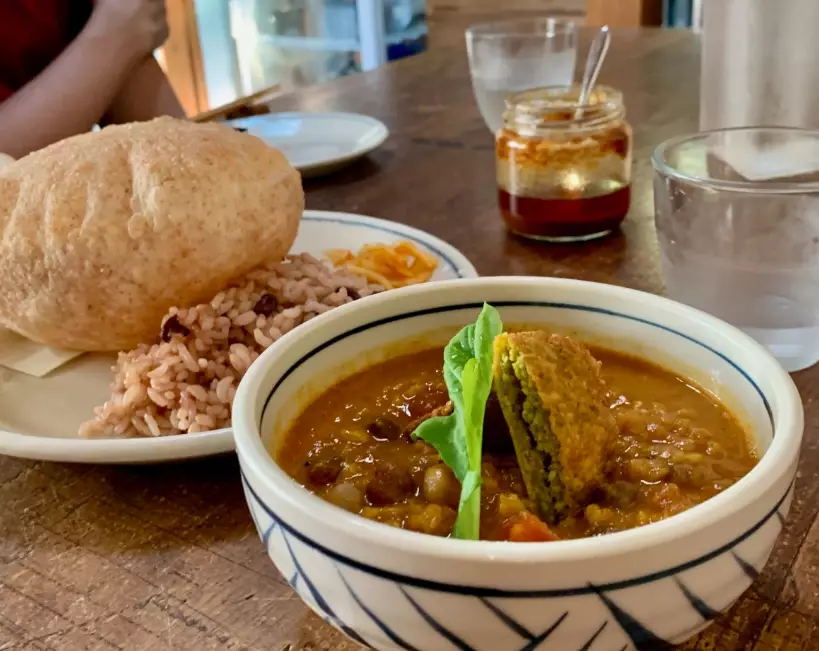
Third, the food and onsens. This is the secret weapon. After a long day of hiking, the prospect of a hot bowl of ramen or curry at a trailside town, followed by a soak in a natural hot spring (onsen), transforms the experience from endurance test into pure rejuvenation. It's a reward system built into the culture.
Here's the thing most blogs don't tell you: The biggest mistake first-timers make is underestimating the humidity and vertical gain. Japanese trails love to go straight up and down. They don't do switchbacks like in the Alps or Rockies. Combine that with summer humidity, and a "moderate" trail can feel brutal. Always check the elevation profile, not just the distance.
Top Multi-Day Hikes in Japan: A Detailed Comparison
Picking a trail depends on what you want: deep culture, iconic peaks, or alpine scenery. Here’s a breakdown of three classics.
| Trail Name | Distance / Duration | Difficulty | Best Season | Core Experience |
|---|---|---|---|---|
| Kumano Kodo (Nakahechi Route) | ~40-70 km / 3-5 days | Moderate | Spring (Apr-May), Autumn (Oct-Nov) | Pilgrimage, forest temples, village stays, onsens. |
| Mount Fuji Yoshida Trail (Climb) | ~15 km ascent / 1-2 days | Strenuous (due to altitude) | Official season: July to early Sept. | Iconic summit, sunrise (Goraiko), hut culture. |
| Kamikochi to Mount Yari / Hotaka Area | Varies (20-50 km) / 2-4 days | Moderate to Strenuous | Summer (Jul-Aug), Autumn (Sep) | Japanese Alps, rugged peaks, mountain huts. |
Deep Dive: The Kumano Kodo Pilgrimage
This is my personal favorite and the one I recommend for a first multi-day hike in Japan. You're tracing the steps of emperors and samurai. The main Nakahechi route starts in Tanabe, Wakayama, and winds through cedar forests to the three grand shrines: Kumano Hongu Taisha, Hayatama Taisha, and Nachi Taisha.
Logistics you need to know:
- Getting There: From Osaka, take the JR limited express to Kii-Tanabe Station (about 2 hours). Buses connect to the trailheads (Takijiri-oji or Hosshinmon-oji).
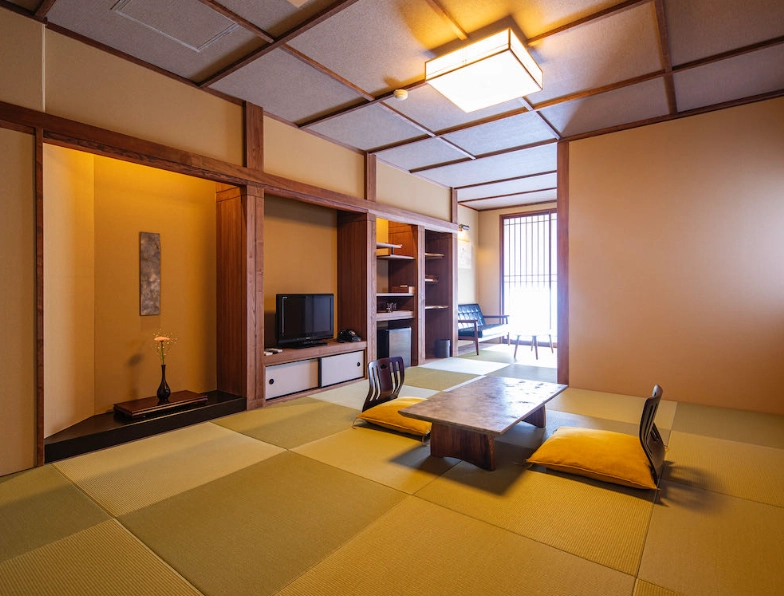
- Accommodation: You must book minshuku (family-run guesthouses) or small hotels in the villages (Chikatsuyu, Yunomine Onsen, Koguchi) months in advance. They often include dinner and breakfast. The official Tanabe City Kumano Tourism Bureau website is the best resource for bookings.
- Cost: Expect to pay ¥8,000 - ¥15,000 per person per night for lodging with two meals. Bus transport between trail sections adds cost.
- Can't-Miss: Soaking in the Tsuboyu bath in Yunomine Onsen – it's a UNESCO World Heritage onsen and the oldest in Japan.
Climbing Mount Fuji: A Different Beast
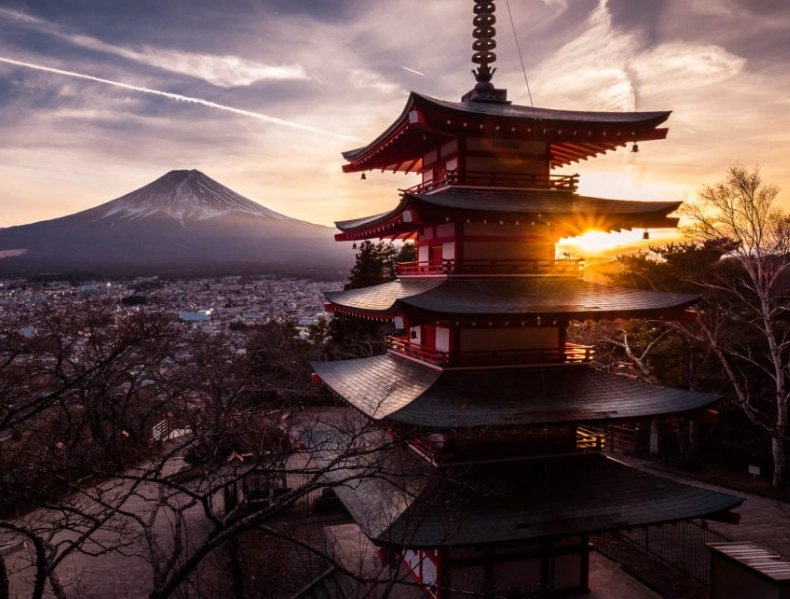
Climbing Fuji isn't a wilderness hike; it's a cultural phenomenon. It's crowded during the season, the terrain is volcanic scree, and the huts are basic. But watching the sunrise from 3,776 meters is unforgettable.
The reality check: Book your mountain hut (like Fujisan Hotel at the 8th station) the moment bookings open (usually April). The Yoshida Trail is the most popular. Start your climb in the afternoon, sleep for a few hours at the hut, then summit for sunrise. You'll need warm layers – it's freezing at the top even in summer. The official Mount Fuji Climbing website has essential safety info.
The Japanese Alps: Kamikochi as a Gateway
For alpine purists, the North Alps around Kamikochi are heaven. This is a protected national park, so no private vehicles. You take a bus or taxi from Matsumoto or Takayama.
A classic 3-day loop: Start at Kamikochi's serene Azusa River, hike up to the Yarigatake Sanso hut near Mount Yari (the "Matterhorn of Japan"), then traverse to the Hotakadake Sanso hut near the Hotaka peaks, before descending back. Hut reservations are competitive. These are proper alpine huts – dormitory style, serving hearty curry rice. The views are raw and spectacular.
How to Plan Your Japanese Multi-Day Hike
Planning is 80% of the success here. Don't wing it.
1. Season is Everything: Late April to May (spring) and October to November (autumn) are gold. June is the rainy season (tsuyu) – avoid it. July-August is hot, humid, and crowded, but the only time for high alpine hikes and Fuji. September can have typhoons.
2. Permits & Bookings: Most trails don't need permits, but all mountain huts require advance booking. Do this as early as possible, often 3-6 months ahead for popular routes. Use local tourism sites or email directly (some have English forms).
3. Transportation Nuances: Japan's famous trains get you to the trailhead town. The last leg is usually a local bus. Check bus schedules meticulously – they can be infrequent, especially outside peak season. A Japan Rail Pass might not cover these local buses, so have cash (Suica/Pasmo cards work in cities, not always in rural areas).
4. Pack Light, But Pack Smart: You don't need a tent or cooking gear if using huts. This lets you carry a smaller pack (30-40 liters). Essentials: quick-dry clothes, a lightweight rain jacket (non-negotiable), headlamp, toiletries, cash, and a small towel for onsens. Most huts provide slippers and sleeping bags (often for a fee), but a silk liner is a good idea.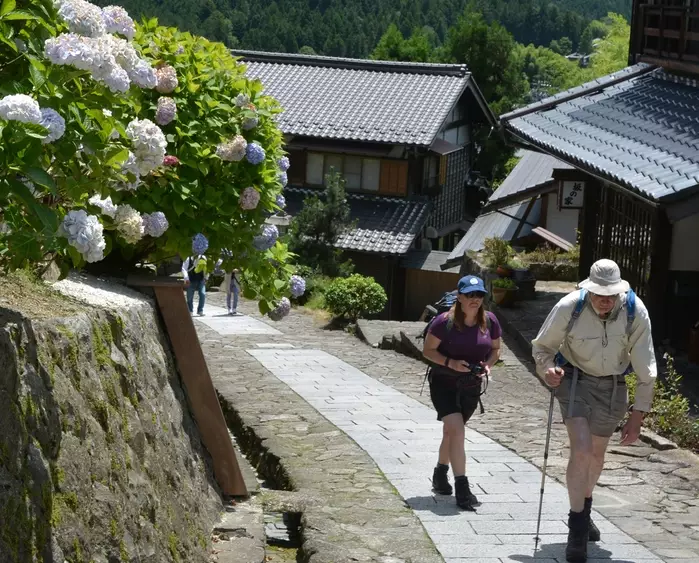
Multi-Day Hiking Gear Guide for Japan
Beyond the basics, here are Japan-specific items:
- Waterproof Everything Bag: Humidity and sudden rain are real. Keep your clothes and electronics in dry bags inside your pack.
- Trail Shoes with Great Grip: Slippery roots, mossy stones, and steep descents are common. Hiking boots or sturdy trail runners are a must.
- Small Coin Purse: You'll need ¥100 coins for roadside honor-system drink stands, donation boxes at small shrines, and sometimes for showers at huts.
- What to Leave Behind: Heavy hiking boots for hut-based hikes are overkill. Don't bring a bulky DSLR unless you're a pro – a smartphone or compact camera is fine. Most importantly, leave your "hurry-up" attitude behind.
Hiking Culture & Etiquette in Japan
Respect goes a long way.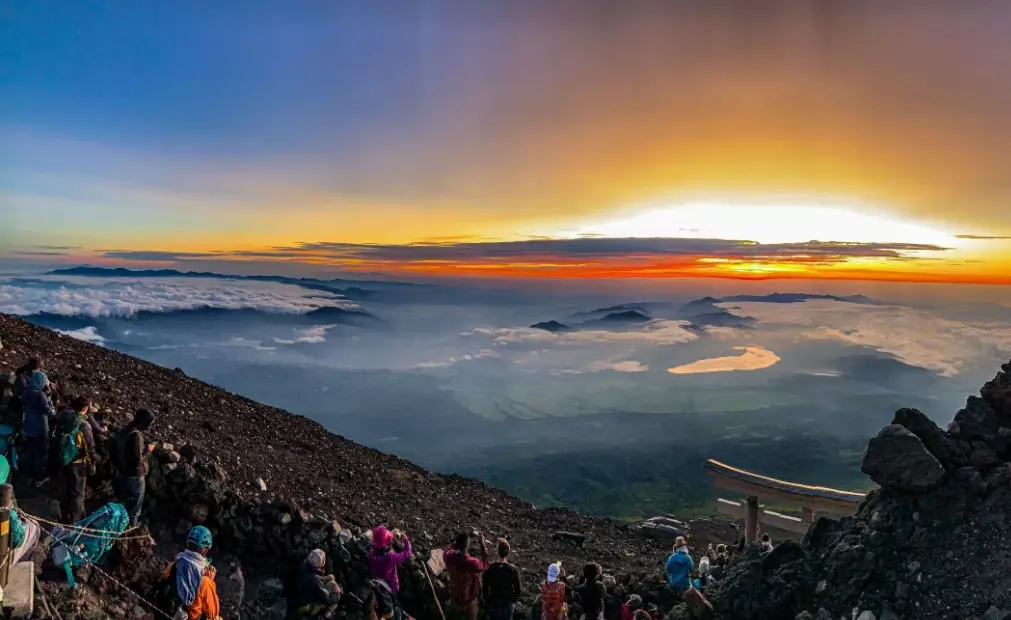
On the Trail: A simple "Konnichiwa" (hello) to fellow hikers is customary. Let faster hikers pass. Stay on the marked path.
At Mountain Huts: Remove your hiking boots at the entrance. Use the designated indoor slippers. Be quiet, especially in the early morning and evening. Dinner and breakfast are served at strict times – don't be late. The baths are for relaxing, not scrubbing down (wash thoroughly at the shower station first).
The Golden Rule: Pack Out ALL Trash. You will rarely find public trash cans on trails. Carry a small bag for your wrappers and tissues and dispose of it back in town. This is taken very seriously.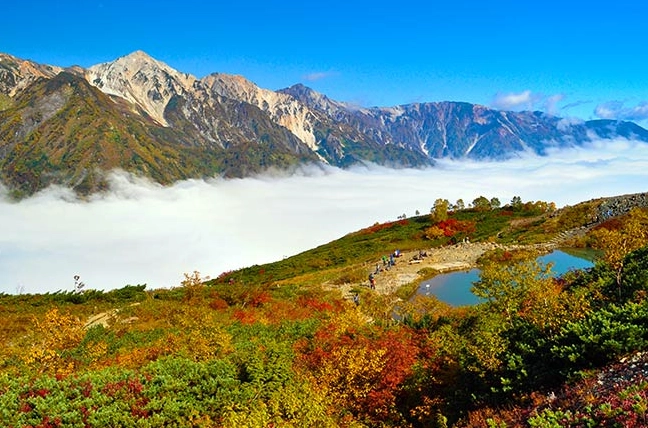
Your Multi-Day Hike Questions, Answered
Two strategies work. First, hike in the shoulder seasons (late April/May or October). The weather is good, and trails are quieter. Second, look beyond the most famous route. On the Kumano Kodo, the Kohechi route is more challenging and far less traveled. In the Alps, consider the South Alps (Minami Alps) or trails in Tohoku, like those in Towada-Hachimantai National Park. Research on the Japan National Tourism Organization site can reveal these gems.
Japan has an incredibly low crime rate, and trails are generally very safe from a personal security perspective. The main risks are environmental: weather changes, getting lost, or injury. As a solo hiker, always tell your accommodation your planned route and expected return time. Mountain huts provide a social environment where you can meet other hikers. For women, many prefer the privacy of small guesthouses (minshuku) over large dormitory huts, which are available on routes like the Kumano Kodo.
Let's break it down for a mid-range experience, excluding flights to Japan. Hut lodging with two meals: ¥9,000/day = ¥36,000. Transportation to/from trail and local buses: ¥8,000. Snacks, drinks, onsen fees: ¥5,000. Gear rental (if needed, e.g., backpack): ¥3,000. Total: Roughly ¥52,000 (about $350 USD) for the hiking portion. It's not the cheapest, but the convenience and cultural immersion of the hut system are worth it.
Share Your Thoughts