Going to Japan alone? Let's cut to the chase: yes, it's a fantastic idea for most people, but it's not without its hiccups. I've done it twice, once as a wide-eyed newbie and again as a more seasoned traveler, and both times taught me things guidebooks don't mention. This article dives deep into what solo travel in Japan really feels like, from the exhilarating freedom to the moments you might feel a bit lost. We'll cover practical steps, safety, budget, and those subtle cultural nuances that can make or break your trip.
What's Inside This Guide
Why Solo Travel in Japan Can Be Amazing
Japan is uniquely suited for solo adventurers. The infrastructure is top-notch, crime rates are low, and there's a quiet respect for personal space that makes being alone feel comfortable, not awkward.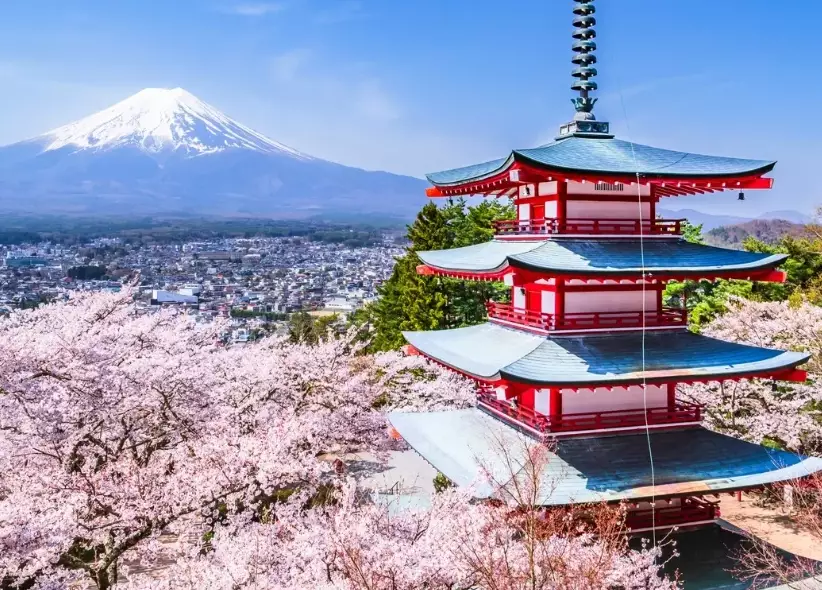
Cultural Immersion Like No Other
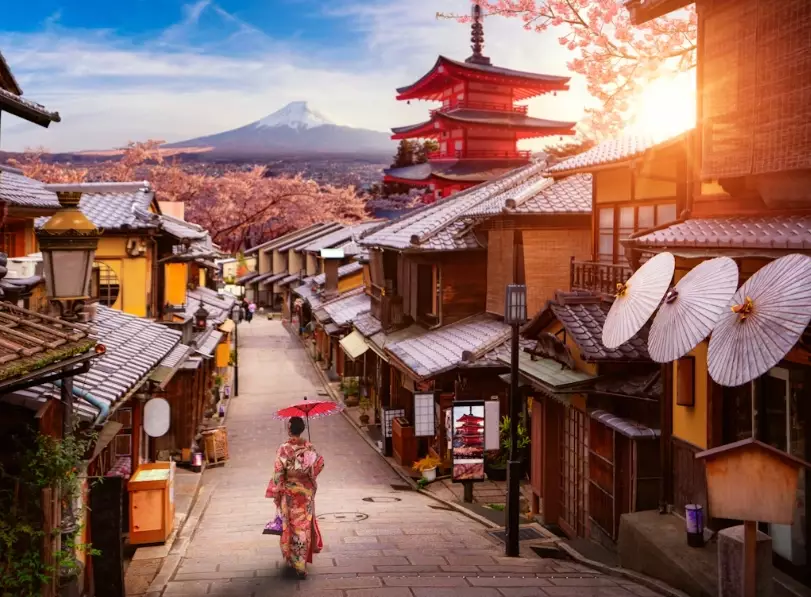
When you're solo, you're more approachable. I remember sitting in a small izakaya in Kyoto, and the owner started chatting with me in broken English, offering free snacks. That wouldn't have happened in a group. You'll notice details—the precision of a tea ceremony, the silence in temples—that get lost in chatter.
Ultimate Flexibility and Freedom
Want to spend three hours in Akihabara hunting for vintage anime? Go for it. Feel like skipping dinner and grabbing konbini food? No one's judging. Solo travel lets you follow your whims, which in Japan means discovering hidden gems like Shimokitazawa's thrift stores or hiking Mount Takao on a Tuesday.
Personal Growth and Confidence Boost
Navigating Tokyo's subway system alone might seem daunting, but once you master it, you'll feel like a superhero. Japan pushes you to problem-solve independently, whether it's using a ticket machine or ordering ramen from a vending system. That confidence sticks with you.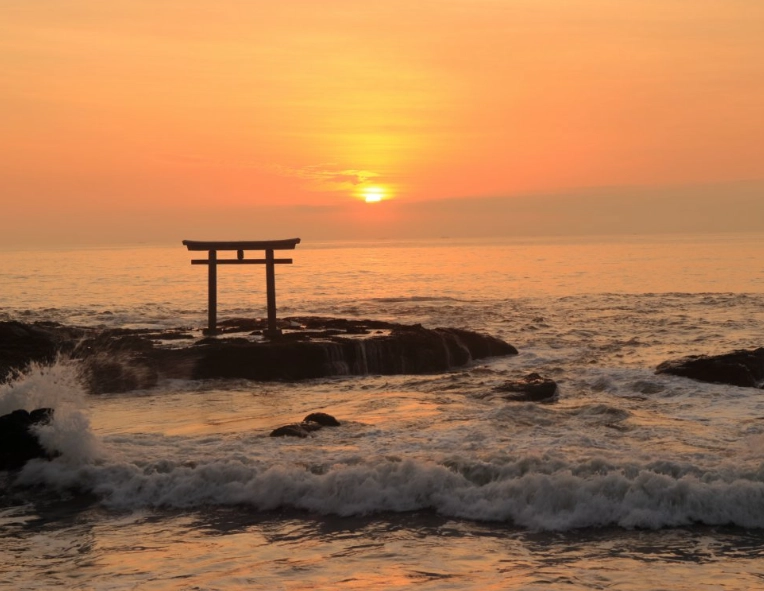
The Real Challenges You Might Face
It's not all cherry blossoms and sushi. Here are the common hurdles and how to tackle them.
Navigating the Language Barrier
English isn't widely spoken outside tourist hubs. Many travelers rely on Google Translate, but here's a non-consensus tip: learn a few key phrases in Japanese, like "sumimasen" (excuse me) and "arigatou gozaimasu" (thank you). Locals appreciate the effort, and it opens doors. Also, download an offline translation app—Wi-Fi can be spotty.
Dealing with Loneliness on the Road
Even in bustling Tokyo, loneliness can creep in. My trick? Stay in hostels with common areas or join free walking tours. Websites like Meetup have events for travelers. In Osaka, I joined a local cooking class and made friends over takoyaki. It's about creating small connections.
Practical Issues: Accommodation and Dining
Solo dining is common in Japan, but some traditional restaurants prefer groups. Look for ramen shops with counter seating or conveyor belt sushi. For accommodation, capsule hotels are affordable and social. Here's a quick comparison:
| Accommodation Type | Average Price per Night | Best For | Example in Tokyo |
|---|---|---|---|
| Capsule Hotel | ¥3,000 - ¥5,000 | Budget travelers, short stays | Nine Hours Shinjuku |
| Hostel | ¥2,500 - ¥4,000 | Socializing, longer trips | Khaosan Tokyo Kabuki |
| Business Hotel | ¥6,000 - ¥10,000 | Privacy, convenience | APA Hotel Shinjuku |
Booking in advance is key, especially during peak seasons like cherry blossom time (late March to April).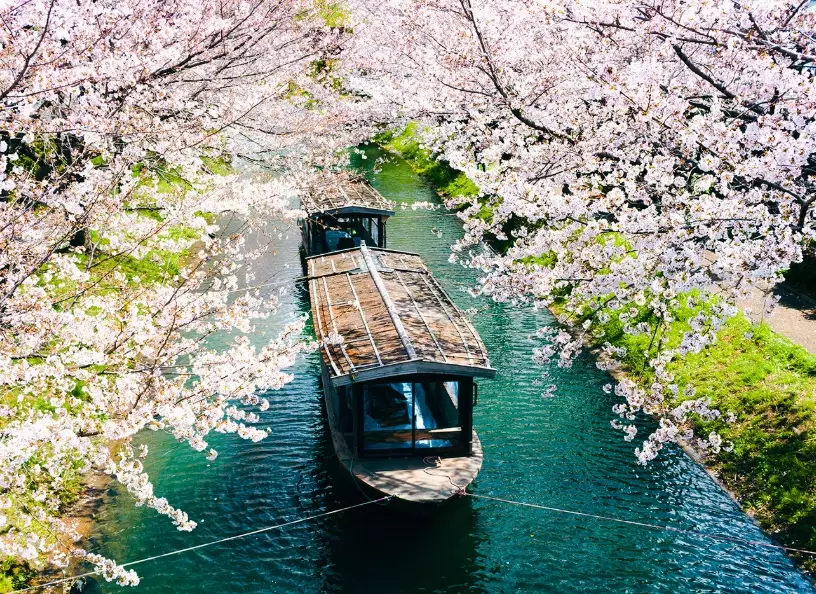
A Step-by-Step Guide to Planning Your Solo Trip
Let's get practical. Here's how to plan a trip that balances structure with spontaneity.
Before You Go: Essential Preparations
First, check visa requirements—many countries get 90-day visa-free stays. Buy a Japan Rail Pass if you're traveling between cities; it's cheaper online before arrival. Get a SIM card or portable Wi-Fi for navigation. I recommend booking your first night's stay to avoid stress after a long flight.
Sample 5-Day Tokyo Itinerary for Solo Travelers
This itinerary mixes iconic spots with offbeat experiences. Adjust based on your interests.
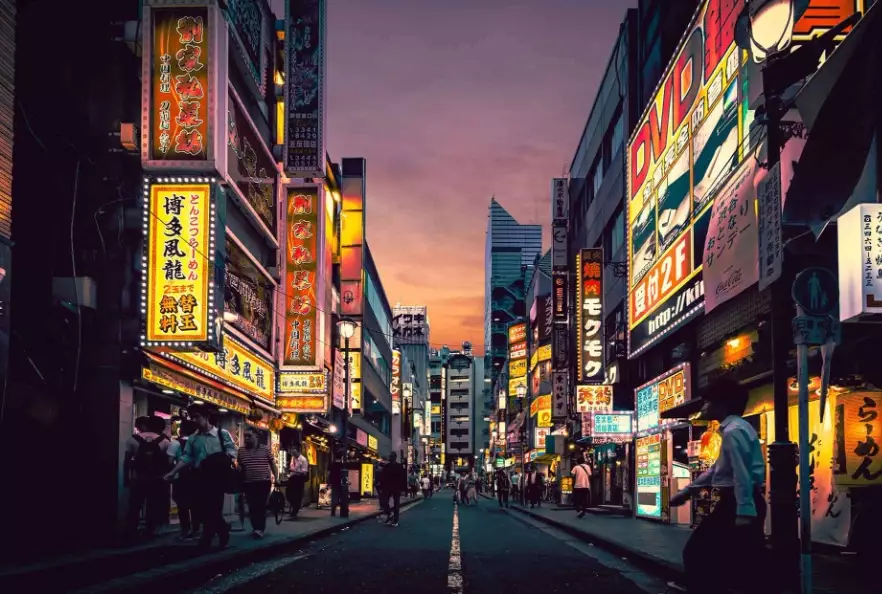
- Day 1: Shinjuku and Shibuya – Start at Shinjuku Gyoen National Garden (¥500 entry, open 9 AM-4:30 PM). Wander through Kabukicho for neon lights, then head to Shibuya Crossing. Dinner at Ichiran Ramen (24/7, solo booths).
- Day 2: Asakusa and Akihabara – Visit Senso-ji Temple (free, opens 6 AM). Try street food at Nakamise-dori. Afternoon in Akihabara for anime shops. Evening at a maid café if that's your thing.
- Day 3: Harajuku and Omotesando – Explore Takeshita Street for quirky fashion. Relax at Meiji Shrine (free). Walk down Omotesando for architecture. Lunch at Kawaii Monster Café (reserve ahead).
- Day 4: Day Trip to Nikko – Take a train to Nikko (about 2 hours). See Toshogu Shrine (¥1,300). Return to Tokyo for a quiet evening.
- Day 5: Ueno and Yanaka – Ueno Park museums (e.g., Tokyo National Museum, ¥1,000). Stroll through Yanaka Ginza for old Tokyo vibe. Last-minute shopping at Don Quijote.
Budget Breakdown: How Much Does It Cost?
For a mid-range solo trip, expect ¥8,000-¥12,000 per day. Here's a rough breakdown:
- Accommodation: ¥4,000-¥6,000 (hostel or capsule)
- Food: ¥3,000-¥5,000 (mix of konbini, casual eateries, one nice meal)
- Transport: ¥1,000-¥2,000 (local trains, plus occasional taxis)
- Activities: ¥1,000-¥3,000 (temples, museums, souvenirs)
Save money by using Pasmo/Suica cards for transit and eating at department store basements (depachika).
Safety First: Tips for Solo Travelers in Japan
Japan is one of the safest countries, but complacency can lead to trouble. Stay alert in crowded areas like Shinjuku at night—pickpocketing is rare but not impossible.
For Female Travelers: Extra Precautions
Solo female travel in Japan is generally safe, but avoid empty train cars late at night. Some hostels offer female-only dorms. Trust your instincts; if a situation feels off, leave. Resources like the Japan National Tourism Organization provide safety guidelines for travelers.
Emergency Contacts and Resources
Save these numbers: Police (110), Ambulance/Fire (119). English-speaking helplines are available (e.g., Japan Visitor Hotline). Keep a copy of your passport and insurance details. I also recommend registering with your embassy online—it's a quick step that many skip.
Frequently Asked Questions About Solo Travel in Japan
So, is it a good idea to go to Japan alone? From my experience, it's more than good—it's transformative. You'll come back with stories, confidence, and maybe a newfound love for onsen. Plan well, stay curious, and don't be afraid to wander off the beaten path. Japan rewards the solo traveler in ways that group trips never can. Safe travels!
Share Your Thoughts