What You'll Find Inside
Let's cut to the chase. A luxury ryokan in Japan isn't just a fancy hotel with tatami mats. It's a cultural immersion, a lesson in hospitality called omotenashi, and honestly, it can be a minefield if you don't know what you're doing. I've spent years traveling Japan, staying in everything from budget guesthouses to ryokans that cost more than my monthly rent. Some were magical; others felt like overpriced museums where you're afraid to touch anything.
This guide is for anyone who wants the authentic luxury ryokan experience without the guesswork. We'll skip the fluff and get straight to what matters: specific recommendations, real costs, and the subtle mistakes that can ruin your stay.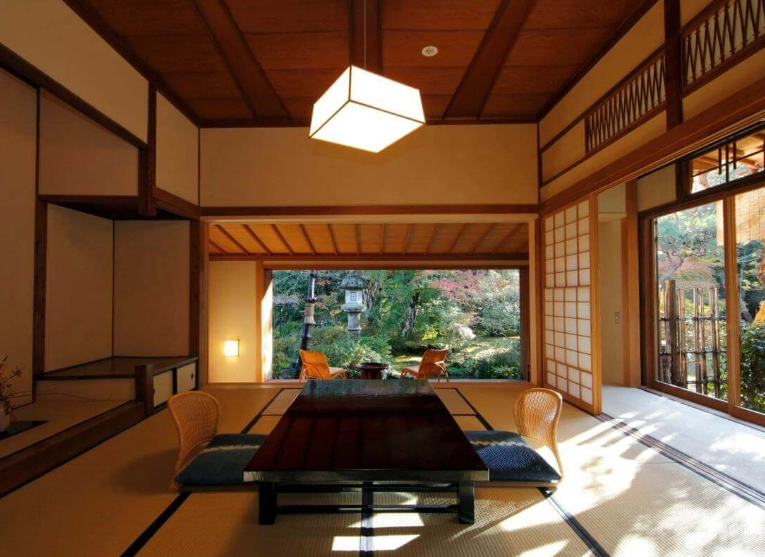
What Makes a Ryokan "Luxury"? It's Not Just Price
You'll see prices from ¥30,000 to over ¥200,000 per night. But a high price tag doesn't guarantee quality. A true luxury ryokan balances tradition with comfort, and it hinges on a few non-negotiable elements.
The Core Elements Most People Miss
First, the location. It's not just about being in Kyoto or Hakone. The best ryokans feel secluded, often with a view of a garden, river, or mountains. Noise from the street? That's a deal-breaker.
Second, the onsen. A private or semi-private hot spring bath is key. Many "luxury" places just have a shared bath, which is fine, but for the premium experience, you want that in-room or reserved-family bath. The water quality matters too—natural spring vs. reheated tap water makes a huge difference in how your skin feels afterwards.
Third, the food. Kaiseki, the multi-course dinner, should be seasonal, locally sourced, and presented like art. I once stayed at a place where the dinner felt mass-produced; the fish wasn't fresh, and it showed. A great ryokan chef will explain each dish, sometimes even personalizing it if you have dietary needs.
Lastly, the service. It should be attentive but invisible. Staff anticipate needs without hovering. At a mid-range ryokan, I had someone knock on my door every hour to check if I needed tea—it felt intrusive. At the best ones, they seem to know when you're out for a walk and freshen up the room silently.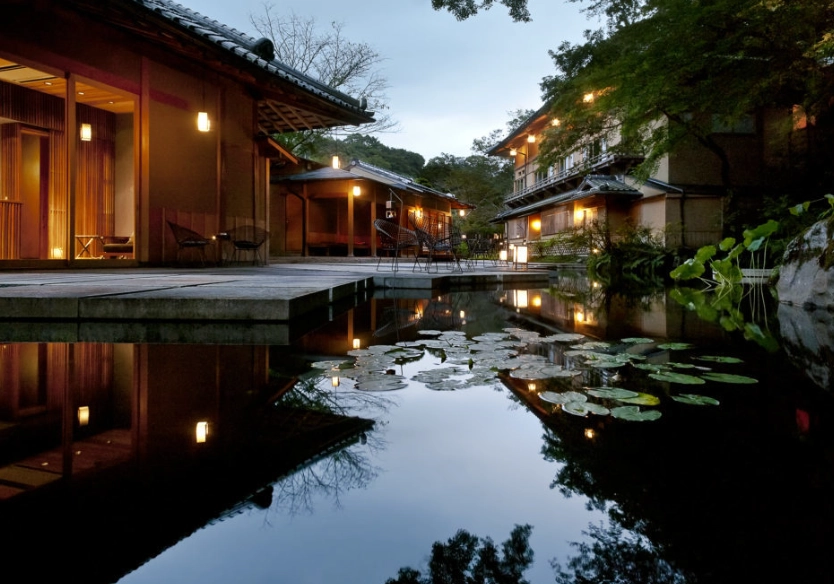
Personal take: Don't get fooled by glossy photos. Read recent reviews on sites like Tripadvisor or Japanese platforms like Jalan. Look for comments about noise, food temperature, and staff English level if that's a concern. Many luxury ryokans have websites in English, but calling directly can sometimes snag a better room or last-minute deal.
My Curated List: 5 Luxury Ryokans Worth Every Yen
Based on my stays and feedback from fellow travelers, here are five standouts. I'm including specifics because vague praise is useless. Prices are per person per night, typically including dinner and breakfast, and can vary by season. Peak seasons like autumn foliage or cherry blossom command premiums.
| Ryokan Name & Location | Key Features & What Sets It Apart | Price Range (Approx.) | Best For |
|---|---|---|---|
| Gora Kadan Hakone, Kanagawa Address: 1300 Gora, Hakone-machi |
Former imperial villa. Each room has a private open-air onsen. The garden is stunning, and the kaiseki uses ingredients from the region. Service is flawless but formal. | ¥70,000 - ¥120,000 | Special occasions, couples seeking privacy. |
| Hiiragiya Bekkan Kyoto, Kyoto Address: Nakagyo-ku, Fuyacho-Anekoji-agaru |
Family-run for generations. Feels like a home, not a hotel. The attention to detail—like handmade futons and personal greetings—is unmatched. Smaller and more intimate. | ¥50,000 - ¥90,000 | Cultural purists, first-time ryokan guests. |
| Asaba Shuzenji, Izu Peninsula Address: 3450-1 Shuzenji, Izu-shi |
Over 350 years old. The main attraction is a stage over a pond for Noh performances. Rooms blend old-world charm with modern amenities. The onsen water is exceptionally smooth. | ¥80,000 - ¥150,000 | History buffs, those wanting a unique artistic experience. |
| Zaborin Niseko, Hokkaido Address: 76-4 Hanazono, Kutchan-cho |
Modern minimalist design with private onsen in every suite. Focus on relaxation and nature views. The food incorporates Hokkaido's famous seafood and dairy. | ¥60,000 - ¥100,000 | Winter travelers, design enthusiasts. |
| Sawanoya Kinosaki Onsen, Hyogo Address: 469 Yushima, Kinosaki-cho |
Not the most expensive, but offers incredible value. Access to seven public onsens in town. Family-friendly with spacious rooms. The crab kaiseki in winter is legendary. | ¥30,000 - ¥50,000 | Families, budget-conscious luxury seekers. |
Notice the range. Luxury isn't one-size-fits-all.
Booking these can be tricky. Most require reservations months ahead, especially for weekends. I booked Gora Kadan four months in advance for a Saturday in November. Some, like Hiiragiya, prefer direct bookings via phone or their website—third-party sites might not show all room types.
How to Choose Your Luxury Ryokan Without Getting Ripped Off
Here's where most guides fall short. They list places but don't tell you how to decide. Let's break it down.
First, define your priority. Is it the onsen? The food? The location? If onsens are key, check if the ryokan has a kakenagashi system (continuously flowing natural spring water) versus a yumomi system (reheated). The former is superior but rarer.
Second, scrutinize what's included. "Two meals" might mean a basic dinner, not kaiseki. Ask about menu options. Some ryokans offer upgrade choices for an extra fee. Also, check if drinks are included—often, they're not, and a bottle of sake can add ¥5,000 easily.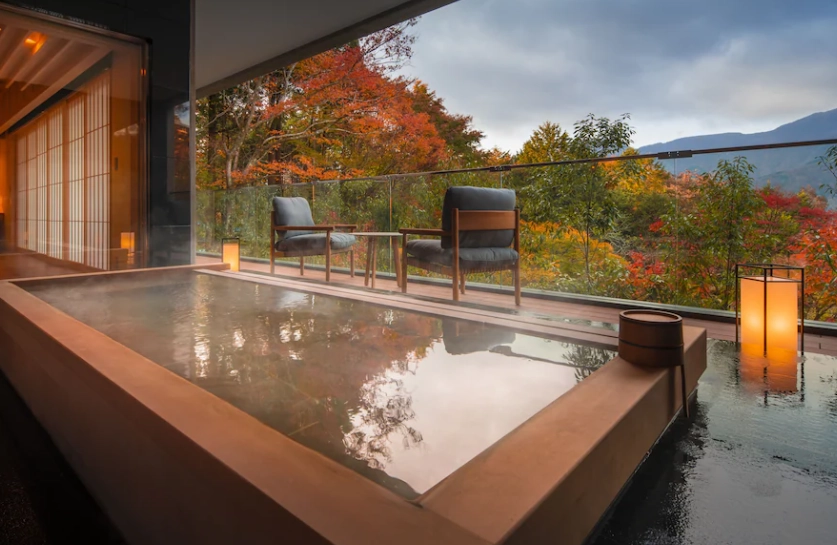
Third, consider the room type. Western-style rooms have beds; Japanese-style have futons on tatami. Futons are part of the experience, but if you have back issues, opt for a hybrid or Western room. I made that mistake once and spent a restless night.
Fourth, transportation. Many luxury ryokans are in remote areas. Does the price include pickup from the nearest station? If not, a taxi from Hakone-Yumoto Station to Gora can cost ¥3,000. Factor that in.
Here's a non-consensus tip: Don't overlook ryokans in lesser-known onsen towns like Kinosaki or Shuzenji. They often offer better value and fewer tourists than Hakone or Kyoto. The experience can feel more authentic.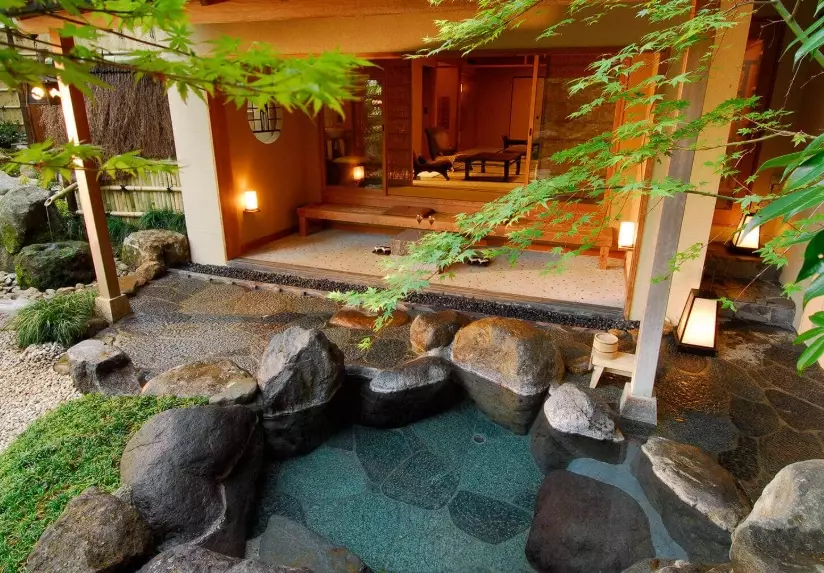
A Day in the Life: The Ryokan Rhythm from Wake-Up to Onsen
Let's walk through a typical day so you know what to expect. This is based on my stay at Hiiragiya Bekkan.
Check-in (3-4 PM): You're greeted at the entrance, shoes off immediately. Slippers provided. A staff member guides you to your room, serves green tea and a small sweet, and explains the facilities. They'll ask about dinner time—usually between 6 and 8 PM.
Late afternoon: Change into the yukata (cotton robe) provided. It's acceptable to wear it around the ryokan and even to nearby towns in onsen resorts. I took a stroll in Kyoto in mine, and it felt perfectly normal.
Onsen time: Before dinner, I hit the bath. Most ryokans have gender-separated communal baths. Wash thoroughly at the shower stations before entering the tub. No swimsuits allowed. It's quiet, meditative. If you're shy, book a ryokan with private baths.
Dinner (Kaiseki): Served in your room or a private dining area. Courses arrive slowly—appetizer, sashimi, simmered dish, grilled item, rice, soup, dessert. It can take two hours. Don't rush. The staff will come to set up and clear each course. If you're not a big eater, some ryokans allow you to request smaller portions, but you need to ask in advance.
Evening: After dinner, they prepare your futon while you're out or in a lounge. Returning to a made-up room is a lovely touch. Some ryokans offer nightcaps or extra snacks.
Breakfast: Usually around 8 AM, again in-room. A traditional Japanese breakfast with fish, rice, miso soup, and pickles. It's hearty. If you prefer Western breakfast, mention it when booking—some places offer it, but it might cost extra.
Check-out (10-11 AM): Settle any additional charges (like drinks). They'll help with luggage and sometimes offer a ride to the station.
The pace is slow. That's the point. If you're someone who needs constant activity, a ryokan might feel boring. But for relaxation, it's perfect.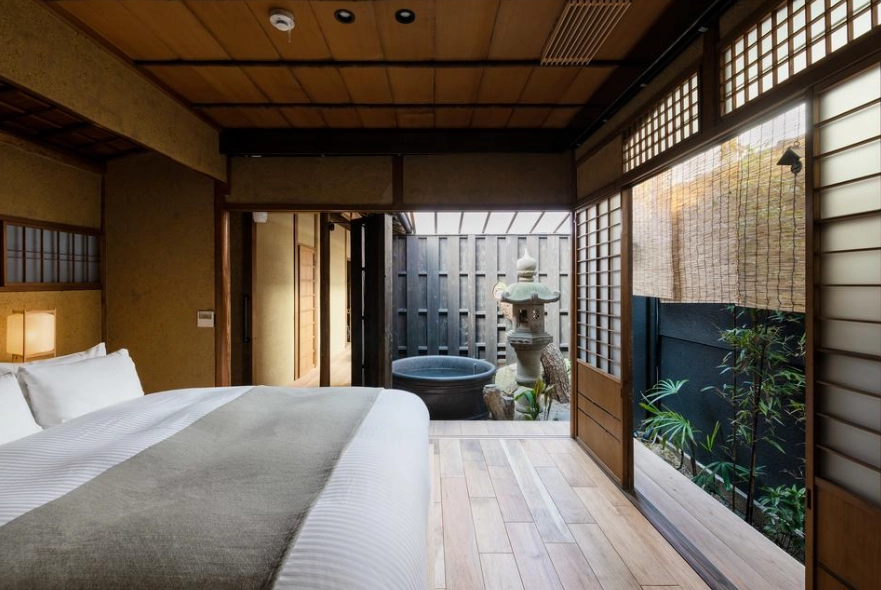
Expert Tips Most Blogs Won't Tell You
After dozens of stays, here are my hard-earned insights.
- Book directly when possible. Ryokans often hold their best rooms for direct bookings. I once got a room upgrade just by calling and speaking politely in broken Japanese. Third-party sites like Booking.com might not show all availability, especially for peak times.
- Understand the cancellation policy. It's strict. Often 7-14 days in advance for a full refund. Last-minute cancellations can cost 100%. Travel insurance is wise.
- Tipping isn't required. In fact, it can be awkward. Good service is expected. If you insist, a small gift from your home country is appreciated, but cash in an envelope is fine too.
- Don't overpack. You'll live in the yukata. Bring minimal toiletries; high-end ryokans provide quality shampoo, conditioner, and skincare. I made the mistake of bringing my full kit and never used it.
- Communicate dietary needs clearly. Use simple English or have your hotel concierge help translate. I'm vegetarian, and once got fish broth in every dish because I just said "no meat." Be specific: "no meat, no fish, no dairy" etc.
- Check the bath rules. Tattoos are still taboo in many onsens. Some ryokans offer private baths or tattoo covers, but ask ahead. Also, long hair should be tied up to avoid shedding in the bath.
One more thing: the silence. It's not uncomfortable, but it's noticeable. Embrace it.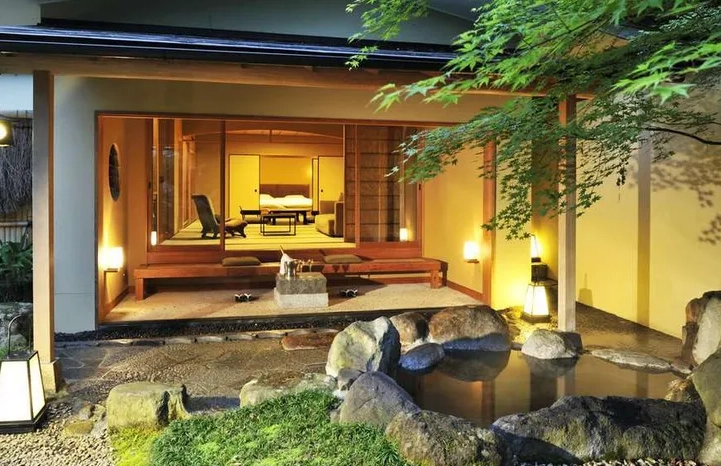
Your Burning Questions Answered
Luxury ryokans are an investment in an experience, not just a bed. Do your homework, book early, and go in ready to slow down. It's one of the few travel experiences that stays with you long after you've left.
If you're still unsure, start with a mid-range ryokan to test the waters. But once you go luxury, it's hard to go back. The attention to detail, the food, the sheer peace—it's why people return to Japan again and again.
Got more questions? Drop a comment below, and I'll try to help based on my trips. Safe travels, and enjoy that onsen soak.

Share Your Thoughts