Forget the sterile malls and overpriced souvenir shops. If you want to feel the pulse of Japan, you need to walk through its local markets. These are not just places to shop; they're living, breathing community hubs where you can taste, touch, and smell the authentic culture. From the legendary tuna auctions of old to the bustling alleyways packed with street food, local markets in Japan offer an experience that guidebooks can't fully capture. I've spent years getting lost in these places, from Hokkaido to Okinawa, and I'm here to tell you that navigating them today is an art form—one that rewards the curious traveler immensely.
Your Quick Market Guide
Why Visit Local Markets in Japan?
You might think a market is just a market. In Japan, that's a mistake. Each one tells a story. The Tsukiji Outer Market in Tokyo thrives on the energy of the world's most famous fish market's legacy. The Nishiki Market in Kyoto is a 400-year-old testament to refined Kyoto cuisine. They're windows into regional identity.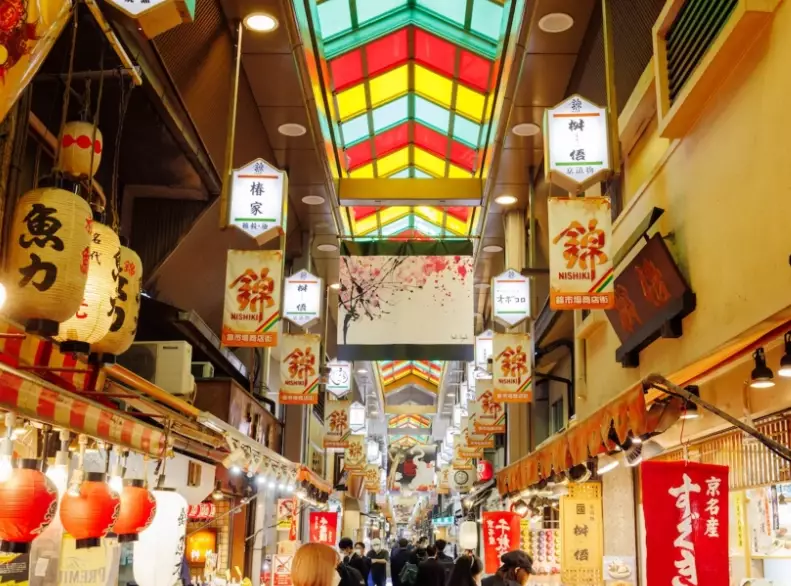
But here's the non-consensus bit most blogs miss: the real value isn't in the famous name. It's in the micro-interactions. The vendor who offers you a free sample of pickled plum, explaining which variety is less salty. The craftsman who shows you how the lacquer on a chopstick is applied. Markets are where Japanese omotenashi (hospitality) feels most genuine, not rehearsed. You're not just a tourist; you're a guest in their daily workspace.
For foodies, it's a no-brainer. You get sushi fresher and cheaper than most mid-range restaurants. For shoppers, it's about finding unique, handcrafted goods with a story—a hand-forged kitchen knife from Sakai, indigo-dyed textiles from Okinawa, or quirky vintage kimonos.
A Quick Reality Check
Markets can be overwhelming. They're crowded, noisy, and not always English-friendly. Some have become very touristy. The key is knowing which alleys to turn down and when to go. That's what separates a frustrating shuffle from an unforgettable adventure.
Top Local Markets to Explore Today
Your location dictates your options. Here’s a breakdown of the standout markets operating today, categorized by city. This isn't just a list; it's a cheat sheet based on recent visits and vendor chats.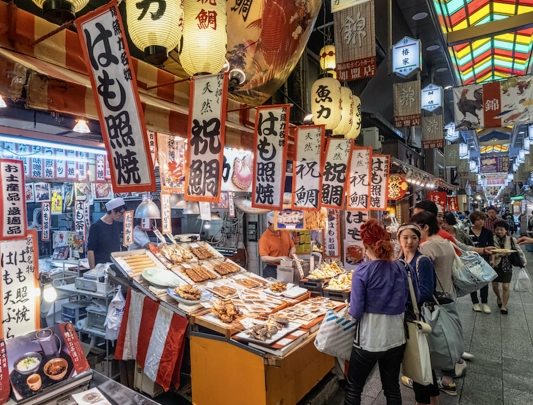
| Market Name & Location | Core Vibe & Specialty | Best Time to Visit | Don't Miss |
|---|---|---|---|
| Tsukiji Outer Market (Tokyo) 5-minute walk from Tsukiji Shijo Station. |
Seafood paradise. Post-wholesale market energy. Endless street food stalls and knife shops. | Weekday morning, 8 AM - 10 AM. Avoid weekends. | Fatty tuna skewers at Tsukiji Sushiko (¥500). A sushi breakfast at a small counter. Exploring the backstreets for wholesale vendors selling to the public. |
| Nishiki Market (Kyoto) Downtown Kyoto, running parallel to Shijo-dori. |
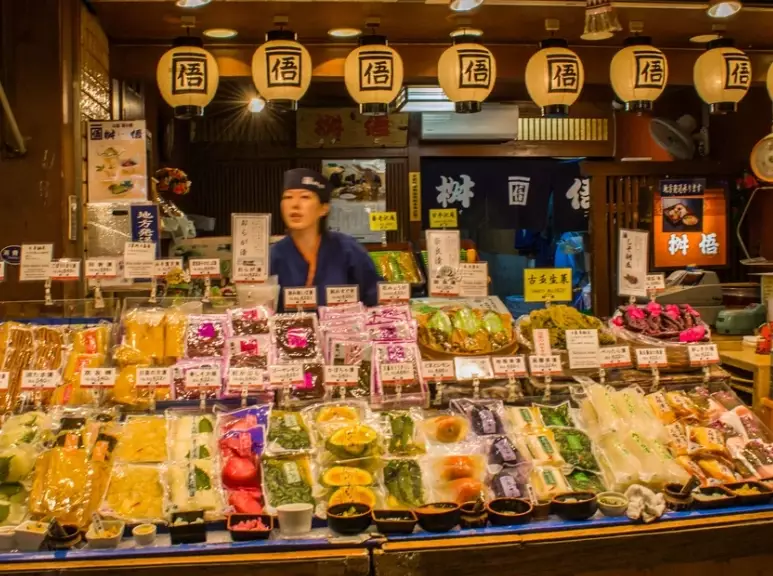
"Kyoto's Kitchen." Refined, historic, focused on local delicacies like tsukemono (pickles), yuba (tofu skin), and matcha. | Opening time (9 AM) on a weekday. Gets packed by 11 AM. | A box of assorted pickles from Tsukemono Ichiba. Freshly made tamagoyaki (sweet omelet) on a stick. Sampling various matcha sweets. |
| Kuromon Ichiba (Osaka) Near Nippombashi Station, Osaka. |
"Osaka's Kitchen" - louder, brasher, more theatrical than Kyoto. Famous for crab, giant scallops, and takoyaki. | Late morning. Many stalls open by 10 AM, good for lunch. | Grilled crab legs (Kani) from a stall. The infamous "Fugu" (pufferfish) skewers (for the brave). The incredibly fresh otoro (tuna belly) sashimi bowls. |
| Ameya Yokocho (Ueno, Tokyo) Under the train tracks between Ueno and Okachimachi stations. |
Bargain hunter's dream. Less touristy, more local. Mix of fresh produce, cheap clothing, snacks, and cosmetics. | Afternoon. Lively and less rushed than morning fish markets. | Seasonal fruit at bargain prices. Dried fish snacks. The chaotic, energetic atmosphere of old-school Tokyo. |
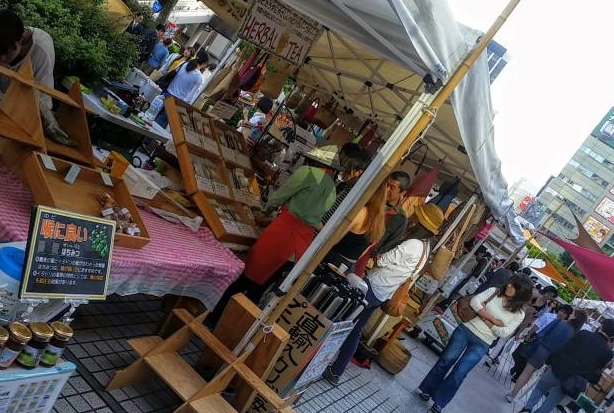
Beyond these giants, seek out weekend farmers' markets like the one at the United Nations University in Tokyo (Saturdays & Sundays) for organic produce and artisanal bread, or the Toji Temple Market in Kyoto on the 21st of each month for a massive flea market with antiques and food stalls.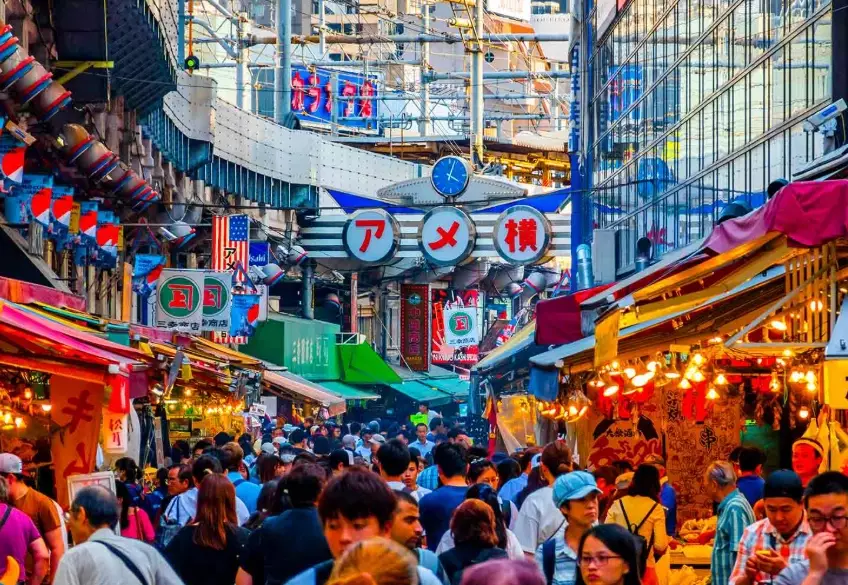
How to Navigate a Japanese Market Like a Pro
Walking into Tsukiji at noon on a Saturday is a recipe for claustrophobia. Here’s how the pros do it.
Timing is Everything: For major food markets, be there within 30 minutes of opening. The food is freshest, the crowds are thin, and vendors are most engaged. By 11 AM, it's a tourist parade. For non-food markets (like flea markets), mid-morning is fine.
Cash is King (Still): Don't assume digital payments. While IC cards (Suica) and QR codes are spreading, many old-school vendors, especially for street food, only accept cash. Bring plenty of ¥100 and ¥500 coins for small snacks.
The Path Less Traveled: The main artery of any market is for the masses. Your mission is to peel off into the side alleys. In Tsukiji, the real gems—the tiny sushi counters with five seats, the wholesale knife sharpeners—are tucked away from the main drag. In Nishiki, the best pickle shops are often the smaller, quieter ones in the middle sections.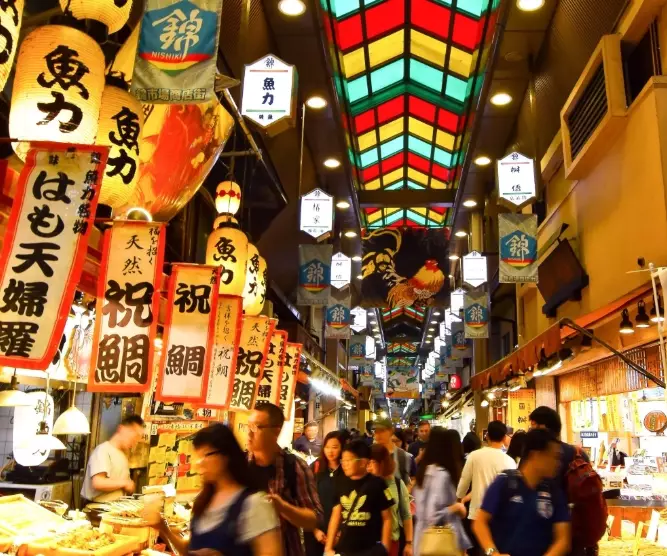
My Personal Strategy: The Loop and Linger
I do a full loop first without buying anything. I scan, I smell, I see where the locals are lining up. I make mental notes. Then, on the second pass, I stop and buy. This prevents you from filling up on the first delicious thing you see and missing the even better thing 10 stalls down.
What to Buy (And What to Skip)
Let's get specific. Your suitcase space is precious.
Worth Every Yen:
- Kitchen Knives: From Tokyo's Kappabashi or Osaka's Doguyasuji. A Sakai-made gyuto (chef's knife) is a lifetime investment. Expect to pay ¥15,000-¥40,000 for a good one. They can ship it internationally, handling the export paperwork.
- Authentic Foodstuffs: High-grade matcha powder, yuzu kosho (citrus chili paste), sansho pepper, or small-batch soy sauce. These pack flavor, not bulk.
- Tenugui: Thin cotton towels with beautiful traditional designs. Useful as scarves, wall art, or gift wraps. Cheap (¥500-¥1500) and uniquely Japanese.
- Handcrafted Ceramics: Look for pieces by individual artisans at flea markets like the Ohi Racecourse market in Tokyo. More character than mass-produced stuff.
Think Twice:
- "Kobe Beef" Skewers: For ¥500? That's not real, premium Kobe beef. It might be good beef, but manage expectations.
- Bulk Green Tea in Tourist Tins: Often low grade. Go to a specialist tea shop instead.
- Fragile, Large Pottery: Unless you're a dedicated packer, the risk of breakage is high.
Essential Market Etiquette & Tips
This isn't just about being polite; it's about blending in and having smoother interactions.
Pointing is Fine: If you don't know the name, point at what you want. A simple "kore, onegaishimasu" (this one, please) works perfectly.
Don't Haggle: Prices are fixed. Haggling is not part of the culture in these settings (except maybe at some flea market stalls for antiques).
Eat Where You Buy (or Step Aside): For street food, it's customary to eat it right in front of the stall or in a designated eating area. Don't walk while eating—it's considered messy. Finish your skewer, dispose of the stick in the bin provided at the stall, and move on.
Carry a Small Bag for Trash: Public trash cans are rare in Japan. Vendors will take the waste from their own product, but for your other wrappers, have a small bag with you.
Photography: Always ask before taking a close-up photo of a vendor or their products. A gesture with your camera and a questioning look is enough. Most will nod yes, but some prefer not to.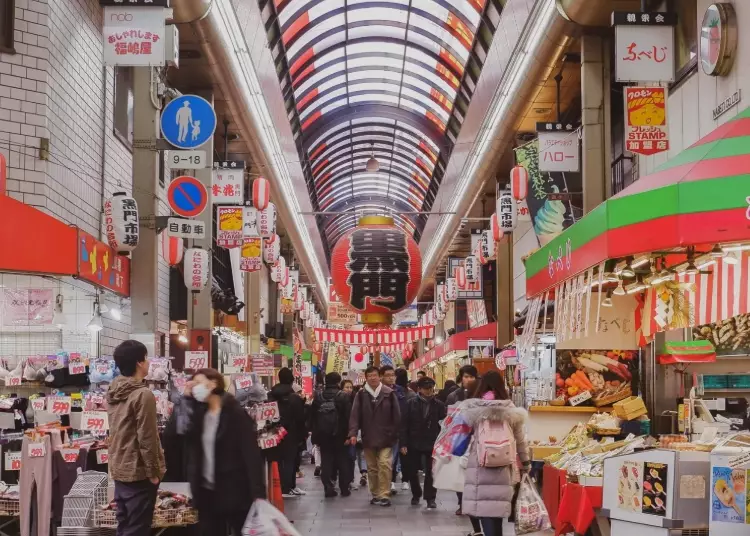

Share Your Thoughts