What You'll Find in This Guide
Let's cut to the chase. If you're landing at Tokyo's Narita or Haneda airport and wondering, "Is there Uber here?" the short answer is yes, but not in the way you might expect. Uber operates under a restricted model in Japan, and at the airports, it's more about booking licensed taxis than the ride-hailing service you're used to. I learned this the hard way on my first trip to Tokyo, when I stood outside Narita for 20 minutes waiting for an Uber that never showed up, while taxis zipped by. This guide will dive deep into what Uber really offers, compare all your options, and give you insider tips to avoid the hassle.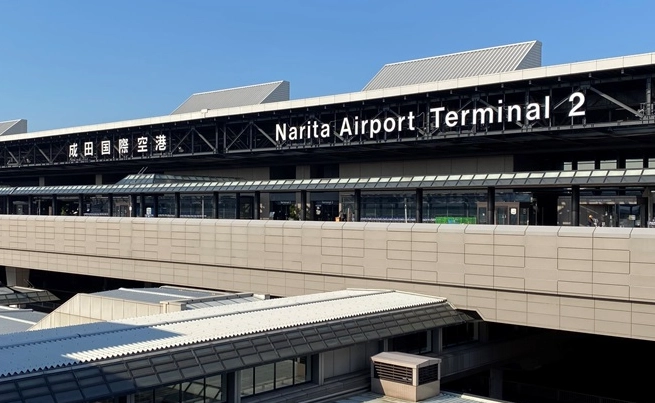
How Uber Works in Japan: A Unique Model
Uber entered Japan years ago, but due to strict regulations, it never took off like in other countries. The Japan Tourism Agency highlights that ride-sharing with private cars is largely illegal, so Uber adapted. Here's the breakdown.
Uber's Limited Service in Japan
You won't find UberX or UberPool in Tokyo. Instead, the app offers two main services: Uber Taxi and Uber Black. Uber Taxi lets you book a regular metered taxi through the app—it's essentially a convenience tool. Uber Black provides premium cars with professional drivers, but it's pricier and less common. During my stays, I've noticed Uber Black availability drops during rush hours, so don't count on it for a quick pickup.
Why Uber Isn't the Go-To Option
Many travelers assume Uber is universal, but in Japan, taxis are deeply ingrained in the culture. They're reliable, clean, and drivers are trained professionals. Uber often acts as a middleman, adding fees without much time savings. A local friend once told me, "Why use Uber when you can just wave down a taxi?" It's a valid point, especially at airports where taxi ranks are well-organized.
Tokyo Airport Transportation: Your Options Explained
Tokyo has two major airports: Narita International Airport (NRT), about 60 km east of the city, and Haneda Airport (HND), closer to downtown. Your choice of transport depends on budget, time, and convenience.
Narita International Airport (NRT) Options
Narita is farther out, so options vary more. Here's a quick comparison I put together based on recent trips.
| Transport Mode | Approx. Cost to Central Tokyo | Travel Time | Best For |
|---|---|---|---|
| Taxi (Metered) | 25,000 - 30,000 yen | 60-90 mins | Groups, late arrivals |
| Uber Taxi | Similar to taxi + fees | 60-90 mins | App convenience |
| Narita Express (Train) | 3,000 yen | 60 mins | Solo travelers, budget |
| Airport Limousine Bus | 1,000 - 3,000 yen | 80-120 mins | Hotels drop-off |
| Keisei Skyliner (Train) | 2,500 yen | 40 mins to Ueno | Speed to specific areas |
Uber at Narita: You can use the Uber app to book a taxi from designated pickup points, but I've found wait times can be longer than just queuing at the taxi stand. The app might show cars available, but drivers often cancel if traffic is bad.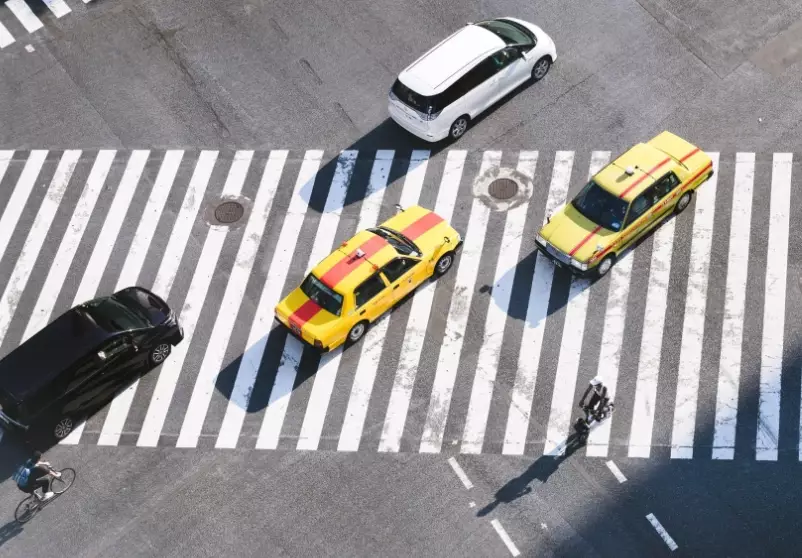
Haneda Airport (HND) Options
Haneda is closer, so options are cheaper and faster. Taxis cost around 8,000 to 15,000 yen to central Tokyo, taking 30-50 minutes. Uber works similarly here, but since Haneda is more central, taxis are plentiful. Trains like the Tokyo Monorail or Keikyu Line are under 500 yen and get you to downtown in 20-30 minutes—honestly, for solo travelers, this is the best deal. Buses are also available, but I prefer trains for reliability.
Pro Tip: If you're arriving late at night, taxis or pre-booked transfers are your only bet. Trains and buses stop running around midnight. I once missed the last train from Haneda and had to splurge on a taxi—it hurt the wallet, but it was worth it for the convenience.
Step-by-Step: Getting from Airport to Tokyo City
Let's walk through a realistic scenario. Say you land at Narita on a weekday afternoon, with luggage and jet lag. Here's what I'd do.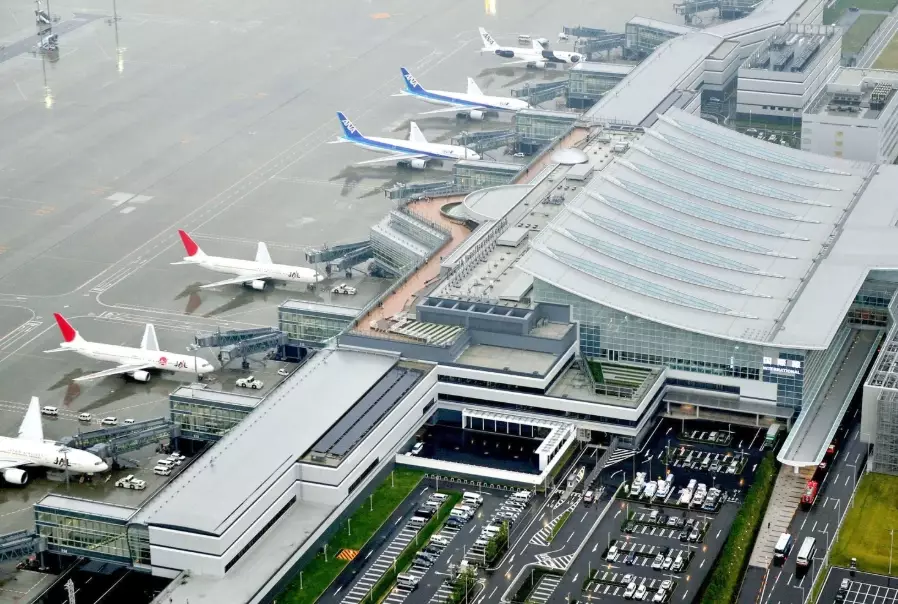
Step 1: Clear Customs and Collect Bags – This can take 30-60 minutes. Use free airport Wi-Fi to check Uber availability, but don't rely on it. Have a backup plan.
Step 2: Decide on Transport – If you're on a budget, head to the train station in the terminal. Buy a ticket for the Narita Express—machines have English options. If you prefer a taxi, follow signs to the taxi ranks; they're organized by destination zones. For Uber, open the app and set pickup to the designated area (usually near taxi stands), but be prepared for delays.
Step 3: Execute and Adjust – Trains run frequently, so you'll likely board within 10 minutes. Taxis are lined up, so wait time is minimal. With Uber, I've seen estimates of 5-15 minutes, but in reality, it can stretch to 20 if drivers are scarce. Once, my Uber driver got lost in the airport complex, adding 10 extra minutes of frustration.
Step 4: Arrive in Tokyo – Trains drop you at major stations like Tokyo or Shinjuku, where you can transfer to local lines. Taxis take you door-to-door. Uber does the same, but the experience feels less personal.
For Haneda, the process is similar but faster. The train stations are within walking distance from arrivals, so I usually skip Uber altogether.
Cost Breakdown: What You'll Really Pay
Cost is a big factor. Let's break it down with real numbers from my trips and reports from the Japan National Tourism Organization.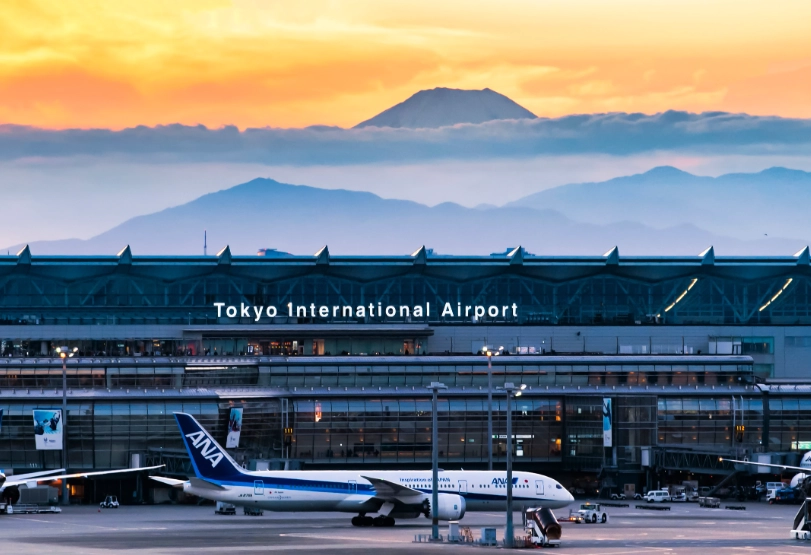
Taxi Fares: From Narita to Shinjuku, meter starts around 25,000 yen, but tolls and late-night surcharges can push it to 30,000 yen. From Haneda to Shibuya, it's about 8,000 to 12,000 yen. Taxis are metered, so no surprises.
Uber Pricing: Uber Taxi mirrors taxi meters, but adds a booking fee (usually 200-500 yen). Uber Black is more expensive—from Narita, a quote I got was 35,000 yen to central Tokyo. Surge pricing applies during peak times, so check the app before committing. I've seen fares double during rainy evenings.
Trains and Buses: Narita Express is 3,000 yen one-way; Keisei Skyliner is 2,500 yen. Buses start at 1,000 yen but take longer. For Haneda, trains are under 500 yen. If you're traveling with a group, taxis might be cost-effective when split, but for one or two people, trains win hands down.
Here's a personal anecdote. Last year, I traveled with two friends from Narita to our hotel in Asakusa. We considered Uber Black for comfort, but the quote was 40,000 yen. Instead, we took a taxi for 28,000 yen total—saved 12,000 yen and arrived just as fast. The driver even helped with our bags.
Common Pitfalls and How to Avoid Them
Many travelers make avoidable mistakes. Here are some I've witnessed or made myself.
Pitfall 1: Assuming Uber is Everywhere – Don't. In Japan, Uber's footprint is small. At airports, it's an option, but not the best one. Always have alternatives in mind.
Pitfall 2: Not Checking Train Schedules – Trains stop early. If you land after 11 PM, taxis or pre-booked transfers are your only choice. I learned this the hard way—missed the last train and paid a fortune for a taxi.
Pitfall 3: Overlooking Language Barriers – While many taxi drivers speak basic English, Uber app translations can be clunky. Have your destination address written in Japanese or saved on your phone. Taxi stands often have staff who can assist.
Pitfall 4: Ignoring Traffic – Tokyo traffic is notorious. From Narita, rush hour can add 30+ minutes to your trip. Trains are immune to this, so they're more reliable. Uber drivers might cancel if traffic is heavy, leaving you stranded.
My Advice: Book a taxi in advance through your hotel or a service like Japan Travel (official tourism site) for peace of mind. It's often cheaper and more reliable than Uber.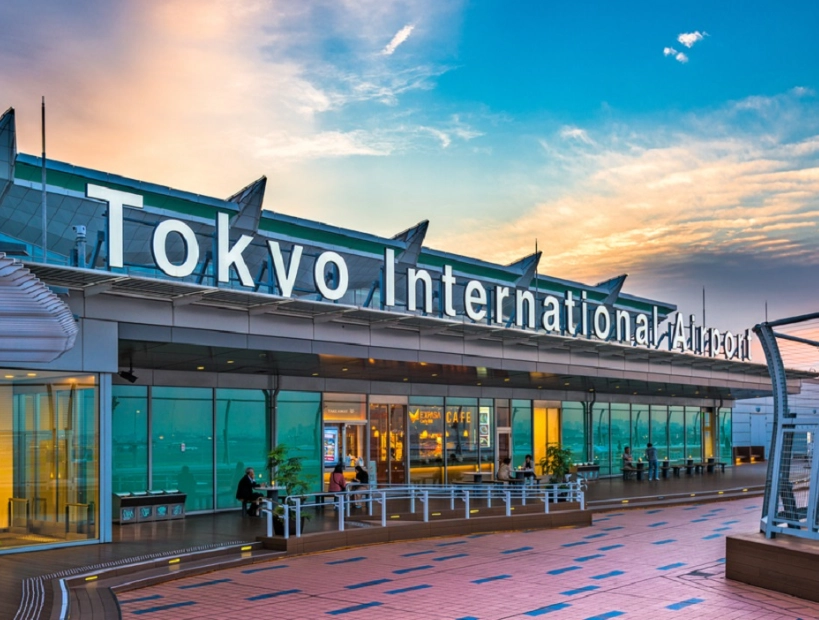
Frequently Asked Questions
Wrapping up, Uber at Tokyo airports is an option, but it's not the hero of your arrival story. Taxis and trains offer better value and reliability. Next time you land, skip the app hassle and go for the taxi rank or train station—you'll thank yourself later. Safe travels!




Share Your Thoughts