Japan's shopping scene is legendary, from cutting-edge electronics in Akihabara to exquisite ceramics in Kyoto. But that 10% consumption tax on your receipt can add up quickly. The good news? As a foreign tourist, you're likely eligible to get that tax refunded. The process, however, isn't always as straightforward as in some other countries. I've navigated it dozens of times, both smoothly and with frustrating hiccups. This guide cuts through the confusion and gives you the exact steps, insider tips, and crucial details most generic articles miss.
Your Quick Guide to Japan's Tax Refund
What Is the Japan Tourist Tax Refund?
Japan's Consumption Tax (消費税, shōhizei) is a flat 10% added to most goods and services. The Tax-Exemption System for Foreign Visitors allows short-term visitors (staying less than 6 months) to have this tax waived at the point of sale or refunded later for purchases of general goods and consumables, provided they are taken out of Japan. It's not a "refund" you claim at the airport customs office like in Europe. Instead, it's a point-of-sale exemption handled by the store, with customs verification required for high-value items. The Japan Tourism Agency provides the official framework for this system.
Key Difference: Many tourists think they pay the tax first and get cash back later. In most cases, you don't pay the tax at all if the store handles the exemption correctly. You see the tax-free price at checkout.
Are You Eligible for a Tax Refund?
Not every tourist and not every purchase qualifies. The rules are specific.
Tourist Status Requirements
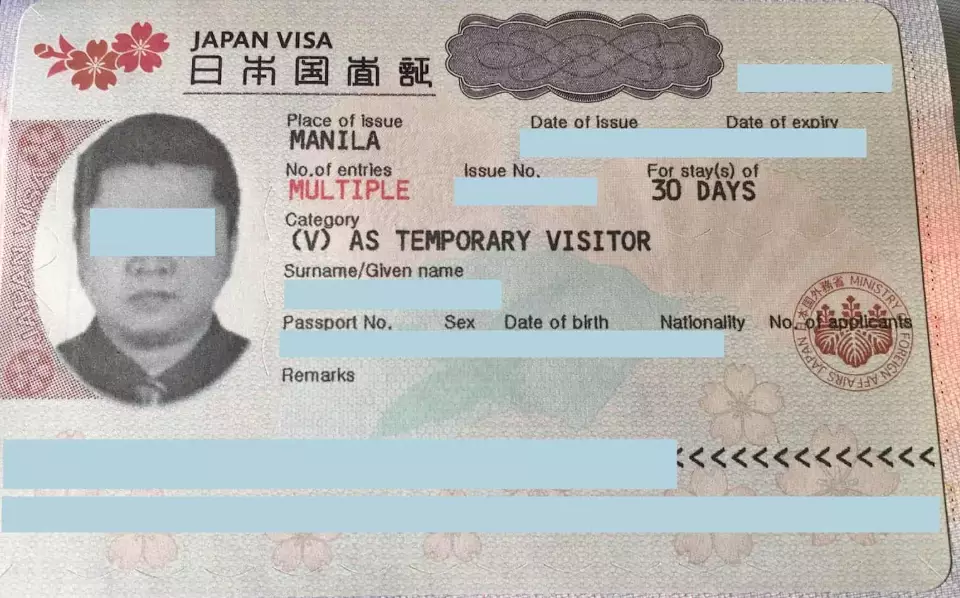
You must enter Japan with a "Temporary Visitor" status stamp or sticker in your passport. This is standard for tourist visas and visa-waiver entries. Your total stay in Japan must be less than 6 months. Resident card holders (even short-term) are not eligible.
Purchase Amount & Category Rules
This is where people get tripped up. Japan has two categories with different thresholds:
| Category | What It Includes | Minimum Spend Per Receipt | Key Rule |
|---|---|---|---|
| General Goods | Electronics, clothing, bags, watches, jewelry, souvenirs (non-edible). | ¥5,000 (before tax) | Items must be unused and taken out of Japan in your checked or carry-on luggage. |
| Consumables | Food, drinks, cosmetics, medicines, cigarettes. | ¥5,000 (before tax) | Items must be sealed in a special opaque bag at the store and cannot be consumed in Japan. They must leave with you. |
The ¥5,000 minimum is per transaction at a single store, not per day or per trip. You cannot combine receipts from different branches of the same chain (like two different Don Quijote stores) to reach the threshold.
A Common Misconception: The "Tax Free" sticker on a store's window doesn't mean everything inside is automatically tax-free for you. It means the store participates in the system. You still need to meet the individual purchase minimums and present your passport.
The Step-by-Step Tax Refund Process
Here’s exactly what happens, from the shop floor to the airport.
Step 1: At the Store – Making the Purchase
Always have your physical passport with you when shopping. A photo or copy won't work. When you're ready to pay, tell the cashier "tax-free" or look for a separate counter often labeled "Tax-Free Counter." They will:
- Scan your passport and attach a purchaser's record (購入者記録票) to a designated page. This is a small slip of paper.
- For consumables, they will seal your items in a clear plastic bag with a special sticker. They will remind you not to open it in Japan.
- You pay the price excluding the 10% consumption tax. The tax-free total will be on your receipt.
I once forgot my passport while shopping in Shibuya. The store held my items for an hour while I ran back to my hotel. Don't be me.
Step 2: At the Airport – Customs Verification
This step is often misunderstood. You do not get cash back at a "Tax Refund" counter. The process is for verification.
Pack all your tax-free general goods in an accessible place in your carry-on or checked luggage. You must have the items and your passport with the attached slips available for inspection if asked.
Before you check in your luggage, find the Customs Declaration Counter. Usually, there's a dedicated area. A customs officer may ask to see the high-value general goods you purchased (especially items like luxury watches or high-end electronics) and the corresponding slips in your passport. They will stamp and remove the purchaser's record slips.
For consumables sealed in the special bag, you just need to ensure they remain sealed and are in your luggage leaving Japan. They are typically not inspected separately.
My advice: For general goods under ¥200,000 in total value, customs rarely does a physical check in my experience. But you must be prepared for it. The rule is there, and failing to present items can lead to the tax being retroactively charged to the store, which could blacklist your passport.
How Much Money Do You Actually Get Back?
You save the full 10% consumption tax, but there's a catch most guides don't mention: the handling fee.
Many stores, especially larger electronics retailers and department stores, use a third-party service (like Global Blue or others) to process the tax exemption. These services charge the store a fee, and some stores pass a portion of this on to you, typically around 1.5% to 2.2% of the tax-free price.
Example Calculation: You buy a camera for ¥110,000 (¥100,000 + ¥10,000 tax).
- Tax-free price: ¥100,000
- Store handling fee (2.2%): ¥2,200
- Amount you pay: ¥100,000 + ¥2,200 = ¥102,200
- Your effective savings: ¥10,000 (tax) - ¥2,200 (fee) = ¥7,800, or about 7.1%.
Smaller, independent shops often don't charge this fee, so you save the full 10%. It's worth asking, "Is there a handling fee?" (手数料はありますか? Tesūryō wa arimasu ka?).
Where to Shop Tax-Free in Japan
Look for the red-and-white "Japan Tax-Free Shop" logo. Major areas include:
- Electronics & General Goods: Bic Camera, Yodobashi Camera, Yamada Denki (LABI), Don Quijote (Donki).
- Department Stores: Mitsukoshi, Takashimaya, Isetan, Daimaru. They usually have a centralized tax-free counter on a specific floor, often requiring you to pay the full price first and then get a cash refund at the counter—a slightly different but common process.
- Drugstores & Cosmetics: Matsumoto Kiyoshi, Sugi Pharmacy, @Cosme stores.
- Shopping Complexes: Tokyo's Ginza Six, Osaka's Daimaru Umeda, Kyoto's BAL.
Don Quijote is a tourist favorite because it sells everything from snacks to luxury bags all under one roof, making it easy to hit the ¥5,000 minimum.
Share Your Thoughts