Quick Overview
- The Biggest Change: Yes, You Need a Permit (Sort of)
- Picking Your Path: The Four Main Trails to the Summit
- Your Non-Negotiable Gear Checklist
- The Real Cost of Climbing Mount Fuji
- A Step-by-Step Timeline: What a Two-Day Climb Actually Looks Like
- Frequently Asked Questions (The Stuff You're Actually Wondering)
- Final Thoughts: Is It Worth It?
Let's cut right to the chase. Can you go hiking on Mount Fuji? The short, simple answer is yes, but only during a very specific time of year and under a set of rules that have gotten stricter recently. It's not a mountain you can just rock up to on a random Tuesday in November and start climbing. I learned that the hard way a few years back, showing up in late September only to find the trails closed and the mountain huts shuttered. A real bummer after a long trip.
So, if you're dreaming of standing on that iconic summit, watching the sunrise (the famous Goraiko), you need a plan. A good one. This isn't a casual stroll. It's a serious high-altitude hike that demands respect, preparation, and timing. This guide is the one I wish I had before my first attempt. We'll dig into the nitty-gritty: the exact season, the new mandatory stuff you have to do, which trail to pick, what to pack, how much cash you'll need, and how to not feel like death warmed up at the top.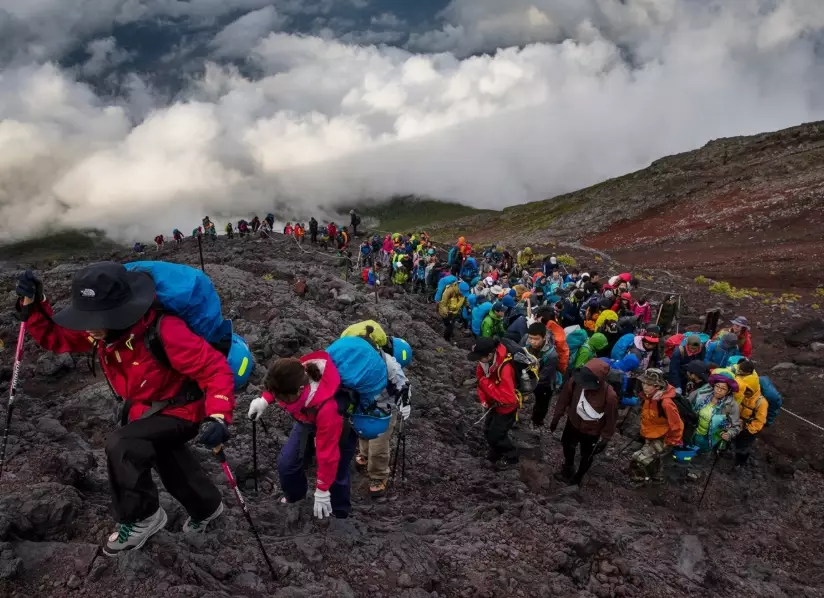
The Core Fact: The Official Climbing Season
Mount Fuji's official hiking season is incredibly short. For the most popular Yoshida Trail on the Yamanashi Prefecture side, it typically runs from July 1st to September 10th. For the Subashiri, Gotemba, and Fujinomiya trails on the Shizuoka Prefecture side, it's usually July 10th to September 10th. These dates can shift slightly year-to-year based on snowmelt and weather, so always check the official sources like the Official Mount Fuji Climbing Website before you finalize your plans. Outside these dates, the trails are officially closed. No huts, no rescue services, and often blocked access at the 5th stations. It's dangerous and strongly discouraged.
The Biggest Change: Yes, You Need a Permit (Sort of)
This is the new reality for climbing Mount Fuji, and it's the most important answer to "can you go hiking on Mount Fuji?" Starting from the 2024 season, a mandatory reservation and fee system is in place for the Yoshida Trail during the peak period. It's not a "permit" in the traditional wilderness sense, but a slot reservation with a fee to manage the insane crowds. Think of it like buying a timed entry ticket to a very popular, very tall museum.
Here’s how it works: If you plan to start your hike from the Yoshida 5th Station between 3:00 AM and 2:00 PM, you must book your entry slot in advance online. The cost is 2,000 yen per person (about $13 USD). This fee is partly to control numbers and partly to fund conservation and facilities. If you start before 3:00 AM (a common strategy for a sunrise summit), you don't need this specific reservation, but you'll likely need a hut reservation to be hiking at that hour anyway.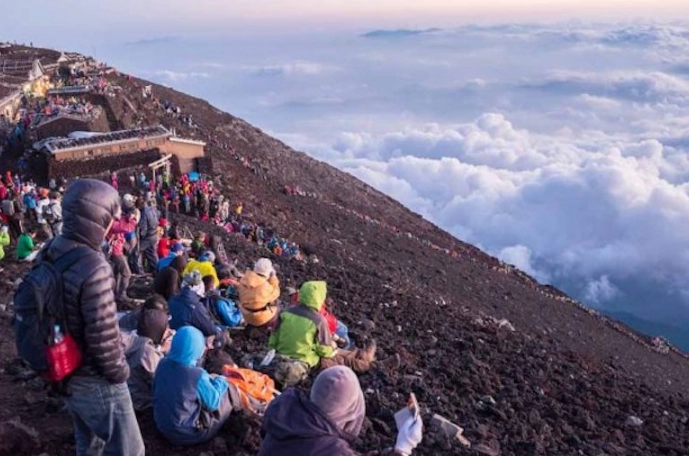
The other trails (Subashiri, Gotemba, Fujinomiya) do not have this timed entry system as of now, but always verify the latest rules on the Shizuoka Prefecture official website. The rules are evolving.
Picking Your Path: The Four Main Trails to the Summit
So, you've got your timing down. Now, which road up? Mount Fuji has four main climbing trails, each starting from a different "5th Station" (the point where most vehicular access ends and the hiking begins). Your choice affects everything: difficulty, crowds, scenery, and even sunrise views.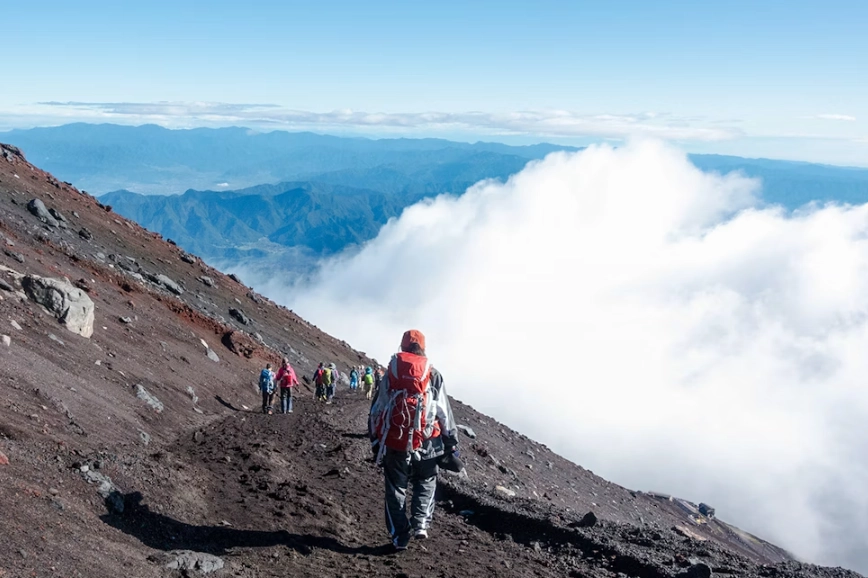
| Trail Name | Starting 5th Station | Ascent Time | Difficulty & Crowds | Best For... |
|---|---|---|---|---|
| Yoshida Trail | Fujiyoshida (Yamanashi) | 5-7 hours | Medium difficulty, VERY crowded. Most facilities. | First-timers, those wanting maximum hut options, easy bus access from Tokyo. |
| Subashiri Trail | Subashiri (Shizuoka) | 5-7 hours | Medium. Less crowded until it merges with Yoshida near the top. Forest start. | Hikers wanting a quieter start who don't mind merging with crowds later. |
| Gotemba Trail | Gotemba (Shizuoka) | 7-9 hours | Most difficult & longest. Least crowded. | Experienced hikers seeking solitude and a serious challenge. Be prepared! |
| Fujinomiya Trail | Fujinomiya (Shizuoka) | 4-6 hours | Steep & rocky. Medium crowds. Shortest ascent. | Those short on time, coming from the south/west (Osaka, Nagoya). |
I've done the Yoshida and Subashiri trails. Yoshida felt like a highway of people at times—inspiring in a way, but also a bit much. Subashiri was more peaceful for the first two-thirds, which was lovely. But then you hit the merge point and, boom, you're back in the conga line. Something to be aware of.
The Mountain Hut Question: To Stay or Not to Stay?
This is a major decision point. Most people asking "can you go hiking on Mount Fuji?" are thinking of the classic bullet climb (climbing through the night to see the sunrise) versus the two-day climb with a hut stay.
- Bullet Climb (No Hut): You start in the late afternoon or evening, hike through the night with a headlamp, and summit for sunrise. Pros: Saves money on a hut. Cons: Extremely tiring, higher risk of altitude sickness from rapid ascent, cold, and you miss the social experience. Not recommended for beginners.
- Two-Day Climb (With Hut): You start in the morning, hike to a hut around the 7th or 8th station (2,700m - 3,100m), rest for a few hours in a shared dormitory bunk, then wake up around 1-2 AM to finish the ascent for sunrise. Pros: Allows for acclimatization, breaks up the effort, provides shelter. Cons: Cost (8,000 - 13,000 yen with meals), basic conditions (you sleep fully clothed in a row of people).
I strongly recommend the hut stay for your first time. The partial acclimatization is a big deal. Trust me, altitude sickness can ruin your trip. And booking huts is competitive—do it months in advance, especially for weekends. Sites like Japan Travel often have good overviews of the hut system.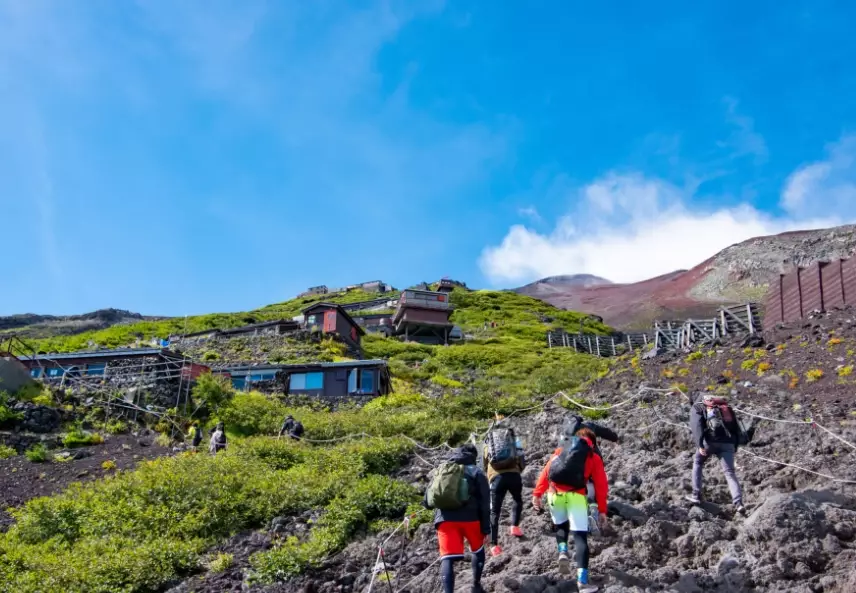
Let's Talk About Altitude Sickness
This isn't a joke. The summit is 3,776 meters (12,389 feet). Many people will feel some effects: headache, nausea, dizziness, shortness of breath. The best prevention is a slow ascent. That's why the hut stay helps. Climbing from 2,300m (5th Station) to 3,776m in one push is asking for trouble. Drink tons of water, avoid alcohol, and listen to your body. If symptoms get bad, descend immediately. It's the only real cure. Don't be a hero.
Your Non-Negotiable Gear Checklist
Forget jeans and sneakers. The weather near the summit is notoriously harsh and unpredictable, even in summer. Temperatures can be at or below freezing with strong, icy winds. Here’s what you absolutely need:
The Essentials (Don't Leave the 5th Station Without These)
- Sturdy Hiking Boots: Ankle support is crucial on the loose volcanic scree.
- Layered Clothing: Base layer (moisture-wicking), insulating mid-layer (fleece, down), waterproof/windproof outer shell. NO COTTON.
- Warm Hat & Gloves: It's seriously cold up there before sunrise.
- Headlamp: With extra batteries. Essential for night hiking.
- Rain Gear: Poncho or jacket/pants. Storms roll in fast.
- Water & Snacks: At least 2 liters of water. High-energy snacks (nuts, bars, chocolate).
- Sun Protection: High-SPF sunscreen, sunglasses, lip balm. The UV is intense.
- Cash: For toilets (200-300 yen each use), extra water/snacks at huts, donations.
- Trash Bag: There are no trash cans on the mountain. Pack everything out.
Optional but highly recommended: hiking poles (a lifesaver on the descent), a small first-aid kit, portable oxygen (can be bought at 5th station shops), and a power bank for your phone.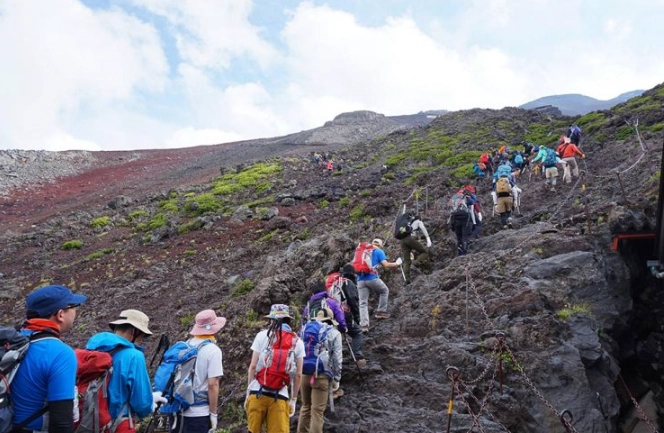
The Real Cost of Climbing Mount Fuji
Let's talk money. Climbing Fuji isn't wildly expensive, but costs add up. Here's a rough breakdown for one person on a two-day climb with a hut stay, using the Yoshida Trail from Tokyo.
| Expense Item | Approximate Cost (Yen) | Notes |
|---|---|---|
| Round-trip bus from Tokyo (Shinjuku) to 5th Station | 3,800 | Book in advance during season. |
| Mandatory Yoshida Trail Timed Entry Fee (if applicable) | 2,000 | Only for 3am-2pm starts on Yoshida. |
| Mountain Hut (with two meals) | 9,000 - 13,000 | Price varies by location and amenities. |
| Food, Water, Snacks (brought from Tokyo) | 2,000 - 3,000 | Water is heavy; consider buying some on mountain. |
| Toilet Fees (5-6 uses) | 1,000 - 1,500 | Always have 100 yen coins handy. |
| Souvenirs, Extra Snacks on Mountain | 1,000 - 2,000 | That summit stick with branded stamps is tempting! |
| Total Estimated Range | 19,000 - 25,000 Yen | ~$120 - $160 USD. Bullet climb saves hut cost. |
A Step-by-Step Timeline: What a Two-Day Climb Actually Looks Like
To make "can you go hiking on Mount Fuji" feel real, here's a sample schedule for a classic two-day Yoshida Trail climb with a hut stay.
Day 1: The Ascent to the Hut
Morning (8:00 AM): Take the direct bus from Shinjuku Highway Bus Terminal to Fuji Subaru Line 5th Station (Yoshida Trail). The ride is about 2.5 hours.
Late Morning (10:30 AM): Arrive at 5th Station (2,305m). Use the toilet, buy last-minute supplies, get your wooden hiking staff if you want one. Start hiking by 11:00 AM. Pace yourself!
Afternoon (11:00 AM - 4:00 PM): Hike steadily to your reserved mountain hut at the 8th station (around 3,100m). This takes about 4-5 hours with breaks. The terrain is a mix of dirt trail and volcanic rock.
Evening (4:00 PM - 1:00 AM): Check into the hut. Eat the provided simple dinner (often curry or stew). Try to rest and sleep in the communal bunk. Drink water. This is acclimatization time.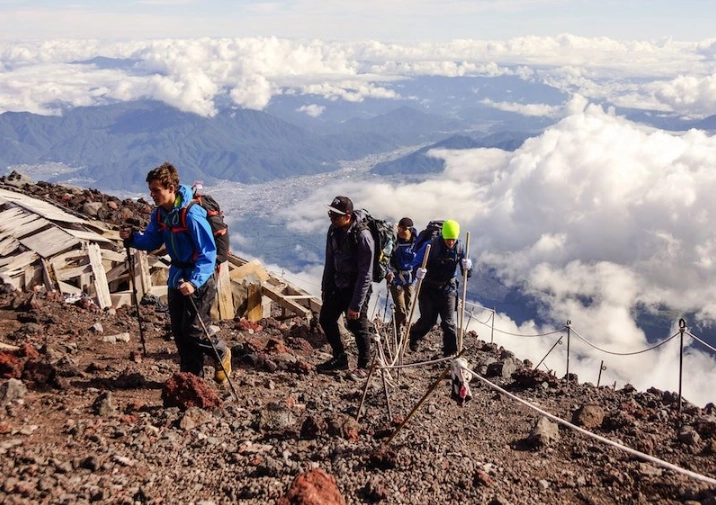
Day 2: Summit Sunrise and the Long Descent
Very Early Morning (1:00 AM - 4:00 AM): The hut staff wakes everyone. Have a quick breakfast, pack up, and join the line of headlamps snaking up the mountain. This final push is slow due to traffic and altitude.
Sunrise (4:30 AM - 5:30 AM): Reach the summit crater rim just before sunrise. Find a spot (it's crowded) and witness the breathtaking Goraiko. It's magical, despite the crowds.
Morning (6:00 AM - 8:00 AM): Explore the summit. Walk around the crater (about an hour), visit the highest post office, get your staff stamped at the summit, have a hot drink at the shop.
Late Morning (8:00 AM onwards): Begin the descent. The Yoshida descent trail is separate and is a brutal, endless switchback of loose scree. It's hard on the knees and takes 3-4 hours.
Afternoon (12:00 PM - 1:00 PM): Arrive back at the 5th Station. Exhausted, triumphant. Catch a bus back to Tokyo.
Frequently Asked Questions (The Stuff You're Actually Wondering)
Final Thoughts: Is It Worth It?
So, can you go hiking on Mount Fuji? Absolutely. Should you? That depends.
It's a tough, crowded, expensive, and sometimes uncomfortable experience. The huts are basic, the toilets are pay-per-use, the descent is tedious, and you might get a headache from the altitude.
But.
Seeing that first sliver of light break over the horizon from the top of Japan, standing on an active volcano that's a spiritual symbol for an entire nation, sharing a moment of exhausted triumph with hundreds of people from around the world… that's powerful stuff. It's a unique cultural and physical challenge.
My advice? If you're fit, you prepare meticulously (book that hut early!), you respect the mountain's rules and dangers, and you go in with realistic expectations (it's not a wilderness solitude trip), then yes—hiking Mount Fuji can be an unforgettable chapter in your travel story. Just don't expect it to be easy.



Share Your Thoughts