Let's cut to the chase. You're not just looking for a ski trip. You're after that specific, almost mythical experience: floating through waist-deep, dry Hokkaido powder all day, muscles aching in the best way, and then surrendering your entire body to the steaming, mineral-rich embrace of a natural hot spring as snowflakes dust your head. It's not just recreation; it's a form of physical and mental reset that's hard to find anywhere else. Hokkaido delivers this in spades, but choosing the right resort with the right onsen setup makes all the difference between a good trip and a legendary one.
Your Quick Guide to Ski & Soak Bliss
Why Hokkaido's Ski & Onsen Combo is Unbeatable
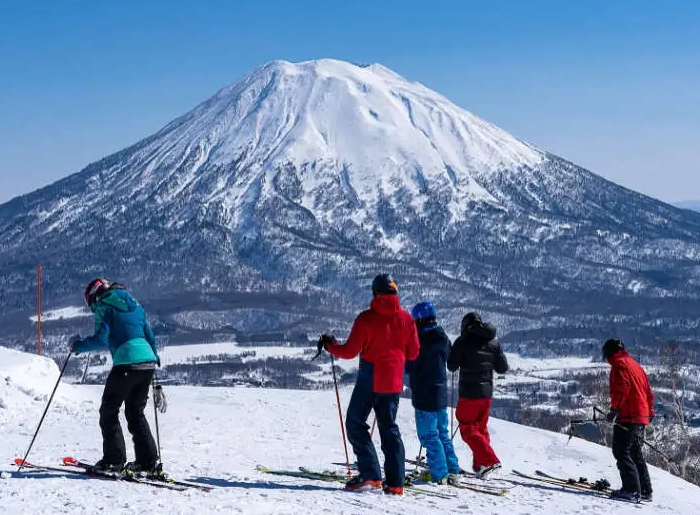
It starts with the snow. Hokkaido's location means it gets consistent, cold air from Siberia picking up moisture over the Sea of Japan. The result? The famous "Japow" – incredibly light, dry powder that feels like skiing on clouds. You fall, you laugh, you get up without being soaked. This happens reliably, season after season.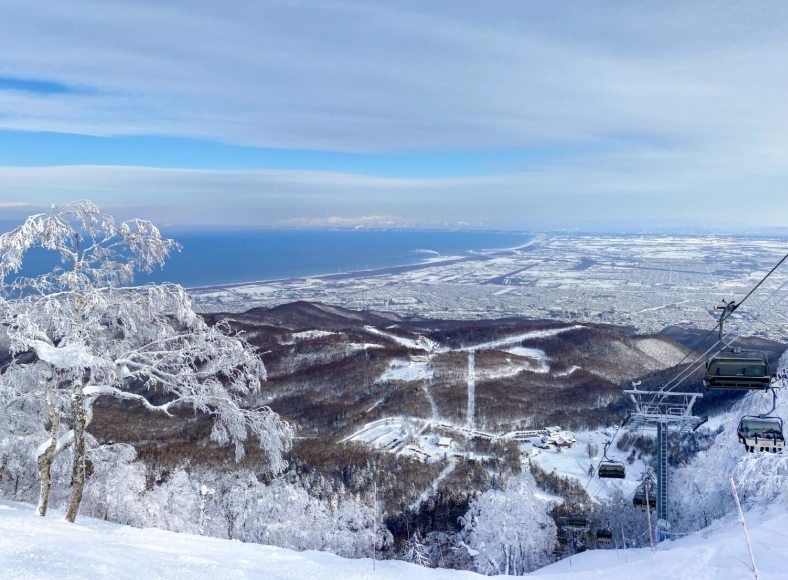
Now, add the onsen. These aren't just hot tubs. They're geothermally heated pools, often outdoors (rotenburo), filled with water rich in minerals like sodium chloride or sulfur. The heat works deep into your tired muscles, accelerating recovery so you can do it all again tomorrow. The mental effect is just as powerful. Sitting in an outdoor bath, watching steam rise into a starry sky or a snowy forest, is pure meditation. It's the perfect bookend to an adrenaline-filled day.
A Local Insight: Many first-timers think any hotel with a hot bath qualifies. The magic is in the natural onsen. Check if the hotel advertises a "tennen onsen" (天然温泉), meaning the water is sourced directly from a spring, not reheated tap water. The mineral content is what provides the therapeutic benefits.
The Resort Showdown: Niseko vs. Rusutsu vs. Furano & More
Picking a resort is your biggest decision. Each has a distinct personality. Here’s a blunt comparison based on over a decade of chasing powder and hot springs across the island.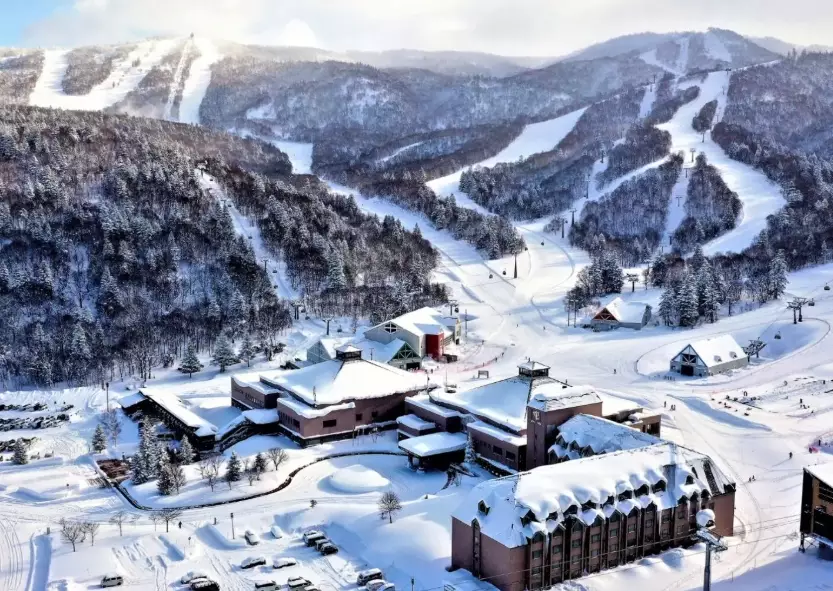
| Resort Area | Best For | Onsen Vibe & Key Spots | Ski Terrain & Lift Ticket (Approx.) | Getting There (From Sapporo) |
|---|---|---|---|---|
| Niseko United (Grand Hirafu, Hanazono, Niseko Village, Annupuri) | International crowds, vibrant nightlife, massive terrain. | High-end hotel onsens (Hilton, Kasara), public onsens like Yukichichibu. Luxurious but can be busy. | All-mountain pass: ~¥8,500/day. Legendary powder, tree skiing (with guide), four interconnected zones. | 2.5-hour bus or train+bus. Chuo Bus is most direct. |
| Rusutsu Resort | Families, uncrowded slopes, incredible tree skiing. | The onsen inside the resort hotel is vast and fantastic. Multiple indoor/outdoor baths. Convenience is king here. | Day pass: ~¥7,000. Famous for perfectly spaced glades. Less extreme, more fun-focused terrain. | 1.5-2 hour bus or rental car. Easier day trip from Sapporo. |
| Furano | Authentic Japanese town feel, balanced slopes, fewer crowds. | Furano Prince Hotel onsen is slopeside. Town also has great public bathhouses (sento) like Furanoyu. | Day pass: ~¥6,000. Great mix for all levels. Consistent snow, but less annual snowfall than west coast. | 2-hour train (Lilac or Furano Lavender Express) from Sapporo Station. |
| Kiroro Resort | Powderhounds, serenity, modern facilities. | The Sheraton and Tribute Portfolio hotels have stunning outdoor onsens with mountain views. Peaceful and scenic. | Day pass: ~¥6,500. Arguably the lightest snow in Hokkaido. Less developed, more pure skiing. | 1.5-hour bus from Sapporo or Otaru. Not as frequent service. |
My personal take? Rusutsu is the underrated champion for the ski-in/onsen-out experience. The resort feels contained, the tree runs are joyous, and stumbling from the slopes directly into their massive onsen complex is unbeatable for pure convenience. Niseko has the scale and energy, but you pay for it in crowds and price.
The Hidden Gem: Tomamu
Don't overlook Tomamu. It's not just a summer spot. The Hoshino Resorts RISONARE Tomamu has incredible private onsen tubs in some rooms (if you splurge), and the public "Mina-Mina Beach" indoor wave pool complex includes a serene indoor onsen area. The skiing is family-friendly, and the iconic Ice Village is a unique evening activity. It's a more curated, resort-style experience perfect if you want everything in one place without needing a car.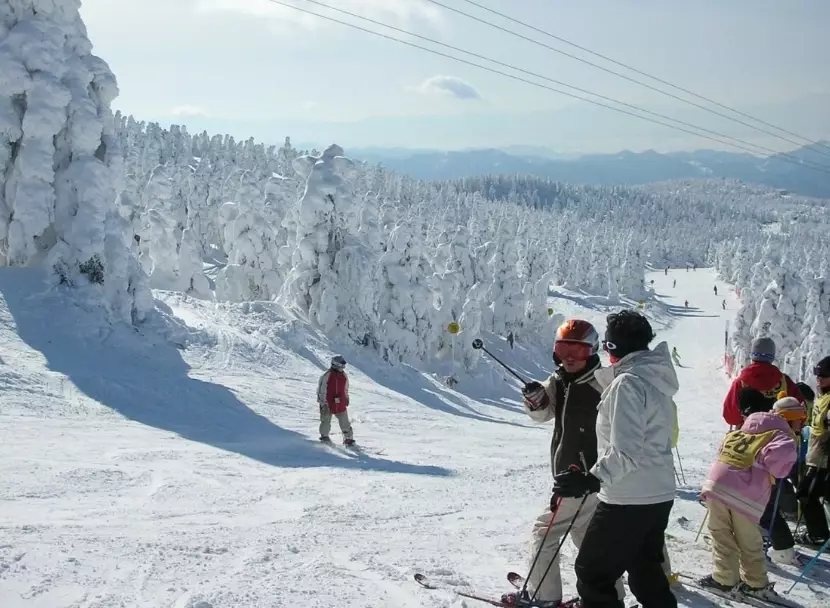
Planning Your Itinerary: Transport, Tickets, and Timing
You've picked a resort. Now, how to make it happen without stress?
Getting There: Fly into New Chitose Airport (CTS). From there, you have options. Pre-booked resort shuttle buses are the easiest for Niseko, Rusutsu, and Kiroro. For Furano, the train is a scenic and reliable choice. Here's a non-consensus opinion: consider renting a car. Yes, driving in snow seems daunting. But with winter tires (mandatory) and caution, it unlocks freedom. Want to ski a local onsen in a tiny town? Fancy a day trip to another resort? A car makes it possible. Parking at most resort hotels is free. Just get an International Driving Permit before you leave home.
Ski Tickets: Buy multi-day lift tickets online in advance. Almost all resorts offer them. For Niseko, Rusutsu, and Tokachi areas, you can buy multi-day lift tickets. Almost all ski resorts offer them. For Niseko, Rusutsu, and Tokachi areas, you can buy multi-day lift tickets. Almost all ski resorts offer them. For Niseko, Rusutsu, and Tokachi areas, you can buy multi-day lift tickets in advance, often at a 10-20% discount. Don't wait to buy at the window.
Accommodation: This is where you lock in the onsen experience. Prioritize hotels with their own natural onsen. "Ski-in/ski-out" is the golden phrase. Waking up, clicking into your skis, and starting your run from the hotel door is a luxury that pays for itself in saved time and energy. Properties like The Vale in Niseko, Rusutsu Resort Hotel, or the Kiroro Sheraton are prime examples.
Expert Tips for the Perfect Après-Ski Soak
You're at the onsen. Now what? Beyond the basic etiquette (wash thoroughly before entering, no towels in the water, no staring), here are some pro-tips.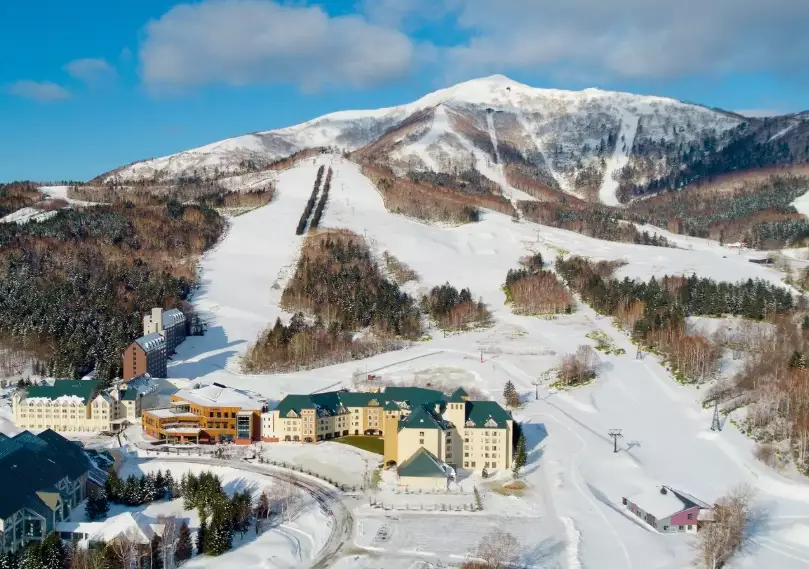
Timing is Everything. The onsen is most crowded right after the slopes close (4-6 PM). For a more peaceful experience, go later after dinner, or even better, in the morning before breakfast. A sunrise soak is a spiritual experience.
Hydrate, Hydrate, Hydrate. Onsens are dehydrating. Always drink a large glass of water before entering and another one after. Many onsens have cold water dispensers inside the bathing area for this reason.
The Cool-Down Ritual. Don't jump straight from the scorching bath into the changing room. Dip into a cooler bath if available, or just sit on the edge for a few minutes to let your body temperature normalize. It prevents dizziness and makes the transition more comfortable.
Skip the Soap After. You've already washed. After your final soak, just rinse with warm water. Don't soap up again—you'll wash off the beneficial minerals that are still absorbing into your skin.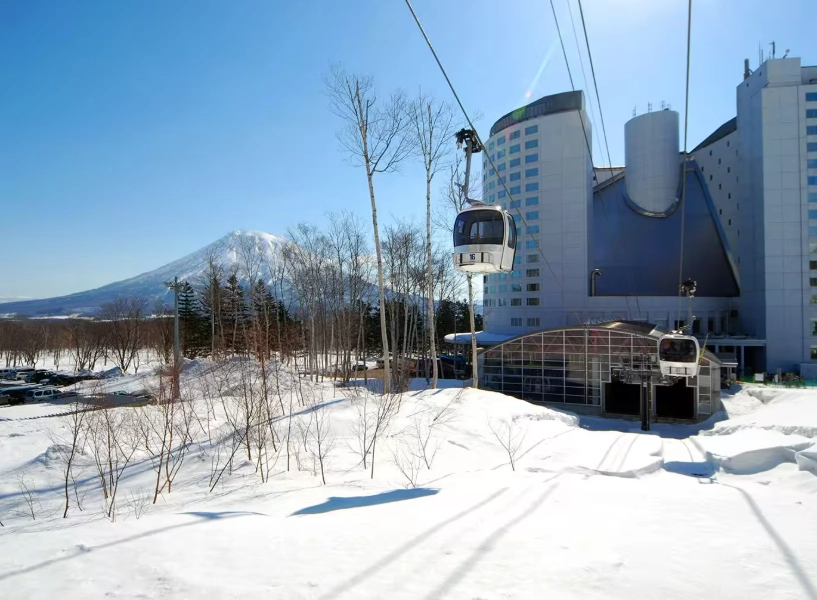
Your Ski & Onsen Questions Answered

Share Your Thoughts