Forget the crowded temples and expensive department stores for a moment. If you want to feel the pulse of Tokyo's everyday life and hunt for anything from vintage kimonos to retro vinyl, the Ohi Racecourse Flea Market is your destination. Held on the sprawling grounds of a horse racing track, this isn't a curated boutique experience—it's a massive, sprawling, wonderfully chaotic bazaar that feels like a treasure hunt on a grand scale.
I've lost count of my visits over the years. I've gone home with a pristine 1970s Seiko watch, a stack of Japanese pottery for the price of a coffee, and once, a slightly bewildering collection of vintage fishing lures. I've also gone home empty-handed but thoroughly entertained. This guide is everything I wish I knew before my first trip, mixed with the hard-won lessons from subsequent visits.
What's Inside This Guide?
The Essentials: When, Where, and How to Get There
Let's get the logistical details out of the way first. This market operates on a specific schedule, and showing up on the wrong day means staring at an empty racetrack.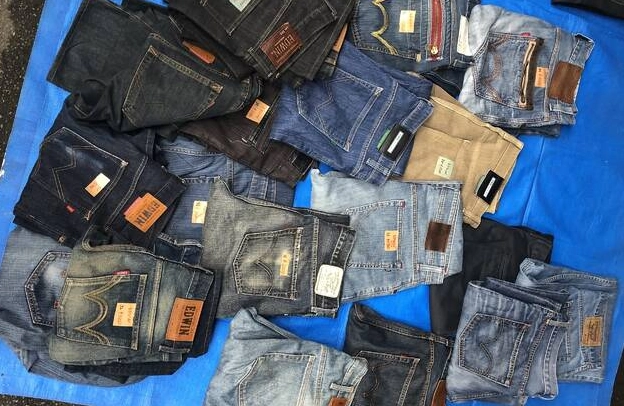
Address: 2-1-2, Katsushima, Shinagawa-ku, Tokyo. The market is held inside the Ohi Racecourse grounds.
Schedule: Typically held on the first and third Sundays of every month. There are exceptions, especially around New Year's and during major race events. Always double-check the official schedule on the Tokyo City Flea Market website (they manage several markets, including this one).
Hours: Usually from around 9:00 AM to 3:00 PM. Sellers start packing up well before 3 PM, so don't arrive too late.
Admission Fee: Free for buyers. Sellers pay a stall fee.
Rain Policy: It's usually held rain or shine. A light drizzle can thin the crowds and make sellers more negotiable, but a typhoon will cancel it.
Getting to Ohi Racecourse Flea Market
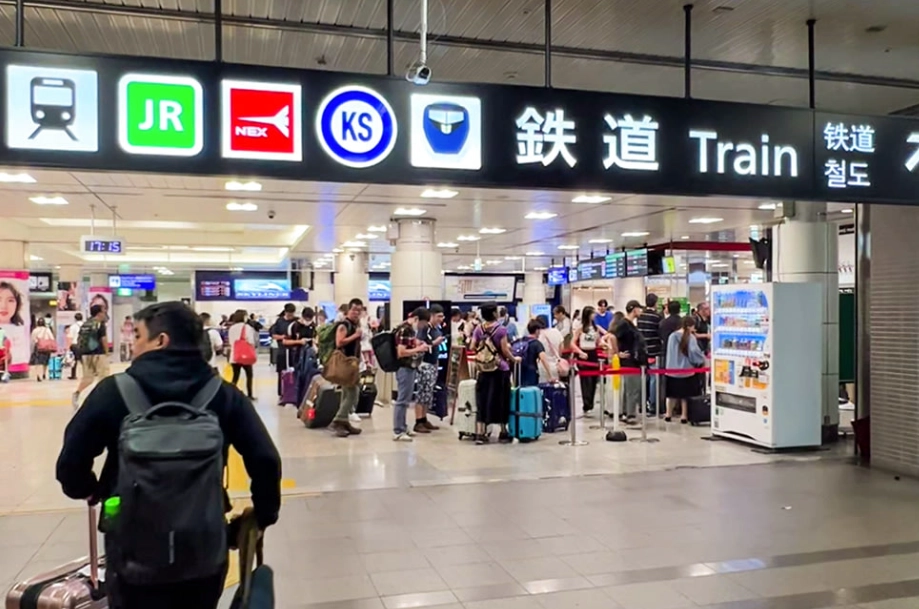
The nearest stations are Ryuutsu Center Station or Oomori-Kaigan Station on the Keikyu Line. From either station, it's about a 10-15 minute walk. Follow the crowd—you'll see people carrying empty bags *to* the station and full bags *from* it.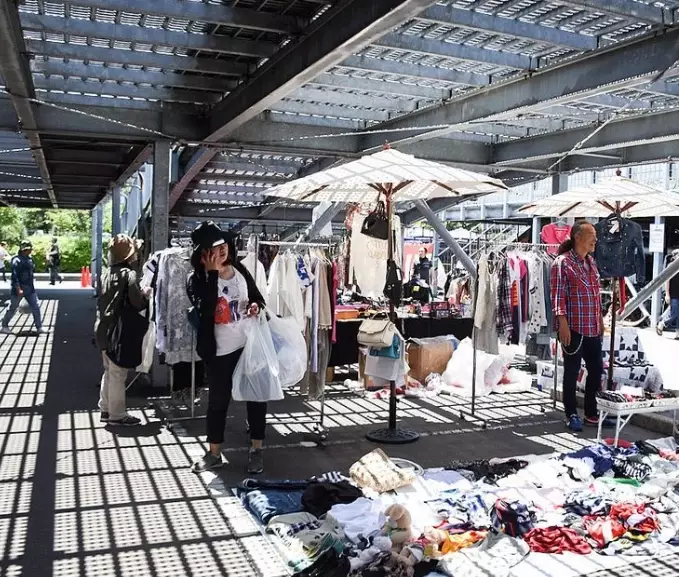
From Shinagawa Station (a major JR hub), take the Keikyu Airport Line and get off at Ryuutsu Center. The whole trip takes about 7 minutes and costs around 150 yen. Don't be tempted by the "Ohi" station on the Keihin-Tohoku Line—it's farther away.
If you're driving, there's parking, but it fills up incredibly fast and costs about 1,000 yen. Taking the train is infinitely less stressful.
What You'll Actually Find (And What It Costs)
The sheer variety is staggering. It's not just one market; it's dozens of micro-markets smashed together. You can broadly categorize the offerings, which helps you navigate.
| Category | What You Might See | Typical Price Range |
|---|---|---|
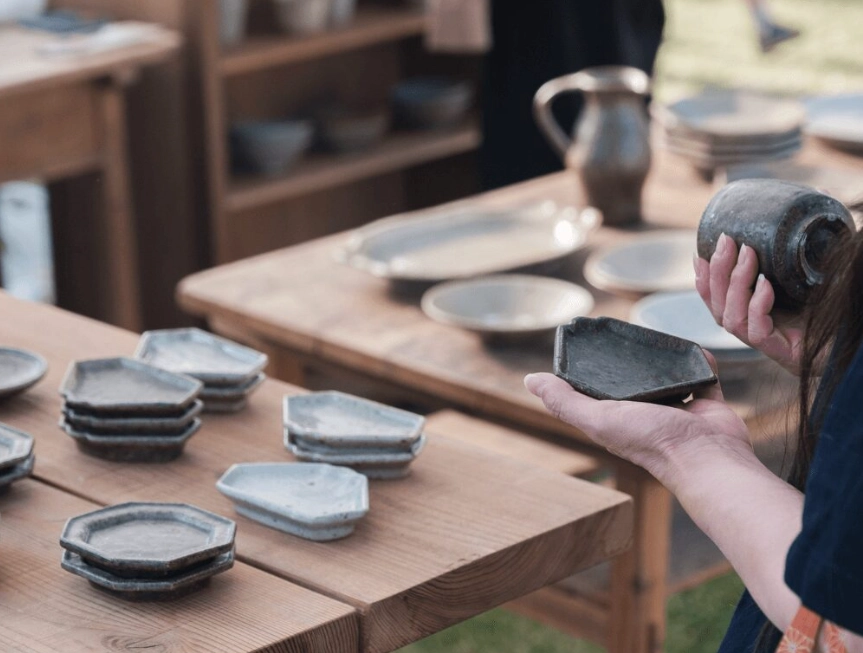
| Antiques & Vintage | Japanese pottery (like Kutani or Imari), old woodblock prints, vintage cameras, mid-century modern furniture, bronze statues, glassware. | 500 yen - 50,000+ yen. High-end antique dealers have fixed prices; smaller sellers might bargain. |
| Clothing & Textiles | Yukata, kimono, obi sashes, vintage denim, 80s/90s designer wear, used branded bags, piles of t-shirts. | 300 yen for a t-shirt, 2,000-8,000 yen for a nice kimono, 10,000+ for a pristine designer item. |
| Household & Misc. | Kitchenware, tools, plants, books, records, toys, old magazines, fishing gear, electronics (from old radios to cables). | Mostly 100-2,000 yen. This is the true bargain zone. |
| New Goods & Crafts | Some sellers offer new socks, imported goods, handmade jewelry, soaps, and snacks. Less common than second-hand. | Similar to discount store prices. |
The north end of the field, closer to the main entrance from Ryuutsu Center, tends to have more of the professional antique and vintage clothing sellers. The southern stretches and the interior aisles are where you find families clearing out attics—boxes of old dishes for 100 yen each, stacks of books, and random electronics. That's where the serendipitous finds happen.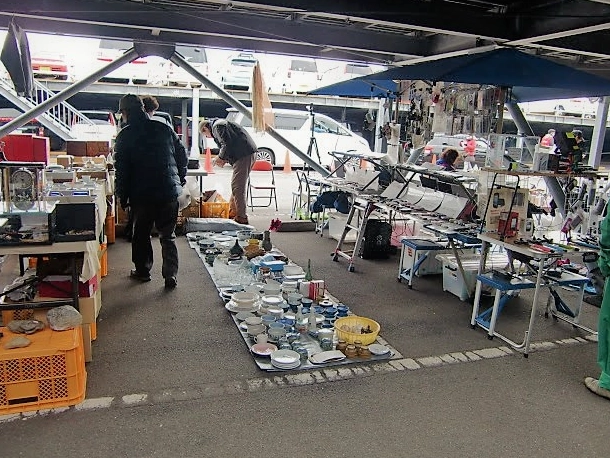
Planning Your Attack: A Sample Itinerary That Works
This market is huge. Walking every aisle with purpose could take 3-4 hours. Here’s how to structure your visit without burnout.
The Early Bird Half-Day (Recommended)
- 8:45 AM: Arrive at Ryuutsu Center Station. Grab a coffee and a pastry from a convenience store (there's a 7-Eleven right outside). Use the bathroom here—the porta-potties at the market have lines.
- 9:00 AM: Gates open. Don't rush to buy at the first rows. Do a full perimeter lap at a brisk pace. This is your reconnaissance. Spot areas of interest, mental note prices, and get a lay of the land.
- 10:00 AM: Start your serious browsing in your top 2-3 zones. This is when sellers are settled but not yet tired. Engage, ask questions, start gentle negotiations on items you really want.
- 12:00 PM: Lunch break. The food options inside are basic but functional—yakisoba, grilled chicken, okonomiyaki. Find a spot on the grass (bring a small sheet if you're fussy). Rehydrate.
- 12:45 PM: Final sweep. Check back on items you hesitated on. Sellers are often most open to a final deal in the last hour to avoid packing things up. This is your last-chance bargaining window.
- 2:00 PM: Start wrapping up. Head to the station before the 3 PM crush. You'll be thankful you did.
If You're a Specific Type of Shopper...
The Antique Hunter: Go straight to the northern professional stalls first thing. The best pieces get snapped up early by other dealers. Bring a strong tote bag and a keen eye.
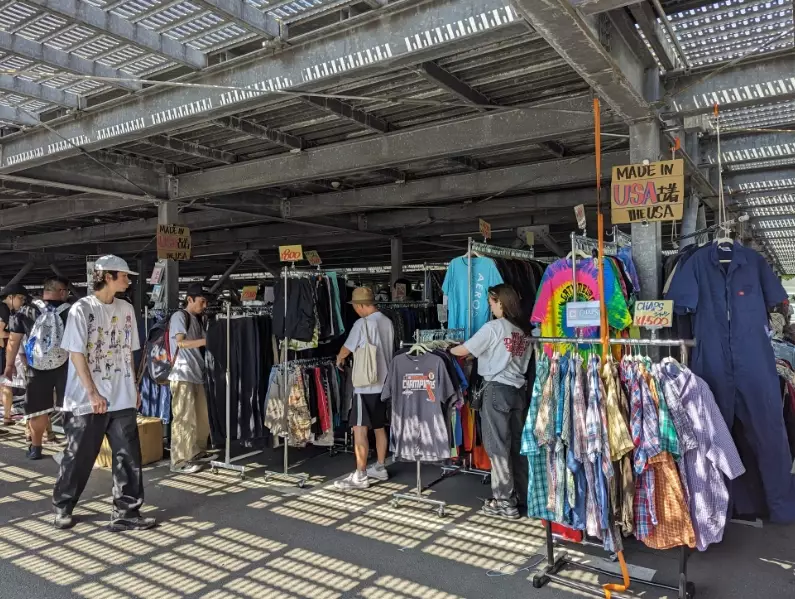
The Fashion Looter: Focus on the rows dedicated to clothing. Kimono and yukata are abundant. Check for stains (shin stains on kimono are common) and tears. Don't be shy to unfold them.
The Family or Casual Browser: Arrive around 10:30 AM, enjoy the atmosphere, browse the miscellany sections. The pressure is off, and it's more of a spectacle. Kids might enjoy the toy sections.
Insider Strategies for Bargaining and Finding Gems
Here’s where that "10-year experience" advice comes in. Most guides tell you to bargain. I'll tell you how and when it actually works at Ohi.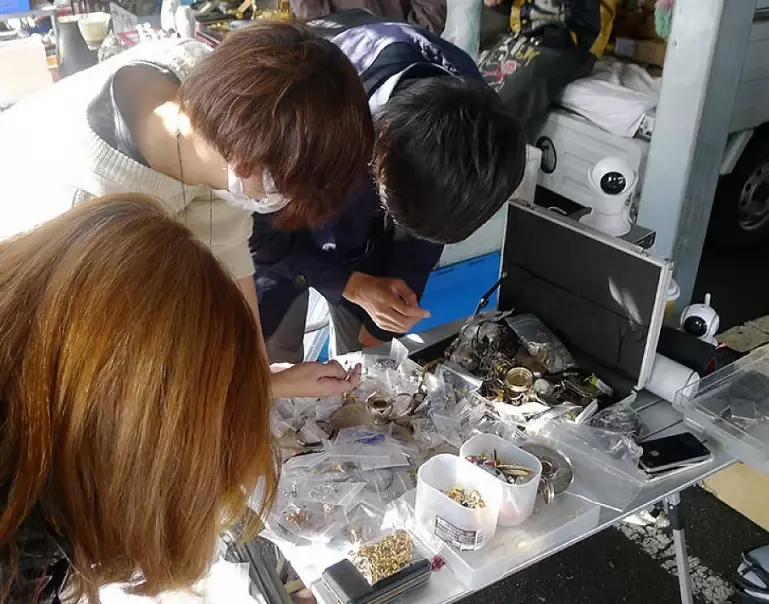
First, **read the seller**. The professional dealer with a neat display and printed price tags? Their price is often firm, especially on clearly marked antiques. The older couple with a blanket full of assorted kitchenware? Much more open to an offer.
The most effective technique isn't verbal haggling. It's this: **Point at the item, pull out your calculator, type in a number about 20-30% lower than the asking price, and show it to them with a smile.** It's universal, low-pressure, and avoids language barriers. They'll either nod, shake their head, or type a counter-offer.
Another tactic: **The bundle deal.** Pick up two or three smaller items from the same seller. Ask, "Kore to kore de, ikura desu ka?" (How much for this and this?). You'll almost always get a discount for taking multiple things off their hands.
My biggest piece of non-consensus advice? **Don't get hung up on "winning" the bargain.** If you see a perfect piece of pottery for 2,000 yen and you love it, just buy it. Chances are you'll never see it again. I've lost more treasures by walking away to "think about it" than I've ever saved by aggressive haggling.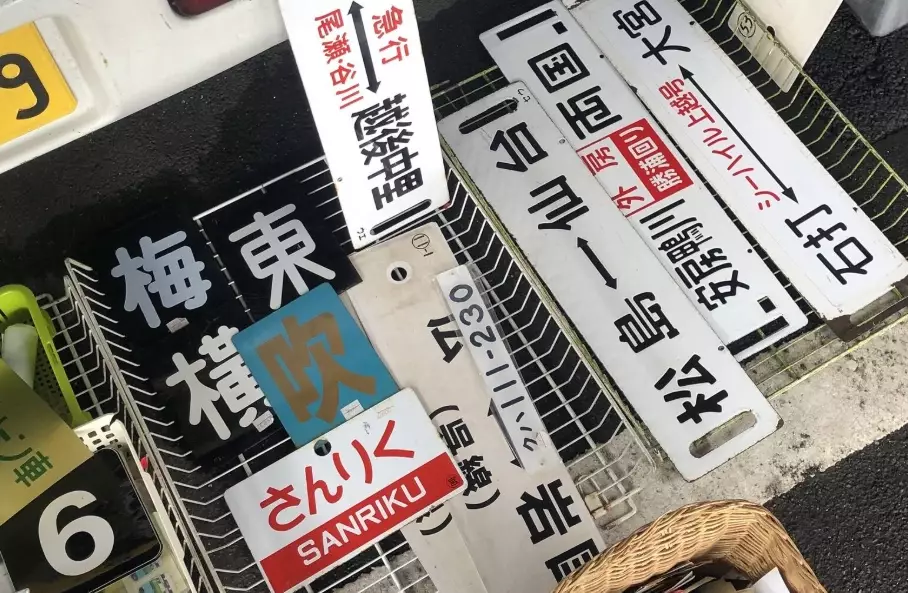
Practical Survival Tips for a Great Day
This is a marathon, not a sprint. A few small preparations make a huge difference.
- Cash is King: I can't stress this enough. Bring more cash than you think you'll need, in small denominations (1,000 yen bills). ATMs at the station might run out.
- Footwear: You will walk on gravel, grass, and pavement for hours. Wear your most comfortable shoes. This is not the day for fashion sneakers without support.
- Bags: Bring a large, sturdy reusable bag or a foldable backpack. Some sellers have bags, but many don't. A tote with long handles you can sling over your shoulder is ideal.
- Weather Prep: Sunscreen, hat, and a rain poncho (the compact kind). You are on an exposed racetrack with little shade. In summer, a handheld fan and water bottle are lifesavers. In winter, layer up—it gets windy.
- Hand Sanitizer & Small Change Pouch: You'll be handling dusty objects and exchanging cash constantly. A pouch for coins keeps things smooth.
- Phone & Power Bank: For translating, taking photos of items (to think about them), and maps. You'll use your phone a lot.
Food and toilets are available on-site, but expect lines. The food is part of the experience—simple, greasy, and satisfying after a morning of hunting.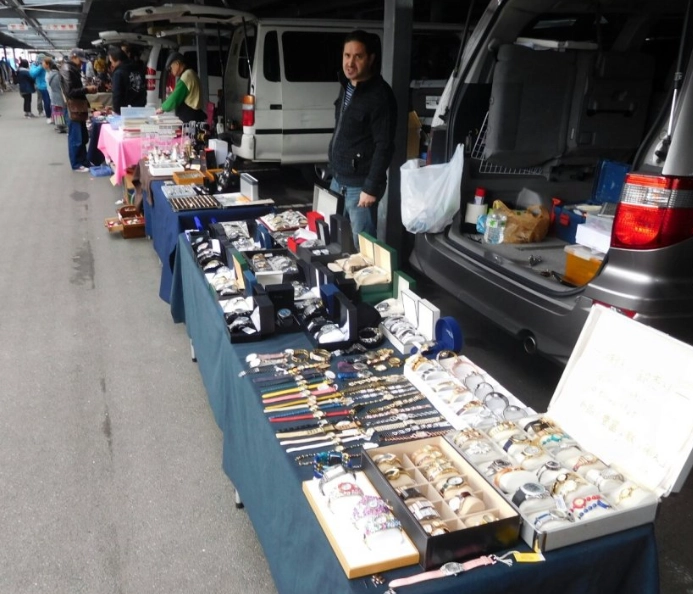
Your Questions, Answered
The Ohi Racecourse Flea Market is more than shopping; it's a snapshot of Tokyo's recycling culture, a hobbyist's paradise, and a testament to the idea that one person's clutter is another's treasure. Go with an open mind, comfortable shoes, and a wallet full of thousand-yen notes. You might not find the antique sword of your dreams, but you'll almost certainly find a story.
Share Your Thoughts