My Sakura Journey Highlights
- How the Japan Cherry Blossom Forecast Actually Works (It's Not Magic)
- Decoding the Map: A Regional Breakdown of the Sakura Front
- Beyond the Basic Forecast: Pro Tips for a Perfect Hanami
- When the Forecast is Wrong: Your Contingency Plans
- Your Japan Cherry Blossom Forecast FAQ
- Final Thoughts: Embracing the Uncertainty
Let's be honest. Planning a trip around the Japan cherry blossom forecast can feel like trying to catch a cloud. One day you're reading that Tokyo will bloom on March 22nd, the next week the prediction shifts to March 25th. I remember my first attempt. I booked flights for what I thought was the perfect week, only to arrive to a sea of green buds and a sinking feeling in my stomach. I spent more time staring at weather maps than actually enjoying my vacation.
It doesn't have to be that way. After several trips (and a few misses), I've learned that understanding the forecast is less about picking a single magic date and more about grasping the rhythm of spring across the islands. This guide is what I wish I'd had. We'll break down how the Japan cherry blossom forecast actually works, what those maps really mean, and how to build a flexible plan that maximizes your chances of standing under a canopy of pink, no matter what the weather throws at you.
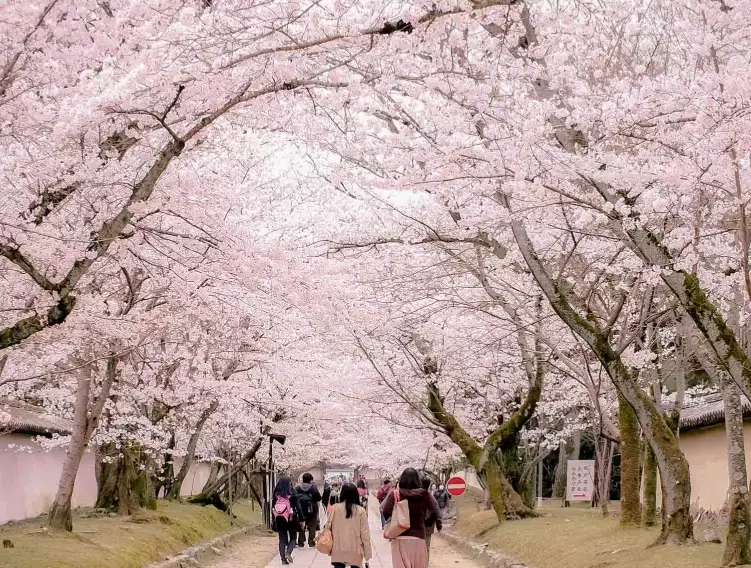 The sakura wait for no one. But with the right knowledge, you won't be waiting for them either.
How the Japan Cherry Blossom Forecast Actually Works (It's Not Magic)
Many people think there's a mystical sakura guru somewhere in a mountain temple deciding the dates. The reality is more science, less sorcery. The official Japan cherry blossom forecast is primarily the domain of the Japan Meteorological Agency (JMA) and private weather companies like Weathernews and Weather Map. Their predictions are based on a pretty specific formula.
It starts in autumn. Forecasters monitor the temperature from the previous fall, because a warm autumn can sometimes delay the dormancy of the trees. Then, through winter, they track cumulative chilling units – basically, has it been cold enough for long enough for the trees to properly rest? But the real key player is the warmth in late February and March. A string of warm, sunny days acts like a starting gun for the buds.
They use complex models that factor in historical bloom data, real-time temperature data from hundreds of stations, and even sea surface temperatures. The Japan National Tourism Organization (JNTO) sakura page is a great hub that often consolidates these various forecasts into one helpful resource. But here's the thing they don't always shout about: the forecast for "kaika" is just the beginning. Full bloom (mankai), that dreamy, picture-perfect state, usually happens about 5-7 days after the kaika date. And that period is your sweet spot.
My personal rule? If the forecast says kaika on a Monday, I aim to be in that city by the following Friday. It gives nature a little buffer.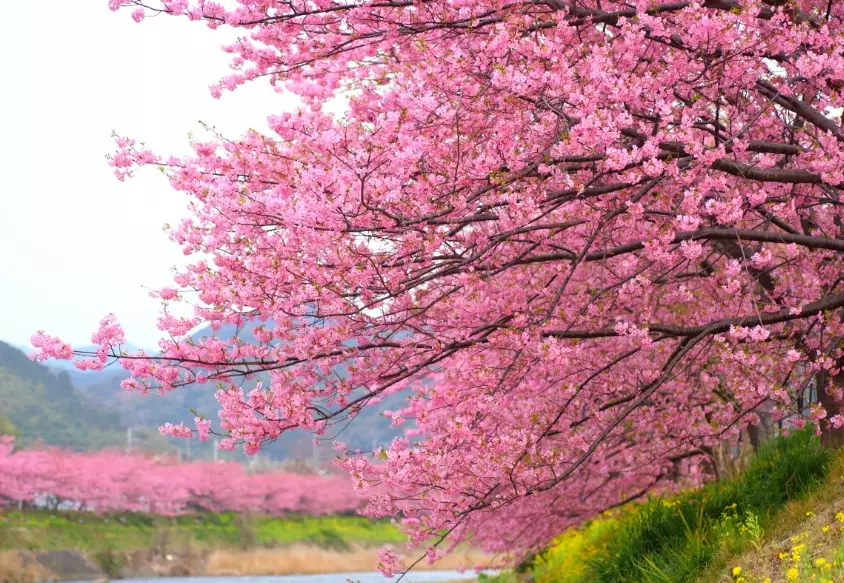
Decoding the Map: A Regional Breakdown of the Sakura Front
The famous "sakura zensen" (cherry blossom front) map shows the wave of pink sweeping northward. It's poetic, but for planning, you need to think in clusters, not a single line. Japan's geography creates distinct blooming timelines. Let's get practical.
The Early Birds (Late March)
Kyushu & Shikoku: Places like Fukuoka and Kochi, benefiting from southern warmth, are usually the first on the main islands to bloom. The forecast here is often the first major update travelers watch. Nagasaki's Glover Garden is a stunning, less-hyped spot where sakura frames historic Western houses.
Tokyo & the Pacific Coast: This is the headline-grabber. Tokyo's forecast is meticulously watched. The city heats up quickly due to the urban heat island effect, often putting it ahead of nearby mountainous areas. Popular spots like Ueno Park and Chidorigafuchi get packed. I find Shinjuku Gyoen a bit more manageable, though it requires an entrance fee.
The Classic Heartland (Early to Mid-April)
Kansai Region (Kyoto, Osaka, Nara): This is sakura central for most travelers. The Japan cherry blossom forecast for Kyoto is arguably the most sought-after. The delicate blossoms against ancient temples is the iconic image. A pro-tip? Temples on the eastern hills (Higashiyama) like Heian Shrine are fantastic, but consider the western Arashiyama area too. The crowd density can be slightly less oppressive. Maruyama Park at night (yozakura) is a must, but go late to avoid the worst of the crowds.
Central Japan (Nagoya, Kanazawa): Often blooming just a few days after Kansai. Kanazawa's Kenrokuen Garden is considered one of Japan's top three gardens for a reason – its weeping cherry trees are a different, elegant spectacle.
And then there are the late bloomers, which can be a lifesaver.
The Late Bloomers & Mountain Havens (Mid to Late April, even May)
Tohoku Region (Northern Honshu): Hirosaki Castle in Aomori is legendary, often blooming in late April. The scale is massive, and the castle moat filled with petals is unforgettable.
Japanese Alps: Takayama, Matsumoto, and the high-altitude areas around Nagano bloom significantly later. Matsumoto Castle with sakura is a classic samurai-postcard scene.
Hokkaido: Finally, in early May, the wave reaches Sapporo and Hakodate. Goryokaku Park's star-shaped fort lined with trees is unique. The climate here is different, so the forecast models are separate from the main island's.
To visualize this progression, here's a simplified table of typical forecast windows based on recent years. Remember, these are typical ranges. The annual Japan cherry blossom forecast will give you the specific yearly dates.
| Region & Major Cities | Typical Kaika (First Bloom) Forecast | Typical Mankai (Full Bloom) Forecast | Atmosphere & Crowd Notes |
|---|---|---|---|
| Kyushu (Fukuoka, Nagasaki) | Late March | Early April | Festive, early season energy. Slightly less international tourist crush than Kansai/Kanto. |
| Tokyo, Yokohama | Late March | Early April | Extremely crowded at famous spots. Excellent city-wide festive atmosphere (hanami parties). |
| Kyoto, Osaka, Nara | Late March / Very Early April | Early to Mid-April | The quintessential cultural sakura experience. Crowds at key temples can be overwhelming. |
| Central (Nagoya, Kanazawa) | Early April | Mid-April | Great balance of beauty and (slightly) better accessibility. Kenrokuen is a highlight. |
| Tohoku (Sendai, Hirosaki) | Mid to Late April | Late April | Grand, spacious settings. Hirosaki Castle is a top-tier destination for sakura purists. |
| Hokkaido (Sapporo, Hakodate) | Early May | Mid-May | A completely different, cooler climate feel. A perfect plan B if you miss the main season. |
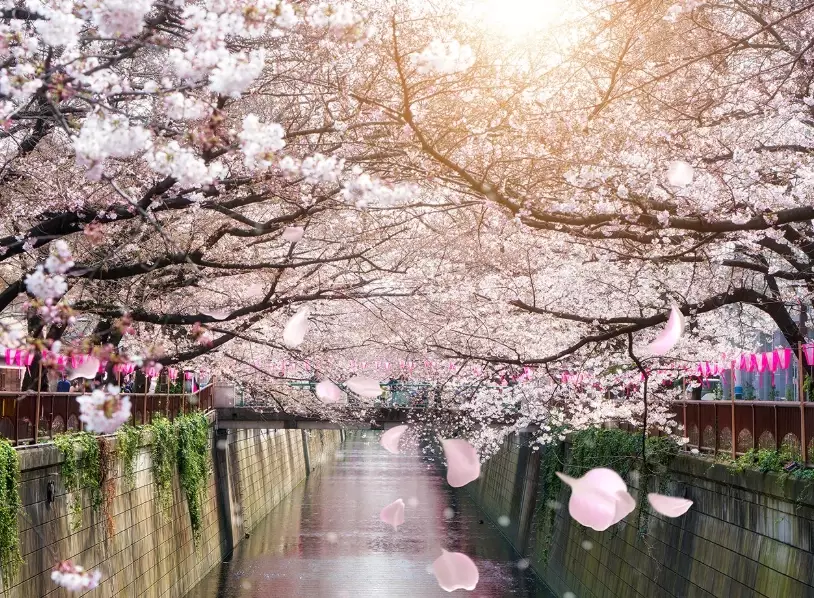 See? It's not one season, but many, rolling across the country.
Beyond the Basic Forecast: Pro Tips for a Perfect Hanami
Okay, so you've read the Japan cherry blossom forecast and picked your target week. Now what? Here's the stuff that makes the difference between a good trip and a great one.
Timing Your Visit Within the Season
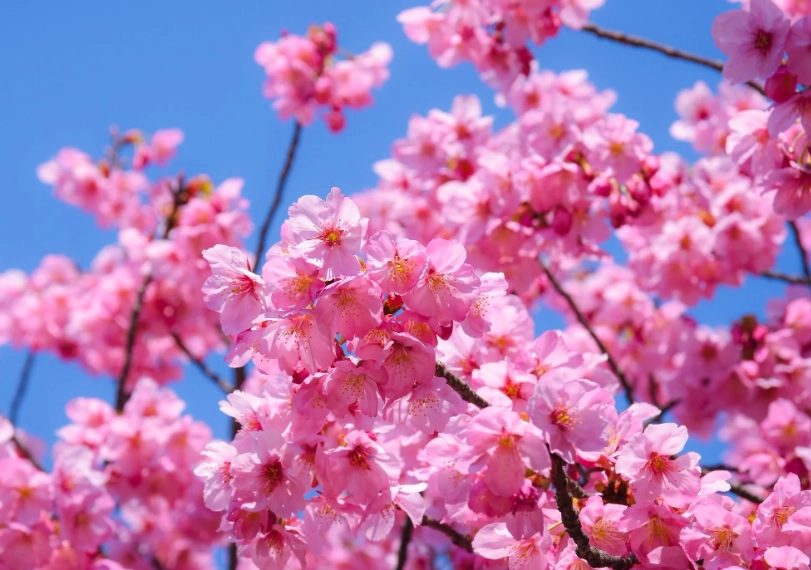
Chasing mankai (full bloom) is the goal, but every stage has its beauty. Kaika (first bloom) offers delicate, hopeful blossoms against often-bare branches, which can be amazing for photography. A few days later, during mankai, you get the full pink cloud effect. But don't despair if you see petals starting to fall (hazakura). The flurry of falling blossoms, a "sakura blizzard," is incredibly poetic, and carpets of petals on the ground or floating on water are stunning.
The Crowd Conundrum: How to Find Your Own Space
Let's not sugarcoat it: the top spots in Tokyo and Kyoto during peak bloom are a zoo. The Japan cherry blossom forecast drives millions of people to the same dozen locations. Your strategy needs layers.
- Time of Day: Sunrise is golden (literally and figuratively). Most hanami parties haven't started, and tour buses are still en route. You get about 90 minutes of relative peace. Late evening for yozakura (night blossoms) is also beautiful, but popular spots are illuminated and can be busy.
- Go Lateral: Instead of the most famous park, look for the second-most famous. In Tokyo, everyone goes to Ueno Park and Shinjuku Gyoen. Consider Inokashira Park (vibrant, with swan boats) or Koganei Park (massive and more local). In Kyoto, escape the Higashiyama temple crush and visit the western side of Arashiyama, or Daigo-ji temple in the south, which has its own fabulous sakura history.
- Book Everything Early: This isn't a secret, but it's the biggest pain point. The moment a reliable Japan cherry blossom forecast is released, flights and hotels in key areas get booked or prices skyrocket. I'm talking within 48 hours. Be ready to book accommodations with free cancellation as a backup.
What to Pack (The Non-Obvious Stuff)
You'll read about cameras and picnic blankets. Here's what else you need:
- A Compact Rain Poncho: Spring showers are common. A cheap, packable poncho lets you keep exploring while umbrella-wielding crowds huddle.
- Hand Warmers: Sounds silly, but March evenings can be surprisingly chilly, especially if you're sitting on the ground for a hanami party.
- Cash, in Small Denominations: Street food vendors at sakura festivals rarely take cards. Have plenty of ¥100 and ¥500 coins.
- A Power Bank: You'll be using GPS, translating apps, and taking photos all day. Your battery will die.
When the Forecast is Wrong: Your Contingency Plans
It happens. A late cold snap delays everything. A warm spell makes the blossoms come and go in a flash. Or you simply arrived a week too early. Don't panic. Japan is amazing even without sakura, and there are always options.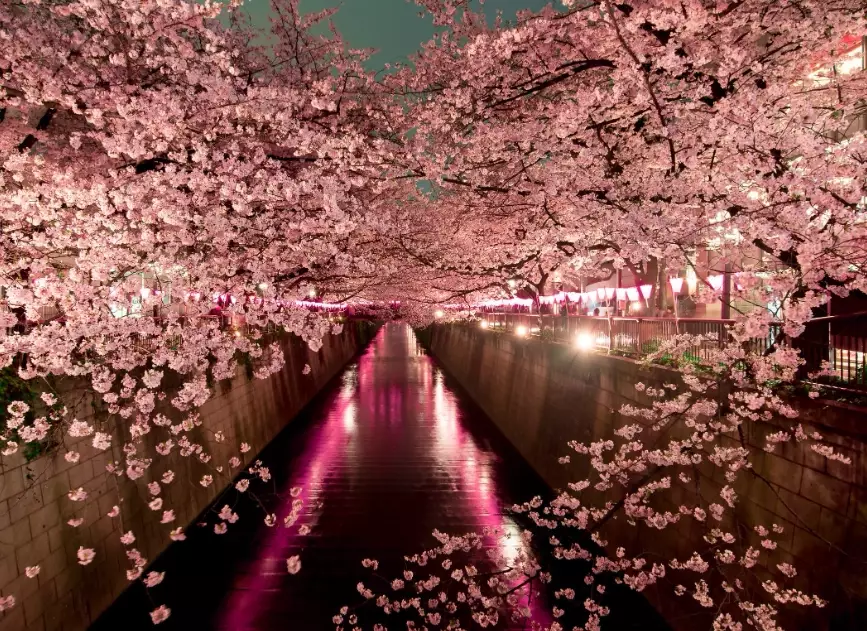
Your Japan Cherry Blossom Forecast FAQ
 The forecast is your map, but you're still the navigator.
Final Thoughts: Embracing the Uncertainty
After all this talk of models and predictions, here's my final piece of advice: hold your plans lightly. The Japan cherry blossom forecast is a tool, not a script. The beauty of hanami is in the experience – the friends, the food, the fleeting nature of the blossoms themselves (a concept known as mono no aware). Obsessing over hitting full bloom on the nose can make you miss the joy of simply being there.
Book your trip for a range of dates across a couple of regions if you can. Be ready to jump on a train north if you need to. Pack a good attitude alongside your rain poncho. Whether you catch the peak, the tail end, or even just the hopeful buds, you're witnessing one of the most beautiful natural calendars on the planet. And that's something no forecast can ever quantify.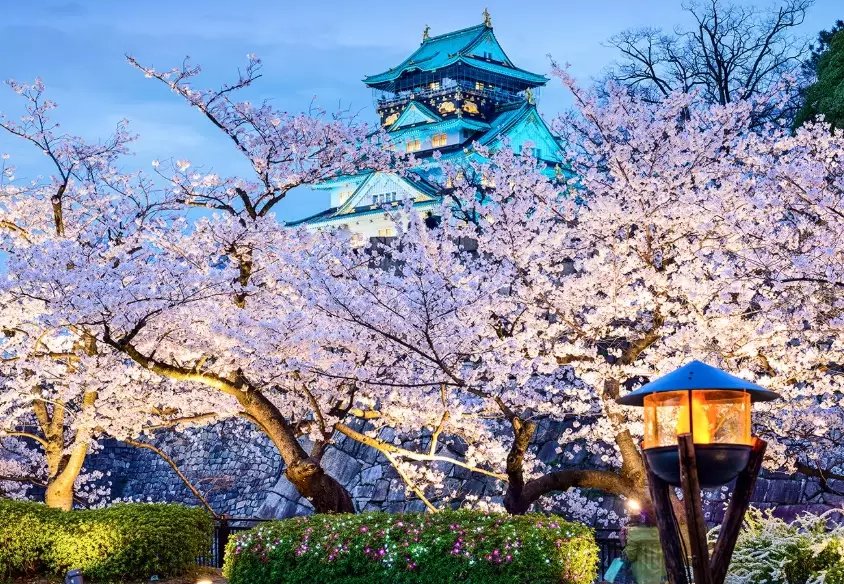
Now go check those forecast maps, but don't forget to look up from your phone when you're there. The real thing is so much better.
Share Your Thoughts