Quick Guide
- Breaking Down the Seasons: When Prices Really Drop
- Beyond the Calendar: How to Maximize Savings Anytime
- What You Gain (and Might Miss) in the Cheap Season
- Tailoring the "Cheapest Time" to Your Trip Style
- Your Burning Questions Answered (FAQ)
- The Final Verdict: Is the Cheapest Time to Visit Japan Right for You?
Let's cut straight to the chase. You're dreaming of Japan – the neon-lit streets of Tokyo, the serene temples of Kyoto, the incredible food – but your bank account is giving you the side-eye. I've been there. The big question looming over your planning is this: when is the cheapest time to visit Japan? The answer isn't just a single month. It's a sweet spot, a strategy, and honestly, a bit of a trade-off.
I remember my first trip. I went in late November, lured by cheaper flights, only to find myself completely missing the famous autumn colors by a week. The trees were bare, but my wallet was happier. That's the kind of balancing act we're talking about.
Finding the truly cheapest time to travel to Japan means looking beyond just airfare. You have to consider accommodation costs, domestic travel, crowds, and what you actually want to do. A dirt-cheap flight in peak summer might be offset by expensive hotel rates and sweltering heat that makes sightseeing a chore. Not ideal.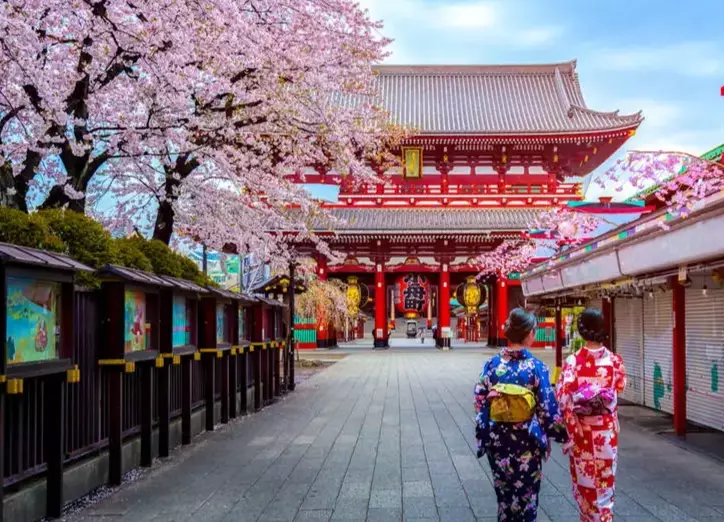
Breaking Down the Seasons: When Prices Really Drop
Japan has four distinct seasons, each with its own price tag and vibe. To figure out the cheapest time to go to Japan, you need to pick them apart.
Deep Winter (Mid-January to Early March)
This is often the absolute winner for the lowest prices, especially from after the New Year's holidays (around Jan 4th-7th) until early March. The Christmas and New Year rush is over, it's cold, and there aren't any major festivals drawing big crowds.
Honestly, it can be really cold in places like Tokyo and Kyoto. I'm talking needing a good coat, scarf, and gloves. But that's why it's cheap.
The upside? Magical winter illuminations are often still up until mid-February.
What's cheap: Flights from Europe and North America often hit rock bottom. Hotels in big cities have great deals. You can find discounted ski package deals to Hokkaido or Nagano towards the end of the season.
The catch: Some outdoor attractions or gardens might be less impressive. Daylight hours are shorter. You need to pack for serious winter weather.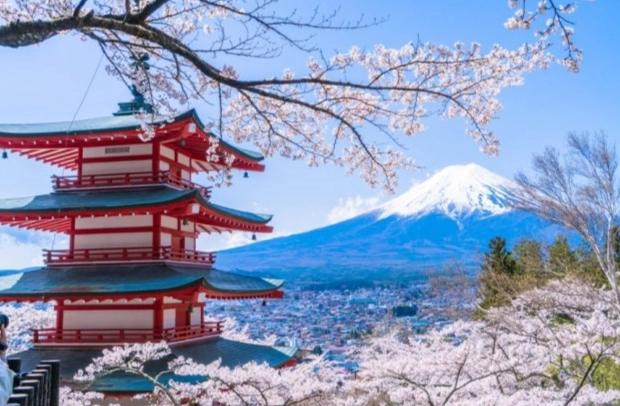
Shoulder Season: Late Spring (May, after Golden Week)
Golden Week (a cluster of national holidays from late April to early May) is chaos. Prices are sky-high and everything is booked. But immediately after it ends, there's a lovely, quiet window.
Early May is still pleasant in much of Japan. The weather is mild, gardens are lush and green, and the tourist hordes from cherry blossom season have long gone home. This is a sneaky-good time that many overlook.
Summer's Secret: The Rainy Season & Early Summer (June to early July)
June is the rainy season (tsuyu). It's humid, and it rains… a lot. This scares off many tourists, which means prices drop. It's not constant downpours all day, every day—more like frequent showers and overcast skies.
Is it the most glamorous time? No. But if you don't mind carrying an umbrella and planning indoor activities (museums, arcades, shopping), you can score deals. By late June/early July, before the brutal heat and Obon festival in August, there's another brief cheap window.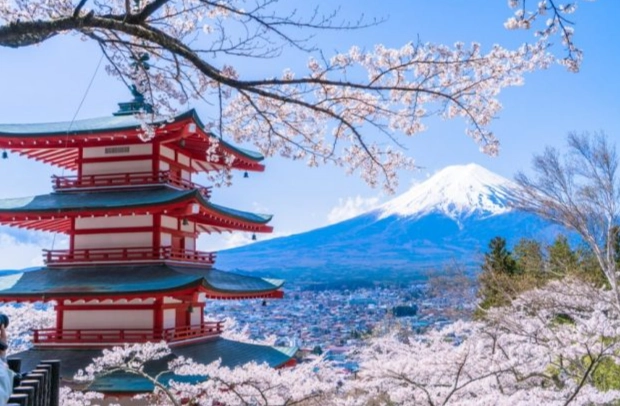
Autumn's Bargain Window (Late November to Early December)
Autumn foliage (koyo) is a huge draw, and prices in late October through mid-November reflect that. But once the leaves have mostly fallen, demand plummets. Late November into early December is a fantastic sweet spot.
The weather is crisp and cool, perfect for walking. Cities start putting up Christmas decorations, creating a beautiful atmosphere. And you're traveling in a gap between the koyo crowds and the year-end holiday travelers. Flight and hotel prices become much more reasonable. This is arguably one of the best value-for-money periods, balancing cost and experience.
So, to visualize the classic price and crowd calendar, here’s a quick comparison:
| Season / Period | Typical Cost Level | Crowd Level | Key Consideration |
|---|---|---|---|
| Cherry Blossom (Late Mar-early Apr) | Peak (Very High) | Extremely High | Book everything a year in advance. |
| Golden Week (Late Apr-early May) | Peak (Very High) | Extremely High (Domestic) | Avoid if possible. Everything is packed. |
| Summer (Aug, Obon) | High | High | Very hot, humid, and busy with domestic travel. |
| Autumn Foliage (Nov) | High | High | Beautiful but premium prices, especially in Kyoto. |
| Deep Winter (Jan-Feb) | Lowest | Low | Cold weather, but great deals. |
| Rainy Season (Jun) | Low | Low-Moderate | High humidity and frequent rain. |
| Late Autumn/Early Winter (Late Nov-early Dec) | Moderate-Low | Moderate | Excellent balance of good weather and lower costs. |
Beyond the Calendar: How to Maximize Savings Anytime
Picking the right season is half the battle. The other half is how you travel. You can make a trip during a moderately priced time much cheaper with smart tactics.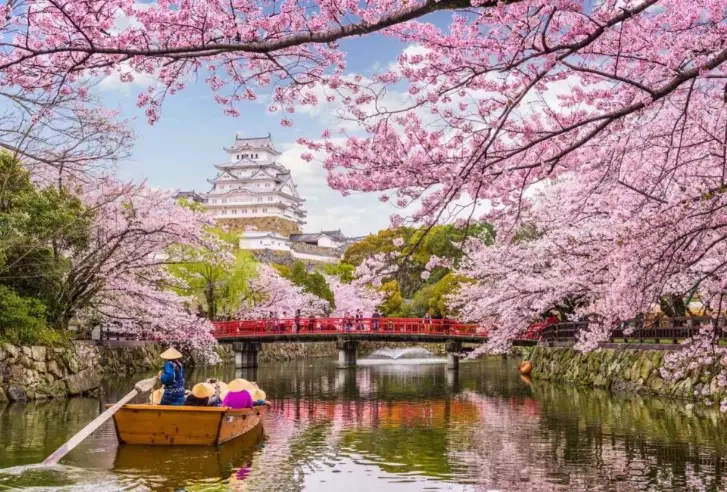
The Budget Breakdown: Where Your Money Really Goes
Let's be practical. For a budget-conscious traveler, costs stack up in this order (usually):
- International Flights: The biggest single expense. This is where timing matters most.
- Accommodation: A nightly drain, especially in Tokyo/Kyoto.
- Domestic Transport: Shinkansen (bullet trains) are amazing but pricey. Local trains, buses, and subways add up.
- Food & Drink: Can be very reasonable or very expensive, depending on your choices.
- Attractions & Activities: Temple entry fees, museum tickets, etc.
Flight Hacking for the Cheapest Time to Fly to Japan
Use flight search engines like Google Flights with flexible date calendars. Look for the pattern: Tuesday, Wednesday, and Saturday departures are often cheaper. Be open to flying into different airports. Narita (NRT) in Tokyo is the main international hub, but Haneda (HND) is closer to the city and sometimes has good deals. Don't forget about Kansai International (KIX) for Osaka/Kyoto.
Set up price alerts. Sometimes airlines have random sales outside the typical cheap seasons.
Accommodation: Think Beyond the Hotel
During the cheapest time to visit Japan, you have more leverage. But always book refundable rates if you can.
- Business Hotels: Chains like Toyoko Inn, APA Hotel, or Dormy Inn are no-frills but clean, safe, and often well-located. They're a budget staple.
- Hostels & Guesthouses: Japan has fantastic, clean hostels with private pod beds. Great for solo travelers.
- Ryokan (Traditional Inns): These are usually expensive, but in the off-season (like January), you can sometimes find incredible deals at lesser-known ryokan in the countryside. A splurge that becomes affordable.
- Weekly Mansions: Apartment hotels for longer stays. Can be very cost-effective for a week or more.
I've stayed in a business hotel in Shinjuku for under $60 a night in January. The room was tiny (a classic "business hotel special"), but it was all I needed for sleeping and showering.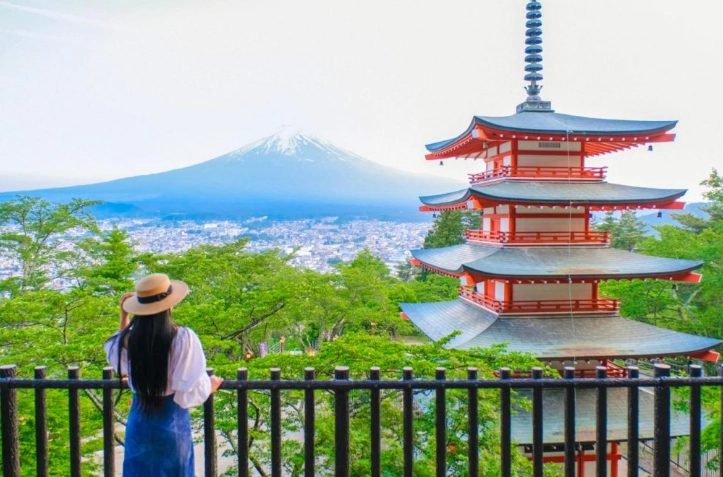
The Transportation Puzzle: Is the JR Pass Worth It?
This is a huge one. The Japan Rail Pass price increased significantly in late 2023. It's no longer an automatic buy.
You really need to do the math now.
For a typical Tokyo-Kyoto-Osaka round trip, the 7-day standard pass might not pay off. Use the official Japan Rail Pass reservation site to check current prices and use a calculator like the one on Japan-Guide.com to compare point-to-point ticket costs. During your cheapest time to travel Japan, you might be moving around less or slower, which could make regional passes (like a Kansai Area Pass or a Hokkaido Rail Pass) a better fit than the national pass.
Don't forget about highway buses (Willer Express is a major operator) for cheap long-distance travel, especially overnight to save on a hotel night. It's not as comfortable as the Shinkansen, but the savings are real.
Eating & Drinking on a Budget
Japan is a paradise for affordable, good food. This is where you can save a ton without sacrificing quality.
- Convenience Stores (Konbini): 7-Eleven, FamilyMart, Lawson. Their ready-made meals (bento), sandwiches, and onigiri (rice balls) are fresh, delicious, and cheap. Perfect for breakfast or a quick lunch.
- Standing Noodle Bars (Tachigui) & Fast Food Chains: Places like Yoshinoya, Sukiya, or Matsuya serve hearty bowls of gyudon (beef rice bowl) for a few dollars.
- Department Store Basements (Depachika): Go in the evening (after 7 PM) for massive discounts on gorgeous prepared foods and sushi sets.
- Local Izakayas (Pubs): Avoid the tourist traps in big nightlife districts. Find a small, local one. You can share small plates and have a drink without breaking the bank.
What You Gain (and Might Miss) in the Cheap Season
Choosing the cheapest time to visit Japan isn't just about saving money; it changes the experience.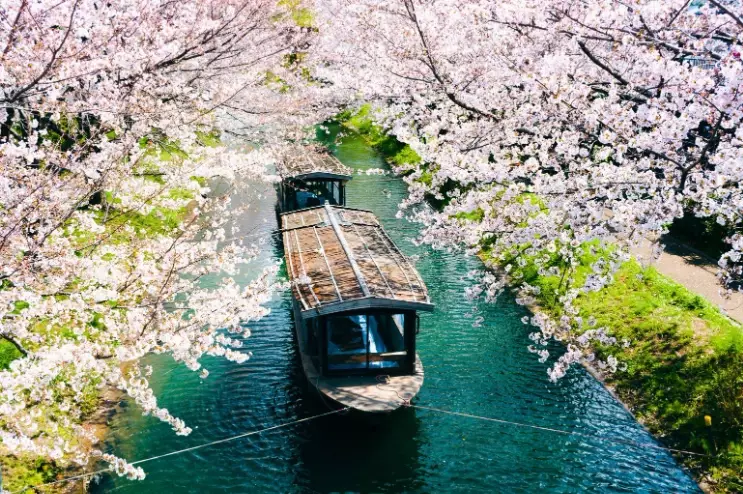
The Major Perks:
- Fewer Crowds: This is huge. You can actually enjoy Fushimi Inari Shrine in Kyoto without being in a human traffic jam. You can get into popular restaurants without a 2-hour wait. Museums feel calm.
- A More "Local" Vibe: With fewer tourists around, you get a better sense of everyday life in Japan.
- Easier Spontaneity: You can often decide where to go the day before, or even the same day, without everything being sold out.
The Potential Trade-offs:
- Weather Extremes: You might deal with cold, rain, or humidity, depending on your chosen cheap period.
- Missing Iconic Sights: No cherry blossoms in January. No vibrant autumn leaves in June. The famous gardens might be sleeping in winter.
- Limited Hours/Closures: Some seasonal attractions (like certain outdoor onsens or boat tours) might be closed. Some rural places may have reduced hours in deep winter. Always check official websites ahead of time.
Tailoring the "Cheapest Time" to Your Trip Style
Your ideal cheap season depends on what you want to do.
- For City Slickers (Tokyo, Osaka): Deep winter (Jan-Feb) or late November/early December are fantastic. Most city attractions are indoors and open year-round. You'll appreciate the lack of crowds at places like Shinjuku Gyoen or the Tokyo Metropolitan Government Building observatory.
- For Temple & Culture Hunters (Kyoto, Nara): Late November/early December is the golden ticket here—good weather and lower prices than peak foliage time. January-February is also good, but bundle up. Avoid June if you hate exploring in the rain.
- For Skiers & Snow Lovers: January is prime powder time in Hokkaido and Nagano, but it's peak for the ski resorts themselves. For cheaper ski trips, look at late February or early March when international flight prices are still low but the snow is still great.
- For Foodies: Anytime is good! But winter means delicious hot pot (nabe), oysters, and crab. June brings ayu (sweetfish) and early summer specialties. You eat with the season.
Your Burning Questions Answered (FAQ)
Let's tackle some specific worries you might have about traveling in the off-season.
Is Japan still enjoyable in the cheapest, coldest months?
Absolutely, but you have to embrace it. It's a different kind of beauty—stark, serene, and crisp. Onsen (hot springs) are even more magical in the cold. Cities feel vibrant indoors. Just pack a good thermal layer, a waterproof coat, and warm shoes. The dry cold of places like Tokyo is often more bearable than a damp cold.
What about the rainy season? Is it a complete washout?
Not at all. It's not monsoon-style rain all day. It's often periods of steady rain or drizzle interspersed with breaks. It keeps things green and lush. Hydrangea (ajisai) blooms in June are stunning. Just have a compact umbrella and a backup plan of indoor activities (museums, aquariums, shopping arcades, depachika food halls).
Are there any festivals during the cheap seasons?
Yes! You might miss the huge ones, but local festivals (matsuri) happen year-round. In winter, there are many snow festivals (like the famous Sapporo Snow Festival in February—though that one is NOT cheap for accommodation!). In early February, Setsubun marks the end of winter with bean-throwing ceremonies at temples. It's a more local experience.
How far in advance should I book for the cheap season?
For flights, 3-4 months out is usually sweet spot to monitor and book. For accommodation, you can often book 1-2 months out and still have great choices, unlike peak season where you need 6+ months. But if you have your heart set on a specific, popular ryokan or boutique hotel, booking earlier is safer.
Is it safe to travel to rural areas in winter?
Generally, yes, but do your research. Major trains run reliably, but some minor rural lines or mountain passes might be affected by heavy snow. Check the Japan Meteorological Agency website for forecasts and warnings. If you're driving, winter tires are a must in snowy regions like Hokkaido.
The Final Verdict: Is the Cheapest Time to Visit Japan Right for You?
So, after all this, what's the definitive cheapest time to visit Japan? If we're talking purely about the lowest costs on flights and hotels, it's mid-January through February. No contest.
But if you want a more balanced recommendation—good savings combined with decent weather and fewer major trade-offs—my personal favorite is late November to early December. You get autumn's tail end, winter's festive feel, manageable prices, and comfortable sightseeing weather.
Ultimately, it comes down to your personal tolerance.
Can you handle cold for bigger savings and empty sights? Or do you prefer to pay a bit more for milder weather? Are you flexible enough to work around some rain showers?
The most important thing is this: Japan is incredible year-round. There is no "bad" time to go, only times that are better suited to your budget and preferences. By targeting these cheaper windows, you're not getting a lesser Japan. You're getting a different, often more intimate, and absolutely more affordable Japan. And that's a win in my book.
Start looking at those flight calendars for January or late November. Your budget-friendly Japanese adventure is closer than you think.
Share Your Thoughts