Japan might not be the first country that pops into your mind for a diving holiday, but that's exactly what makes it so special. Forget everything you think you know. The best place to dive in Japan isn't a single spot—it's a collection of wildly different underwater worlds, from tropical coral reefs in the south to eerie kelp forests and volcanic seascapes in the north. As someone who's logged dives from Hokkaido to the Ogasawara Islands, I can tell you the variety is staggering. Most guides just list Okinawa and call it a day, but they're missing the real gems and the crucial details that make or break a trip. Let's cut through the noise and get straight to what you need to plan an incredible Japanese diving adventure.
Your Dive Plan at a Glance
Japan's Top Diving Regions Broken Down
To understand Japanese diving, you need to think in terms of water temperature and geography. The country stretches over 3,000 km, meaning the conditions in Okinawa are completely different from those off Hokkaido. Here’s the real breakdown, not just the postcard version.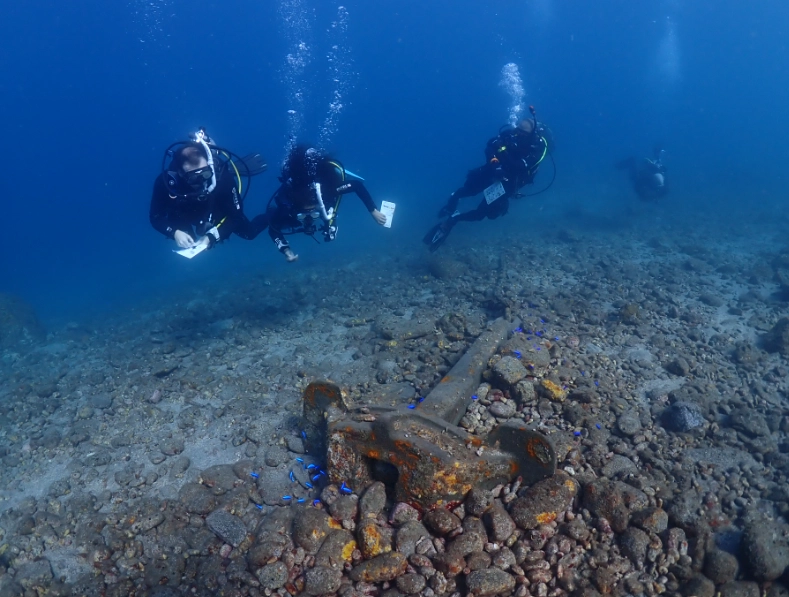
Okinawa & The Ryukyu Islands: The Tropical Classic
Yes, it's famous, but for good reason. The water is warm (22-30°C), visibility often exceeds 30 meters, and the coral is vibrant. But the mistake most first-timers make is thinking "Okinawa" is one place. It's an archipelago.
- Main Island (Okinawa Honto): Best for convenience and variety. The Blue Cave (Kerama Islands) is iconic, but can get crowded. I prefer the Manza Dream Hole, a stunning swim-through. Dive shops in Onna Village are plentiful. A two-tank boat dive typically costs ¥12,000 - ¥18,000. You can book on the day, but I recommend contacting a shop like Reef Encounters or Dive Zone a few days ahead.
- Miyakojima & Ishigaki (Yaeyama Islands): This is where you go for the big stuff. Manta Scramble off Ishigaki is a cleaning station where you're almost guaranteed manta ray action in winter. Miyakojima has incredible topography with arches and caves. It's a 1-hour flight from Naha (Okinawa's capital). The diving is more advanced here due to currents.
The official Okinawa Tourist Information site is a good starting point for general travel planning.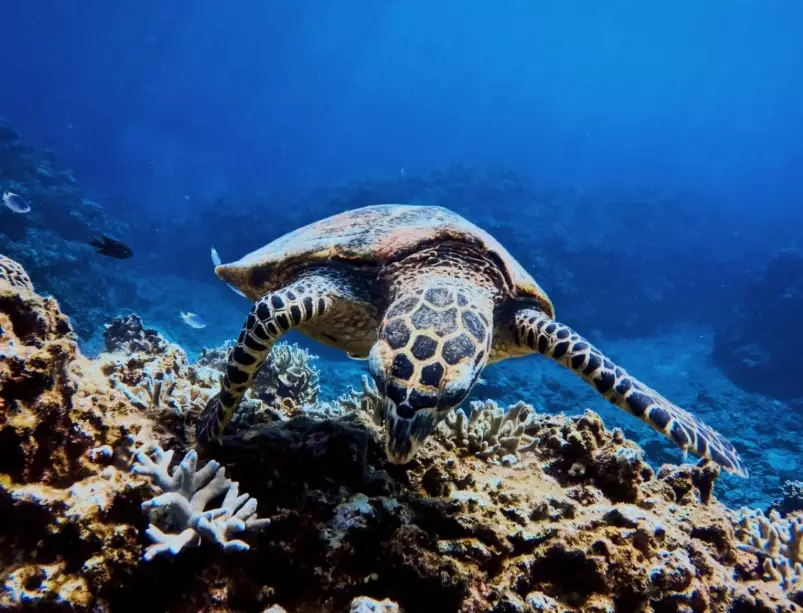
Honshu & Shikoku: Macro Heaven and Hammerhead Action
This is Japan's best-kept secret. The water is cooler (15-25°C), but the marine life is unique. Don't expect bright corals. Expect wild critters and dramatic landscapes.
- Izu Peninsula (Shizuoka): Just 2 hours by train from Tokyo. It's a volcanic region, so the seabed is covered in sand and rock, perfect for macro photography. You'll find rare nudibranchs, frogfish, and the famous Izu Ocean Park with its submerged torii gate. Dive operators in Ito City or Shimoda cater to weekend divers from Tokyo. A dive package can be as low as ¥8,000.
- Kushimoto (Wakayama) & Mikimoto Pearl Island: The birthplace of cultured pearls. Diving here is history and biology combined. You can see the old pearl farming racks. The currents bring nutrients, attracting schools of fish.
- Yonaguni Island (Okinawa Prefecture, but far west): I'm putting this here because it's in a league of its own. The Yonaguni Monument is a controversial, massive underwater structure that looks man-made. It's advanced diving only, with strong currents. But if you're qualified, swimming alongside a school of 100+ hammerhead sharks here is a life-changing experience. Flights are limited from Ishigaki.
Hokkaido: The Cold Water Frontier
If you own a drysuit or want to try one, Hokkaido is unreal. The summer water temperature peaks at around 15-18°C. The kelp forests (konbu) are like underwater redwoods. You dive with gigantic Japanese spider crabs, friendly giant octopuses, and in certain seasons, schools of Pacific bluefin tuna. Rausu on the Shiretoko Peninsula is the main hub. It's remote. You're diving in a UNESCO World Heritage site. A local operator like Shiretoko Nature Cruise is essential. This isn't a casual add-on; it's a dedicated trip.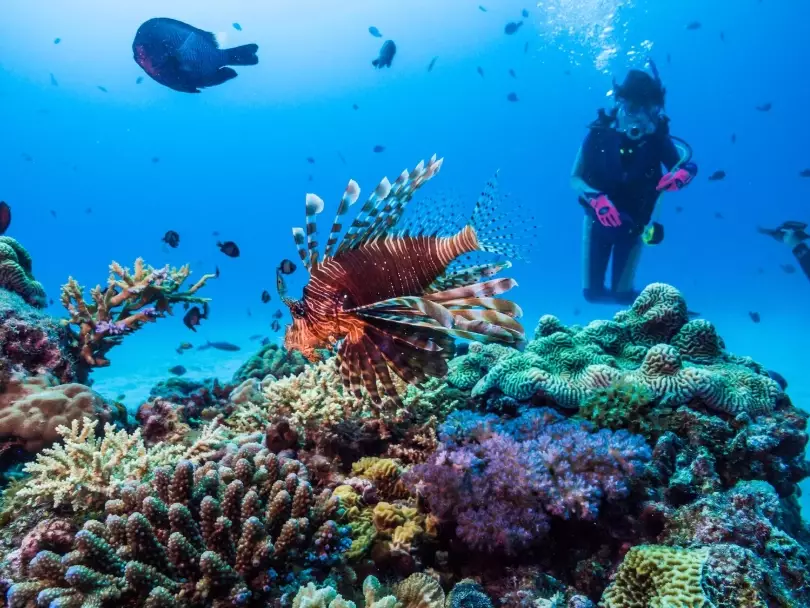
The Ogasawara (Bonin) Islands: The Ultimate Expedition
This is the holy grail. Located 1,000 km south of Tokyo, accessible only by a 24-hour ferry. The isolation has created unique endemic species. You dive with pods of dolphins, humpback whales (in season), and more sharks than almost anywhere else in Japan. It's expensive and requires serious planning—trips are usually liveaboard-style for a week. If you have the time and budget, it tops the list for raw, untouched diving.
| Region | Key Marine Life | Best For | Water Temp (Seasonal) | Skill Level |
|---|---|---|---|---|
| Okinawa (Kerama) | Sea turtles, reef sharks, colorful corals, tropical fish | Warm water, visibility, beginners & photographers | 22°C (Win) - 30°C (Sum) | Beginner to Advanced |
| Izu Peninsula | Nudibranchs, frogfish, octopus, unique macro life | Macro photography, easy access from Tokyo | 15°C (Win) - 25°C (Sum) | Beginner to Intermediate |
| Yonaguni Island | Hammerhead sharks, manta rays, Yonaguni Monument | Adventure, big animal encounters, advanced diving | 22°C - 28°C | Advanced (Currents) |
| Hokkaido (Rausu) | Kelp forests, Japanese spider crabs, giant octopus | Unique cold-water ecosystems, drysuit diving | 2°C (Win) - 18°C (Sum) | Intermediate to Advanced |
How to Choose Your Ideal Diving Spot in Japan
Picking the best place depends entirely on you. Ask yourself these questions:
What's your dive experience? Beginners should stick to Okinawa's main island or Izu. The operators are used to new divers, conditions are generally calm, and gear rental is easy. Trying to dive Yonaguni as a new Open Water diver is dangerous and irresponsible.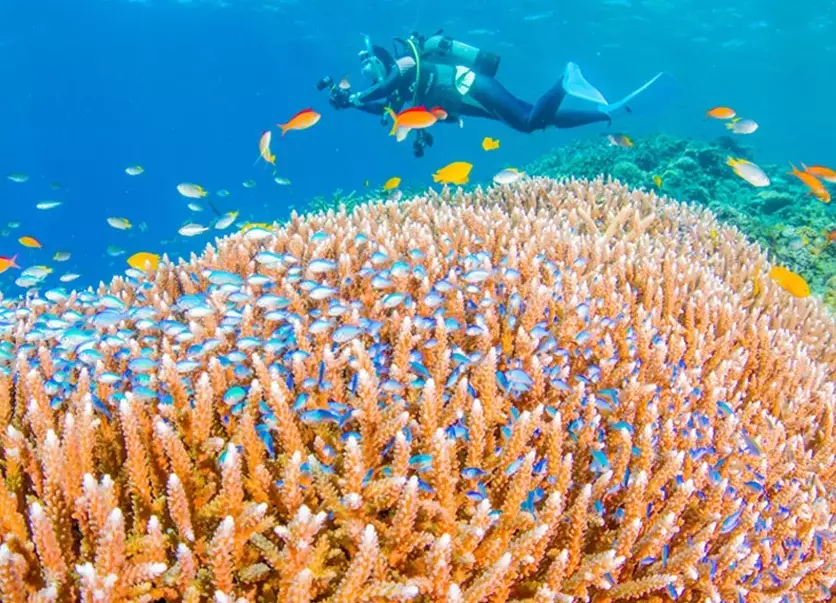
What do you want to see? Coral and turtles? Okinawa. Tiny, weird critters? Izu or Kushimoto. Sharks and adrenaline? Yonaguni or Ogasawara. Kelp forests and crabs? Hokkaido.
What's your budget and time? Okinawa has more flight options and packages. Hokkaido and Ogasawara require more time and money for travel. Izu is the winner for a short trip combined with a Tokyo visit.
Are you traveling with non-divers? Okinawa and Izu have great topside activities (beaches, culture, food). Remote islands like Yonaguni offer less for non-divers.
When is the Best Time to Go Diving in Japan?
There is no single "best" season nationwide. It's regional.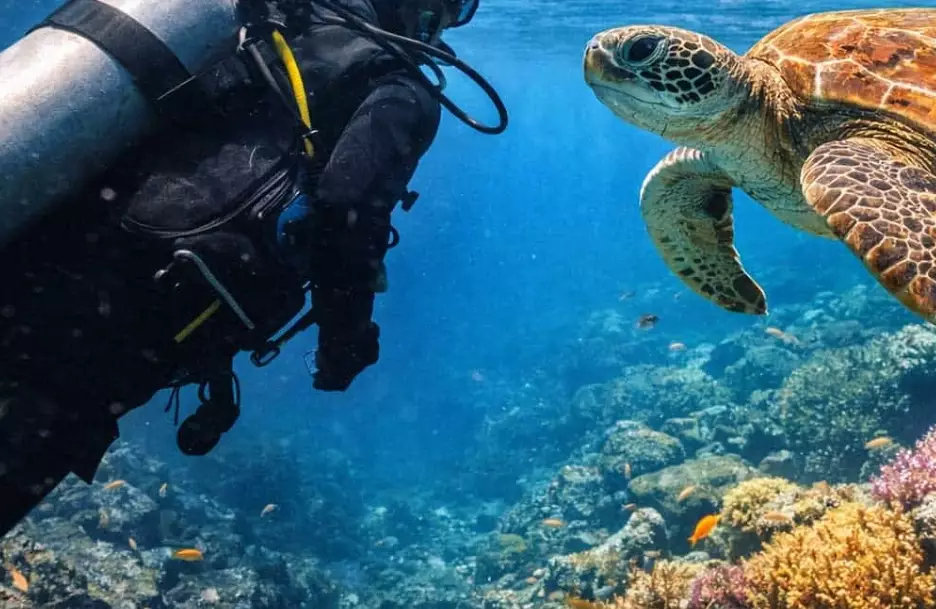
- Okinawa: Year-round, but the absolute prime is April-June and October-November. The water is warm, visibility is peak, and it's outside the rainy/typhoon season (July-Sept) and the cooler, windier winter. Whale sharks are common off Kerama in spring.
- Izu Peninsula: Late spring to early autumn (May to October). Winter diving is possible but cold and better for the hardcore macro enthusiast.
- Yonaguni: The hammerhead season is December to April, with January-March being the most reliable. This is winter, so expect some wind and choppier seas.
- Hokkaido: July to September is the only realistic window for recreational diving. The water is at its "warmest," and the kelp is lush.
Always check the local festival calendar too. Accommodation prices double during Golden Week (late April/early May) and Obon (mid-August).
Practical Tips for Diving in Japan
Logistics matter more here than in some Southeast Asian dive hubs.
Certification and Language: Bring your C-card. Most reputable dive shops in tourist areas have English-speaking staff. In remote areas like Hokkaido or some Izu shops, English may be limited. Use simple phrases, a translation app, or book through a bilingual tour organizer. The Japan Tourism Agency promotes safety standards, but there's no universal governing body like PADI that oversees all operations.
Getting There & Around: For Okinawa, fly into Naha (OKA). For Izu, take the Shinkansen to Atami or Mishima, then a local train. For remote islands, book flights early—they are small and fill up. Renting a car in Okinawa or Izu is highly recommended for flexibility.
Costs: Diving in Japan is not cheap like Thailand or Indonesia. Budget ¥10,000-¥25,000 per day for 2-3 boat dives, including gear rental. Accommodation and food are additional standard Japan costs.
What to Bring: Your mask, computer, and exposure suit if you have a good fit. Most shops provide adequate gear, but having your own mask that doesn't leak is priceless. A dive torch is useful even for day dives in Izu's crevices. Don't forget your logbook.
Respect and Etiquette: Japanese dive operations are extremely punctual and safety-conscious. Be on time. Rinse your gear thoroughly. The environmental ethos is strong—don't touch anything. Underwater photography is huge here, so move slowly and be aware of other photographers.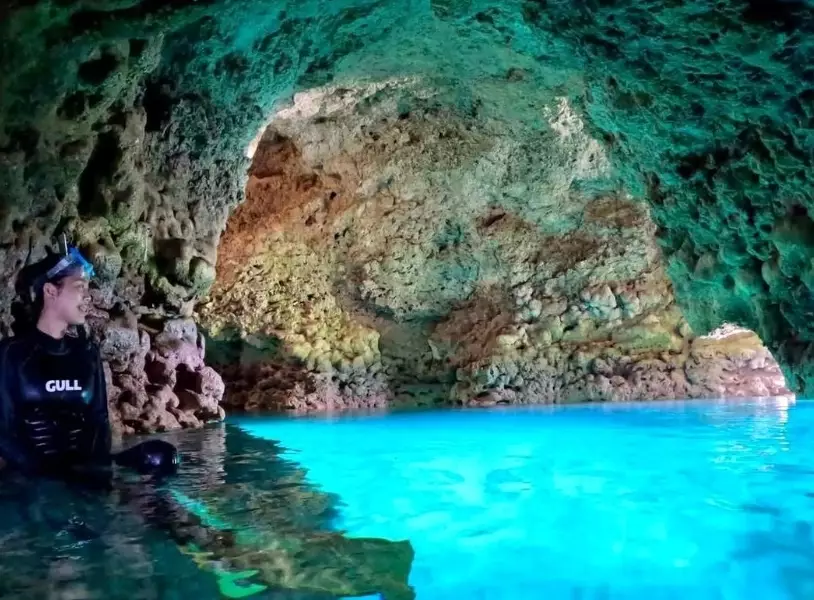
Your Japan Diving Questions Answered
So, what's the best place to dive in Japan? It's the place that matches your skills, your curiosity, and your travel style. For sheer ease and tropical beauty, you can't beat Okinawa's Kerama Islands. For a unique, off-the-beaten-path macro adventure from Tokyo, the Izu Peninsula is unbeatable. And for the ultimate bragging rights, nothing beats the hammerheads of Yonaguni or the frozen forests of Hokkaido. Do your research, pick your season, and get ready for some of the most orderly, fascinating, and diverse diving on the planet.

Share Your Thoughts