Navigate This Guide
Let's be honest. You search for the top 3 temples in Kyoto, and you get a million lists. They all show the same stunning pictures. But then you get there, and it's a sea of selfie sticks, the path is packed, and you're herded along like cattle. You leave wondering if you even felt the spiritual vibe you came for.
I've been there. I've lived in Japan for a while now, and Kyoto is a second home. I've seen these places empty at dawn and bursting by noon. So this isn't just another list. This is a battle plan. We're going to talk about the undisputed heavyweights, the temples that deserve their spot on any top 3 temples in Kyoto list, but we're going to do it with a focus on how to experience them, not just check them off.
Why just three? Because Kyoto has over 1,600 temples. That's overwhelming. If you're on a standard trip, trying to see more than a few leads to "temple fatigue"—where everything starts to blur into a haze of wooden beams and incense. Picking the absolute best allows you to savor them.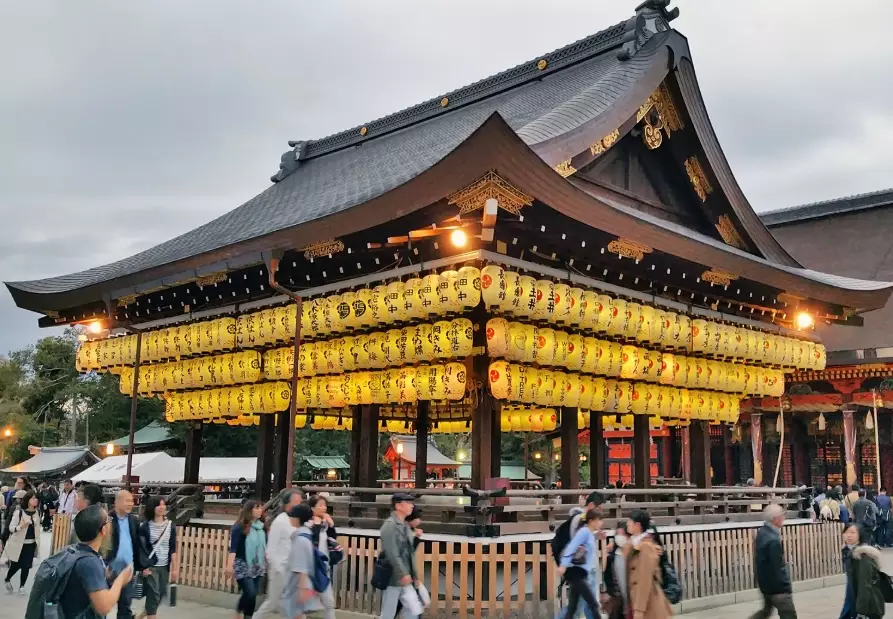
Our criteria? Iconic beauty, cultural significance, and that intangible "wow" factor. These are the places that define Kyoto's postcard image for a reason. But we're also going to dig into the logistics that other guides gloss over.
Quick Reality Check: All three of these are massively popular. There is no secret time when they're completely empty (unless you have special access). The goal is to find the *relatively* better time and know what you're getting into. Crowds are part of the deal, but they don't have to ruin it.
The Gold Standard: Kinkaku-ji (The Golden Pavilion)
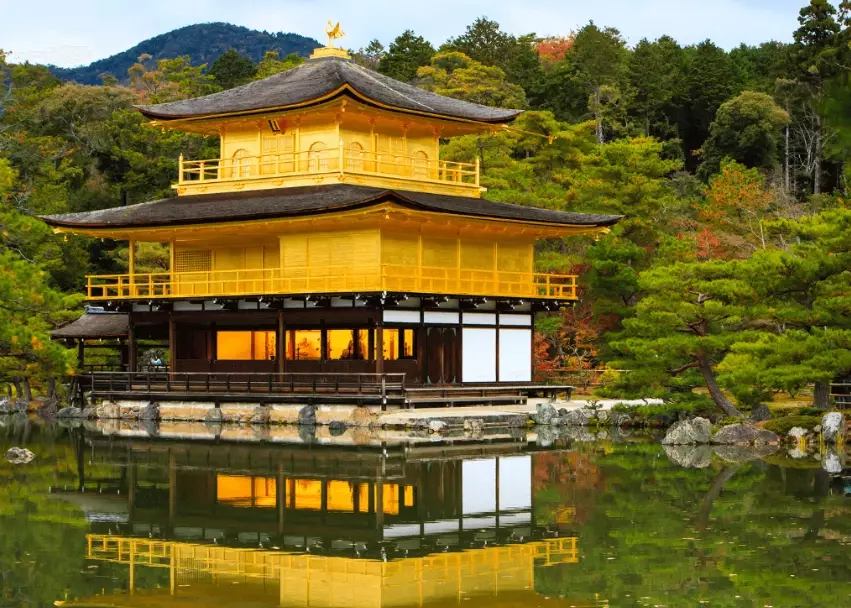
You've seen it. A shimmering gold pavilion perched over a mirror-like pond, surrounded by lush greenery. It's probably the single most recognizable image of Kyoto. Does it live up to the hype? Visually, absolutely. Spiritually? That depends entirely on the crowd around you.
Kinkaku-ji is a Zen Buddhist temple formally named Rokuon-ji. Its history is a rollercoaster—built in the late 14th century as a retirement villa, turned into a temple, and then famously burned down by a fanatic monk in 1950. The current structure is a meticulous 1955 reconstruction. Some purists sniff at that, but honestly, the craftsmanship is so perfect it doesn't feel "new."
Why It's a Top Contender
The sheer, audacious beauty is the reason. The top two floors are completely covered in gold leaf. It's not subtle. It's a statement of power and devotion, reflecting (literally) in the Kyoko-chi pond. The garden design is a classic example of borrowed scenery (*shakkei*), incorporating the surrounding hills into its composition.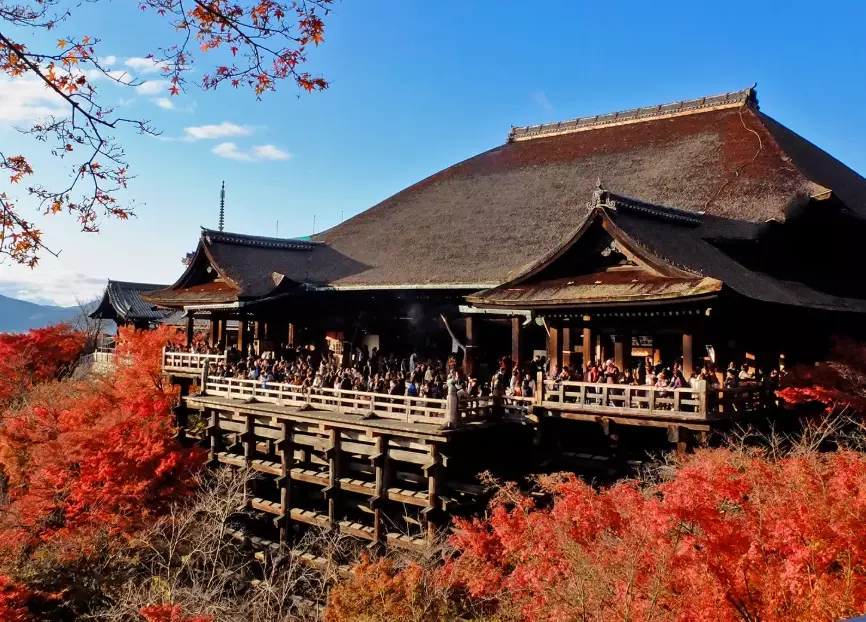
The Not-So-Great Part
The experience is very linear. You enter, walk a set path around the pond, get your photos from designated spots, walk through the pleasant but not mind-blowing gardens, and exit. There's no entering the pavilion itself. It's a viewing experience, not an exploratory one. If you hate being funneled, this will grate on you.
Your Battle Plan for Visiting
- Time it Right: Be at the gate 15 minutes before it opens (usually 9 AM). The first 30 minutes are golden (pun intended). Alternatively, try about 90 minutes before closing. The light can be lovely, but the morning gamble is safer.
- The Photo Spot: Everyone crowds the first view. Walk a bit further along the path. The angle from the side, with a pine tree framing it, is often less crowded and more artistic.
- Manage Expectations: You'll be done in 45-60 minutes. That's it. Pair it with nearby Ryoan-ji (famous rock garden) for a great half-day. Use the Kyoto City Official Website to check seasonal events that might affect crowds.
So, is it one of the top 3 temples in Kyoto? For its iconic, jaw-dropping visual alone, yes. It's a must-see spectacle. Just don't expect a quiet, contemplative retreat.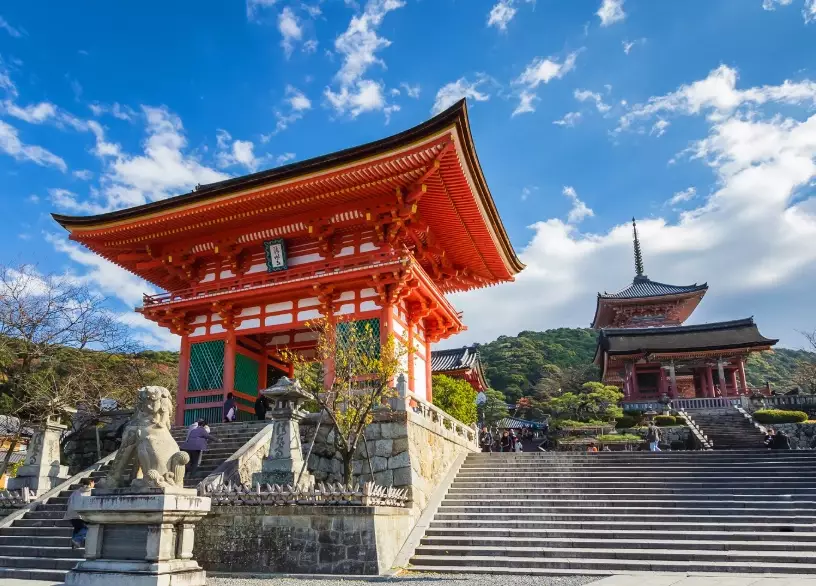
The Vermilion Torii Tunnel: Fushimi Inari Taisha
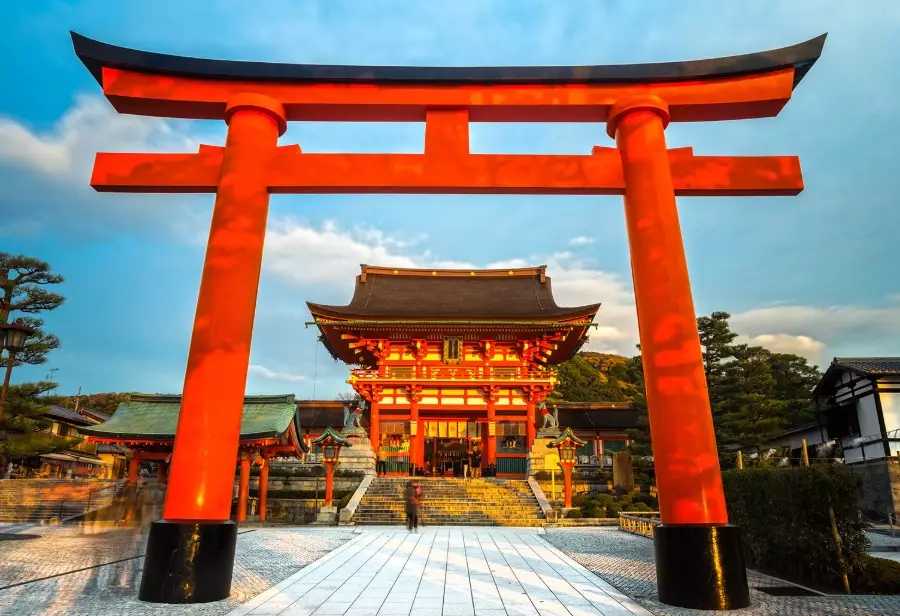
This is the other image that screams Kyoto. Thousands of vibrant orange-red torii gates snaking their way up the wooded slopes of Mount Inari. It's a Shinto shrine, not a Buddhist temple, dedicated to Inari, the god of rice, sake, and prosperity (and by extension, modern business).
This place has a different energy altogether. It's less about quiet contemplation and more about a dynamic, almost physical journey. The path is the destination.
Why It's Unforgettable
The scale is what gets you. The Senbon Torii ("thousands of torii gates") are donated by businesses and individuals hoping for good fortune. Walking through those endless tunnels of vermilion, with light dappling through the gaps, is hypnotic. You can walk for minutes without seeing another person if you go high enough.
And that's the key. Most people never go beyond the first crowded section. They get their photo at the first dense tunnel and turn back. The real magic starts when the crowds thin out and the path splits into quieter, older trails.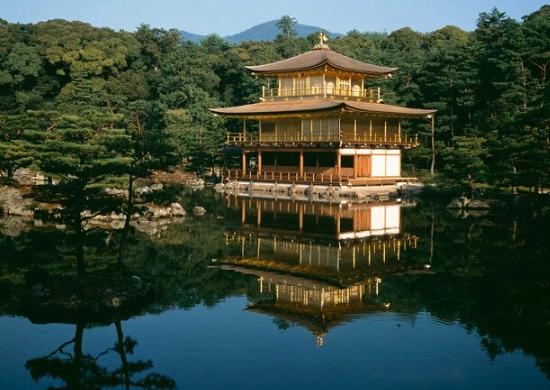
Heads up: This involves hiking. Comfortable shoes are non-negotiable. The full loop to the summit and back takes 2-3 hours. You don't have to do the whole thing, but committing to at least 30-40 minutes uphill is where you find solitude.
The Flip Side
The base, around the main shrine buildings, is a zoo. There are food stalls (try the grilled mochi and Inari sushi!), which is fun, but also thick crowds. The lower gates are so packed it's hard to get a clean photo. The stone steps can be steep and slippery when wet.
How to Hack Your Visit
- Go Early or Go Late: This is the most important tip for any top temples in Kyoto list, but especially here. 7 AM is ideal. You'll have the lower paths almost to yourself. Sunset is also beautiful, but it gets dark quickly on the mountain.
- Skip the Summit: The summit view of Kyoto is just okay. The best parts are the gates. I recommend walking up to the Yotsutsuji intersection (about 30-45 mins up). It has a nice view and is a great turning point.
- Explore the Side Paths: Look for smaller, moss-covered gates branching off. They're often older and more atmospheric.
- Check the official Fushimi Inari Taisha website for festival dates. They're fascinating but will mean epic crowds.
It's a unique, active experience. That's why it's firmly on my top 3 temples in Kyoto list.
The Cliffside Grandeur: Kiyomizu-dera
Perched on the side of Otowa Mountain, Kiyomizu-dera's main hall features a massive wooden stage, built without a single nail, jutting out over the hillside. The view over Kyoto is legendary. Founded in 778, it's associated with the goddess of mercy, Kannon.
This place feels more like a complex than a single temple. There are multiple halls, pagodas, and shrines on the grounds. It's a whole half-day affair.
What Makes It Special
The engineering of the stage is mind-boggling. The panoramic view of Kyoto, especially during cherry blossoms or autumn colors, is arguably the best from any of the top 3 temples in Kyoto. But beyond the stage, there are quirky, engaging features:
- Otowa Waterfall: Three streams of water fall into a pond. You use long cups to drink from one, each granting a different blessing (longevity, success in school, fortunate love). Drinking from all three is considered greedy!
- Jishu Shrine: A sub-shrine dedicated to love. There are two "love stones" 18 meters apart. Walking between them with your eyes closed means you'll find true love. It's hilarious to watch people try, often veering wildly off course.
- The approach up the historic Sannenzaka and Ninenzaka slopes, lined with traditional shops, is part of the charm (and the calorie-burning).
The Drawbacks
It's a serious climb from the bus stop. The stairs are relentless. The main stage area is almost always packed. The love stones can have a long queue. It feels more like a cultural theme park at peak times than a serene temple.
Strategies for a Better Experience
- Visit During Special Night Openings: Kiyomizu-dera has limited periods where it's illuminated at night (e.g., spring and autumn). These are expensive and ticketed, but the crowds are controlled, and the atmosphere is magical. Check their official site well in advance.
- Enter from the Back: Most people come up the front slopes. Consider taking a taxi to the upper gate (Kiyomizu-michi) near the pagoda. It's a slightly less crowded entrance.
- Don't Rush: Allow 2-3 hours to explore the whole sprawling complex properly, including the quieter sub-temples you pay extra to enter (like the Tainai-meguri, where you walk in pitch darkness symbolizing a womb).
It's grand, it's varied, and it offers that iconic postcard view. For its completeness and sheer impact, it rounds out the top 3 temples in Kyoto perfectly.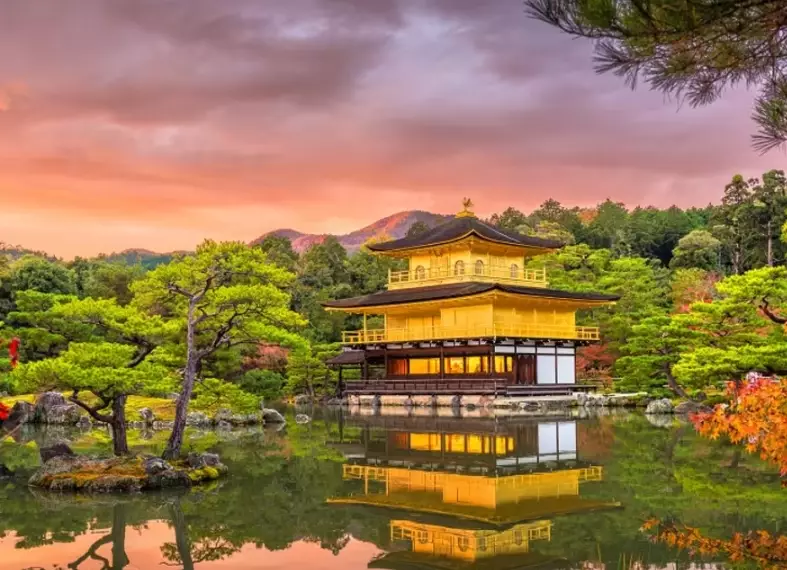
Side-by-Side: Your Quick Comparison Table
| Temple | Best For | Biggest Challenge | Ideal Visit Time | Time Needed |
|---|---|---|---|---|
| Kinkaku-ji (Golden Pavilion) | An iconic, breathtaking photo. A quick, stunning visual hit. | The rigid, crowded path. No exploration. | First 30 mins after opening. | 45-60 mins |
| Fushimi Inari Taisha | An active hike, unique photos in the gates, finding solitude. | The intense crowds at the base. Physical exertion. | 7:00 AM or late afternoon (go uphill). | 1.5 - 3 hours (depending on distance) |
| Kiyomizu-dera | A grand view of Kyoto, a complex with varied attractions. | Steep climbs and massive crowds everywhere. | Special night illuminations or on a weekday off-season. | 2 - 3 hours |
Practical Stuff Everyone Asks (The FAQs)
They're not close together. Trying to do all three in one day is a recipe for exhaustion and seeing nothing properly. Spread them out. Kinkaku-ji is in northwest Kyoto. Pair it with Ryoan-ji. Fushimi Inari is in the southeast, close to the JR Nara line. Kiyomizu is in the east (Higashiyama) area. Pair it with a stroll through Gion or other nearby temples like Kodai-ji.
Get an IC card (Suica, Pasmo, ICOCA). Tap and go on buses and subways. Kyoto's buses are often more useful than the subway for temples. The one-day bus pass can be worth it if you take 3+ trips. For planning routes, Google Maps is shockingly accurate for public transport in Japan.
There is no "bad" time, only different crowds and scenery.
- Spring (Cherry Blossoms, late Mar-early Apr): Magical. Also the most crowded and expensive time on earth. Book everything a year in advance.
- Autumn (Foliage, Nov): Equally stunning, equally crowded. The colors at Kiyomizu are insane.
- Summer (Jun-Aug): Hot and humid. Miserable for hiking Fushimi Inari in the midday sun. But greenery is lush.
- Winter (Dec-Feb): My secret favorite. Crowds are thinner (except for New Year's). The air is crisp and clear. Seeing Kinkaku-ji with a dusting of snow is a rare, incredible sight. Just bundle up.
No strict dress code for visitors, but modesty is respectful. Shoulders and knees don't need to be covered, but avoid super revealing clothing. The real dress code is for your feet: COMFORTABLE WALKING SHOES. I can't stress this enough. You will be on your feet on stone, gravel, and steep slopes for hours. Blisters will ruin your trip.
Pro Tip: Carry a small plastic bag for your shoes. Some temple buildings (like the interior halls at Kiyomizu) require shoe removal. Having a bag keeps your socks clean and makes it easy to carry them.
Not really for these specific ones. Each temple has its own entry fee (400-600 yen usually). The Japan National Tourism Organization (JNTO) site is a great resource for general passes like the Kyoto Bus Pass, but don't expect a "Big 3 Temples" discount ticket.
Simple things. Speak quietly. Don't eat or drink while walking through the main temple grounds (designated rest areas are fine). Don't toss coins randomly—only into the proper offering boxes (saisen-bako). Before entering certain halls, you may purify yourself at the chozuya (water pavilion): use the ladle to wash left hand, right hand, then pour water into your cupped left hand to rinse your mouth (spit the water onto the ground, not back into the basin). Finally, tilt the ladle vertically to wash the handle. It sounds complicated, but just watch what respectful locals do and follow suit.
Wrapping It Up: Your Action Plan
So, there you have it. The definitive, no-fluff guide to the top 3 temples in Kyoto. They're popular for undeniable reasons. Trying to find a "hidden gem" that tops these is, in my opinion, a fool's errand for a first-time visitor. See the icons. But see them smartly.
Recap the mantra: Go early. Wear good shoes. Don't try to do them all in one day. Accept that some crowds are inevitable, but use the strategies here to minimize their impact.
Start with Fushimi Inari at dawn for a mystical hike. Spend an afternoon with Kiyomizu-dera and the historic streets around it. Give Kinkaku-ji a morning of its own. You'll leave with not just photos, but real memories of what makes these places some of the most captivating spiritual sites in the world.
That's the real goal, right? To feel something, not just see something. With a little planning, these top 3 temples in Kyoto will deliver that in spades.





Share Your Thoughts