Let's be honest, most two-week Japan itineraries look the same. Tokyo, Hakone, Kyoto, maybe Hiroshima, then back. It's a fantastic loop, but it's also the one everyone takes. The trains are packed, the temples feel like queues with roofs, and you start wondering where the 'real' Japan is.
This isn't that trip.
This 14-day journey is for the traveler who wants to walk ancient pilgrimage trails, soak in remote hot springs with monkeys, and sleep in family-run inns where the owner might show you their vegetable garden. We'll trade skyscrapers for cedar forests, bullet trains for winding mountain buses, and crowds for profound silence. It's more physically demanding, requires more planning, and is infinitely more rewarding.
Here's the map we'll follow: a loop starting and ending in Tokyo, diving deep into the Japan Alps, then tracing the Pacific coast to the spiritual heart of the Kii Peninsula.
Your Journey at a Glance
| Day | Base / Route | Key Activities & Highlights |
|---|---|---|
| 1-3 | Tokyo > Nikko | Tokyo's retro Yanaka, travel to Nikko, Toshogu Shrine & Lake Chuzenji |
| 4-6 | Matsumoto > Kamikochi > Tsumago | Matsumoto Castle, Alpine Route / Kamikochi hike, Nakasendo post-towns |
| 7-9 | Ise > Kii-Katsuura | Ise Grand Shrines, travel along coast, Kii-Katsuura fish market & hot springs |
| 10-12 | Kumano Kodo Pilgrimage (Nakahechi) | Hike from Takijiri-oji to Kumano Nachi Taisha (3 days) |
| 13-14 | Return to Tokyo | Travel from Kii-Katsuura to Tokyo, last night in Shinjuku or similar |
Part 1: Tokyo's Secret Corners & Mountain Air (Days 1-3)
We're not starting with Shibuya Crossing. Instead, we head to Yanaka, a neighborhood in northeast Tokyo that escaped the fires of 1923 and the bombs of 1945. It feels frozen in time. Narrow lanes, old wooden houses, tiny art galleries, and an overwhelming number of cats.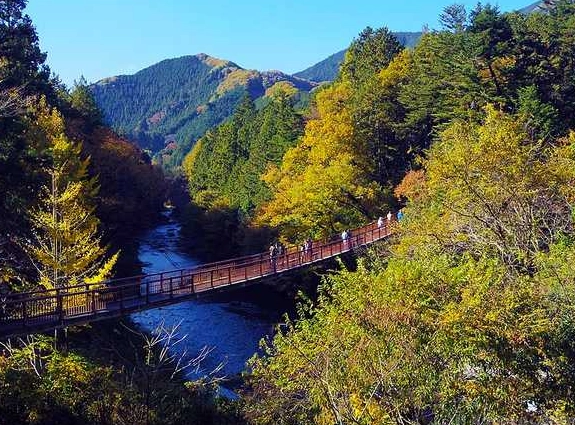
Spend your first afternoon here. Get lost. Visit the Yanaka Cemetery, not for morbidity, but for its peaceful, tree-lined paths. Pop into Kayaba Coffee, a former teahouse turned café. This isn't the frantic Tokyo of postcards; it's a slow, residential Tokyo where life unfolds on doorsteps.
Day 2 is a travel day, but the destination is worth it. Take the Tobu Railway line from Asakusa to Nikko (about 2 hours). Ditch your main bag at your ryokan or a coin locker at the station. You have one mission: see Toshogu Shrine before the crowds arrive tomorrow.
The Bag Hack
Forward your large suitcase from your Tokyo hotel to your accommodation in Matsumoto (Day 4). It costs about ¥2,000 and saves you hauling it up mountains and onto pilgrim trails. Carry a 3-5 day pack for Nikko and the Alps. Yamato Transport's takkyubin service is everywhere.
Toshogu is a UNESCO site, the dazzling mausoleum of Tokugawa Ieyasu. Yes, it's ornate. But look past the gold leaf. See the famous sleeping cat (nemuri-neko), and the three monkeys (see no evil, hear no evil, speak no evil). Pro-tip: The shrine complex opens at 8:00 AM. Be there at 7:45. You'll get 30 minutes of relative peace before the tour buses roll in.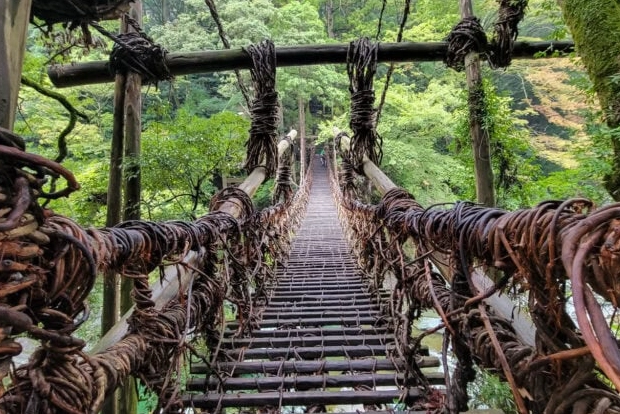
Day 3, get up early again. Take the local bus (about 50 minutes) up the winding mountain road to Lake Chuzenji. This high-altitude lake was formed by a volcanic eruption 20,000 years ago. Walk the eastern shore. Visit the Kegon Waterfall, which plunges nearly 100 meters. If you're feeling energetic, hike part of the Senjogahara Marshland trail. You're breathing crisp mountain air, miles from the Tokyo crowds.
Part 2: Alpine Peaks & Post-Towns (Days 4-6)
Now we head deep into the Japanese Alps. This requires a bit of train ballet.
Day 4: Travel from Nikko to Matsumoto. This involves trains back to Tokyo (Utsunomiya > Tokyo) then out to Matsumoto on the Azusa limited express (about 4.5 hours total). It's a long travel day, but your reward is one of Japan's most beautiful castles.
Matsumoto Castle is a hirajiro (built on plains, not a hill). Its black wooden facade is stark and powerful. Inside, it's all original 400-year-old wood, steep stairs, and military architecture. No concrete reconstruction here. It feels alive.
Day 5 presents a choice, dependent on season and fitness.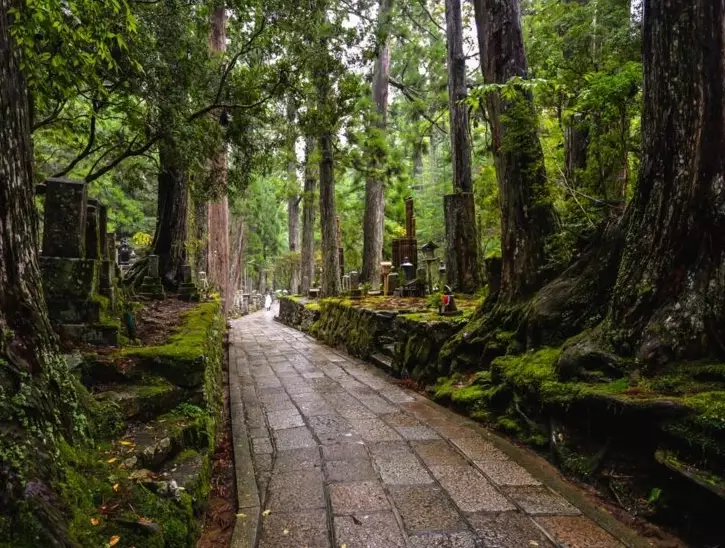
- Option A (Late Apr - Nov): The Tateyama Kurobe Alpine Route. This isn't a hike; it's a spectacular series of cable cars, buses, and a walk across the snow corridor. You travel from Ogizawa to Tateyama, then down to Toyama. It's a full-day, jaw-dropping journey through the roof of Japan. You'd need to move your base to Toyama for the night.
- Option B (Year-round & for hikers): Travel to Kamikochi. This highland valley is the gateway to the Hotaka mountains. Private cars are banned. You walk flat trails along the Azusa River, surrounded by 3,000-meter peaks. Stay in a lodge there. It's pure, pristine mountain scenery.
I've done both. The Alpine Route is unforgettable, but Kamikochi feels more connected to the landscape. If you hike, choose Kamikochi.
Day 6: Time travel. From Matsumoto (or Toyama/Kamikochi), head to Nagiso Station via train. You're entering the Nakasendo, an old postal road. The section between Tsumago and Magome is a beautifully preserved 8km hike through forests and past waterfalls. Stay in a minshuku (family-run guesthouse) in Tsumago. At night, with the day-trippers gone, the town is silent. You can hear the Edo period.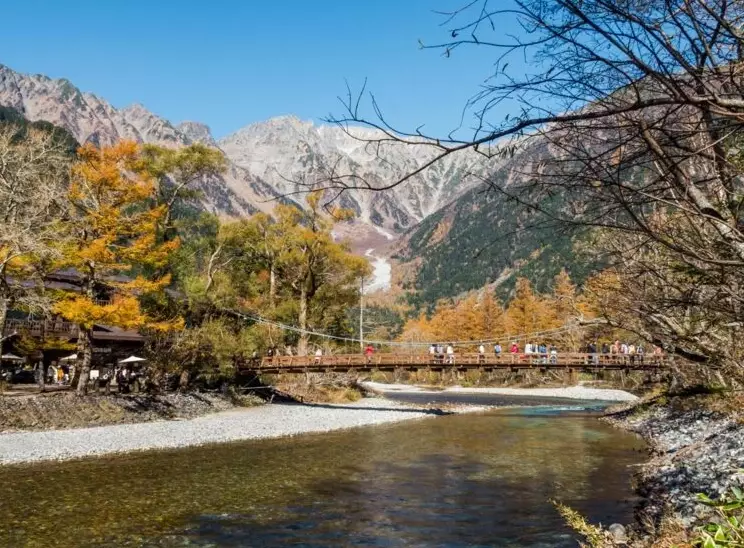
Part 3: Coast, Culture & Pilgrimage (Days 7-9)
The journey south begins. Day 7 is another long travel day to Ise, in Mie Prefecture. Trains from Nagiso to Ise take about 4 hours. But Ise is the spiritual home of Japan.
Day 8 you visit the Ise Grand Shrines. The outer shrine, Toyouke Daijingu, is dedicated to food. The inner shrine, Naiku, is dedicated to Amaterasu, the sun goddess. Naiku is rebuilt from new wood every 20 years (the next is 2033). This cycle of renewal is central to Shinto. The approach to Naiku crosses the Isuzu River. Purify your hands and mouth. The atmosphere is heavy with reverence. This is Japan's most sacred site.
In the afternoon, travel along the coast to Kii-Katsuura, a small fishing town in Wakayama. You'll start to feel the change. This is the Kii Peninsula, land of forests and pilgrimage.
Day 9: Relax and prepare. Visit the morning fish auction at Kii-Katsuura port. It's small but intense. Then, take a short boat trip to Koguchi, a tiny settlement only accessible by sea or a tough mountain trail. This is where you'll start your Kumano Kodo hike tomorrow. Soak in an onsen. Check your gear. Eat well. The pilgrimage begins tomorrow.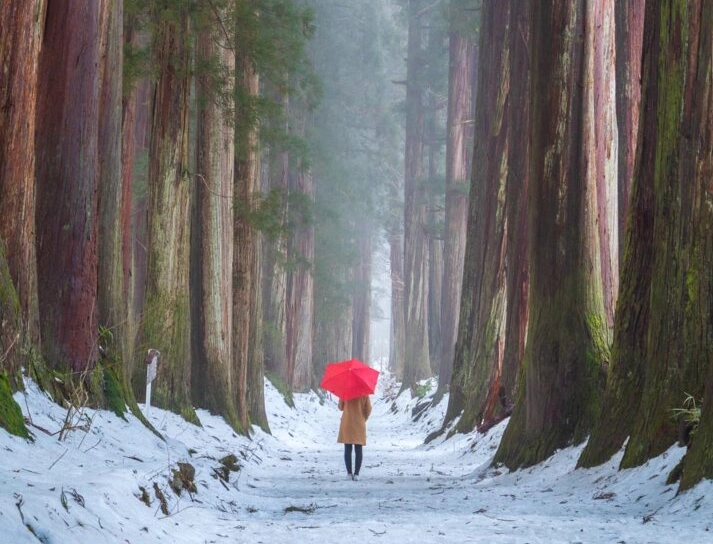
Part 4: The Heart of the Kumano Kodo (Days 10-12)
This is the core of the trip. You're walking the Nakahechi route, the imperial pilgrimage path used for over 1,000 years. It's a UNESCO World Heritage site. You'll need to book your accommodations months in advance, as options are very limited.
Day 10: Koguchi to Kumano Hongu Taisha (~13km, 6-7 hours)
The hardest day. You face the Ogumotori-goe route, which includes a 800-meter climb over a mountain pass. The forest is dense, silent. You pass small oji (sub-shrines). It's just you, your breath, and the ancient stone steps. The goal is Hongu Taisha, one of the three grand shrines of Kumano. Your lodging will likely be in the nearby Yunomine Onsen village, home to a 1,800-year-old hot spring.
Day 11: Hongu to Kumano Nachi Taisha (~15km, 5-6 hours)
A gentler day following river valleys. You can take a bus partway to Kogahara and walk the final 7km to Nachi if you're tired. The trail ends at the Nachi Taisha, set against the backdrop of the Nachi waterfall, Japan's tallest. The sight of the vermilion shrine gate with the 133-meter cascade behind it is a pilgrimage climax.
Day 12: Rest & Reflection in Kii-Katsuura
You've earned it. Take a short train or bus back to Kii-Katsuura. Visit the three Kumano Hayatama Taisha in the town. Soak in your onsen again. Your legs will thank you. There's a deep sense of accomplishment here that no city sightseeing can provide.
Part 5: Return to Tokyo, Transformed (Days 13-14)
Day 13 is travel. The express train from Kii-Katsuura to Nagoya, then the Shinkansen back to Tokyo. It's about 5-6 hours. You'll stare out the window, processing the last two weeks. The neon jungle of Shinjuku that night will feel alien, overwhelming.
Day 14 is for last-minute souvenirs or a museum you missed. But you're not the same person who left Yanaka two weeks ago. You've walked in the footsteps of emperors and monks. You've slept in towns with no convenience stores. You've experienced a Japan of deep spirituality and raw nature, far from the beaten path.
The Nitty-Gritty: Transport, Stays & Tips
Transport Passes: The Dilemma
The standard Japan Rail Pass rarely pays off for this itinerary. You're using many private railways (Tobu to Nikko, Kintetsu to Ise, local buses). Calculate your long Shinkansen trips (Tokyo > Matsumoto maybe, Nagoya > Tokyo). Often, paying individually or using regional passes (like the Kansai-Hiroshima area pass for the Kumano area) is cheaper.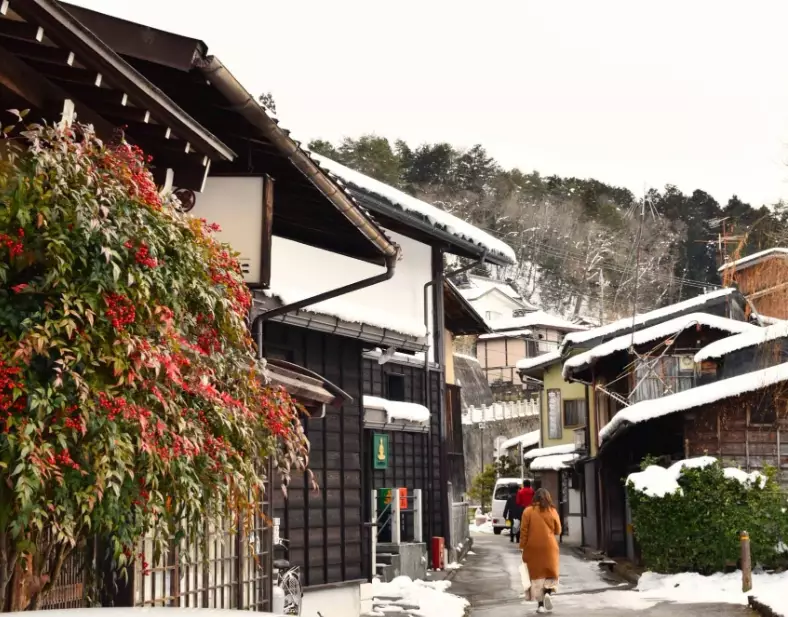
Accommodation: Embrace the Ryokan & Minshuku
- Nikko/Tsumago/Kii-Katsuura/Koguchi: Stay in traditional ryokan or minshuku. This means sleeping on futons, eating multi-course kaiseki meals, and using shared baths. It's not a hotel; it's an experience. Book directly via their websites or phone (some use booking platforms, but many don't).
- Matsumoto/Tokyo: Business hotels are fine here for convenience.
- Kumano Kodo: This is critical. Book your lodgings (Koguchi, Yunomine, Kii-Katsuura) the moment you know your dates. They fill up fast. The Tanabe City Kumano Tourism Bureau website is the official resource.
When to Go
- Best: October-November for fall foliage. May-June (excluding Golden Week) for green landscapes and mild weather.
- Good: September (but risk of typhoons). July is hot and humid, but the mountains are cooler.
- Avoid: Golden Week (late Apr/early May) and Obon (mid-August). Everything will be booked, and trails will be crowded.

Share Your Thoughts