Dive Guide Overview
- Why Even Consider Scuba Diving in Japan?
- The Crown Jewels: Top Regions for Scuba Diving Japan
- When to Go: Decoding the Japan Diving Season
- The Star-Studded Cast: Marine Life You Can't Miss
- Gearing Up & Getting Wet: The Nitty-Gritty Practical Info
- Beyond the Bubbles: Cultural Etiquette & Responsible Diving
- Frequently Asked Questions (The Stuff You're Actually Searching For)
- Pulling the Trigger: How to Start Planning Your Trip
Let's be honest. When you think of a scuba diving Japan trip, your mind probably jumps straight to tropical fish and palm trees. I did too, before I actually went. Turns out, that's only a fraction of the story. Japan's underwater world is this wild, unexpected mix of things – you've got coral reefs that could give the Caribbean a run for its money, but you've also got eerie volcanic landscapes, mysterious kelp forests, and critter hunting that'll make any muck diving fanatic drool. It's a place where tradition meets the deep blue in the most fascinating ways.
Planning a scuba diving Japan adventure is a bit different from booking a standard tropical liveaboard. The logistics, the seasons, the sheer variety of experiences on offer – it can feel overwhelming. I remember spending hours piecing together info from forums and outdated blogs. Was winter diving in Hokkaido even possible? What's the deal with the famous hammerheads? Is it all crazy expensive?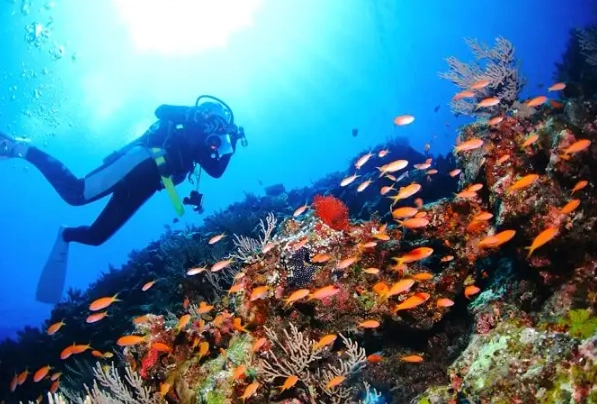
Why Even Consider Scuba Diving in Japan?
You might be wondering, with all the classic dive destinations out there, why bother? Good question. Japan offers a combination you won't find easily bundled together anywhere else.
First, the diversity is insane. We're talking about a country that stretches from subtropical islands near Taiwan all the way up to sub-arctic waters off Hokkaido. The marine life list reads like a global tour: manta rays and whale sharks in the south, sea lions and kelp forests in the north, and a whole universe of rare, endemic tiny creatures (we call them "macro" life) in between. The Japan Tourism Agency's official travel site often highlights this geographical wonder, but seeing it underwater is another thing entirely.
Then there's the infrastructure and safety. Japanese dive operations are, in my experience, meticulously organized. Safety briefings are thorough, gear is well-maintained, and guides are highly knowledgeable. It's a reassuring environment, especially if you're trying colder water or more challenging conditions for the first time.
And finally, the culture. Diving here isn't just a splash-and-go activity. It's often paired with an onsen (hot spring) soak afterwards, a meal of incredibly fresh seafood, and a level of service that makes the whole trip feel seamless. It's a full cultural immersion, with a wetsuit intermission.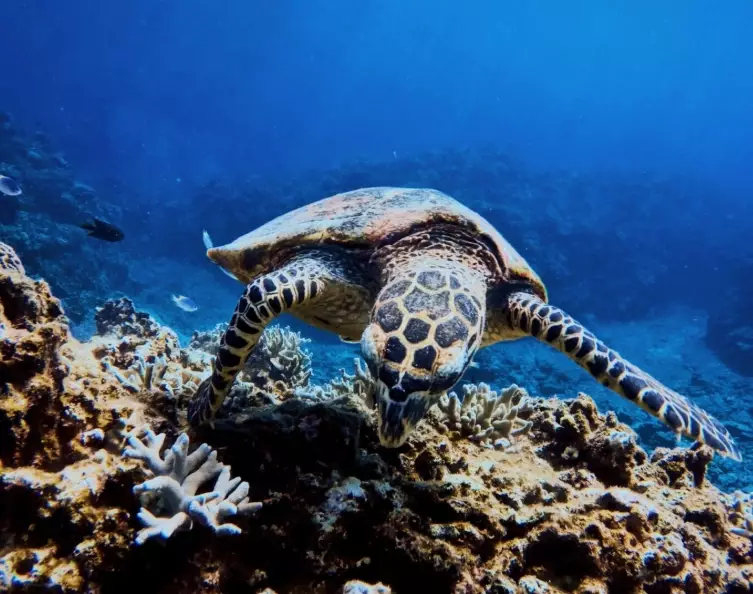
The Crown Jewels: Top Regions for Scuba Diving Japan
You can't talk about scuba diving Japan without breaking it down by region. The country isn't a single destination; it's a collection of vastly different underwater provinces.
Okinawa & the Southern Islands (The Tropical Dream)
This is the postcard image. Okinawa Prefecture, especially islands like Ishigaki, Miyakojima, and Kerama, is blessed with stunning coral reefs, electric blue water (they call it "Kerama Blue"), and pelagic action. The reefs are vibrant and healthy, supporting turtles, reef sharks, and massive schools of tropical fish. It's the most accessible and conventionally "beautiful" diving Japan has to offer, with water temps rarely dipping below 20°C (68°F). Perfect for divers of all levels who want warmth and visibility.
Izu Peninsula & the Miura Peninsula (The Mainland's Playground)
A short train ride from Tokyo, the Izu Peninsula is where many Tokyoites get their fix. The diving here is a mix of rocky reefs, dramatic drop-offs, and interesting volcanic topography. The water is cooler (temperate), which brings a different cast of characters: colorful nudibranchs, curious rockfish, and in certain seasons, large schools of fish like sardines or amberjack. It's a fantastic option for a quick escape from the city. The vibe is more local, less touristy.
I found the dive shops here to be incredibly welcoming to solo divers. They'll often help you buddy up with a local.
Ogasawara (Bonin) Islands (The Remote Frontier)
This is the holy grail for many serious divers. Located about 1000 km south of Tokyo, the Ogasawara Islands are a UNESCO World Heritage site accessible only by a 24-hour ferry. The remoteness is the point. The ecosystems are pristine and unique, with a high rate of endemic species. You'll dive with dolphins that come to play, see unique coral formations, and feel a true sense of adventure. This is not a last-minute trip; it requires planning and a tolerance for open ocean crossings. But for those who make it, it's an unforgettable chapter in their scuba diving Japan story.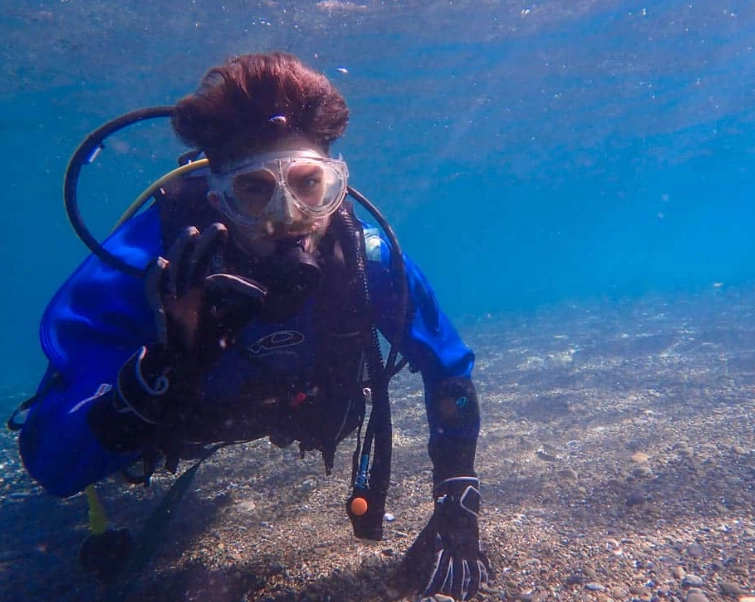
Hokkaido & Tohoku (The Cold Water Wonderland)
This is where Japan flips the script entirely. Think drysuits (or very thick wetsuits), nutrient-rich waters, and surreal seascapes. Diving with playful sea lions in Rishiri Island's kelp forests is a highlight. The colors are different here – hues of green, brown, and gold, with explosions of life like sea anemones and starfish. It's challenging, it's cold, but it's profoundly rewarding. You need appropriate training and gear for this environment. The Professional Association of Diving Instructors (PADI) offers specific Dry Suit Diver courses that are highly recommended before attempting this.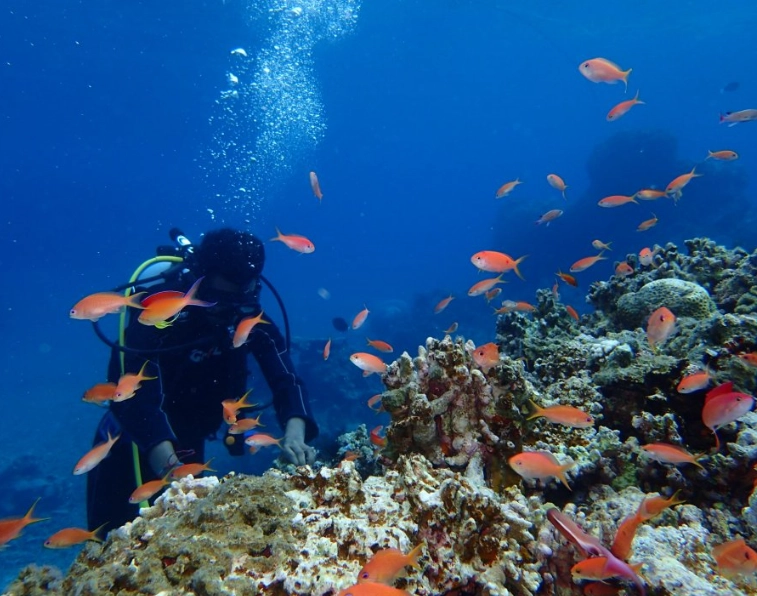
When to Go: Decoding the Japan Diving Season
There is no single "best" season for scuba diving Japan. It entirely depends on where you go and what you want to see. Getting this wrong can mean poor visibility, rough seas, or missing the iconic species you traveled for.
| Region | Best Season | Water Temp Range | What You'll Likely See | Considerations |
|---|---|---|---|---|
| Okinawa (South) | Late Mar - Early Dec | 22°C - 30°C (72°F - 86°F) | Manta Rays, Whale Sharks (Apr-Oct), Turtles, Coral Spawning (Jun) | Typhoon season is Jul-Oct. Can be rainy/humid in summer. Winter is mild but some shops close. |
| Izu Peninsula | May - Nov | 16°C - 26°C (61°F - 79°F) | Nudibranchs, Rockfish, Sardine Balls (Summer), Clearer Viz in Fall | Water cools quickly in late fall. Winter diving is for the very hardy (dry suit essential). |
| Ogasawara Islands | May - Sep | 24°C - 29°C (75°F - 84°F) | Dolphins, Humpback Whales (Feb-Apr), Galapagos Sharks | Accessible season limited by ferry & weather. Peak summer can be busy. |
| Hokkaido (Sea Lions) | Jul - Sep | 10°C - 18°C (50°F - 64°F) | Sea Lions, Kelp Forests, Jellyfish, Unique Cold-Water Critters | Dry suit mandatory. Weather is unpredictable. Summer offers the most stable conditions. |
See what I mean? Planning a scuba diving Japan trip in August? You could be sweating in Okinawa or shivering (in a good way) in Hokkaido. Both are valid, but they're different planets.
My personal favorite is late spring (May) for the south. The humidity hasn't peaked yet, the water is warming up, and the crowds aren't at their fullest. For the north, early September gives you a shot at the last of the stable weather before it turns.
The Star-Studded Cast: Marine Life You Can't Miss
This is the fun part. What actually lives down there?
The Mega-Fauna (The Big Ticket Items)
- Hammerhead Sharks: The legendary schools at Yonaguni Island (Okinawa) are a bucket-list item for any shark lover. Best seen in winter, they require advanced diving due to currents and depth.
- Manta Rays: Ishigaki and the Kerama Islands are your best bet. They're on cleaning stations, so you can often observe them hovering gracefully for minutes on end.
- Whale Sharks: Mostly seen in Okinawan waters from April to October. Sometimes they're in open water, sometimes near the surface – it's always a moment of pure awe.
- Humpback Whales: While not typically a scuba encounter (snorkeling or from the boat), the Ogasawara Islands are a famed breeding ground. Hearing their songs while on the surface interval is magical.
But honestly? Some of my most memorable moments weren't with the giants. They were with the small stuff.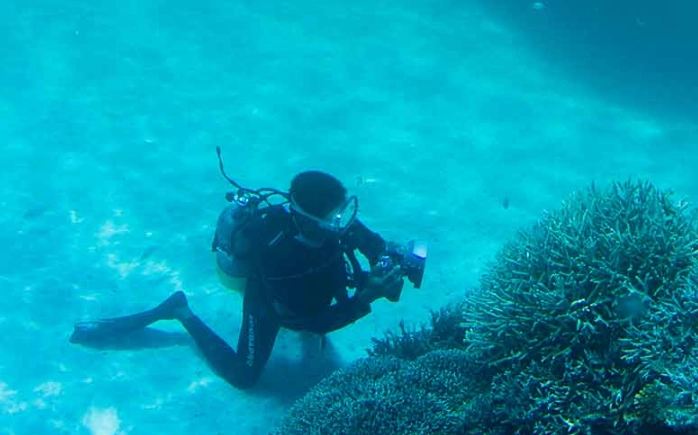
The Macro & Critter Kingdom (For the Detail-Oriented)
Japan is a world capital for muck diving and macro photography. Places like Kushimoto (Wakayama) or the sandy bottoms around Izu are treasure troves.
- Endemic Species: Look for the Japanese seahorse, the adorable Inimicus japonicus (devil stinger fish), and countless species of nudibranchs found nowhere else.
- Frogfish, Ghost Pipefish, Ornate Lionfish: They're all here, hiding in plain sight. A good guide is worth their weight in gold for spotting these masters of camouflage.
It's this combination – the chance to see a hammerhead one day and hunt for a pygmy seahorse the next – that makes the marine life aspect of scuba diving Japan so special.
Gearing Up & Getting Wet: The Nitty-Gritty Practical Info
Let's talk logistics. This is where trips get real.
Do I Need to Speak Japanese?
Not necessarily, but it helps immensely. In major tourist dive areas like Okinawa, many shops have English-speaking staff. In more remote or local areas, it can be very limited. I've managed with a lot of pointing, basic phrases, and translation apps. Always confirm language capabilities when you book. It saves a lot of stress during the safety briefing.
What's the Cost Like?
Let's be direct: scuba diving Japan is not a budget destination like Southeast Asia. A typical two-tank boat dive can range from 12,000 to 20,000 JPY (approx. $80-$140 USD). Quality and service are high, so you're paying for that. Accommodation and food in Japan also add up. It's an investment, but one most divers find worthwhile for the unique experience.
Gear Rental
Most shops offer full gear rental. The equipment is generally of good quality and well-maintained. However, if you're a larger person or have specific needs (like large feet), your size options might be limited. If you have your own mask, computer, or exposure suit you love, bringing them is a good idea. For cold water diving in the north, verify that they have drysuits in your size well ahead of time.
Certifications & Safety
You will need to show your certification card (C-card) from a recognized agency like PADI, SSI, or NAUI. For more advanced sites (like Yonaguni's hammerhead spots or drift dives), operators will require proof of advanced training and sometimes a minimum number of logged dives. They take this seriously. Don't try to bluff your way onto an advanced dive; it's for your safety and the group's.
The Japan Underwater Activities Association (JUA) is a key national body promoting safe diving practices, though most local shops operate under international agency standards.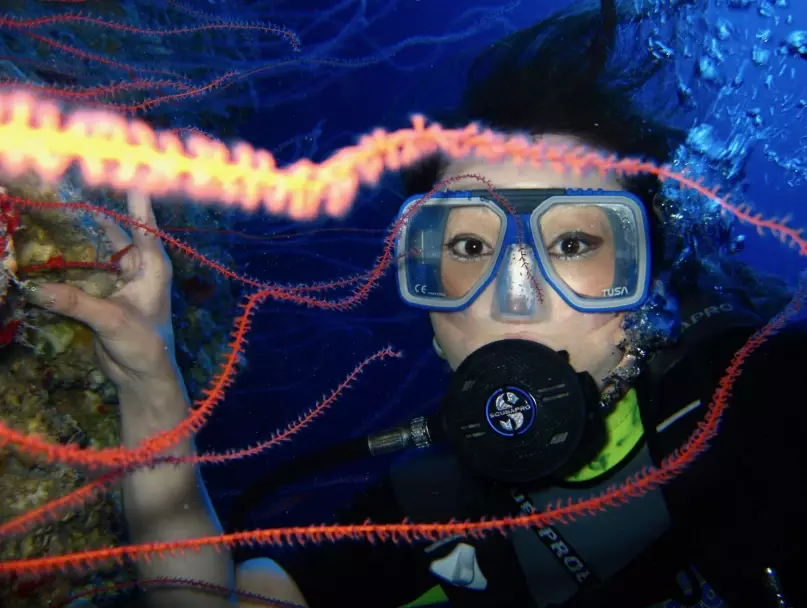
Beyond the Bubbles: Cultural Etiquette & Responsible Diving
Diving here comes with an unspoken responsibility. The Japanese have a deep cultural respect for nature (shizen). You'll see it in how guides interact with the environment – no touching, no chasing, minimal disturbance.
- Be Punctual: This is non-negotiable. If the boat leaves at 8:00 AM, be there at 7:45 AM. Tardiness is seen as highly disrespectful.
- Cleanliness: Rinse your gear thoroughly. Keep the boat and shop tidy. It's part of the collective respect.
- No-Touch Policy: This is enforced even more strictly than in many other places. Corals and creatures are to be observed, not interacted with.
- Onsen After Diving: If you have the chance, do it. It's the perfect way to warm up and relax sore muscles. Just remember to wash thoroughly before entering the bath, and no swimsuits (small towels are used for modesty).
Adopting this mindful approach doesn't just make you a good guest; it genuinely enhances the experience. You start to see more when you're still and observant.
Frequently Asked Questions (The Stuff You're Actually Searching For)
Pulling the Trigger: How to Start Planning Your Trip
Feeling inspired? Here's a simple checklist to get you from dream to reality.
- Decide on your priority: Is it warm water & mantas? Cold water & sea lions? Remote adventure? This picks your region.
- Check the season: Cross-reference your desired region with the seasonal table above. Make sure what you want to see is actually there.
- Research dive operators: Look for shops with good English communication if needed. Email them with specific questions about sites, requirements, and their schedule.
- Book flights & critical logistics FIRST: This means flights to Okinawa, the Ogasawara ferry, or Hokkaido. These slots fill up.
- Book accommodation near your dive base: Many dive shops can recommend or help arrange this.
- Get your documents in order: Valid passport, dive certification, and dive insurance (like DAN). The Divers Alert Network is globally recognized and provides crucial emergency coverage.
The planning is part of the fun. It's like piecing together a puzzle where the final picture is an incredible adventure.
Scuba diving Japan has a way of surprising you. It challenges the standard tropical dive vacation template and offers something richer, more varied, and deeply connected to the land and culture above it. It's not always the easiest trip to plan, and it might push you out of your comfort zone – whether into colder water or a remote island chain. But that's precisely what makes it so rewarding. You come back with more than just photos of fish; you come back with stories of bowing to clams, soaking in onsens, and discovering a whole new side to the ocean, one that feels uniquely, wonderfully Japanese.
So, what are you waiting for? The water's fine. Well, in Okinawa it is. In Hokkaido, it's bracing. And that's the beauty of it.


Share Your Thoughts