So you're planning a trip to Japan and you have a disability certificate. Maybe you're a wheelchair user, have limited mobility, or a chronic health condition. The first thought might be anxiety. How accessible is Japan really? Can I use my foreign disability certificate there? Will I be a burden?
Let's cut through the noise. Japan is one of the most rewarding destinations for travelers with accessibility needs, but it operates on its own logic. Having a disability certificate (from your home country or a Japanese one) isn't just a formality—it's a key that unlocks significant discounts, priority access, and a smoother experience. But you need to know how to use it. This guide isn't a generic list of "accessible" places. It's a tactical manual from someone who's navigated this system, helping you avoid the subtle pitfalls that most first-timers face.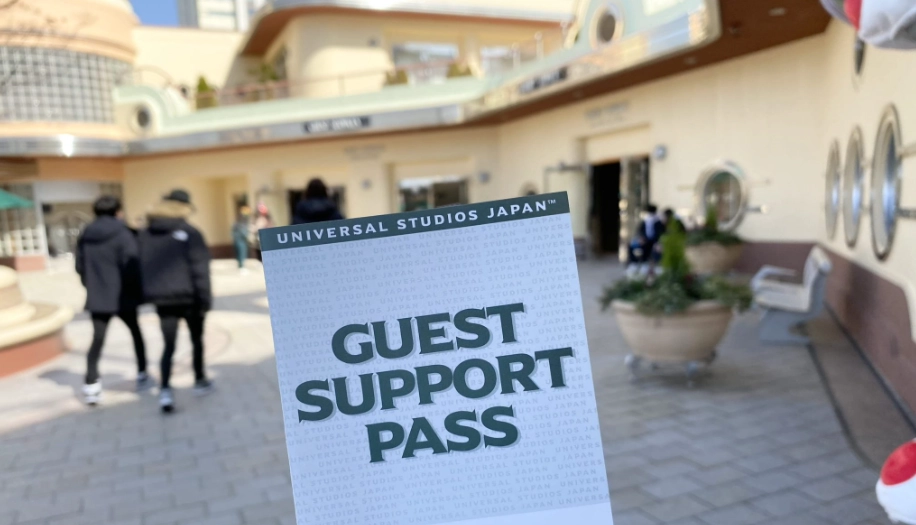
Your Accessible Japan Journey at a Glance
- Understanding the Japanese Disability Certificate System
- Transportation Guide: Trains, Buses & Discounts
- Top Accessible Attractions & How to Visit Them
- Accessible Accommodation & Dining Tips
- Navigating Cultural Nuances & Etiquette
- A 7-Day Barrier-Free Tokyo-Kyoto Sample Itinerary
- Your Burning Questions Answered (FAQ)
Understanding the Japanese Disability Certificate System
Here's the most important thing most blogs get wrong: Japan does not have a universal "disability tourist pass." The benefits come from two main sources: your foreign disability certificate and Japan's own Shintai Shogaisha Techo (身体障害者手帳).
For most short-term tourists, your home country's official certificate is your primary tool. Carry the original or a certified copy with a translation (English is often fine, but a simple Japanese translation helps). I've used my UK Blue Badge documentation at major attractions like Tokyo Disneyland and the Tokyo Skytree without issue. The staff are trained to recognize international certificates, though confidence varies.
The real game-changer is the companion discount. At many paid attractions, presenting a disability certificate often grants a 50% discount for the certificate holder and sometimes for one companion. This is rarely advertised in English. You have to ask politely: "Shogaisha waribiki wa arimasu ka?" (障害者割引はありますか?).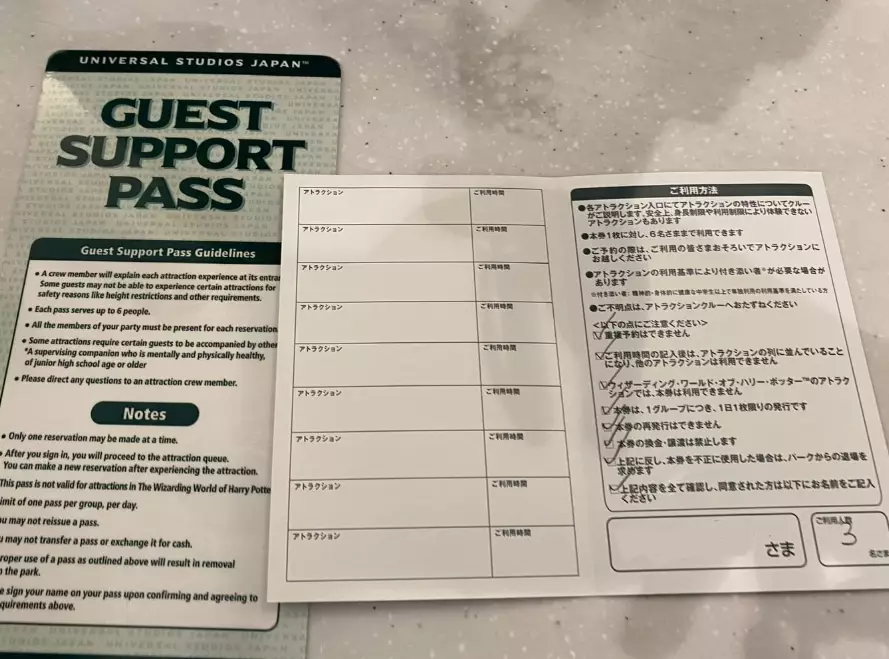
Expert Tip: Don't assume the discount is automatic at every shrine or temple. Major, state-run cultural sites like Tokyo National Museum or Nara Park are usually compliant. Smaller, privately-run temples in Kyoto's Higashiyama district? Often not. The gradient of accessibility is steep, and it's tied directly to public funding and visitor volume.
Transportation Guide: Trains, Buses & Discounts
Public transport is Japan's lifeline, and it's largely accessible, but with crucial caveats.
Trains (JR & Subways)
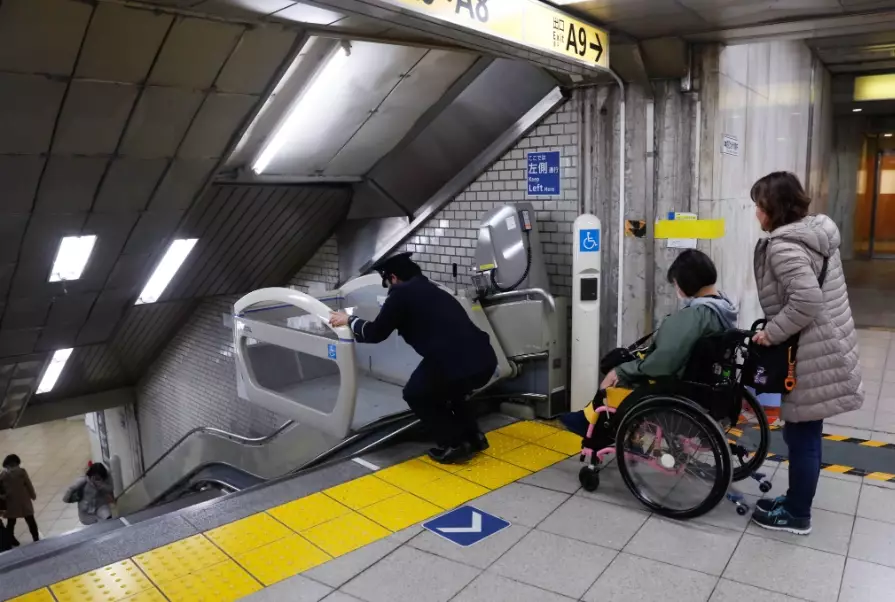
All major stations in cities like Tokyo, Osaka, and Kyoto have elevators or platform lifts. However, the exits are not always equally accessible. Use apps like "Japan Travel" by Navitime or Google Maps with the "wheelchair accessible" routing option. They're not perfect, but they highlight stations with step-free access.
The Japan Rail Pass does not offer a specific disability discount, but you can purchase it at the standard rate. Where your certificate shines is with single-journey tickets on JR lines. At any manned Midori-no-Madoguchi (ticket office), show your certificate. You and one companion can often purchase tickets at a significant discount—usually around 50% off. This is separate from the Rail Pass and applies to regional travel.
For subways (Tokyo Metro, Toei), the process is different. You typically don't get a fare discount. Instead, you and an assistant can often ride for free or at a reduced rate by obtaining a special permit from the station office before you pass through the gates. This is a hassle most tourists skip, but it's worth it for multiple journeys in a day.
Buses & Long-Distance Travel
City buses are a mixed bag. Many have kneeling functions and ramps, but driver proficiency varies. Long-distance highway buses (like Willer Express) often have 1-2 wheelchair-accessible seats that must be booked well in advance via phone or a specialized portal, not the standard website.
For taxis, look for the "Universal Design Taxi" (usually silver or black with a wheelchair symbol). They have ramps and more space. You can book them via the Japan Taxi app or by calling a dispatch center.
Top Accessible Attractions & How to Visit Them
Let's get concrete. Here are two iconic sites with specific, actionable information for disability certificate holders.
| Attraction | Accessibility Features | Disability Certificate Benefit | Key Tip & Address |
|---|---|---|---|
| Tokyo Disneyland/DisneySea | Extensive. Detailed accessibility maps online. Many rides offer wheelchair transfer or accessible vehicles. Rentals available. | Brilliant. Get a "Disney Harmony Card" at Guest Relations. It provides return times for attractions, avoiding long queues. Your certificate gets you and up to 2 companions the card. No direct ticket discount. | Bookmark this: The official Tokyo Disney Resort Barrier-Free Guide is your bible. 1-1 Maihama, Urayasu, Chiba 279-0031. Take the JR Keiyo Line to Maihama Station (elevator access). |
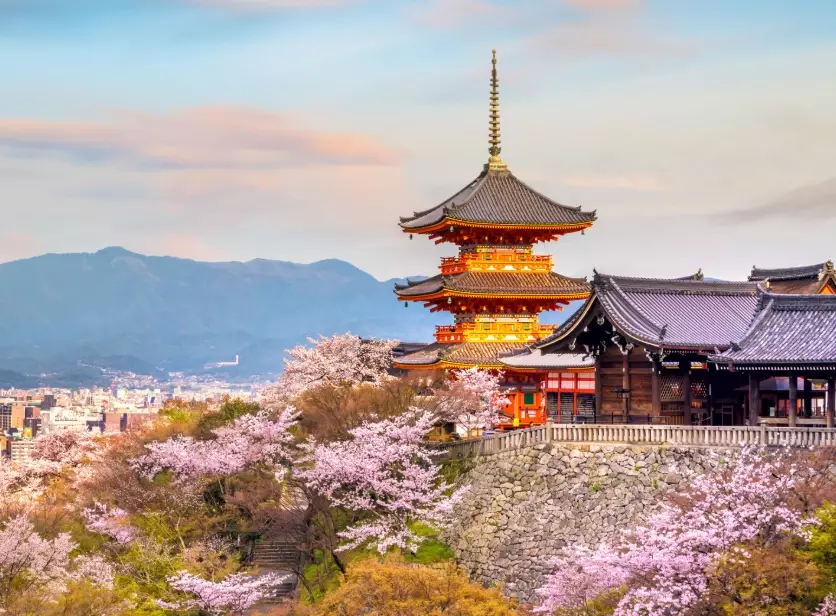
| Kiyomizu-dera Temple, Kyoto | Challenging. The main hall is on stilts with steep steps. However, there is a designated barrier-free route that bypasses the main climb, offering 70% of the views. | Admission discount for the holder (¥300 instead of ¥400). Companion pays full price. The barrier-free route is available to all, but staff can guide you if you ask. | Go early. The path is narrow. 1-294 Kiyomizu, Higashiyama Ward, Kyoto. Accessible taxi is best. Buses #206 or #100 stop nearby, but the walk from the stop is uphill. |
Other highly recommended accessible spots:
Miraikan (National Museum of Emerging Science) in Tokyo is a futuristic, fully accessible museum. Ramps everywhere, tactile exhibits. Your certificate gets a discount.
Nara Park is largely flat and spacious. The paths to Todaiji Temple (home of the Great Buddha) are paved. Watch for deer, who are charming but can bump into mobility aids.
Universal Studios Japan in Osaka has a system similar to Disney's. Register at the Guest Service window for an "Attraction Accommodation Pass" based on your needs.
Accessible Accommodation & Dining Tips
Booking hotels is where you must be meticulous. "Non-smoking room" is not "barrier-free room." In Japanese online booking systems, look for these exact tags: バリアフリー (barrier-free), 車椅子対応 (wheelchair accessible), or ユニバーサルデザイン (universal design).
Major international chains (Hilton, Marriott) in big cities are reliable bets. For a more local feel, look for newer business hotels like Dormy Inn or Richmond Hotel, which often have well-designed accessible rooms. Always call or email the hotel directly after booking online to confirm the specific features of the accessible room—roll-in shower width, bed height, etc. This one call saves immense stress upon arrival.
Dining: Izakayas (pubs) and tiny ramen shops are often cramped and have steps. Look for larger, modern restaurants or department store (depachika) food halls, which are almost always accessible and have clear visual menus. Conveyor belt sushi chains like Kura Sushi or Sushiro are excellent choices—spacious, affordable, and you don't need to verbalize an order.
Navigating Cultural Nuances & Etiquette
Japanese people are extraordinarily helpful, but there's a cultural script. A common mistake Westerners make is being overly effusive in their thanks or refusing help to be "independent." In Japan, accepting help graciously (arigato gozaimasu with a slight bow) is part of the social contract. If a station staff member escorts you to an elevator, they are doing their job meticulously. Let them.
On crowded trains, the priority seats (シルバーシート) are for elderly, pregnant, ill, and disabled passengers. Don't hesitate to use them. You'll notice people often avoid these seats even when empty—they're reserved for those who need them.
Personal space is limited. Your wheelchair or walker may lightly bump someone. A quick, sincere "sumimasen" (excuse me) is all that's needed. No one will make a scene.
A 7-Day Barrier-Free Tokyo-Kyoto Sample Itinerary
This isn't a rushed marathon. It's a paced, realistic plan focusing on accessibility and certificate benefits.
Day 1-3: Tokyo
Base: Hotel near Tokyo Station or Shinjuku Station (excellent transport hubs).
- Day 1: Arrive at Narita/Haneda. Use the Airport Limousine Bus—they have wheelchair lifts and bookable spaces. Easier than navigating trains with luggage.
- Day 2: **Asakusa & Odaiba.** Take an accessible taxi to Senso-ji (the approach is flat, temple grounds manageable). Then, take the futuristic Yurikamome automated train (fully accessible) across the Rainbow Bridge to Odaiba. Visit Miraikan (science museum).
- Day 3: **Shinjuku & Shibuya.** Explore the wide, modern paths of Shinjuku Gyoen National Garden (discount with certificate). Use the accessible exits at Shibuya Station to see the scramble.
Day 4: Travel to Kyoto via Shinkansen
Book the **Green Car (first class)** if possible. More space, quieter, and easier to store mobility aids. Reserve seats at the ticket office with your certificate for the discount. Ask for the "wheelchair space" seats if needed (they have fold-down chairs for companions).
Day 5-7: Kyoto
Base: Hotel near Kyoto Station. Kyoto's buses are crowded. Use taxis or the accessible subway/train lines (Karasuma Line, JR Nara Line).
- Day 5: **Arashiyama.** Take the JR Sagano Line to Saga-Arashiyama Station (accessible). The main bamboo grove path is flat and paved (gets crowded by 10 AM).
- Day 6: **Higashiyama (Selective).** Use a taxi to Kiyomizu-dera, use the barrier-free route. Then taxi to the fully accessible and stunning **Kyoto National Museum**.
- Day 7: **Nara Day Trip.** JR Nara Line from Kyoto Station is accessible. Nara Park is your playground.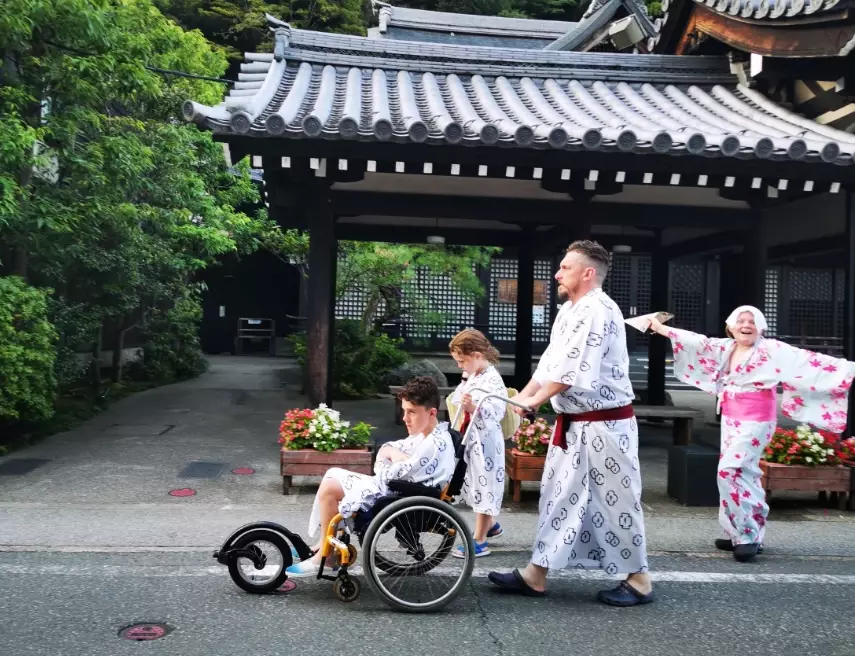
Your Burning Questions Answered (FAQ)
 What's one thing I must pack for an accessible trip to Japan that most people forget?
The bottom line? Japan is ready for you, but it requires a shift from spontaneous backpacking to thoughtful, prepared exploration. Your disability certificate is not a label; it's a practical tool. Use it, plan with it, and you'll discover a Japan that is not only accessible but deeply welcoming to those who navigate it with awareness.


Share Your Thoughts