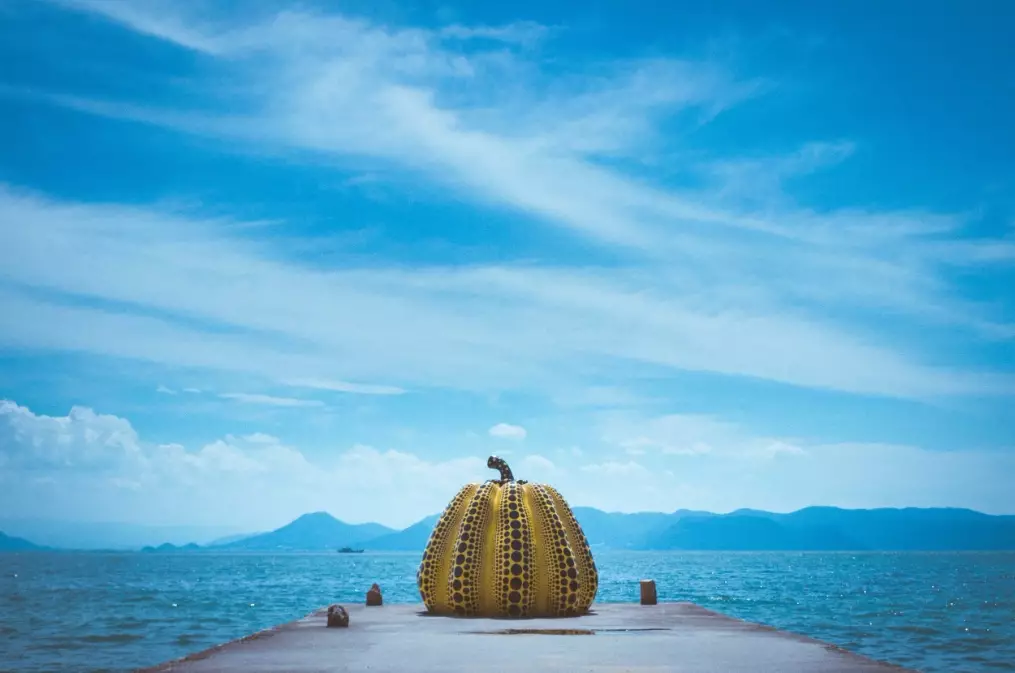
You've seen the pictures. The giant yellow pumpkin by Yayoi Kusama perched on a pier, the stark concrete buildings half-buried in the earth. Naoshima, and its siblings Teshima and Inujima, aren't your typical Japanese destinations. Forget temples and shrines for a moment. This is where contemporary art, architecture, and nature fuse in the quiet Seto Inland Sea. But planning a trip here feels different. It's not just about ticking off sights; it's about navigating ferry schedules, understanding a dispersed art site, and deciding where to even start. I've been multiple times, in every season, and made every rookie mistake so you don't have to. Let's cut through the hype and build your perfect art island trip.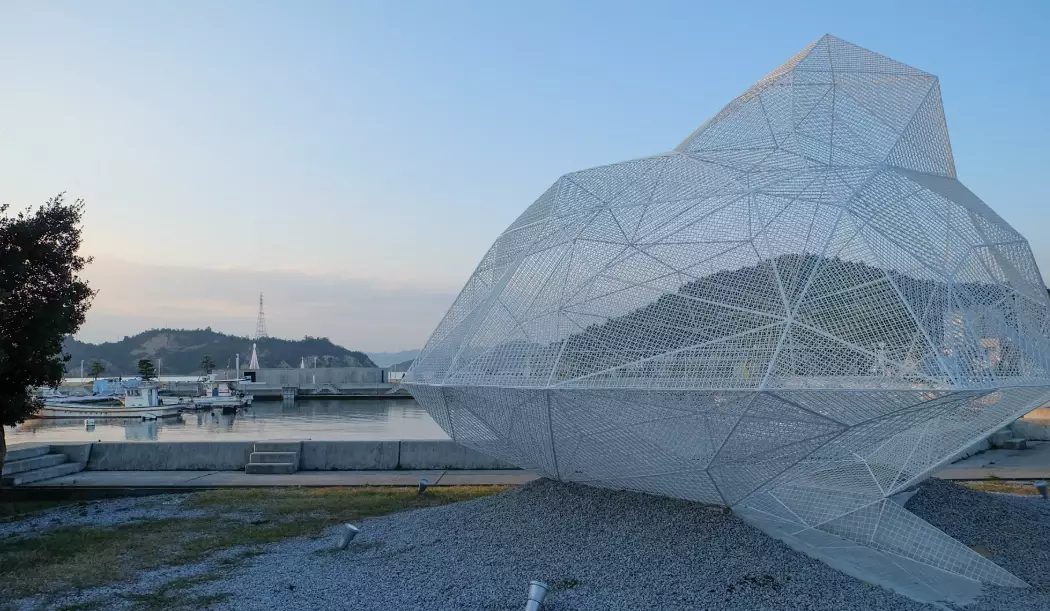
Your Naoshima Navigation Map
- What Exactly Are the Naoshima Japanese Art Islands?
- The Core Art Experience: Must-See Sites & How to Tackle Them
- The Practical Guide: Tickets, Transport & Timing
- Building Your Itinerary: From Day Trip to Deep Dive
- Where to Stay: Sleeping Amidst the Art
- Your Questions, Answered (By Someone Who's Been There)
What Exactly Are the Naoshima Japanese Art Islands?
It's a cluster of islands in Japan's Seto Inland Sea, transformed over decades by the Benesse Art Site Naoshima initiative. Think of it as a sprawling, open-air museum spread across several islands, with Naoshima as the flagship. The vision, heavily influenced by architect Tadao Ando, was to revitalize depopulating islands by integrating art with the landscape and local communities. It's not a single park you enter. Art pops up in old houses (the Art House Project), in dedicated world-class museums, and even in a public bathhouse.
The main players are Naoshima, Teshima, and Inujima. Naoshima has the highest density of major sites. Teshima is more about vast, singular installations and a breathtaking museum. Inujima is smaller, focusing on industrial heritage and art. Most first-timers focus on Naoshima, and that's smart.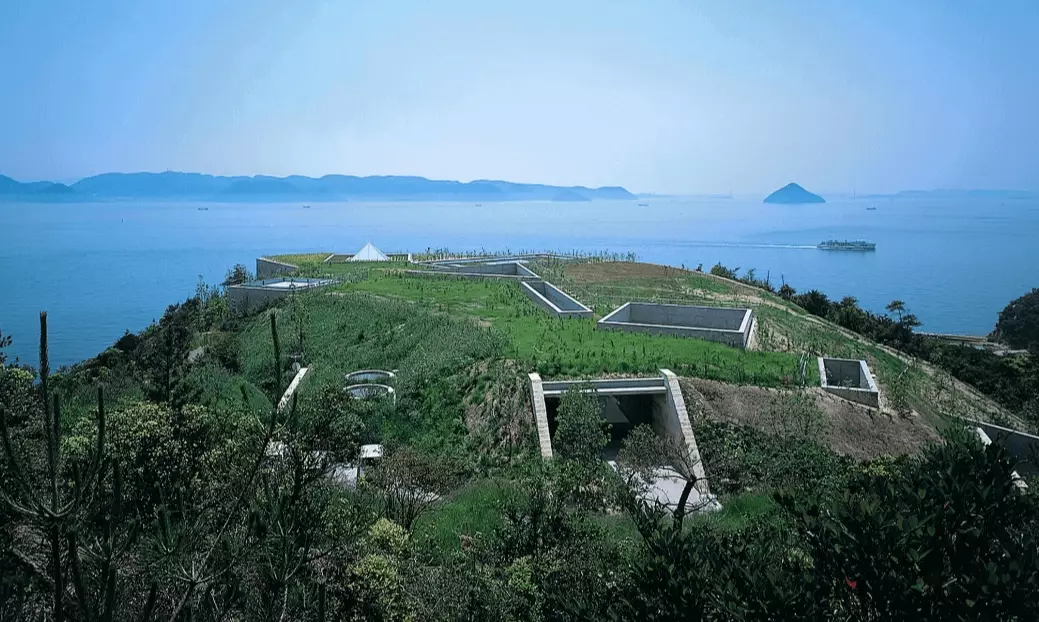
The Core Art Experience: Must-See Sites & How to Tackle Them
Let's break down the key venues. I'm organizing them by area, which is crucial for planning your movement on the island.
1. The Benesse House Area (Southern Naoshima)
This is the heart of the Tadao Ando Naoshima architectural experience. You can only access this area by the Benesse House shuttle bus (free for guests/museum ticket holders) or taxi. No private cars are allowed, which preserves the peace.
| Site | Address | Key Info & Tickets | Why It's Worth It |
|---|---|---|---|
| Benesse House Museum | Naoshima, Kagawa District, Kagawa 761-3110 (within Benesse Art Site) | Open 8:00-21:00. Ticket: 1,030 yen. Part of the common ticket. | Art and hotel combined. Works by Basquiat, Hockney, Kusama are displayed with stunning sea views. The outdoor sculptures along the coast are free to explore. |
| Chichu Art Museum (地中美術館) | Naoshima, Kagawa District, Kagawa 761-3110 | Open Oct-Feb: 10:00-16:00, Mar-Sep: 10:00-18:00. Closed Mondays. Ticket: 2,060 yen. Reservations highly recommended. | Tadao Ando's masterpiece, built underground. Houses Monet's Water Lilies in a sublime room, plus works by James Turrell and Walter De Maria. It's about the experience of light and space. |
| Lee Ufan Museum | Naoshima, Kagawa District, Kagawa 761-3110 | Open 10:00-18:00 (Mar-Sep), 10:00-17:00 (Oct-Feb). Closed Mondays. Ticket: 1,030 yen. | A serene dialogue between Ando's architecture and Lee Ufan's meditative sculptures and paintings. Quieter, a great palate cleanser. |
My strategy: Book the earliest timed ticket for the Chichu Art Museum. The light is best in the morning, and crowds are thinner. Then walk to the Lee Ufan Museum (it's a pleasant 10-minute walk), and finish at the Benesse House Museum. Have lunch at the Benesse House cafe – it's pricey, but the terrace view is part of the experience.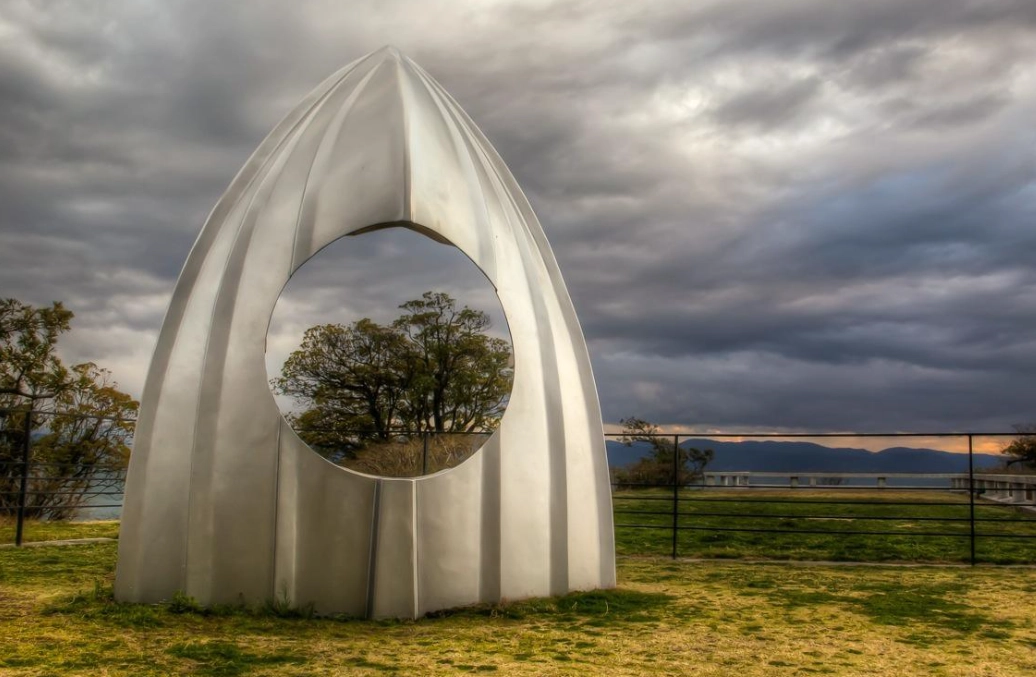
2. Miyanoura & Honmura Areas (Port Towns)
This is where you'll arrive and find the famous public art. It's more casual and integrated with the town.
- Red Pumpkin (Yayoi Kusama): Right at Miyanoura Port. Free, always accessible. Get your photo early before the tour groups descend.
- Naoshima Bath "I♥湯" (I Love Yu): Yes, a functional public bathhouse turned into art by Shinro Ohtake. Address: 2252-2 Naoshima, Kagawa District. Entry: 660 yen (includes towel/soap). Open 14:00-21:00 (closed Mondays). You can actually take a bath here! It's weird, wonderful, and a unique way to interact with art.
- Art House Project: Scattered around Honmura village. Old houses, a temple, a workshop transformed by artists. Buy a combined ticket (1,030 yen) for all six sites at the Honmura Lounge & Archive. My favorite is Minamidera, a James Turrell installation that is pure sensory deprivation magic.
The Practical Guide: Tickets, Transport & Timing
This is where most guides gloss over the details that make or break a day.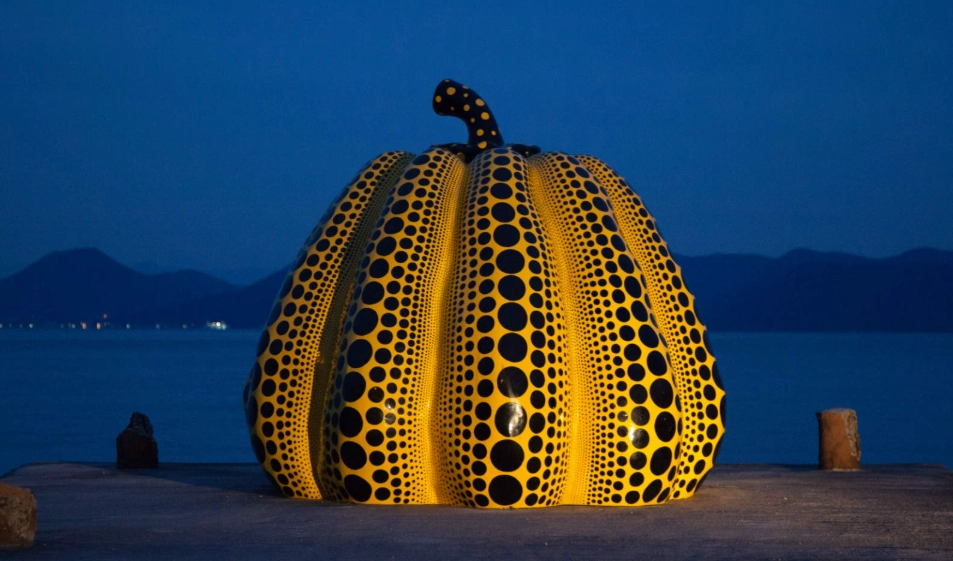
Getting There: Ferries are Your Lifeline
There are two main access points from the mainland:
- Uno Port (Okayama Prefecture): The most frequent service to Naoshima's Miyanoura Port. Ferry (15-20 mins, 290 yen) or high-speed boat (10 mins, 520 yen). I prefer the ferry – it's cheaper and you get a nice short cruise.
- Takamatsu Port (Kagawa Prefecture): Ferries to Miyanoura Port take about 50 minutes (520 yen). A good option if you're coming from Shikoku.
Always check the return ferry schedule the moment you arrive. The last ferry can be surprisingly early, especially in winter.
Getting Around Naoshima
Rent an electric bicycle. This is my non-negotiable advice. The island is hilly. A regular bike will leave you exhausted. E-bikes are widely available at shops near Miyanoura Port (around 1,500-2,000 yen for the day). They give you the freedom to explore at your own pace, stop at hidden beaches, and reach the Benesse Area (though you'll need to park at the designated bike lot and take the shuttle bus the final stretch).
The public bus is reliable but runs on a limited schedule. It connects the ports to the Benesse Area. Have a timetable handy. Taxis exist but are limited; you can't hail one, you need to call or find them at the port.
Building Your Itinerary: From Day Trip to Deep Dive
The Efficient Day Trip (From Okayama/Kurashiki)
This is tight but doable if you're focused.
8:30 AM: Train from Okayama to Uno Station.
9:15 AM: Ferry from Uno to Miyanoura. Rent e-bikes immediately.
10:00 AM: See the Red Pumpkin, then cycle to Honmura. Visit 2-3 Art House Project sites.
12:00 PM: Quick lunch in Honmura.
1:00 PM: Cycle to the Benesse Area bike park. Take the shuttle bus.
1:30 PM: Visit Chichu Art Museum (with pre-booked ticket).
3:30 PM: Quick look at Benesse House Museum or outdoor sculptures.
4:30 PM: Shuttle back, cycle to port, return bikes.
5:30 PM: Catch ferry back to Uno.
It's a sprint, but it hits the highlights.
The Ideal 2-Day, 1-Night Immersion
This is the sweet spot.
Day 1: Arrive midday. Check into accommodation. Focus on Miyanoura/Honmura. Do the Art House Project at leisure, visit the bathhouse, explore the town. Sunset at the Red Pumpkin.
Day 2: Full day for the Benesse House Area. Pre-book Chichu for late morning. Spend quality time at each museum. Have a leisurely lunch. Maybe hike to the Go'o Shrine. Depart late afternoon.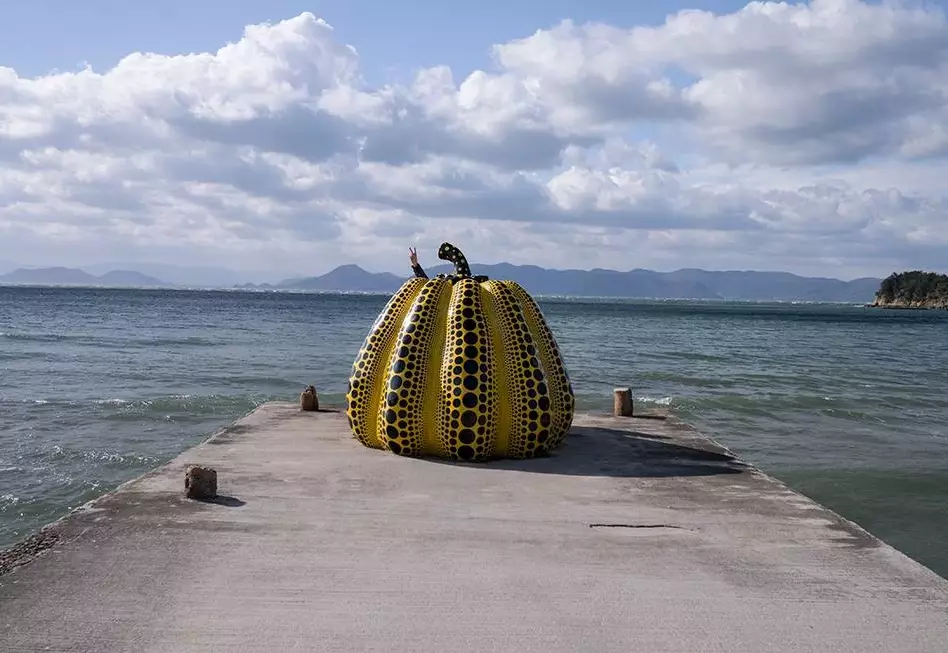
This pace lets the atmosphere of the island sink in.
Where to Stay: Sleeping Amidst the Art
Booking early is critical, especially for the famous spots.
- Benesse House: The iconic stay. It's a museum you sleep in. Four buildings (Park, Beach, Museum, Oval). Oval is the most exclusive. Prices start around $400/night. Book directly on their website months in advance. Address: Gotanji, Naoshima, Kagawa 761-3110.
- Tsutsuji-so Lodge: A more affordable, dormitory-style option run by Benesse. Clean, simple, and you still get access to the Benesse Area after hours. Great for solo travelers or budget-conscious art lovers.
- Guesthouses in Honmura: Like Ryokan Marugen or Guest House Uo. These offer a more local feel, often with home-cooked meals. You're in the heart of the Art House Project neighborhood. Prices range from $80-$150 per night.
I've stayed at both Benesse House and a local guesthouse. Benesse is unforgettable, but the guesthouse gave me a deeper connection to the island's daily rhythm and a chance to chat with the owner over breakfast.
Your Questions, Answered (By Someone Who's Been There)
 Can I visit Naoshima art island in the rain?
Naoshima asks for a little more planning than Kyoto or Tokyo. But that's part of its charm. It rewards the prepared traveler with moments of sheer beauty and quiet reflection you won't find anywhere else. You're not just visiting museums; you're stepping into a different pace of life, framed by world-class art. Start with the ferry schedule, book your must-see tickets, and leave room to get lost. That's when the island truly reveals itself.
Share Your Thoughts