You're in Tokyo, surrounded by neon and skyscrapers, and you think seeing the Milky Way is a fantasy reserved for remote deserts. I thought the same for years. Then I learned the secret: Tokyo's stargazing scene is alive and well, you just need to know where to look and how to prepare. This isn't about settling for a few faint dots. It's about finding places where the sky explodes with detail, where you can trace the dusty river of our galaxy with your naked eye. Forget those generic lists that just name mountains. I've spent a decade chasing dark skies around Kanto, and here’s the real, actionable guide to doing it right.
Your Night Sky Navigation
Why Stargazing Near Tokyo is Actually Possible
The key isn't just distance, it's altitude and direction. Light pollution from the Greater Tokyo area blankets the region, but it spreads like a dome. By driving 90-150 kilometers and, crucially, climbing 1000 meters or more, you rise above the thickest part of that glowing haze. Heading west into the mountains of Yamanashi or Nagano is your best bet. North towards Gunma works too, but you have to go farther to clear the sprawl of Saitama. South? Forget it—that's towards Yokohama and Kawasaki, a wall of light.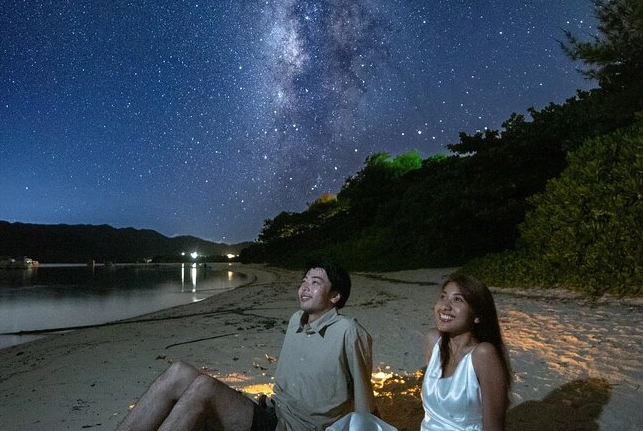
Here’s a quick comparison of what you're dealing with, based on the Light Pollution Map and my own observations using the Bortle Scale (a 1-9 measure of sky darkness, where 1 is pristine and 9 is inner-city).
| Location Type | Approx. Distance from Central Tokyo | Bortle Scale Estimate | What You Can Realistically See |
|---|---|---|---|
| Central Tokyo (e.g., Shinjuku) | 0 km | Class 9 | The Moon, Venus, Jupiter, maybe a few of the brightest stars. Constellations are fragmented. |
| Tokyo Suburbs (e.g., Hachioji foothills) | 30-50 km | Class 7-8 | Major constellations become recognizable. The Milky Way is not visible. |
| Mountain Bases (e.g., around Fuji's 5th Station) | 100 km | Class 5-6 | Many more stars. Milky Way may be faintly detectable as a vague glow on perfect nights. |
| High Mountain Observatories (1500m+) | 100-150 km | Class 3-4 | This is the target. The Milky Way has clear structure. M31 (Andromeda Galaxy) is visible as a fuzzy patch. Zodiacal light possible. |
The Top 5 Stargazing Spots Near Tokyo
These aren't just random parks. These are locations with proven dark skies, safe parking, and the right orientation. I've ranked them based on darkness, accessibility, and overall experience.
1. Nobeyama Radio Observatory & Surrounding Highlands (Nagano)
This is the gold standard for serious stargazers near Tokyo. At an elevation of 1350 meters, the Nobeyama Plateau offers some of the darkest, most stable skies accessible by car. The area around the actual Nobeyama Radio Observatory (part of the National Astronomical Observatory of Japan) is vast, open, and incredibly dark. There are no bright lights, just rolling grasslands.
- Address/Area: Nobeyama, Minamimaki, Minamisaku District, Nagano 384-1305. Don't just GPS the observatory; explore the network of farm roads around it.
- Getting There: About 3-3.5 hours by car from central Tokyo via the Chuo Expressway. Take the Suwa IC exit. Public transport is very limited and not practical for night-time return.
- Best For: Astrophotography, deep-sky observing, experiencing a truly dark sky.
- My Take: It's a haul, but the first time you step out of the car here, the sheer number of stars is humbling. The Milky Way casts a faint shadow. Bring a very warm jacket—even in summer, it gets cold at that altitude.
2. Mount Fuji's 5th Station & the South Side (Yamanashi/Shizuoka)
Most people think of the crowded Yoshida Trail 5th Station on the north side. For stargazing, head to the Subaru Line 5th Station (Fujinomiya Trail) on the south side, or even better, the parking areas along the Fuji Skyline road before it. You're at ~2300 meters, looking south over Shizuoka, often above the cloud layer.
- Address/Area: Fujinomiya 5th Station, Fujinomiya, Shizuoka. Or along the Fuji Skyline toll road.
- Getting There: ~2.5 hours by car. Use the Tomei Expressway to Gotemba, then Route 138. Note: The Fuji Skyline is a toll road and closes at night (usually 8 or 9 PM). You must be off by closing time.
- Best For: High-altitude viewing, unique Fuji backdrop for photos, summer stargazing (it's cooler).
- My Take: The view of the stars over Fuji's silhouette is iconic. However, it can get windy and bitterly cold. Also, the south side gets more maritime clouds, so always check a detailed cloud forecast.
3. Lake Tanuki (Fujikawa Town, Shizuoka)
A lesser-known gem with a near-perfect northern view over a calm lake. It's lower altitude (around 1000m) than Fuji, but it's nestled in a valley that blocks a lot of distant light pollution. The reflection of stars on the lake on a still night is magical.
- Address: 3951-1 Fujikawa, Fujikawa-cho, Ihara-gun, Shizuoka 421-3301.
- Getting There: About 2 hours by car via the Tomei Expressway (Makinohara IC). The final approach is on winding mountain roads—drive carefully.
- Facilities: There's a large parking lot, public toilets (may close at night), and it's free to access.
- Best For: A more relaxed, scenic stargazing session. Great for families or couples. Northern constellations and Polaris are beautifully positioned over the water.
4. Musashi Hills Observatory Park (Sayama, Saitama)
This is your best public transit-accessible option. It's not a Bortle 3 sky, but for a Class 5-6 sky reachable by train and a short bus/taxi, it's fantastic. The park has an actual small observatory (check for public viewing events) and open grassy areas.
- Address: 41-1 Shimomaruko, Sayama, Saitama 350-1335.
- Getting There: Take the Seibu Ikebukuro Line to Seibu Kyujo-mae Station. From there, it's a 15-minute taxi or a 30-minute bus ride (Nishi-Tokorozawa Station bus to "Kyujo Seimon"). Last buses are early, so plan your return taxi in advance.
- Hours/Pricing: The park grounds are open 24/7 and free. The observatory dome has specific hours and fees.
- My Take: It proves you don't need a car to get a decent sky. It's perfect for a spontaneous clear night when you just need to get out of the city core. You'll see the major winter constellations like Orion beautifully.
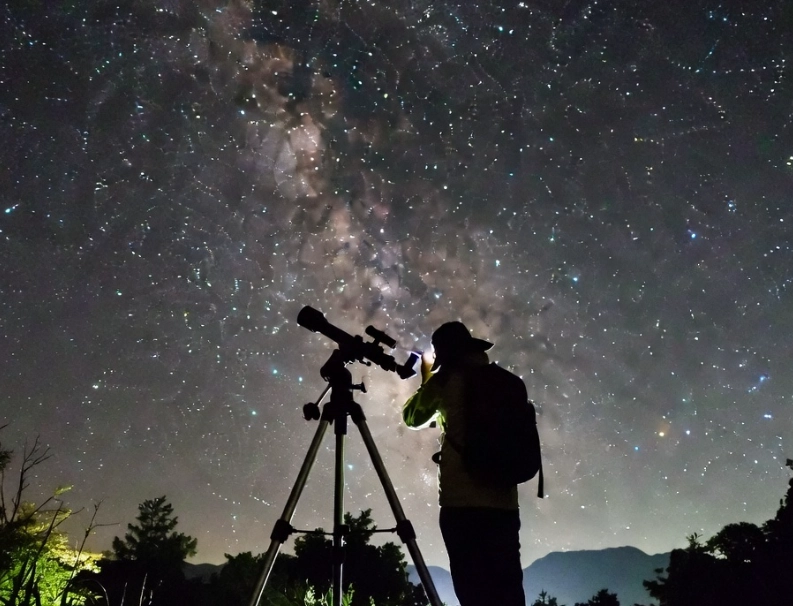
5. Okutama Lake (Okutama, Tokyo)
Yes, this is still technically Tokyo. Western Okutama is mountainous and sparsely populated. The areas around the north shore of Lake Okutama, like along Route 139, offer pockets of decent darkness. It's the closest real option if you're short on time.
- Area: Around Lake Okutama, Okutama Town, Tokyo.
- Getting There: About 2 hours by car via the Chuo Expressway. By train, take the JR Ome Line to Okutama Station, then you'll need a taxi to specific spots.
- Caveat: Light pollution from Ome City is visible to the east. Face west or north over the lake for the best views. It's darker than the suburbs, but don't expect Nobeyama-level darkness.
- Best For: A quick escape, combining a day hike with some evening stargazing.
What to Bring: Your Stargazing Survival Checklist
Forgetting something here can ruin your trip. This is based on cold, uncomfortable nights where I learned the hard way.
- Warm Layers: Think thermal underwear, fleece, down jacket. Temperatures drop 10°C (50°F) or more from the city. A beanie and gloves are essential, even in late spring/early autumn.
- Red Light Flashlight: White light destroys your night vision and annoys other stargazers. Tape red cellophane over a flashlight or buy a dedicated one. Your phone's screen on lowest brightness with a red filter app is a last resort.
- Comfort: A folding chair or thick ground mat. You'll be looking up for hours.
- Navigation: A star chart app like Stellarium or Sky Safari. Download offline maps for the mountain roads.
- Food & Hot Drinks: A thermos of tea or coffee is a game-changer. Snacks keep energy up.
- Binoculars (7x50 or 10x50): More impactful than a cheap telescope. They'll show you Jupiter's moons, Saturn's shape, and countless star clusters.
- A Plan: Know what's up. Is Jupiter visible? Is the Milky Way core (Sagittarius) above the horizon? Apps help with this.
Pro Tips & Dark Sky Etiquette
This is where experience talks. First, let your eyes adapt. It takes a full 30 minutes in true darkness for your eyes to reach maximum sensitivity. Don't cheat with your phone.
Second, respect the darkness and others. Point your car away from the viewing area when parking, and turn off all interior lights. Keep voices low. If you see other stargazers, give them plenty of space.
Finally, understand that many of these spots are in natural or agricultural areas. Take all your trash with you. Do not trespass on private farmland. We want these places to stay open and dark for everyone.
Your Stargazing Questions, Answered
I don't have a car. Are there any stargazing tours from Tokyo?
Yes, but they are seasonal and niche. A few astronomy clubs and specialized tour operators run bus trips to places like Nobeyama or around Mount Fuji during major meteor showers (like the Perseids in August). They often include telescope use and guidance. Search for "Tokyo stargazing tour" or "天体観測 ツアー 東京". Be prepared to book well in advance as spaces are limited. The Musashi Hills option remains your best DIY, car-free bet.
What's the best season for stargazing near Tokyo?
Winter. Absolutely. The air is cold and dry, meaning it's clearer and more stable (less "twinkling"). The winter Milky Way (fainter than the summer one) and iconic constellations like Orion, Taurus, and Gemini are spectacular. Summer offers the bright core of the Milky Way, but humidity, haze, and insects can be challenging. Autumn is a close second to winter for clarity. Spring often has unstable weather.
Can I use my smartphone for astrophotography?
For the Milky Way, you'll struggle without a dedicated camera. But you can get surprising shots of star trails or constellations using a phone on a mini-tripod with a long exposure app (like NightCap on iOS). The real pro tip: use your phone to take a reference photo of your telescope's eyepiece view. Just hold it steady. It won't be Hubble quality, but it's a great personal souvenir.
Is it safe to be alone in these remote areas at night?
Generally, yes—Japan has very low crime rates in rural areas. The real safety concerns are environmental: hypothermia, getting lost on unlit mountain roads, or wildlife (like bears in certain areas, though rare). Always tell someone your plan and expected return time. Going with at least one other person is highly recommended, not for crime, but for safety and shared driving fatigue.
I see amazing photos online. Why doesn't the Milky Way look that bright to my eyes?
This is the biggest point of confusion. Cameras can collect light over seconds or minutes; our eyes see in real-time. What you see with your dark-adapted eyes in a Class 3 sky is a majestic, structured, grayish-white cloud across the sky—it's unmistakable and breathtaking. The vivid colors in photos are brought out by sensor sensitivity and processing. Your visual experience is more subtle but, in my opinion, more profound because it's direct. Don't be disappointed; you're seeing it as humans have for millennia.




Share Your Thoughts